Is the Annapurna Circuit Trek beginner-friendly?
Yes, the Annapurna Circuit Trek is suitable even for first‑time trekkers. The journey starts on simple trails at lower elevations (around 800 m) and gradually gains altitude. The acclimatization stop in Manang gives your body time to adjust to the thinner air and reduces the risk of altitude sickness, making the trek accessible to beginners.
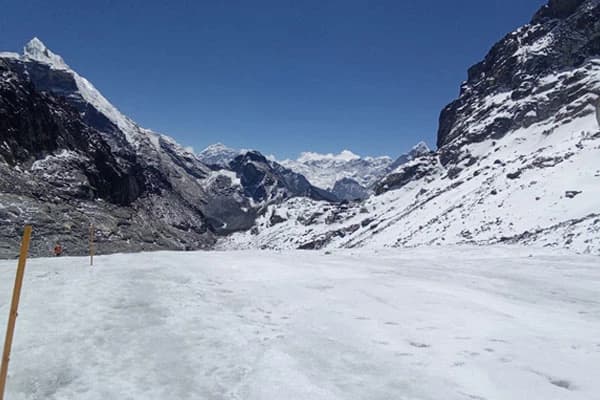
The trek mainly involves walking 5–6 hours per day and does not require any special climbing skills or technical sections. The most challenging part is crossing Thorong La Pass at 5,416 m, which can feel demanding for a first‑timer at such altitude. Along the way, you are rewarded with stunning mountain views, picturesque villages, and beautiful waterfalls. Another advantage is that jeeps and buses are available at several points, so you can shorten the trek if it becomes too tiring.
Tea houses are located at regular intervals, providing rest stops with meals and comfortable sleeping options. The trails are well marked and heavily used, so you are unlikely to feel isolated or lose your way. With a solid plan, the right mindset, and proper training, a beginner can successfully overcome the challenges and complete the trek with confidence.
Why is the Annapurna Circuit approachable for beginners?
The Annapurna Circuit is approachable for beginners as it combines gradual altitude gain, well-maintained trails, and frequent tea houses, where you do not have to encounter any technical sections or demand any mountaineering skills.
- Gradual altitude gain: The walking trail winds off from 800 meters and proceeds with a gentle climb for 8-9 days, allowing your body to adjust to an increasing elevation, before reaching the pass.
- Built-in acclimatization days: Good rest days are set in between, especially a full acclimatization day at Manang, giving first-timers a safety net and more exploration, which is great to avoid altitude sickness.
- No technical climbing required: Unlike Everest, the three high passes, or Narphu-Kang La Pass, don't include any technical sections, nor do you need climbing gear such as ropes, crampons, etc.
- Moderate pace daily hiking hours: Only involves 4-6 hrs of daily walking, can be easily manageable for beginners with just a basic level of fitness.
- Frequent tea houses: No isolation sections, where lodges and standard or even luxury tea houses are available at every key stopping point.
- Strong supporting crews: Experienced licensed trekking guides and porters assist you with safe navigation, great cultural and mountain insights, and support for the heavy gear.
- Option to shorten the itinerary: Jeeps and buses can be used at several points (e.g., to Chame, Muktinath, Jomsom) if you want to reduce walking days.
- Wide range of packages: Due to the upgrade in trails and accommodations, there are a great many options from short to long hiking days and budget-friendly to standard to premium packages, giving beginners full accountability to choose any, as per personal choice.
Who Should (and Shouldn’t) Attempt the Annapurna Circuit?
The Annapurna Circuit is doable for many first‑time trekkers, but it’s not suitable for everyone. Being honest about your fitness, health, and expectations before you book can save you money, stress, and risk on the trail.
Ideal Fitness Level
While the journey is still considered beginner-friendly, it is not everyone's cup of tea, as it does ask, walk along varied terrains, steep and rugged, with multiple ascents and descents. Here is a quick insight into the ideal fitness required for the trek:
- Can walk 4-6 hrs daily walk, through distinct trail patterns for a week to 12+ days straight.
- Comfortable with adjusting at the tea houses, not so luxurious, very basic, compared to city areas.
- Can carry a small daily backpack and face the steep climb and frequent descents without being zoned out.
- Engaged in active activities such as regular walks, 5000+ steps, or any sports or games that keep your body engaged.
- Already do some regular workouts such as jogging, cycling, strength training, or short hikes nearby at least 3-4 times a week.
Age Considerations
- No official age restrictions
- Senior Citizens, in their 60's and 70s, can complete the journey, but with prior health and medical considerations
- Kids above 14 years old, but parents' assistance is 100% compulsory, cannot be done independently
- Families with kids and older trekkers must go for a longer itinerary, 16 - 20 days, with more acclimatization days and a gentle pace.
How to Prepare For the Annapurna Circuit Trek as a Beginner?
Beginners can successfully complete the trek safely by choosing an appropriate season, hiking along with the guide, getting enough acclimatization rest time, and being prepared for the changing terrains and unpredictable weather conditions.
Hire an Experienced Guide
If you are a beginner, hiring an experienced guide is one of the best ways to trek the Annapurna Circuit safely. A guide will accompany you throughout the route, show you the correct trail, and explain the local customs and culture.
Guides who speak English and Nepali can help you communicate with teahouse owners and lodge staff. They can also assist during emergencies, carry emergency communication equipment, and identify nearby helipads if evacuation becomes necessary. Since experienced guides have walked the trail many times, they can help you avoid getting lost and make your journey more comfortable.
Select a Reliable Trekking Agency
Choosing the right trekking agency is another important part of a safe trip. Since many agencies operate in Nepal, compare their services carefully before making a decision. First, check whether the agency is properly licensed and follows Nepal’s government regulations. Compare packages, request price quotations, and read recent online reviews. It is also helpful to choose an agency with several years of experience in organizing the adventure. Before you book, get a comprehensive overview of available departure dates, trip customization, safe booking policies, and trip delays and cancellation policies.
Get Suitable Travel Insurance
One of the crucial aspects that beginners must be prepared is get a good travel insurance, as it is a high-altitude trek, covering all the essentials. Get the policy from a trusted company; it's good if you take it from your own home country. That includes the following: medical expenses, trip delays and cancellations, thefts, and most importantly, the helicopter evacuation up to 5500 meters.
Choose Appropriate Trekking Seasons
Choosing the right season can make your Annapurna Circuit safer and more enjoyable. Weather conditions vary significantly across the Himalayan region, especially near Thorong La Pass. Spring, from March to May, and autumn, from September to November, are generally the ideal times to explore the Himalayas. Spring brings warmer weather to the lower sections of the trail, along with blooming flowers and green landscapes. Autumn usually offers clear skies, excellent mountain views, and stable weather after the monsoon season. These conditions also make the Thorong La Pass crossing more accessible.
The monsoon season, from June to August, brings heavy rainfall, slippery trails, leeches, landslides, and poor visibility. Rain may also damage bridges and cause transportation delays, making the trek more challenging for beginners.
Winter, from December to February, brings freezing temperatures and heavy snowfall. Temperatures near the pass can fall well below freezing, and Thorong La may become blocked by snow. Some teahouses may also close during this period. For these reasons, beginners should generally avoid crossing the pass in the middle of winter.
Packing Essentials
- The clothing choice should focus on multiple layers instead of big, bulky jackets. The everyday temperature swings dramatically across altitude zones.
- Purchase good-quality hiking boots beforehand and wear them during daily activities until your trek begins. The boots need at least two weeks of frequent use prior to trekking to prevent blisters.
- The colder season requires a sleeping bag with a minimum -10°C rating. The tea houses offer blankets, but these pieces of bedding might not be clean or sufficiently warm.
- These save your knees when using a trekking pole, especially during the long downhill sections after Thorong La Pass. Adjustable ones are best.
- Carry water purification tablets together with a filtration bottle as part of your supplies.
- High elevations produce unusually powerful rays from the sun. Pack sunscreen (SPF 50+), a hat, sunglasses, and lip balm with SPF.
- Make sure you have toilet paper and hand sanitizer with you, together with wet wipes, always.
- Carry a headlamp and power banks as you need to start early for the Thorong La Pass, and teahouses may not have electricity all the time.
- You need to bring a sufficient supply of Nepalese Rupees cash with you. The trek has no ATM services between Besisahar and Jomsom, which spans across the entire pass.
Fitness and Training Tips
- Commence your training 2 to 3 months prior to your trek departure. A sufficient time is necessary for your body to develop adequate strength and stamina.
- Walk 30 to 60 minutes daily and gradually extend these sessions to last 2 hours at a time. During the last month before your trek attempt, walk 8-10 kilometers as your daily goal.
- Climb stairs found in any building for 20-30 minutes up and down, thrice weekly. The exercise strengthens the leg muscles, which will later support uphill trekking.
- You should wear your trekking backpack when you perform practice walks prior to the actual trek. Begin with a 2-3 kg backpack weight, then gradually add 5-6 kg to adapt to the weight burden.
- Perform weekend hiking sessions that last 4-5 hours each. The best hiking locations for training are hills or mountains that you can reach from your home.
- Engage in swimming, cycling, and gym exercises to develop complete fitness. The energy of your arms supports you when using walking poles, while having a robust core structure will keep you balanced.
- Master deep breathing exercises as a way to cope with reduced oxygen pressure at heights.
Medical Advice
- You must consult with your doctor for a complete medical exam during the trek preparation period one month prior to your departure date. Inform your doctor about the challenges you will face at high elevations and the physical requirements.
- Seek medical advice regarding the preventive effects of Diamox (Acetazolamide) for altitude sickness. Find out the proper amount of medicine suited to your body.
- You need to bring your regular medicines sufficient for your entire trip, along with additional medications in case you get delayed during travel.
- Keep a portable medical box consisting of bandages, antiseptic cream, pain medication, cold remedies, stomach relief medication, and blister treatment.
- You need to learn how to recognize altitude sickness symptoms, which include headaches, dizziness, nausea, and extreme exhaustion, and report to the guide immediately if you experience them.
Acclimatization Tips
- Arrange the rest days during your schedule when you stay in Manang at 3500m elevation. The rest days involve small hikes leading to higher altitude zones and then returning to your tea house accommodation.
- Aim for 3-4 liters daily to avoid dehydration and headaches.
- Consuming alcohol should be avoided while being above 3000m elevation. Drinking alcohol brings about more severe altitude sickness while simultaneously dehydrating your body.
- Garlic soup served in tea houses remains a local tradition for helping people acclimate to high altitude.
- Listen to your body! Do not ascend when you are feeling unwell. Getting 500 meters lower in altitude provides fast relief from your symptoms.
Sample Beginner-Friendly Annapurna Circuit Itinerary for 2026
This 15-day Annapurna Circuit Trek itinerary is tailored for beginners who want to explore the classic trail at a comfortable hiking pace. It takes a daily pace of 4-5 hours of hiking only, and great time to acclimatize, avoiding any possibility of altitude sickness before proceeding to a safe hike.
- Day 1: Arrival in Kathmandu - Airport pickup, transfer to a five-star hotel, trek briefing, guide introduction, and welcome dinner.
- Day 2: Kathmandu Sightseeing -Guided visit to Kathmandu’s major cultural and UNESCO World Heritage sites.
- Day 3: Kathmandu to Besisahar - Private jeep journey through scenic hills, rivers, and rural settlements.
- Day 4: Besisahar to Bhratang - Continue by private jeep along the Marsyangdi Valley to Bhratang.
- Day 5: Bhratang to Upper Pisang - Begin trekking through pine forests and mountain landscapes to Upper Pisang.
- Day 6: Upper Pisang to Manang - Walk through the upper Marsyangdi Valley and change the Himalayan scenery to Manang.
- Day 7: Acclimatization in Manang - Rest and take a short side hike to Gangapurna Lake or a nearby viewpoint.
- Day 8: Manang to Yak Kharka - Follow a gradual uphill trail through alpine terrain to Yak Kharka.
- Day 9: Yak Kharka to Thorong Phedi - Trek toward the base of Thorong La Pass and prepare for the next day’s crossing.
- Day 10: Thorong La Pass to Muktinath - Cross Thorong La Pass at 5,416 meters and descend to the sacred village of Muktinath.
- Day 11: Muktinath to Ghorepani - Travel by private jeep through Lower Mustang and the surrounding mountain landscapes to Ghorepani.
- Day 12: Poon Hill and Pokhara - Hike to Poon Hill for sunrise, descend to Banthanti, and drive to Pokhara.
- Day 13: Pokhara Sightseeing and Kathmandu Flight - Explore Pokhara before taking an evening flight to Kathmandu.
- Day 14: Free Day in Kathmandu - Relax, shop, or take an optional sightseeing tour of Patan and Bhaktapur.
- Day 15: Final Departure - Airport transfer for your onward flight.
Why is this itinerary perfect for beginners?
This 15-day-long itinerary suits novice hikers as it includes private transportation, on the longer road, 8-10 hours of driving hour section and includes a full acclimatization day in Manang, with a gradual pace, from low altitude below 900 m, to Thorong La at 5416 meters. The route includes comfortable standard accommodations, professional trekking guide assistance, and a side trip extension to the Ghorepani-Poon Hill viewpoint, offering a full circuit adventure.
Why choose our package?
With so many Annapurna Circuit Trek packages available, choosing the right one can feel overwhelming. We offer a range of carefully designed packages suitable for both first-time trekkers and experienced hikers.
Dedicated Support for First-Time Trekkers
Never trekked in the mountains before? Our experienced team understands the challenges beginners may face. We arrange essential services, including comfortable accommodation, meals, transportation, and trekking permits, so you can focus on enjoying the journey.
Before your trek, we provide a practical packing checklist and fitness preparation guidance. Our experienced guides give special attention to beginner trekkers, monitor your well-being, and support you throughout the route. Your safety remains our top priority from the beginning to the end of the trek.
Customized Itineraries
You do not have to follow a fixed Annapurna itinerary. We can customize your trek according to your available time, budget, fitness level, and personal interests.
If you are concerned about altitude, we can include additional acclimatization or rest days. If you want to explore more of the Annapurna region, we can add suitable side trips and scenic detours. Together, we will create a trekking itinerary that matches your needs and makes your journey more comfortable and memorable.