One of the most comfortable and easy-going adventures in the Everest region is the Everest Panorama Trek, also known as "Everest View Trek". It is shorter and lesser in altitude than other trekking trails that take place within the protected area of Sagarmatha National Park, the route to Everest Base Camp (EBC). In just 9 days, you get to experience the bustling Himalayan town, Namche Bazaar, visit and explore Khumjung and Tengboche monasteries, and immerse yourself in the quaint village of Monjo.
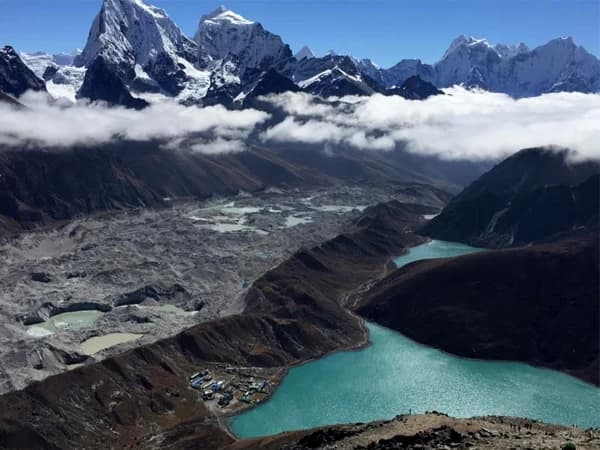
Despite being a short trek, it offers panoramic views of the gigantic peaks, including Mount Everest, Cho Oyu, Ama Dablam, Nuptse, Lhotse, Makalu, and many more. Besides, you will have an opportunity to interact with and be a part of the rich Sherpa cultures and traditions along the Tibetan-influenced routes, with prayer flags, prayer wheels, chortens, and villages, marking it as a cultural retreat trip too. The trail is beginner-friendly, approachable for families with kids and senior citizens, and relatively lower in altitude than other Everest treks, reaching the highest at 3860 meters.
At Destination Himalaya Treks, we invite you to discover the magic of the Everest region on a carefully crafted 9‑day journey designed to be the trek of a lifetime. From the comfort of our expert guidance to the awe of standing in the shadow of the world’s highest peak, Mt. Everest, every step is shaped to help you experience the beauty, culture, and spirit of this legendary Himalayan landscape.
Highlights
- Himalayan Retreat in the iconic Everest region
- Scenic aerial flight to Lukla
- A mirthful walk through rhododendron forests, rivers, valleys, suspension bridges, and waterfalls
- Explore the Khumbu village and monastery, famously known as the Yeti's head scalp
- Visit the Tengboche Monastery and gaze into the Sherpa history
- Learn day-to-day activities, cultures, and the untamed heritage of the Sherpa people
Everest Panorama Trek route
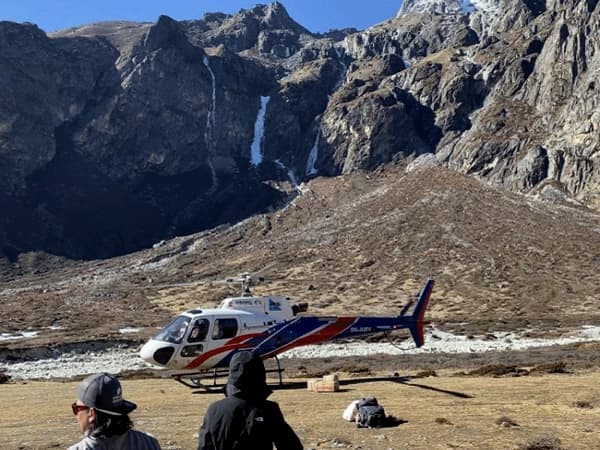
The Everest Panorama Trek route starts with a Lukla flight from Kathmandu, the capital city, lasting 40-45 minutes. The Lukla Airport is also known as Tenzing-Hillary Airport, named after the first summitters, through which the walking trail kicks off to the Khumbu region for all the Everest trekking routes. Further, the trek proceeds through the lovely forest, via rivers, cascading waterfalls, river streams, and long suspension bridges, alongside the Dudh Koshi River. As we approach Phakding, the close-up view of Kusum Kanguru becomes our first clear insight into the Himalayan giant.
On the second day, the hike leads us to the official entrance to the UNESCO World Heritage Site, Sagarmatha National Park, with a varied range of flora and fauna. If luck is on your side, you might even encounter rare species, such as Himalayan tahr, langur monkeys, elusive red pandas, and even snow leopards at higher altitudes. If not endangered species, then the diverse landscapes and a glimpse of the mountains keep you engaged until you reach Namche Bazaar. It is a bustling, busy town, which serves as the main acclimatization to trekkers/climbers, with luxury bars, restaurants, premium hotels, and shops to buy and rent gear.
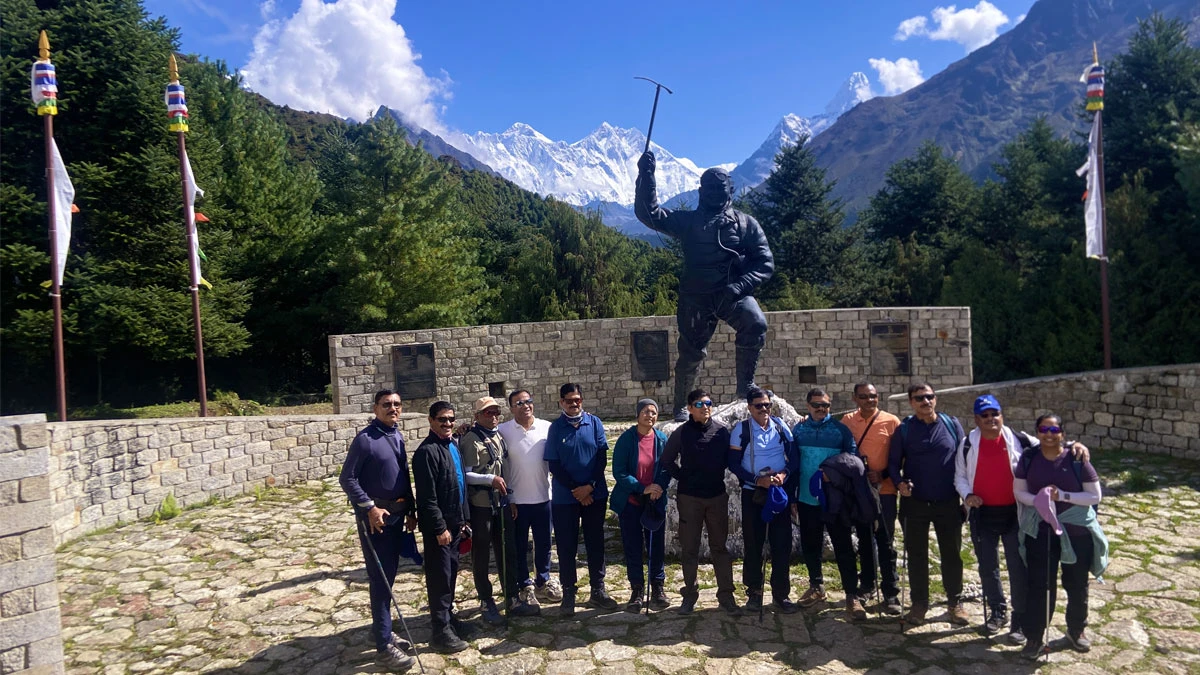
On the third day of our trek, we will take an early morning walk to Everest View Hotel, the highest-placed hotel in the world, at an elevation of 3880 meters, perfect for enjoying the sunset. Standing here offers impeccable panoramas of the iconic mountains, including Ama Dablam, Nuptse, Lhotse, Makalu, Mt. Everest, and many more. After having breakfast on the rooftop, we'll gradually make our way to Khumjung village and visit Khumjung monastery, where a yeti skull is preserved. We'll stay overnight in the village of Khumjung, renowned for traditional Sherpa stone houses, terraced farms, and authentic community customs.
The trail approaches the rocky, rugged trail to Tengboche on the fourth day, offering an expansive view of the Nuptse, Lhotse, and Everest mountains and the Dudh Koshi valley. Besides, we will also visit Tengboche Monastery, built in 1923 AD and the largest monastery in the Khumbu region, which was destroyed twice. The reform and reconstruction depict the strength of the historical site and the Sherpa community. On the fourth day, staying here is a full cultural and spiritual retreat, with the meditation opportunity among the monks and other spiritual seekers.
The trekking route takes a downhill to Monjo, a beautiful, serene village, a cultural village, that diverges from the regular route from EBC, and is the unique stopping point, included in the Everest Panorama Trek itinerary. The Monjo Village is a quaint Sherpa settlement that lies between Phakding and Namche Bazaar, signifying the ancient cultural roots of the Khumbu region. After spending a night at Monjo, the hike proceeds on a downhill trail to Lukla and then concludes with a flight back to Kathmandu.