Overview
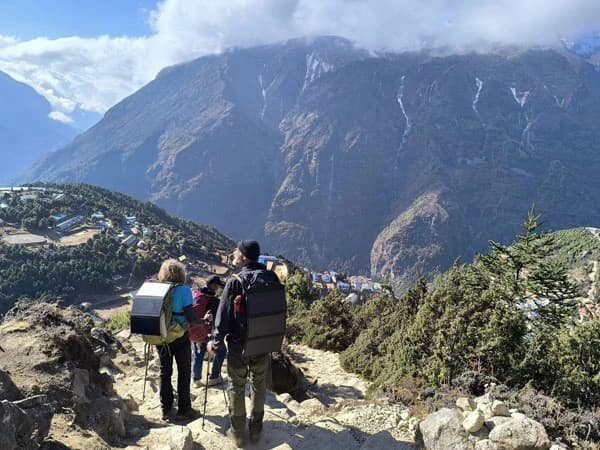
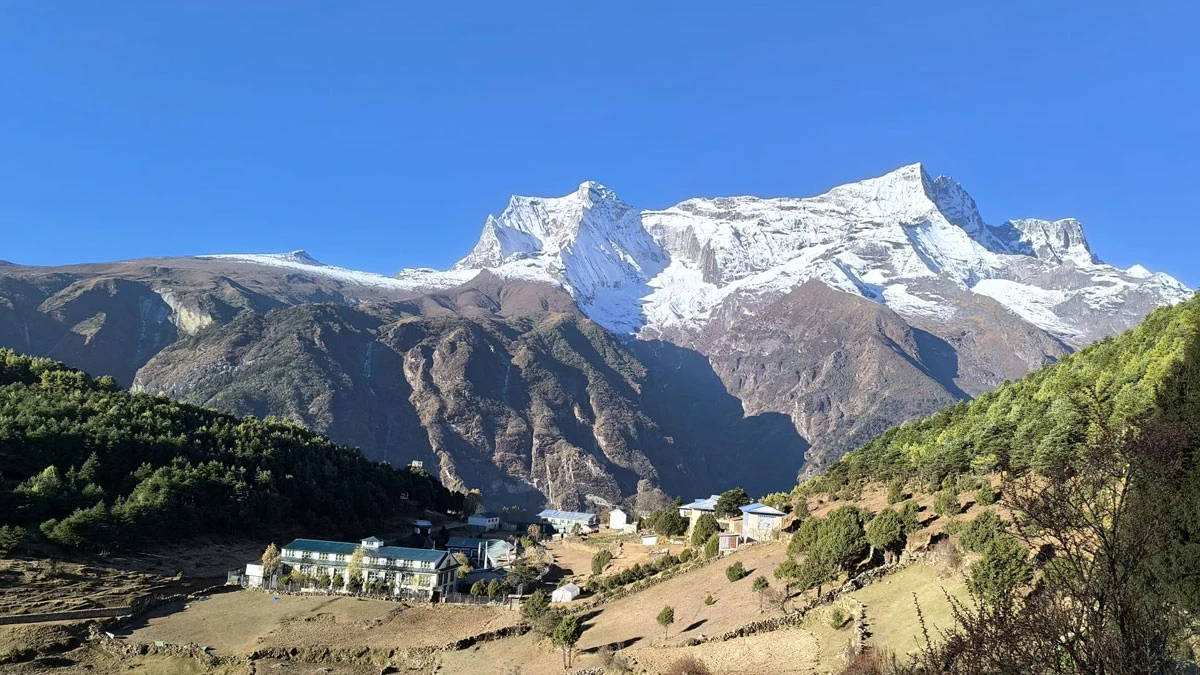
Driving from Kathmandu to Phaplu (2,413m) takes about 8/9 hours; the trek to Everest Base Camp follows the traditional route taken by the early Everest expeditions and still serves as the main artery to the roadless Sagarmatha (Everest) region. Known as the Solukhumbu, it is the home of the Sherpas. This relatively tiny society of 8,000 people is the best-known and most admired of all Nepal's ethnic groups. According to their oral history, Sherpas migrated to high valleys south of Mt. Everest from eastern Tibet about 450 years ago, hence the name Shar-pa, "people of the east." Many families along this route have converted their homes into trekkers' lodges catering to foreign hikers.
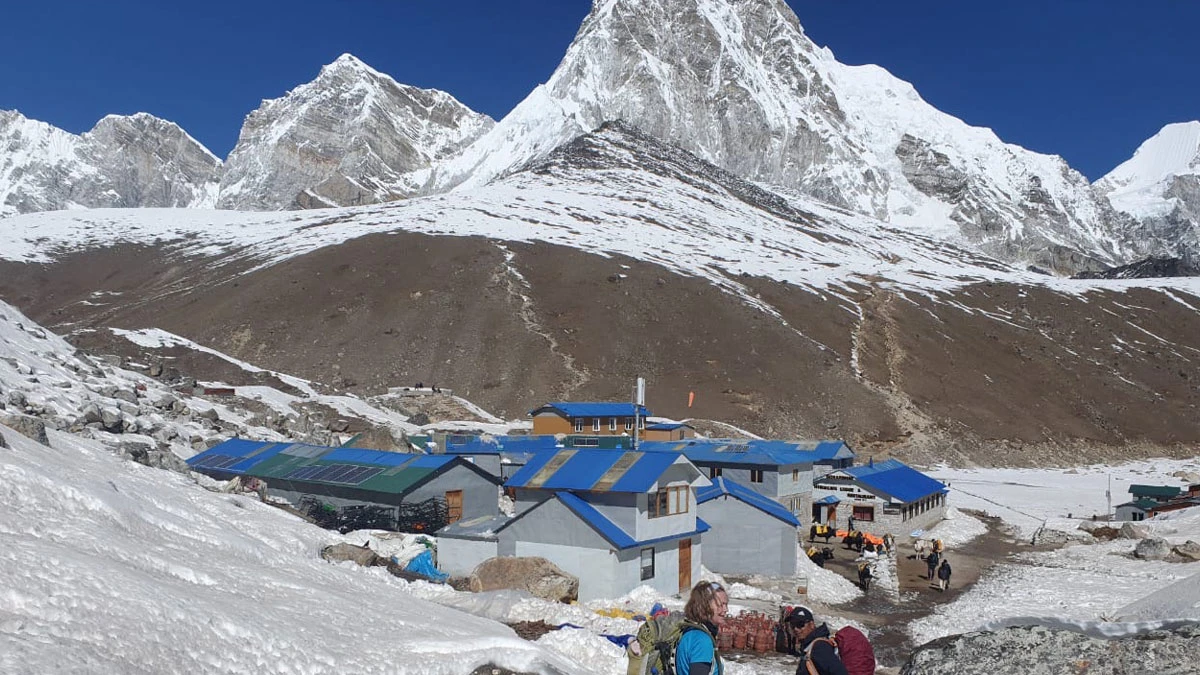
Trekking through the Sherpa villages, we share many of their hearths and enjoy their generous hospitality. Trekking in from Phaplu has the advantage of helping you to acclimatize en route. This trek is about 170km/100miles long, and the total altitude gained on the innumerable uphill portions totals 8000m - fewer than Mt. Everest! The trekking trail consists of several ascents and descents on steep and rough trails. After Namche, we follow the main trail to the base camp with all its attractions. Legendary trekking to a legendary destination - Everest Base Camp in Nepal.
Highlights
- Scenic view on the way from the Phaplu route
- Pristine terraced farmlands, Himalayan scenery, and the beautiful Dudh Koshi River
- Alpine forests, ice-cold rivers, astonishing rhododendron, and pine forests
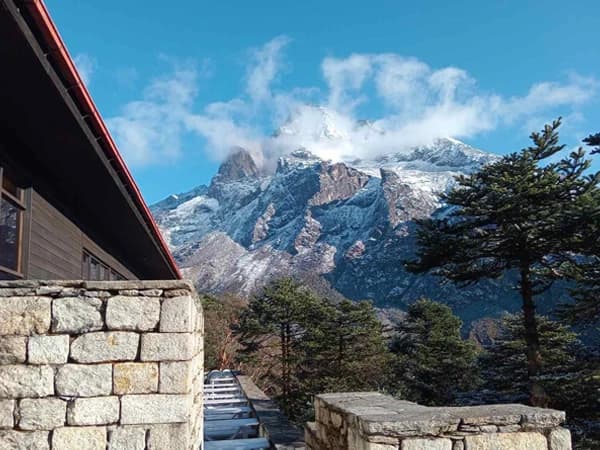
- Magnificent mountains, high passes, attractive monasteries, and meeting friendly local people
- Plentiful time to spend on the extended pastures, yak farms, glaciers, and adequate time to acclimatize en route
- Native land of the Sherpa people, their culture, lifestyle, and picturesque villages
- Stunning beauty of the Khumbu Glaciers and Khumbu Icefalls
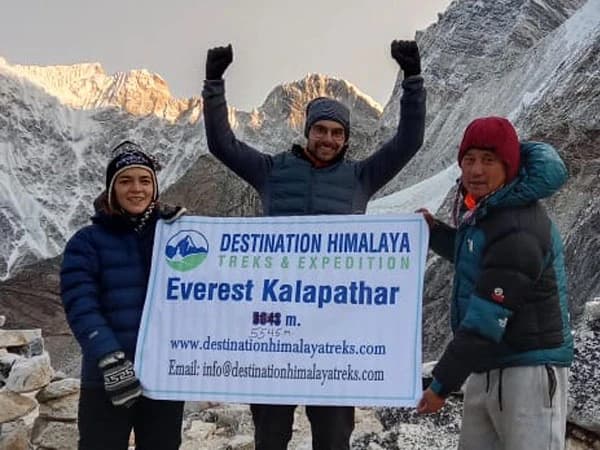
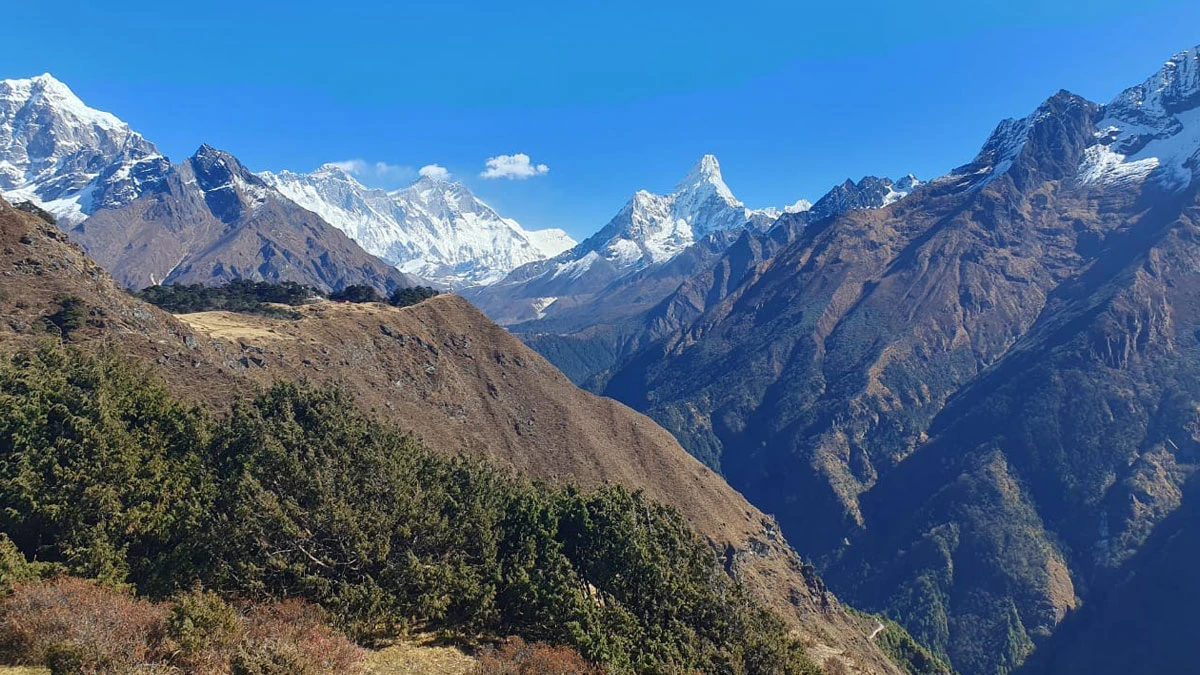
- Relish the stunning sunrise view and witness the intense panoramic mountain views of Mt. Everest, Mt. Nuptse, Mt. Lhotse, Mt. Pumori, and Mt. Ama Dablam from Kalapatthar
What is the Outline Itinerary for the Phaplu to Everest Base Camp Trek?
Day 01: Drive to Phaplu (2413m)
Day 02: Trek from Phaplu to Nunthala (2330m)
Day 03: Nunthala to Bupsa, (2070m)
Day 04: Bupsa to Cheplung, (2800m)
Day 05: Cheplung to Namche Bazaar, (3440m)
Day 06: Acclimatization in Namche Bazaar
Day 07: Namche to Tengboche, (3867m)
Day 08: Tengboche to Dingboche, (4260m)
Day 09: Dingboche to Lobuche, (4930m)
Day 10: Lobuche to Everest Base Camp (5360m) and return to Gorakshep (5170m)
Day 11: Hike to Kalapatthar (5,644 m) and back to Pheriche
Day 12: Pheriche to Namche Bazaar
Day 13: Namche to Lukla
Day 14: Lukla to Kathmandu
Phaplu to Everest Base Camp Trek Informations
Accommodation
Accommodation in the Himalayas is mostly teahouses or lodges operated by locals. They are comfortable and simple with basic facilities. Extra facilities like hot showers, Wi-Fi, charging of electronic devices, and laundry are available for an additional charge. Room sharing is common during the peak seasons and at high altitudes. So, be prepared for it. Washrooms are mostly outside the teahouse or lodge.
Meals
We provide only breakfast in Kathmandu, and 3 meals (breakfast, lunch, dinner) a day are provided during the entire trek. Meals are provided from the teahouses or lodges, which are simple but organic and healthy. Nepali Dal Bhat is a chief dish with fresh green vegetable curry. Besides, noodles, soup, bread, roti, Sherpa stew, and hot drinks are also available. You can try continental cuisine at Namche at your own expense.
Drinking Water
Drinking water in the Himalayas is pure and fresh. One can directly drink the natural freshwater stream from the Himalayas. Or fill up the boiled water in a water bottle in the teahouses, paying an extra charge. Always carry water purification solutions for proper water treatment and to be safe. Drink plenty of water and keep yourself hydrated to prevent altitude sickness.
Are Internet connectivity & Mobile Network available in Phaplu to Everest Base Camp?
Everest Link’s Wi-Fi card provides internet access all over the Everest region. So, internet connectivity is easily available and stable in the lower regions. Mobile Network is also stable in the lower regions. You can also purchase a SIM and use mobile data from it. In higher altitudes, internet connectivity and mobile network are difficult to find.
Phaplu to EBC Trek Starting Point
Phaplu is the starting point of the trek. A drive from Kathmandu to Phaplu commences. The trek officially starts from Phaplu.
Phaplu-Nunthala-Bupsa-Cheplung-Namche-Tengboche-Dingboche-Lobuche-EBC-Gorakshep-Kalapatthar-Pheriche-Lukla
Required Permits
Permits are mandatory in the Himalayas of Nepal. Our required permits are the Khumbu Pasang Lhamu Rural Entrance Permit and the Sagarmatha National Park Permit (SNP).
Khumbu permit costs NPR 3000
SNP permit costs NPR 3000 (Foreigners), NPR 1500 (SAARC)
Click here to learn more about Trekking Permits.
"Destination Himalaya Treks and Expedition Treks issues all the required permits for its clients."
Travel Insurance
Travel Insurance is quintessential in the Himalayas. It must cover all emergency evacuations, medical emergencies, luggage loss/theft, flight cancellations, altitudes above 4000m, etc. Thus, arrange travel insurance from a reputed agency as it is compulsory.
Safety and our guides
We assure you 100% when it comes to safety. Our client’s safety is our main concern. Our guides are certified and well-trained with years of expertise in this field. They are technically competent and have excelled in safety performance. They always carry essential safety equipment, gear, and first-aid kits. For the safety of our trekkers, the itinerary is properly scheduled, and acclimatization rest days are properly set up to adjust to the high altitude and prevent altitude sickness. If any queries concerning safety, feel free to share them with our guides. We are always there for your services.
Best time for Phaplu to EBC Trek
The best time to trek is the peak season for safety and to enjoy the spectacular and clear views. Spring and Autumn seasons are the best times, followed by the summer season. The winter season is risky, and only a few adventurers dare to climb. We recommend you plan carefully if you want to trek during the off-season.
Phaplu to EBC Trek Difficulty
Phaplu to EBC Trek is moderately difficult due to the long trek route, high elevations, and several ascents and descents on steep and rough trails. With the proper assistance and guidance of experts, it is achievable. When it comes to the Phaplu to EBC Trek, experience in trekking at high altitudes is a bonus. Besides this, trekkers must be in good health and physically & mentally fit as it is physically demanding. So, we recommend you participate in exercises and physical training months before starting the trek. Also, take the necessary health tests before trekking to high altitudes. You can completely trust our assistance and guidelines throughout the trekking journey.
Altitude Sickness & Acclimatization
Altitude sickness is common in mountains above an altitude of 3000m. The trek starts from Phaplu (2,413m), and the altitude rises to Kalapatthar (5,550m) during the trek. Namche is an acclimatization resting place to adjust to the altitude and prevent altitude sickness.
Symptoms of Altitude Sickness
Primary: Headache, nausea, gasping, appetite & sleep loss, dizziness, fatigue, vomiting
Extreme: primary symptoms and hallucinations & unconsciousness
Preventive Guidelines
- Immediately inform the guide
- Warm-up and body stretch before the trekking journey
- Drink water and hydrate yourself at regular intervals
- Frequent urination throughout the journey
- Ascend slowly and gradually
- Take plenty of rest and sleep
- Avoid salty foods, alcohol, and smoking
- Descend immediately when it’s difficult/uneasy
- Take medicine, consulting a guide
What equipment is required for the Phaplu EBC Trek?
- Shoes: Trekking shoes, Rubber sandals, or flip-flops, spikes
- Clothes: Windcheater jacket, Thermals, Down Jacket, Base Layers, Fleece, Long sleeve shirts, Gloves, Towels, Inner garments, Trekking pants, Trousers, Shorts, Socks
- Accessories: Sunglasses, Ski Goggles, Hats/Caps, Beanie, Sunscreen, Lip Balm, Head Lamp, Pocket Knife, Personal Hygiene &Toiletries
- Travel Bag: Duffel bag (Duffel bag), a day pack, and a pack cover
- Medicine Kit: Wash Kit, First-Aid Kit, Blister Repair Kit, Medicines for preventing Altitude sickness, Prescribed Medicines (Personal use)
- Extras: Heat/Leak proof water bottles, Water Purifying solution (Iodine based), Water filters, Insulated cup/flask, Map, Binoculars, Travel Documents, Sewing kit, Cash, Extra batteries, Power bank, Pen, Diary, Book, Reusable (spoon, cup, plate), Reusable bags, Large Waterproof Disposable Bags, Snacks (Choco-bars, Mints, Nuts, Granola Bars)
- Note: Customize and rent the above list as a necessity.