Is the Annapurna Circuit Trek without a guide possible in 2026?
No, solo trekking to the Annapurna Circuit without a guide is still prohibited till 2026, and you must hire an experienced licensed trekking guide to the trail, via a registered local travel agency. Since 2023, Nepal Tourism Board and TAAN (Trekkers Association Agency of Nepal) have clearly published the official regulations stating that the required trekking permits, TIMS Card (Trekkers Information Management System Card) and ACAP (Annapurna Conservation Area Permit) must be handled by the authorised agencies.
Even though, unlike other restricted trails, it doesn't possess the law, of that, you must have at least 2 hikers in a group, excluding the guide and porter. Still, the guide rules have been mandated by the law, to acquire these permits, which apply not only to solo hikers, but also to group hikers.
As of late 2025, many trekkers tried to opt for the unguided trip without issues, where many trekkers had to return from the checkpoints, as it enforces the law strictly, and even those who had skipped the checkpoints, and found later on, they will be charged an extra fee for abiding by the rules.
While these kinds of rules of banning the independent trek might be frustrating for some lone walkers and experienced trekkers, please take note that it is for the safety, feasibility and easy navigation, for your own good. Unguided hiking can be troublesome, as the trail is not so well marked, which minimises the possibility of getting lost, with massive altitude gain and attaining the highest at 5416 m, which raises the risk of altitude sickness and most importantly, the terrain is remote, having no quick medical access, health posts, so, if in case any uncertainty occurs, then, the guides become your quick medical respodant.
Hiking along with the guide provides safe navigation, rich cultural insights, and acclimatisation guidance, as well as immediate medical help, as they are medically trained, experienced and equipped, which highly contributes to your successful climb to the high mountain pass - Thorang La
Why solo trekking is strictly banned to date: Major Reasons
- For the safe navigation through non-marked trails, which prevents the hikers from getting lost, or being completely zoned out and confused at such isolated trailheads.
- As there are no hospitals and only some health posts, at some points, trekking along with the guide assists, for the immediate medical responds such as altitude sickness, injuries, or medical problems.
- Guided trekking means getting permits legally, where your in and out dates will be kept on track, so in case any unfortunate situations occur, it saves government time for the rescue operations, and also, you will be evacuated immediately.
- Preserves the nature, and himalayan flora and fauna, in its pristine conditions.
- Limits the footprints and maintains the perks of the off-beaten remote trails, due to certain rules and regulations.
- Promotes the economy of the locals, who run tea houses/lodges along the route, and continues to support their daily activities.
- Creates higher job rates of 10,000 + jobs for the licensed trekking guides and porters.
- Discourages the unauthorised trekking system and provides social security to the locals.
- Supports sustainable tourism, ecological awareness, and community building.
Why choose a solo adventure to the Annapurna Circuit?
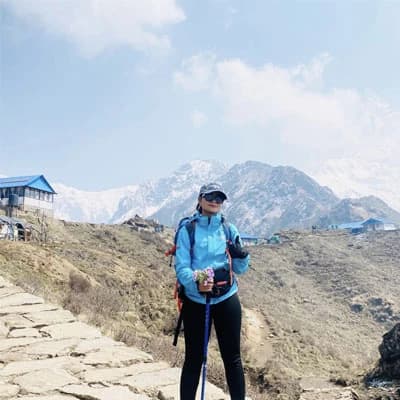
Hiking beneath the Himalayas is a special experience because all you hear is your own voice and the sound of your footsteps. Only travellers on the Annapurna Circuit get to enjoy the sights and learn more about themselves. There won’t be any distractions from your companions, so you’ll take in all the small details, like the snow-touched peaks outlined by the sunrise, warm smiles from the locals, and only the movement of prayer flags along the peaceful trails.
As a solo traveller, you get to decide everything; you can rise early to enjoy the sunrise or spend more time somewhere enchanting. You will dictate your own training, explore your limits as you wish and appreciate achievements that no one else has accomplished. You don’t have to stress about feeling lonely, as you’ll see many fellow trekkers at the teahouses every night and can easily become friends. The circuit serves as a time for many solo travellers to clear their minds. Spending each day in nature, hiking and breathing the pure air, gives you a new understanding you may not get in the city. Annapurna Circuit Solo Trek will help you build a stronger bond with the world and yourself, and you will be returning with great pictures to share.
Here are the major advantages that you get while travelling solo, rather than opting for a group adventure, along with the assistance of the guide:
- Freedom to choose your own route, personal customisation that matches your pace level and experiences.
- Get to connect and interact with the local Tibetan communities, such as Magar, Thakali, Manange, Rai, and also celebrate their festivals, and gain insight into their lifestyle.
- Budget the trip, as per your cost estimation, without having to be influenced by others - Easy to tip guides as you want as well.
- No strict routines, such as starting the trip at rush hour along with a group and trying to match the pace of the fellow group hikers.
- Chance to explore more out of the highlighted spots, without any limitations.
- Easy Pace with private guidance of the trekking guide, especially while crossing the Thorong La Pass, emphasises more safety and a higher success rate.
- Get to choose, side trips, and acclimatisation hikes, as you want, at certain points, like during acclimatisation day at Manang; you get options of exploring Ice Lake, Gangapurna Lake, or visiting the Lama Cave.
- Unveil the self-discovery, challenge yourself to reach greater heights all alone, and feel the serenity of the Himalayan wonders.
(And what better way to have things organised so that you can travel with ease? Well, Destination Himalayan Treks and Expedition arranges private solo adventures, making things easier for your solo adventure.)
Documentation and Permits for Solo Travellers
No matter whether you go for a solo adventure to the Annapurna Round Trail, or just choose hiking along the group, the required permits remain the same, which are the ACAP and TIMS permits, which are handled by the agency itself.
- Annapurna Conservation Area Permit (ACAP): NPR 3,000 (approximately USD 27) for foreigners. NPR 2000 (approximately USD 18)for SAARC countries.
- Trekkers’ Information Management System (TIMS) Card: NPR 2,000 (approximately USD 18) for foreigners. For SAARC nationals, NPR 600.
You can organise these permits with trekking agencies in Kathmandu and Pokhara or at the Nepal Tourism Board’s offices in person. Remember to take your passport, passport-sized photos (you may need two or four, depending on the season) and cash for paying the fees. During the busy seasons (October-November and March-April), be prepared for some widespread crowds and extra time at the permit office. It is a good idea to bring extra documents with you as a solo traveller. Stick or put photocopies of your passport, permits, insurance, and contact list in various spots during your trip. It’s a good idea to hand over paper copies to someone back home and send yourself the documents via email.
Always have the insurance information, along with emergency contact numbers, near you during your trek. Usually, you can’t check your phone in most teahouses, but in case of emergency, they know what to do. Make sure your documents are tidy, as this will help you feel confident and get through all the points along your great trekking adventure.
Let Destination Himalaya Treks handle all your Annapurna Circuit permits seamlessly. Contact us today for hassle-free arrangements!
Suggested Itinerary for Solo Trekkers 2026
Mentioned is the itinerary outline for solo trekkers or anyone, which entails a gradual ascent, a safe and moderate hiking pace, that minimises the risk of altitude sickness, and rather takes a gradual ascent, matching the pace of any kind of trekkers, that lasts for 12 days from and to Kathmandu.
Day 01: Kathmandu to Dharapani
On this day, you will leave Kathmandu and arrive at the start of your wonderful trek. Roughly 200 km must be covered; this takes between 8 and 9 hours by bus or 6 and 7 hours by jeep. Beginning on well-paved roads, the road quickly becomes uneven when you start going up mountains. The path from Kathmandu, at 1,324 meters, brings you to Dharapani at 1,860 meters.
Day 02: Dharapani to Chame
It takes around 5 to 6 hours to walk the 15-kilometre stretch from Dharapani to Chame. You will gradually climb more than 770 meters during your hike. The headquarters of the Manang district is in Chame. Along the walk, you will enjoy views of the river and see some small villages surrounded by forest.
Day 03: Chame to Upper Pisang
The journey today begins at Chame (2,630m), stops in Upper Pisang (3,300m) and covers approximately 14 km over 5-6 hours. The trail rises by 670 meters. From the beginning, hikers go up through a thick forest and then pass over high rock cliffs. At Lower Pisang, head left to Upper Pisang to see the most amazing mountain vistas!
Day 04: Upper Pisang to Manang
You’re about to experience one of the most beautiful days. You will hike from Upper Pisang (3,300m) to Manang (3,519m), which will take you about 6-7 hours to cover the 16 km. The climb is gentle, and you’ll rise to 219 meters in height over the walk. The road moves past old mani walls and leads to nice, wide views in the valleys.
Day 05: Acclimatisation Day at Manang
There will be no hiking today. Your body needs this day of rest at Manang (3,519m) to adapt well to the altitude. Most people should allow around 2 hours for Gangapurna Lake or 5 hours for Ice Lake as their hiking destination. You can visit both sights without adding any hiking distance to what you’ve already done.
Day 06: Manang to Yak Kharka
Emerging from Manang (3,519m), you will trek 9 km through Yak Kharka (4,050m) in 4-5 hours. There is a dramatic change ahead today as you move from forested land up into the high alpine area, where you will gain 531 meters. There are just a few teahouses in the small settlement of Yak Kharka.
Day 07: Trek to Thorung Phedi or Thorung High Camp from Yak Kharka
Today the itinerary is shorter but tougher, up to either Thorung Phedi (4,525m) or High Camp (4,880m), starting from Yak Kharka (4,050m). From Phedi is about 6 km with a 3-4 hour trip, and to add High Camp, you need to hike 2 km and another 1-2 hours. An ascent of 475 m is required to Phedi and 830 m to reach the High Camp. The altitude here is very serious! The route crosses sections that are likely to slide during monsoons, and a suspension bridge is built over the Kone Khola river.
Day 08: Trek from High Camp to Muktinath Temple via Thorong La Pass
Today is the day you’ve waited for! You’ll begin at 4-5 am from High Camp or Thorung Phedi (4,880m) and complete the trek to Muktinath (3,800m) by walking through the Thorong La Pass (5,416m). It takes 7-9 hours to complete the challenging day’s hike, which spans 15 km. The trail takes you uphill in the darkness with headlamps and reaches the pass after climbing 536 meters over High Camp. Then, the descent down to Muktinath is a huge 1,616 meters (5,302 ft).
Day 09: Drive from Muktinath to Tatopani via Jomsom
It's time to give those legs a break! Today you’ll have to drive around 80 km from Muktinath (which is 3,800m above sea level) to Tatopani (which is only 1,180m above sea level) in approximately 5-6 hours, and you descend 2,620 meters through the world’s deepest gorges. Once you’ve completed a hard day of hiking, the nearby Tatopani hot springs will be very welcome.
Day 10: Trek from Tatopani to Ghorepani
Let’s get back to our journey! It is a 17 km (6-7 hours) hike from Tatopani, at 1,180m, to Ghorepani at 2,860m. You will gain 1,680 meters by walking through the park’s beautiful rhododendron and oak woods. You begin your walk over the Kali Gandaki River, and afterwards, you hike straight up using steps cut into the side of the hill.
Day 11: Early Morning Trek to Ghorepani Poonhill and Drive to Pokhara
It’s time for another early morning today. You’ll have to leave at 4:30 am from Ghorepani (2,860m) to Poon Hill (3,210m) to watch the sunrise, and in 45 minutes, this climb covers just under 1.5 km and elevates you 350 meters. Poonhill is well known for having one of the finest views in the world. The trail then goes down to Nayapul, where you will take a 42 km car journey (1.5 hours) to reach Pokhara, which is 827 meters above sea level.
Day 12: Drive to Kathmandu from Pokhara by tourist bus
Today is your final day in Pokhara, and you are headed back to Kathmandu. You will travel a distance of 200 km on the tourist bus, and it will take you around 7-8 hours. Most of the drive through the middle hills passes by rivers, through terraced land and reaches small towns. As you return to Kathmandu’s valley, you’ll climb about 497 meters.
For those who are short on time, they can consider opting for the Annapurna Circuit Short Trek of 10 days, which is highly suggested for time-limited hikers who have some prior experience.
Side Trips to add on: Best Combined Routes
Although the Annapurna Circuit private trip is great on its own, including a few extra stops can make your experience even better! Detours help you see parts of Asia that are hardly explored, so you’ll enjoy nature, old cultures and amazing scenery. When taking these extensions, solo travellers get to isolate themselves from the main group yet remain safe to travel by themselves. As they take more time, put some extra days into your schedule ahead of your trip. Let’s take a look at some fantastic side trips that make your Annapurna journey even better!
- Annapurna Circuit and Manaslu Circuit Trek: Trekking in the Manaslu region, in addition to the Annapurna Circuit, lets you enjoy two incredible adventures at once. The route proceeds around Mount Manaslu Circuit, the world’s eighth-highest mountain, and later joins the main Annapurna Circuit. The scenery here is far less crowded, with old Buddhist villages perched along the hills and white prayer flags flying nearly everywhere. It is good to set aside an additional 7-10 days, since they are not strictly solo travels; you can find partners in Kathmandu teahouses or on web forums. You will enjoy the best views of ice-topped peaks at the Larkya La Pass on this exciting hike.
- Annapurna Circuit Trail with Nar Phu Valley: In the Annapurna Circuit Trek with Nar Phu Valley, hikers cross over two high mountain passes that are Kang La and Mesokanto La, and this counts as wilderness trekking. In 2002, trekkers were allowed to enter this restricted area, and it branches away from the main Annapurna Circuit close to Koto (after the village of Chame). Getting a special permit and trekking requires an additional 4-5 days on your hike.
- Annapurna Circuit Trek with Tilicho Lake: The Annapurna Circuit Trek is combined with the trek to Tilicho Lake, the highest lake in the world at 4919 meters. The route involves going over two high passes: Thorong La Pass and Kang La Pass. Trekkers get a chance to tour remote villages, Tibetan Buddhist culture, deep gorges, and breathtaking mountain views. The detour branches off from the main circuit at Manang and adds 2-3 days to your trek.
Cost Comparison: Guided Vs Independent Trekking
Overall, the budget plays a crucial aspect, while selecting your adventure plan, whether to go for a guided trip or an unguided trip, so that you get to know the pricing differences that each has, and choose one ideally. However, take note that only guided trips are possible, as the solo adventure is no longer allowed in 2026:
Guided Vs Unguided Updated Cost 2026
| Factors |
Guided Cost (2026) |
Independent Cost (2026) |
| Package Cost |
US $ 699 to US $ 999 per day (12-day trek with Destination Himalaya Treks and Expedition) |
US $ 1200 to US $ 1500 per head, as you might go over the budget due to no experience and last-minute booking at the tea house, transportation, and extra fare for beverages or snacks en route |
| Included Services |
Trekking Permits, Arrangements of paperwork, food, Accommodations, Licensed Guide, Porter, Transportation Facilities, and hotels in Kathmandu, extra complimentary services |
Just the inclusion of the services that you book along the trail |
|
Excluded Services
|
Extra Beverages, Tips for Guide and Porter, Personal Essentials, Gears |
Extra fare for foods, tea houses, etc. |
| Trekking Permits |
ACAP and TIMS Card arranged by local travel agency (us) |
You won't get on your own |
| Safety and Support |
Licensed Trekking Guide support who are medically experienced and trained |
None |
| Personal Expenses |
Somewhere between USD 80 and USD 100, for the tipping guide |
Everything |
| Which is Expensive? |
More budget-friendly and well-managed |
Non-estimated |
Guided treks come with porter support to ease your backpack burden, plus essential high-altitude insurance covering helicopter rescues, crucial protection for challenging sections like Thorong La Pass. Spots for guided trips book quickly during peak spring and fall seasons, so reserve your guide early to lock in availability and sidestep surge pricing.
How to Prepare Physically and Mentally for a Solo Adventure?
- Your core muscles (stomach and lower back) help maintain your balance on uneven trails. Join the world of planks, side planks, and bird-dogs to strengthen your core. Then practice walking with your actual trekking backpack.
- Good cardiovascular work improves your body's efficiency in putting oxygen to work. Jogging, swimming, or cycling for 20 to 30 minutes four times weekly should serve that purpose well for your heart and lungs.
- Developing mental strength will come from a gradual pushing of your limits during training. Set small goals for yourself and stick to them: Go a little farther than you feel comfortable or take on a hill steeper than usual.
- Downhill walking should be included in your training. Search for hills in your area and practice walking down them with control. Exercises to strengthen your knees and techniques for walking downhill might help avoid pain on the trek.
- Try long walks before your trip. Start with thirty minutes and slowly increase your time until you are comfortable walking for three to four hours with short breaks.
- take care of themselves in emergencies. If you have a simple medical kit and know its use, you can feel more confident walking through less-visited trails.
- Get to know the route very closely and become aware of how much elevation changes each day. If you recognise the difficulties ahead, you are less likely to feel mentally tired because of surprises. Daily, write down your mileage and interesting spots from the trek that encouraged you.
- Devote ten minutes each day to deep breathing exercises and meditation to remain composed when hiking becomes challenging.
- Speak with individuals who completed this trek previously. Listening to their experiences will boost your confidence because of their knowledge.
- Keep a positive mindset and trust yourself. When you feel demotivated or like giving up, use the deep breathing and visualisation technique to push you ahead.
Best Time: Which Season Suits Solo Hikers?
Hey, one thing is for sure: timing is very important when you’re trekking the Annapurna Circuit by yourself. Even small weather changes can make your hike very different, from the things you see to how safe you can be. Solo hikers should aim to choose a time when there are other trekkers around, yet there’s still solitude. Most choose to trek the Annapurna region in spring and autumn because the cool climate and stunning views help a lot. In winter and monsoon, you may face trouble trekking due to cold temperatures, snow, and a lot of rain. Which time of the year will you enjoy the most for solo travel? Let's take a look!
Spring (March to May)
Spring makes the Annapurna Circuit shine with beautiful colours. Red, white, and pink rhododendrons bloom everywhere, allowing wonderful pathways through the lower parts of the forests. It’s a pleasure to find clear morning views that peek into the beautiful alpine scenery. Being a solo traveller, you will often come across other trekkers, but not many enough to get in the way of your adventure. It’s easy to walk on the trails since they are dry, and the warmth makes hiking all day simple. Because it’s not very hot, you can travel with less baggage. Also, with so much light, you can enjoy more time discovering villages as you go. Yup, you can take your sweet time! The best part is! You can complete the Annapurna Circuit Trek in 10 days, if you are opting for spring, as the trailhead is easier to navigate.
Autumn (September to November)
Do you know why autumn is thought by most to be the best season for a trek on the Annapurna Circuit? Well, the sky becomes completely clear after monsoons, giving us an amazing chance to see the mountains well. There are warm days and cool nights, which make hiking the ideal activity. Additionally, there is never rain or snow, making the trails safe and simple to use. Because the routes are often crowded with similar travellers, you’ll feel secure on your own and enjoy sharing moments with others during the teahouse stops.
You can enjoy the Dashain and Tihar festivals in the mountain villages, adding a cultural charm to your journey. Also, the harvest season brings golden crops that are seen in the terraced farms, while locals celebrate with music and dance. It will be quite an experience to be a part of such a celebration in the mountains, don't you agree?
Avoid Winter and Monsoon
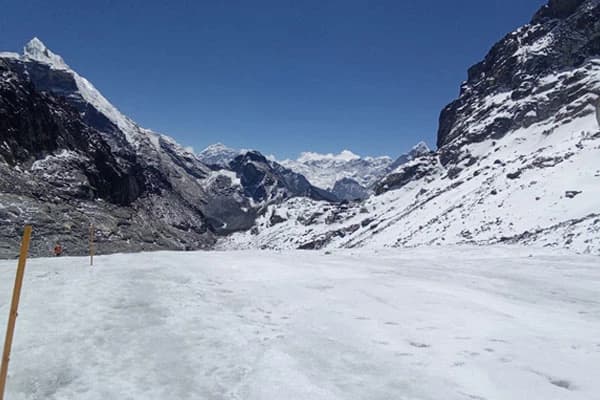
Hey there, solo traveller, if you are setting out for the Annapurna Circuit Trekking journey, listen to this first. Winter (December to February) is very cold on the Annapurna Circuit, with temperatures becoming very low as you climb. With a lot of snow, it becomes risky for lone adventurers to cross high passes such as Thorong La (5,416m). In remote places, it’s possible to find fewer teahouses, so fewer places to stay might be available. During the monsoon season, which runs from June to August, trail surfaces become slippery because of heavy daily rainfall.
You will find loads of leeches toward the lower parts of the region, but there is a high risk of landslides and flooding as well. Mountain views from the trek are usually hidden by the thick clouds and fog. Having fewer people out with you in these seasons can mean there is less backup for sudden emergencies. Because of all this, it is generally unwise for solo trekkers to prefer winter or the monsoon for enjoying the Annapurna Circuit.
Things to Consider for Annapurna Circuit Solo Trek
Being on your own, you decide your schedule, and can stop regularly to sightsee and appreciate the quiet surroundings. Still, you need to organise things a bit more when going solo.
Budgeting
Let’s talk about money for a moment, friend. Travelling independently along the Annapurna Circuit doesn’t have to break the bank. A small daily budget of USD 20-30 should provide your bed, breakfast, lunch and dinner, as well as plenty of hot drinks. The majority of the spending is done before you start hiking. Buying the trekking permit called the TIMS card will cost around USD 2,0 and the Annapurna Conservation Area Permit will cost you USD 30. It’s easy to buy them in Kathmandu or Pokhara. Carrying some cash on the side makes sense. Have you ever wanted to treat yourself to a hot shower in the morning (USD 2-3) or a tasty chocolate bar (USD 3-5)? Yup, it’s important to save some money for the occasional treat. As you trek higher, costs for lodging and food increase. It’s because both people and donkeys are needed to move loads up such difficult slopes. The same bottle of water that costs just 50 cents at home can cost USD 3 when you get near the Thorong La Pass.
Also, put a little extra cash aside just in case! You never can be sure when you need to spend money on a jeep or medical supplies. Don’t forget that you won’t find any ATMs beyond Besishahar.
Logistics
Setting up your plans, paperwork, accommodation, and transport for a solo Annapurna Circuit Trek can be difficult, though it is possible. We can do this one step at a time. At first, the main focus is on getting to the country of Nepal. You will arrive in Kathmandu, and when you’re done sightseeing, take a bus to Besishahar, where most people begin the trek. You can use these buses for only USD 10, but expect the ride to be packed and rough. Some people opt to hire a jeep instead (around USD 80-100), which is quicker but comes at a higher cost.
Permits should be obtained either at the Nepal Tourism Board office in Kathmandu or at the one in Pokhara. You can visit the embassy from 10 am to 4 pm, and don’t forget to bring your passport and a few passport photos. You'll finish the whole process in less than an hour - it's very simple.
It’s very important to pack smart when on your own. Because you will handle all your belongings, aim to keep your pack light. It’s essential to bring a sleeping bag (though teahouses give beds), plenty of clothes for changing weather, a headlamp (there are quite a few power cuts) and basic medical supplies. And bring a power bank too, since some places to charge are barely reliable. Being able to express yourself helps a lot when you’re by yourself. You can obtain a Nepali SIM card in Kathmandu (either NCell or NTC, USD 10 includes initial data). Unfortunately, the signal isn’t great up here, but it’s certainly better than nothing. Share your travel plans with someone and make sure to contact them frequently.
And don't worry, you won’t get lost, because both signs and footsteps everywhere keep you on track. Every day, talk to the owners of the teahouses to find out about the conditions ahead. Solo doesn’t have to mean spending time alone if you don’t want it to. Other trekkers will be near you throughout and many enter into small groups for parts of the path.
(To make things easier for you, our DHT team will manage all your logistics and major expenses in the whole trek package.)
Packing Recommendations
- Instead of packing large items, try bundling your clothes. Include a warm base layer, a mid-layer of fleece and a waterproof/windproof outer jacket in your clothes.
- Well-detailed maps and a compass are both important, even if your phone has a GPS. There are times when technology doesn’t work, batteries run out, and phones break. It is very important to have alternative navigation with you when you are travelling by yourself.
- Be sure to collect medicine, toilet paper, wet wipes, hand sanitizer and personal care essentials and make a kit. You will not find toilet paper available in most teahouses.
- Choose waterproof trekking boots that provide high ankle support for your trek. Start wearing your boots at home for two or three weeks in advance so they break in properly.
- Layers of cold-weather clothing should include thermal underwear along with hiking pants and a fleece jacket, but you will need a down jacket and outer waterproof layer too.
- You need a sleeping bag rated below -10°C (14°F) as the blankets in teahouses do not provide adequate protection from the cold in winter months
- Carry a 2-3 litre capacity drinking water bottle and keep water purification tablets, or purchase a filter for your water before your journey.
- Always carry your headlamp and some extra batteries when you are out hiking. Power outages happen frequently, and you could need the bathroom in the middle of the night.
- It’s important to have plenty of Nepali rupees with you when trekking on the circuit. You will not find any ATMs after you cross Besishahar. Put your cash in various places in your backpack so it is safe. On average, you’ll need to spend about 3000-4000 rupees (USD 25-35) each day to get by.
- Bring a power bank so you can charge your phone, camera and similar devices. Power isn’t always available when you stop, and a few teahouses make you pay for electricity. Your trek can be covered by a 20,000mAh power bank as long as you take care of it.
- Copies of your passport, any required permits, your insurance details and the contacts of friends or relatives you trust. Keep these apart from your official documents. These extra files might end up being very helpful in case what you have is lost or disappears.
Navigate With Maps, Apps, and Board Sign
Even when hiking the Annapurna Circuit by yourself, it's relatively easy to navigate. Most of the main route is clearly indicated by signs covered in red and white stripes. Villages usually have large signs made of wood that explain your location and the distance to the nearby stop. Between GPS and Google Maps, paper maps are still an important part of your adventure, so keep the ACAP map on hand during your trek. All of the major paths, villages and important places are clearly labeled. On top of that, maps can’t run out of power since they’re on paper, not devices.
For those with smartphones, apps such as Maps.me and AllTrails help a lot while trekking in the mountains. Before leaving for trekking, download the necessary maps in Kathmandu, because they will work even without a signal in the mountains. A lot of experienced trekkers rely on these applications to guide them. Nevertheless, finding the trail can be difficult when it is misty and even trails can change suddenly after landslides. Trail markers can end up hidden underneath the snow at the top sections of Thorong La Pass.
If you want complete peace of mind, working with a superior guide is especially helpful for solo tourists. An experienced guide gives you the fastest routes, communicates in the local language, is aware of the climate and makes your trip more secure. They also tell great stories and reveal cultural facts you’d probably never find out otherwise.
Practical Safety Tips for the Solo Annapurna Circuit Trek 2026
- Hike as fast or slowly as you like. Make sure not to hurry yourself or overdo it with your efforts. When you feel tired, take a short break to rest. Getting too excited can result in accidents or nausea at high altitudes.
- Let other people know your plans. Before you leave each morning, give your teahouse owner the details of your destination. Talk to a person who can stay informed and possibly get help if they don’t receive a message from you.
- Make sure you have someone with you if you are hiking in poor weather. If severe weather is keeping you in the dark, stay safe indoors for now or group up with friends to tackle the problems together. Harsh weather can make an ordinary trail risky very fast.
- Drink a minimum of 3-4 litres of water daily throughout your trekking journey. Walking uphill with little humidity while sweating rapidly leads to quick water depletion.
- Using trekking poles serves to minimise knee stress when you descend steep slopes. Trekking poles work as stability aids while hiking through dangerous and wet trail sections.
- Report any headache, dizziness or stomach sickness immediately because these are warning signs of altitude sickness. If any of these symptoms appear, it’s time to stop ascending! Go down at least 500 meters as soon as you can. Altitude sickness can claim a life if not given proper attention.
- Try to stay on the major trails. It’s fun to check things out off the main path, but without someone there to guide you, it may quickly turn into a serious problem. It is easy to find the main trail, which runs through villages where assistance is available.
- While meeting people, make friends, but always trust your instincts with them. Most people you meet in the Himalayas are really nice, but being alone on your trip means you should still take precautions. Keep your room key to yourself and hide your cash even if you are nearby.
- Keep a careful eye on your path all the time! See the path, as much as you see the mountains. Paying attention to something else, like the sights, is often when injuries happen. It matters a lot more when you are navigating streams or thin paths with features that drop off to the side.
- Before exploring at any time, always carry a whistle and a small flashlight. If you are stranded or hurt as night approaches, these small tools can help others locate you. Three short whistles are the distress signal used everywhere in the mountains.
FAQs (Most Asked Questions)
Is it safe to trek the Annapurna Circuit solo?
Solo trekkers are usually safe while exploring the Annapurna Circuit! It is easy to find your way on the trail, thanks to its high traffic. You’ll likely encounter other hikers often, and the teahouses provide a safe atmosphere for a good night’s sleep. The greatest risks for climbers come from nature, not from other people, and include problems like altitude sickness, weather shifts and landslides. Walk slowly and suitably for your comfort, share your day’s end with each teahouse owner and bring a small first-aid kit.
How to stay connected on the trail?
Staying in contact won’t be difficult on the route. Before travelling, you should get yourself a local SIM card (from NCell or NTC) in Kathmandu. Most villages along the trail provide good reception, but it often fails as you rise to higher elevations. Almost all teahouses provide WiFi for a small cost (usually USD 2-5), but it’s usually slow and not very reliable. Remember, power isn't reliable at higher places such as Thorong Phedi and High Camp, so schedule significant calls for your base in Manang or Muktinath. Don’t worry, we've got a satellite phone to use in case of emergency.
Is it required to hire a guide?
You can do the Annapurna Circuit without hiring a guide. You won’t lose your way on the trail, since it has red and white stripes on rocks and trees and clear signs at all junctions. Lots of people manage the trek on their own, without a guide, every year. However, a great guide helps with culture, takes care of practical details, speaks the local language, identifies wildlife and ensures your safety. If you believe in your abilities and can read a map, hiking without a guide is safe!
How challenging is the Annapurna Circuit Trek for solo hikers?
Solo hiking to the Annapurna Circuit isn’t extremely hard, but it is not easy either. The main problem is the altitude, but once you take a rest days you are ready to continue. You'll end up walking up to 7 hours a day, climbing about 500-800 meters, which can be tackled by anyone reasonably fit. The path is marked with stone steps and mostly remains well-marked. Crossing over Thorong La Pass (5,416m) is the hardest, but it is not very difficult. Hiking alone means you choose your own speed, you get more chances to rest, and you can take a look at the scenery anytime!
Is the Annapurna Circuit better than the Annapurna Base Camp?
Well, both are simply distinct types of adventure and so cannot be judged as “better” than each other. You will need at least 12 up to 18 days for the Annapurna Circuit, which is a complete loop around the mountains. You’ll travel through many different landforms and cultures, going from forests in the tropics to high plateaus. ABC trekkers travel for much less time (7-10 days) and walk up and back on the same path through the mountaintops. On the Circuit, a high and tough climb offers a challenge, but ABC gives you spectacular sights in a mountain setting. If you follow Circuit, you’ll get a chance to visit traditional villages, whereas choosing ABC means more time in nature and lovely mountain views.
What is the highest point of Thorong La Pass?
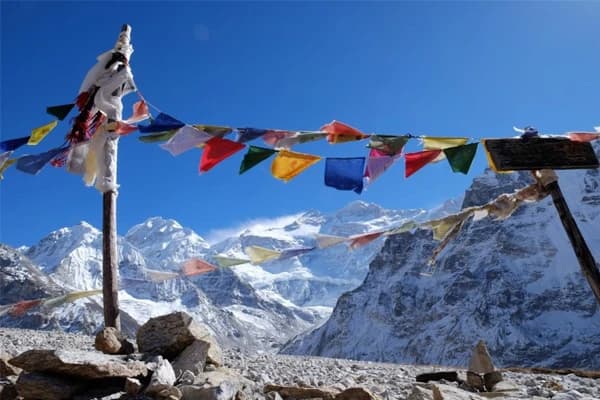
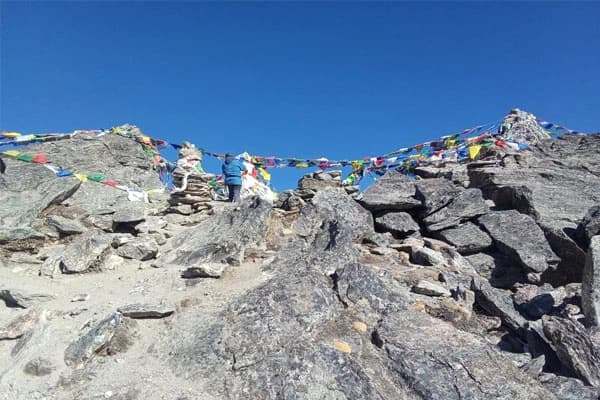
Thorong La Pass is 5,416 meters (17,769 feet). Very high! For this reason, the pass is considered one of the world’s best high trekking options without needing advanced climbing equipment. The pass is decorated with colored prayer flags and also provides a little teahouse where you can enjoy some hot drinks. The scenery is spectacular from up here because you can see the Annapurna range in one direction and the dry Mustang region in the other.
How challenging is it to cross the Thorong La Pass for solo trekkers?
Although Thorong La Pass is the hardest day on the Annapurna Circuit, it doesn’t require many technical skills. Breathing gets very tough at high altitude (5,416m). Many people aim to hit the trail early (often at 4 am) to complete the climb before the afternoon winds blow. To reach the top, you will travel for about 3 to 4 hours, going steadily up switchback trails over rocks from High Camp. The final stretch seems to go on and on because the air is becoming scarcer! After the party at the summit, it’s another 3-4 hours down the tough 1,600-meter descent to Muktinath. It’s very important to stay in Manang for two nights and Yak Kharka for one night before you try to cross the pass. The encouraging side of things? Being determined is all you need, not climbing expertise.
Alternative Treks in the Annapurna region: If you are a beginner, but want to explore the best of the Annapurna region, then you can opt for other treks located within this territory, such as Mardi Himal Trek,Poon Hill Trek and Annapurna Base Camp Trek.
Conclusion: Final Words
So, if you are still thinking "Can I trek Annapurna Circuit without a guide?", then the generic answer is NO! as the government has clearly stated that the trekkers must hire a licensed trekking guide, via a travel agency, and cannot trek independently. Although, this might come as a disappoinment and a unapproval, for the solo trekkers, or the ones, who seek more soltitude, and those who always seek challenges, still, it is important to remember that hiking along the guide, gives an immense support for the safe naviagtion, great cultural highlights, and acts as a quick medical respodant, as they are medically trained, experienced and equipped.
We at Destination Himalaya Treks, we provide guided improvisation trails along the Annapurna iconic classic trail with a licensed trekking guide who is experienced for more than 12+ years, medically trained and equipped, to assist your adventure, and make a hassle-free odyssey. More for info, feel free to reach out to us at [email protected], or WhatsApp at +977 9851016814, or give a direct call.