langtang gosainkunda trek cost
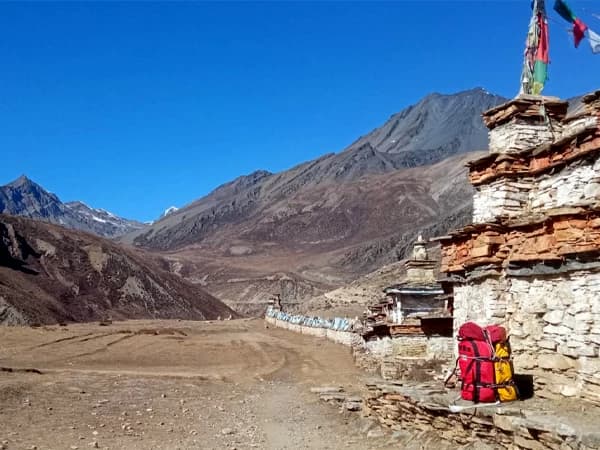
langtang village
gosaikunda lake

Langtang Gosaikunda Trek - 13 days

314 reviews in TripAdvisor
27 reviews in Google Reviews
Recommended by 99% of travelers
Duration13 Days
Trip GradeModerate
Maximum Altitude4,610m/15,121ft
ActivitiesTrekking
Group SizeAny
StartsKathmandu
EndsKathmandu
Best TimeSpring and Autumn season

Explore the motivational Langtang village and spiritual Kyanjin Gompa, and gain insight into the cultural and religious significance of the Gosaikunda Lake at 3640 m, and cross the Laurebina Pass (4165 meters) by opting for our 13-day Langtang Gosaikunda Trek package. 

This trip takes you to remote hamlets of Tamang, Sherpa and Yolmo communities that sit within the Langtang region, offering a wild off-beaten trail adventure reaching the highest elevation of Tsergo Ri at 4984 meters, and stands out to be perfect for beginners, being well customised by professional expert teams.

Langtang Gosaikunda Lauribina Pass Trek Overview:

The Langtang Gosainkunda Trekking is a perfect fusion of adventure, culture, and heavenly insights into the rich biodiversity and ecosystem, which unveils the preserved beauty of Nepal's first Himalayan national park - Langtang National Park. Pass through the dense woodland of the thriving red rhododendrons, with an insight into rare fauna, Tibetan villages, heavenly glaciers, waterfalls, roaring rivers, and the iconic panorama of the Langtang range, along with other highest surrounding peaks, with a marvellous transition of the landscapes.

The 13-day Langtang Gosaikunda Trek explores Langtang Valley, sacred Gosaikunda Lake, and crosses thrilling Lauribina pass at 4610 meters, all in one. Despite being a high-altitude adventure, our itinerary is carefully tailored with a gradual ascent, which can be smoothly navigated by beginners or the family with kids, with the assistance of an experienced, licensed, and medically equipped trekking guide, safely and smoothly.

Culturally rich Langtang and Gosaikunda Trail is mostly inhabited by the Tamang ethnic groups, who follow the ancient Buddhist spirituality, and the proof resides in the monasteries, mani walls, chortens, and the simple livelihood of the locals, which you get to insight during the 13-day trek. As it is a tea house trek, the main highlight stands out to be the cultural exploration of Tamang and Sherpa locals residing here for ages, and the day exploration, at the spiritual hub of Kyanjin Gompa, and a visit to the yak cheese factory nearby, which contributes 80% of the economy of the locals.

Before reaching here, the trek navigates through famous local hamlets such as Syabrubesi, Bamboo, Lama Hotel, Ghoda Tabela, Langtang village, and the blooming red rhododendron and pine forest, along with the roaring sound of the Langtang River, and the possibility of encountering some rare wildlife such as the elusive red panda, musk deer, snow leopard, and the Himalayan migrating birds.

The trekkers have multiple choices from Kyanjin Gompa for day hiking, such as ascending to Kyanjin Ri, Tsergo Ri, or a day trip to Langshisa Kharka; nonetheless, our itinerary leads you to the Kyanjin Ri or Tserko Ri viewpoints, as per your choice and pace of trekking level. One day, hiking to Langshisha Kharka – the border of Nepal and China through Langshisha Valley is highly recommended if you have an extra 2 days. 

As this Langtang Valley with Gosaikunda Trekis combined, keep all good memories in mind and continue trekking to Gosainkunda and the Helambu region. Ascending from Syabru Village to Chandanbari and Lauribina La Pass could be a little difficult. A panoramic eyewitness from the Lauribina Pass and Gosainkunda Lake exploration will be a once-in-a-lifetime experience, a famous pilgrimage site for Hindus, from Nepal and India, that shows the 360-degree vista of the surrounding glaciers and iconic Langtang range, Shishapangma, Ganesh Himal, Yala Peak, Jugal Himal massif, and many others that sit here.

After the venture experience of only trekking past the Lauribina Pass in the Langtang Gosaikunda Lake Trek, the trail descends to Sundarijal by passing Thade, Kutumsang village, Chauki Bhanjyang, Mangeni Goth, and Chisapani, which is densely settled by Sherpa locals.

Hence, if you are someone who loves to wander around pristine nature, has a keen interest in learning about the new distinct cultures back in the days of the Tibetans, and wants to witness the panoramic views of mountains and distinct landscapes, with a relatively less crowded trailhead, being easily accessible from the capital city - Kathmandu, then this trek fits pefectly for you.

Get your trekking rucksack ready with equipment for this adventurous trail and join Destination Himalaya Treks. Our team is standing by to make your Nepal visit unforgettable for a lifetime by ticking off one of the best trekking routes in the Himalayas.

Highlights of 13 Days Langtang Gosainkunda Trekking

  • Explore the Tamang ethical culture and religion in the Himalayas
  • Get a lively experience of the Tibetan Buddhist religion and the local people's daily lifestyle
  • Trail along the off-beaten, less crowded yet easily accessible trail, being fully immersed in the serene nature, without being disturbed by high traffic hikers
  • Navigate through the iconic Langtang National Park, from the very beginning till the end, passing through blooming red rhododendrons, pines, and bamboos, with a possibility of sighting rare wildlife such as the elusive red pandas, langur monkeys, etc.
  • Relish yourself in the authenticity and empowering Langtang Village, which was devastated massively by the earthquake that happened back in 2015 AD, and rebuilt with the unity of locals, and support from hikers like you
  • Unravel the spiritual and religious Gosaikunda Lake - a high altitude freshwater lake, amid the pristine region that soars at an elevation of 4380 meters
  • Stroll around Kyanjing Gompa (the spiritual hub), Sing Gompa and the Yak cheese factory- a Swiss-like factory
  • Traverse through Langtang Valley and Langshisha Valley, holding deep spiritual significance
  • Ascend to the Kyanjing Ri Viewpoint and Tsergo Ri Viewpoint
  • Cross the challenging Lauribina Pass, pushing off your limits that stand at 4610 m./15124 ft.

Langtang Gosaikunda Trek route

Our 13-day Langtang Gosaikunda Lake Trekking route covers the first half of the standard Langtang Trekking itinerary, and then ascends to the highest elevation of this trek, Tsergo Ri at 4984 meters. Then, touches the route of the Gosaikunda Lake route, from Syabrubesi village, from where the trekking route actually begins after taking a drive to Syabrubesi village  (1470 m) from Kathmandu (1360 m).

This itinerary begins with a 6-7 hour drive to Syabrubesi, just following the general standard route, then proceeds to the hike further, following the pathway, through Lama Hotel (2340 m) and Langtang village (3450 meters), via woodlands, dotted with rhododendron forest, and the roaring Langtang River, witha chirping sounds of himalayan birds, and gazing over the cultural insights of Tibetan tamang culture and terraced fields. Afterwards, the trek reaches the iconic Kyanjin Gompa at 3870 meters, popularly known as the spiritual hub, with a visit to the famous yak cheese factory. 

During 1 day acclimatisation at Kyanjin Gompa, we will basically take an ascent to either Kyanjin Ri or Tsergo Ri, whatever you prefer, and then take a descent to Lama Hotel and Syabru village on the following two days.

Finally, the route touches the Gosaikunda Lake Trek route from Shin Gompa (4210 meters), and visits another ultimate destination, the holy Gosaikunda Lake at 3640 meters, showing the reflection of the Himalayan peaks, and the nearby Saraswati Kunda, Bhairabkunda, and other associated holy lakes.

Following the trailhead, it crosses over the Lauribina Pass, which soars at an elevation of 4610 meters, which is the most challenging section of this overall trip, and then takes a downhill walk to Tharepati, Kutumsag (2230 m), and Chisapani (1350 m). Finally, this trek reaches the Sundarijal and ends with a drive back to Kathmandu via private vehicle on the 13th day.

Benefits of Booking with Destination Himalaya Treks and Expedition

  • 2 nights free staycation at our hotel Bihani - a standard hotel in the bustling city of Thamel, Kathmandu
  • Pre-briefing before confirming your booking via WhatsApp, Zoom, Viber, Skype, or direct call, or mail, whatever is feasible to you
  • Free Airport pick-up and drop-off at the hotel
  • Customising the itinerary as per the budget and time duration 
  • Private exclusive tour with an experienced local guide with an experience 10+ years of experience 
  • 24/7 hour communication at +977 9851016814 or email at info@destinationhimalayatreks.com
  • Additional gear like a Trekking T-shirt, a Cap, and a Sleeping Bag (must be returned after the trip)
  • Basic First Aid Kit - oximeter (to check pulse rate) and water purification tablet (to purify the water en route)
  • 5% special discount to the family group (must be over 4)

Why Langtang Gosaikunda Lake Trek stands out in 2026 and 2027?

The combined adventure of Langtang Gosaikunda Trekking is marked as one of the most iconic himalayan destination in Nepal, which takes you deeper into the untamed beauty of the remote and isolated section, where the Tamang, Sherpa, and Yolmo communities reside.

Navigating along the Langtang National Park, from the beginning till the end, alongside the roaring Langtang River, via forested trails, river streams, cascading waterfalls, and many suspension bridges in between, remote tea houses, and hamlets of tibet origins, to the alpine valleys, and wetlands, it stands out to be once in a life time opportunity to adventure seekers, that combines famous trail of Langtang, holy spiritual lake of Gosaikunda and Laurebina Pass, in one single odyssey.

Although it is easy acessible from Kathmandu, a smooth and easy-going trail, and lasts for a short time, this 13-day Langtang Gosaikunda Trek unravels the in-depth Himalayan culture, explores the mountain panorama views, landscapes, glaciers, and six climatic zones that remain in your heart forever. Here are some of the major 6 reasons why this trek stands out as a must-do odyssey to commence in 2026 and the upcoming 2027!

Simple, Beginner, and Family Friendly Adventure

This Langtang Valley and Gosaikunda Trek marks one of the easiest yet thrilling adventures, which leads you through off-beaten and remote trekking trails, exploring the untamed beauty of the Langtang region. Being effortlessly accessible, from Kathmandu, with just a few hours drive from the capital city to Syabrubesi, the starting point of this trek, and being just completed within 13 days, covering two best treks in Nepal, no matter whether you are a family with kids, or a solo trekker, hiking alone, this trek is safe and filled with thrills and cultural exploration.

Even though this trek leads you through the deeper forested areas, and one of the passes over 4000 meters, which is Lauribina Pass, with the assistance of our experienced licensed guide, you will find no challenges in navigation. However, prior preparation for to trail through 5-6 hour walking trail remains crucial, and essential packings must be considered beforehand.

Despite that, the routes are well facilitated with basic amenities, and you are showered with great hospitality and mountain insights, which a beginner and your kids can definitely learn from, and get introduced to the world of the Himalayas. In short, this trip falls under an easily moderate trek, which anyone can venture out on, with our perfectly customised itinerary; hence, it's a perfect shot for you if you want something simple, easy, and safe to undertake, in a short period of time. 

Rewarding Panoramic Views of Mountains 

The major highlight of this 13-day Langtang Gosaikunda Trek stands out as the unmatched view of the snowcapped Himalayan peaks and the landscapes themselves. Lasting just for two weeks, this odyssey promises to reward you with the 360-degree surrounding mountain vista in each stride, that too, via a distinct perspective, that you can cherish forever. Throughout the journey, the exceptional insight of thundering iconic peaks such as Ganesh Himal (7422 m), Naya Kanga (5848 m), Langtang Lirung at 7345 meters, Kimsung (6782 m), Shishapangma (8028 m), along with Dorje Lhakpa (6967 m), Loenpo Gang at 6978 m, and Yala Peak at 5512 m, that stretches to the fish lens views of Yansa Tsenji with other Himalayan glaciers, will befriend you in step.

Where the first half of the trail is bloomed with red rhododendrons, pines, and oaks, with a possibility of encountering some of the rare wild fauna, such as langur monkeys, musk deer, and Himalayan bear, that have been preserved within the Langtang National Park, which is considered Nepal's first national park, covering 1710 sq. kilometres.

While moving to the higher elevation above 3000 meters, the great panoramic views of the Jugal Himal range, Dorje Lhakpa, and many others, start to unravel their majestic view in a 360-degree vista. Meanwhile, on the other hand, the highest altitude holy Lake, Gosaikunda Lake at 4300 meters, within this park, showcases the holy and cultural significance, with nearby other spiritual lakes.

Ascend to Kyanjin Ri and Tsergo Ri (4984 m)

During an acclimatisation (excursion day), we will basically take a summit to the highest elevation of this trek, which is Tsergo Ri, perched at the height of 4984 meters, with the rewarding panoramic insight of the Langtang range along with other peaks, including the famous summit mountain - Yala Peak. The ascent to this highest altitude is the challenging section of this trip, which takes almost 6 to 7 hours of time, just for the uphill walk, and 2-3 hrs to return to the Kyanjin Gompa. Even though the ascent is a bit strenuous, via rugged terrains and heavy winds, the prospect of the heavenly glaciers, the alpine valley that stretches to the Tiber, will surely leave you speechless.

On the other hand, if such an ascent sounds wild and hectic, then we provide you with another option, to take an uphill to Kyanjin Ri (4773 meters), which unravels the sweeping view of Langtang valley and the whole Kyanjin region.

Reach Gosaikunda Lake: Where Beauty and Pilgrimage Insight Meet

Perched at 4380 meters (14338 in feet), Gosaikunda Lake is the highest altitude alpine lake, which is considered a holy pilgrimage site, which is said to be the abode of Lord Shiva and Parbati (his wife), as per Hindu beliefs, covering 13.8 hectares of surface area, which is insightfully captivating and carries a religious significance. Among 108 lakes, the holy Gosaikunda Lake is the most popular one, with other revered lakes of Bhairab Kunda, Naga Kunda, Surya Kunda, Saraswati Kunda, residing between the Langtang Valley and Helambu regions.

Every year, thousands of pilgrims visit the holy lake to take a bath during the festival of Janai Purnima, in August, which falls within the Autumn season. If your itinerary fits within this span of the year, then the great Hindu belief and the religious aspect of the locals will surely mark a place in your heart; nonetheless, if not the autumn season, the surrounding Himalayan peaks, which reflect in the lake, and the cultural encounters with Tamang locals, and other indigenous communities, during the trek, provides a distinct insight of this iconic spot.

Cross the Laurebina Pass (4681 m)

Laurebina Pass, which soars at an altitude of 4681 meters, is located over the Gosaikunda and borders the Helambu region, which is reached by passing through the thriving forest of rhododendrons, Tamang Tibetan villages, and attains a height, which offers the almighty view of the world's eighth highest peak of Mount Manaslu at 8163 meters, with the surrounding Himalayan peaks. The crossing over to Laurebina Pass is done after exploring the Gosaikunda Lakes, and takes a descent to Tharepani, with an insight into the Tibetan villages, and Tibetan dotted landscapes, with mani walls, chortens, prayer flags, and monasteries in between.

Distinct Cultural Insights of the Tamang locals

Trekking in Langtang Gosainkunda is renowned for its phenomenal natural beauty as well as its highlighted Langtang culture, people, and religion. The area is mainly inhabited by the largest ethnic group of Nepal, who are known as Tamang, who believe in Tibetan Buddhism and follow their culture and religion accordingly. Their daily language to each other is Tamang, which is influenced by the Tibetan language.

Though Hinduism is a significant presence in Gosainkunda, as Gosainkunda Lake is one of the holiest Hindu sites of Nepal. The pilgrims from all over Nepal come here for prayers and perform purification rituals. After crossing Lauribina Pass, across the Helambu region, we explore the Sherpa people who mostly believe in Buddhism and Buddhist culture, but a different way of culture than the Khumbu region of eastern Nepal.

How much does the Langtang and Gosaikunda Trek Cost for 2026 and 2027?

The combined Langtang Gosaikunda Trekking costs start from USD 649 and go up to USD 849 per head, which highly depends on the number of hikers that your group actually holds, and the service that you are looking forward to opting for. Meanwhile, our standard price for a single elusive private trip, tends to be USD 849 per person, whereas, as higher the number of the trekkers of your group gets increases, the lower the costing gets.

Our package covers every required essential, such as required trekking permits, experienced licensed guides with English speaking fluency, and a porter, with other basic amenities including standard 3 times meals, accommodations, and transportation fare as well. Here is a breakdown of the costing based on the number of hikers, in each group, crafted for the years 2026 and 2027:

No. of Hikers Standard (USD)
1-1 849 per head
2-4 749 per head
5-6 699 per head
7-10 649 per head
Itinerary
Trip PlanExpand all

After an ideal breakfast we drive past the northwestern hills of Kathmandu. As the vehicle briskly speeds across the paved roads, the astounding Himalayan views at the backdrop are wonderful. Local people engaged in their daily activities in their carefully carved terraced farms and fields on the outskirts of their villages are tremendous. Ideally, our journey comes to a short halt at the impressive Trishuli Bazaar for much-needed lunch and then we head towards Dhunche and then descend to Syabrubesi. Overnight in Syabrubesi.

Max Altitude: 1,460m/4,789ft Meals: lunch and dinnerAccommodation: lodgeDuration: 7-8hrsDistance: 113km

The next day a long enduring walk leads us through the Langtang Khola Valley passing through a deep forest and into the Lama Hotel. We catch a steady glimpse of the Langtang National Park nestled with diverse flora and fauna. As we move on further, we come across a place filled with vibrant rhododendrons and other vegetation and retire for camping at the significant Lama Hotel. It is engulfed amidst a tranquil and calm forest suited for adventurers having an intense affinity for the varied wilderness. Overnight in Lama Hotel.

Max Altitude: 2,340m/7,675ft Meals: BLDAccommodation: LodgeDuration: 6hrsDistance: 11.4km

This morning brings in an uphill task of traversing along the rhododendron forests home to numerous wildlife, such as Musk Deer, Himalayan Thar, Ghoral, and Red Pandas engaged along the indifferent sound decibels of pristine rivers and waterfalls. A splendid place providing an excellent opportunity to get a closer glimpse of the exciting Langtang Mountain range (7,200m). After being thrilled by this stupendous view, we get time to mix with the local Tamang communities and get acquainted with their traditional rituals and moods. This marks the end of our day. Overnight in Langtang village.

Max Altitude: 3,330m/1,922ft Meals: BLDAccommodation: tea HouseDuration: 6-7hrsDistance: 19.5km

During this trekking, we catch a spiritual glimpse of age-old prayer stones believed to make wishes come true. The villages still follow the traditional method of survival engrossed and leading their daily life on farms and domesticating animals. Their entire life depends on and revolves around Yak herding and grazing. It is a source of livelihood for the entire local community and products are made out of Yak Cheese and Butter. Another fascinating view awaits us is that of Langtang glacier in the vicinity of Langtang Lirung. Next, we move on to a village called Kyanjin Gompa, the final frontier of our trek. We get a fair amount of ideas about typical Tamang heritage and crafty monasteries. Overnight in Kyanjin Gompa.

Max Altitude: 3,730m/12,234ft Meals: BLDAccommodation: tea HouseDuration: 3-4hrsDistance: 9.7km

An exploration and acclimatization day at Kyanjing. We explore the nearby cheese factory and monastery and then, climb Tserko Ri which is at an elevation of 5025m. Slowly ascend by admiring the natural scenery around. We enjoy the views of Langtang Himalaya range, Dorje Lakpa, Ganesh Himal, and other snow covered white peaks from Tesrko Ri top. Create some memories by clicking pictures. After spending some time, descend to Kyanjing for an overnight stay.

Max Altitude: 5,033m/16,508ft Meals: BLDAccommodation: Tea houseDuration: 7-8hrsDistance: 17.7km

Today we trek back all the way same route as we trekked earlier. A long trek day but a pleasant one as it is mostly a downhill walk. During the trek from Kyanjing Gompa to Langtang we have picturesque scene of Langtang Lirung glacier, Naya Kanga peak, Yala peak and Sishapangma. The trail passes through beautiful villages, forests, and a waterfall to reach Lama Hotel.

Max Altitude: 2,340m/7,675ft Meals: BLDAccommodation: Tea HouseDuration: 7-8hrsDistance: 29.2km

Our descent path goes with the lush forest of short and thin bamboo trees (mountain ebony) and we reach Pahiro. Pahiro in Nepali meaning is landslide. We have a long steep climbing to reach Thulo Syabru.

Thulo Syabru is huge settlement of Tamang people and this village is known as Syabru Village. We have great opportunity to sightseeing around the village and explore the local culture and religion. In the meantime visit local Buddhist monastery, suggest to contribute some money for this Gompa.

Max Altitude: 2120m/6,954ft Meals: BLDAccommodation: Tea HouseDuration: 4-5hrsDistance: 7.1km

The trek begins on a steep path that takes you to a lovely stupa. Walk through the deep forest traversing the local villages. Walk on an ascending trail to arrive at Shin Gompa. The landscapes and valley views are impressive. Shin Gomapa is the place where only tea shops and lodges are. There was a fire in the forest years before that’s the reason we see so many burned trees around. This place is very famous for Yak cheese, we are allowed to visit this cheese factory.

Max Altitude: 3,250m/10,660ft Meals: BLDDuration: 6hrsDistance: 6km

Climb slowly towards Gosaikunda viewing the amazing scenery. Our journey takes us through the oak and chir pine forest to the Cholangpathi where a cup of tea with surrounding views would be the best recommended. We climb for another few hours to reach Lauribina. We observe the panoramic views of Ganesh Himal including many snowy peaks toward Nepal and Tibetan border. Take a quick lunch and ascend slowly to reach Gosaikunda Lake. We look around the mesmerizing lakes.

Max Altitude: 4380m/14,366ft Meals: BLDAccommodation: Tea HouseDuration: 5-6hrsDistance: 8.05km

On 9th day we are going to pass Lauribina Pass, 4610 meter so this is going to be tough and long day. From Gosainkunda to the Pass is not that challenging as the trail is gradually ascending but we feel on our breathing. We leave the pass and the trail begins vertical descending, moving stones throughout the path till Fedi even makes walking difficult. There are many ups and downs from Fedi to Tharepati which makes our journey difficult. We will walk over the snow on the pass and trek through tropical vegetation till Tharepati. At the end of day we pass Tharepati Pass 3650 meter and reach beautiful Village Tharepati.

Max Altitude: 3,650m/11,972ft Meals: BLDAccommodation: Tea HouseDuration: 8-9hrsDistance: 1606km

Your trek guide will let you sleep a bit longer today because today’s destination Kutumsang is not far away, takes about 5 hours. Your legs may be tired from yesterday so all the way downhill walking might be difficult. Beautiful Himalayan sceneries, neat and clean hotel run by Sherpa people and local culture and livelihood are highlights for today

Max Altitude: 2,450 Meals: BLDAccommodation: LodgeDuration: 4-5hrsDistance: 13.2km

We take the very organic breakfast in Kutumsang and follow the Helambu trekking route to Chisapani which takes about 7 hours. Chisapani is one of the popular viewpoints in Nepal. You will encounter many domestic tourists here who come to have a sunrise view. People from Kathmandu come here to play snow in winter. Today is your last night for trekking, so you may invite your guide and porters for farewell dinner and exchange happiness.

Max Altitude: 2,135m Meals: BLDAccommodation: 5-6hrsDuration: 6-7hrsDistance: 13.3km

After sunrise view you take a breakfast and start your excursion today to Kathmandu. You will walk through rain forest and trekking trail is like wide road. The monkeys, Wild boar and deer can be seen meanwhile walking. Sounds like relaxation music from many species of birds make your day so special at the end. It's about 5 hours to Sundarijal, take a vehicle for Kathmandu.

Max Altitude: 1,350m Meals: BLAccommodation: HotelDuration: 4-5hrsDistance: 10.5km
Cost Details
Includes
  • Free Airport pick up and drop off via private vehicle upon arrival and departure
  • Free 2 Nights Standard Hotel Accommodation in Thamel, Kathmandu
  • Three Standard Meals (Breakfast, Lunch and Dinner) throughout the trip
  • Public Bus Ticket from Kathmandu to Syabrubesi (from where the trip begins)
  • Car or Van Transportation from Sundarijal to Kathmandu (ending point)
  • One experienced licensed guide (English Speaking Proficiency), including his accommodation, food, transportation, equipment, and salary
  • 12 Nights, 13 Days accommodations during the trek (Tea house basis)
  • All the required permits: Langtang National Park Permit, TIMS Card
  • Farewell Dinner in Kathmandu after the trip ends, with a cultural program
  • Water Purification Tablet - to purify water, and an oximeter - track oxygen level and pulse rate
  • Trip Completion Certificate
  • All government taxes and service charges
  • Duffle Bag, or Sleeping Bag (if required, however, must be returned after trek.
  • Destination Himalaya Treks T-shirt, Cap and Trip Map
Excludes
  • All kinds of beverages for trekking
  • Personal expenses
  • Tip to guide and porters
Add-ons & Options

Porter Service

Hire an experienced, strong porter who will carry your backpack along the trail and hike with a light day pack, which makes the hike smoother and easier to proceed, especially on a continuous uphill walk, so that you enjoy the surrounding views to the fullest, rather than always physically draining your back muscle due to a heavy load. One porter costs USD 200 for 13 days, who can carry upto 22 kgs, which can be shared between two trekkers, splitting the cost.

Upgrade to Private Jeep Ride from Kathmandu to Syabrubesi

While the local transportation is included in our package, for more comfort or privacy without any disturbance, you can upgrade your transportation to a more comfortable, luxurious, and AC Faciliated 4 WD Jeep, with just USD 180 per jeep, which can carry upto 6 passengers, means, you can share the jeep, along your group hikers (if you have one), or partner, sharing the cost.

Dates & Availability
Select your preferred date
Mar 2026
Apr 2026
May 2026
Aug 2026
Sep 2026
Oct 2026
Date and Days
Price
Status
Date & Days
Mar 01, 2026 - Mar 13, 202613 Days
Price
US$649US$1025
Save US$376
Status
Guaranteed
Date & Days
Mar 03, 2026 - Mar 15, 202613 Days
Price
US$649US$1025
Save US$376
Status
Guaranteed
Date & Days
Mar 05, 2026 - Mar 17, 202613 Days
Price
US$649US$1025
Save US$376
Status
Guaranteed
Date & Days
Mar 06, 2026 - Mar 18, 202613 Days
Price
US$649US$1025
Save US$376
Status
Guaranteed
Date & Days
Mar 07, 2026 - Mar 19, 202613 Days
Price
US$649US$1025
Save US$376
Status
Guaranteed
Date & Days
Mar 09, 2026 - Mar 21, 202613 Days
Price
US$649US$1025
Save US$376
Status
Guaranteed
Date & Days
Mar 10, 2026 - Mar 22, 202613 Days
Price
US$649US$1025
Save US$376
Status
Guaranteed
Date & Days
Mar 11, 2026 - Mar 23, 202613 Days
Price
US$649US$1025
Save US$376
Status
Guaranteed
Date & Days
Mar 13, 2026 - Mar 25, 202613 Days
Price
US$649US$1025
Save US$376
Status
Guaranteed
Date & Days
Mar 14, 2026 - Mar 26, 202613 Days
Price
US$649US$1025
Save US$376
Status
Guaranteed
Date & Days
Mar 15, 2026 - Mar 27, 202613 Days
Price
US$649US$1025
Save US$376
Status
Guaranteed
Date & Days
Mar 17, 2026 - Mar 29, 202613 Days
Price
US$649US$1025
Save US$376
Status
Guaranteed
Date & Days
Mar 19, 2026 - Mar 31, 202613 Days
Price
US$649US$1025
Save US$376
Status
Guaranteed
Date & Days
Mar 21, 2026 - Apr 02, 202613 Days
Price
US$649US$1025
Save US$376
Status
Guaranteed
Date & Days
Mar 23, 2026 - Apr 04, 202613 Days
Price
US$649US$1025
Save US$376
Status
Guaranteed
Date & Days
Mar 25, 2026 - Apr 06, 202613 Days
Price
US$649US$1025
Save US$376
Status
Guaranteed
Date & Days
Mar 27, 2026 - Apr 08, 202613 Days
Price
US$649US$1025
Save US$376
Status
Guaranteed
Date & Days
Mar 28, 2026 - Apr 09, 202613 Days
Price
US$649US$1025
Save US$376
Status
Guaranteed
Date & Days
Mar 30, 2026 - Apr 11, 202613 Days
Price
US$649US$1025
Save US$376
Status
Guaranteed
Date & Days
Mar 31, 2026 - Apr 12, 202613 Days
Price
US$649US$1025
Save US$376
Status
Guaranteed
Essential Information

Kathmandu to Gosaikunda Lake Distance

Starting the journey from Kathmandu and following the standard trekking trail, with a drive to Dhunche, covers a distance of approximately 118 to 121 kilometres, with a 6-7 hrs of driving. Proceeding the hike further from Dhunche - the starting point of the trek, following the regular route via Syabru, Sing Gompa, and a final ascent to Gosaikunda Lake, covers around 34.8 kilometres, and gets completed just within 5 to 7 days, depending on your pace and itinerary.

On the other hand, as our itinerary is a combination of Langtang Gosaikunda Lake Trek, this Himalayan adventure covers approximately. total distance of 82 to 102 kilometres, i.e, 54 to 62 miles, with a daily coverage of 5-6 hrs and 8 to 12 kilometres per day, within 13 days coverage including drive and walking trail.

Best Time for Langtang Gosaikunda Trek

The ideal season for the combined Gosaikunda Langtang Trek stands out to be Spring, starting from March to May, and Autumn, which tends to be mid-September till the last November. This span of the year offers stable weather and climate conditions, rewarding trekkers with clear views of mountains and landscapes, without any risk of heavy precipitation. The terrain usually remains dry, free from muddy soak trailheads, which makes your trek easier and safer to navigate through. This makes the Langtang region a perfect time to trek, with jaw-dropping surrounding views that are unhindered, perfect for gazing at and keeping you persistent for long hours. 

Whereas winter and monsoon are not highly recommended, as the cloud cover is intense during this time, making the trekking route slippery to navigate, with gloomy clouds and unexpected weather situations, the trip becomes more challenging than it actually is. 

Spring (March to May)

Spring is marked to be one of the best seasons to traverse through the Langtang Gosaikunda Trek route, with the blooming rhododendrons decorating the lush green valley, and long hours of sunny days, to explore the pristine beauty. During this timeframe, the thriving woodlands, with colourful wild flowers, the chances of spotting the wildlife species, and the rare Himalayan migrating birds make the trek exciting.

While the first month of March still has the perk of the winter season, and spring is coming over, you can walk in the chill, humid, and cool weather. However, at higher terrains, the night temperature might fall below 5 to -10 degrees Celsius, with cold nights, so make sure to pack the gear accordingly and add warm layerings, to stay warm and avoid frostbite.

Meanwhile, April is the best month of the spring, with the fresh air, clear views of Himalayan peaks, and chill daytime yet warm nights to comfortably settle in, where the temperature is expected not to exceed 15 degrees Celsius, during a day hike, with less chance of precipitation. 

May, on the other hand, is considered the hottest span of the springtime, where you can feel the pre-monsoon/summer featuring, less amount of rain fall at lower terrains, and snowfall, at high elevation, however, perfect for those, who wants to meander along with quieter route, in peace, with the bloomed rhododendrons, and captivating himalayan peaks.

Autumn (Mid-September to November)

Autumn is one of the peak and best times of the year for Langtang Gosaikunda Trekking, where the months of September, October, and November bring stable weather and climatic conditions, bringing the unhindered views of the mountains and surroundings. As the monsoon season bids goodbye, the air becomes clear and fresh, with the new beginnings of the untamed beauty of the Himalayas. With almost zero risk of rain and snowfall, the trekking route remains dry, opening the trailhead to all kinds of hikers, from beginners to families with kids or senior citizens.

September marks the first month of the Autumn season, when the monsoon still hasn't left yet, especially at the beginning of September, when a little amount of rainfall is expected. However, by mid-September, the weather becomes completely clear, with the thundering vista of the Himalayan peaks, which will accompany you throughout the journey, without any gloominess.

Likewise, the month of October stands out as the peak month to visit the Langtang Gosainkunda Lake, because it is the time when the major festivals of Nepal, Dashain and Tihar, take place, where you can celebrate with locals, and connect with the Himalayan lifestyle even more. Not only that, the views of the mountains, lush green valley, with golden terraced fields, keep you engaged throughout the journey. As it is the crowded season, you can mingle with other hikers and make new friends, across the globe, with keen-minded people like you. 

On the other hand, November is the last month of Autumn, with a pre-winter season, where you can hike in chill weather in a day, with clear skies, where the snowcapped peaks surround the trailhead enchantingly. However, a little amount of snowfall, at higher elevations, is still expected, so make sure to be prepared accordingly.

Is this trip doable in winter and monsoon as well?

Summer and monsoon seasons are considered off-time for this adventure, as during this timeframe, a high level of precipitation makes the terrain strenuous to navigate, with heavy snowfall near the Gosaikunda lake, and Kyanjin gompa as well. Whereas the lower region experiences heavy rainfall, making the route slippery to pass through and filled with leeches and mosquitoes, meanwhile, the main attraction stands out to be the main festival "Janai Purnima", which comes in the full moon of August.

During this timeframe, many people come from across the globe, especially the Hindu followers, to seek blessings at the lake, which is known as a form of deity and holy itself, said to bring fortune and blessings. If you are up for the challenges and the heavy rain or snowfall doesn't bother you, and are prepared and trained beforehand, with comprehensive planning and packing, then winter and monsoon seasons can be enjoyable and full of cultural insights as well. 

To know more regarding the ideal span of the year, weather and temperature conditions, with major perks and cons, in each seasonal time, you can check our detailed article on the best time to visit Langtang, which entails indepth overview.

Langtang Gosaikunda Laurebina Pass Trek Difficulty

The Langtang Gosaikunda Lake with Laurebina Pass Trekking is considered a moderately challenging adventure, which demands continuous ascents and descents through the varied terrains, and higher elevation with thinning air. This trek covers 83 kilometres in total, with a daily coverage of 9 to 12 kilometres, with a daily pace of 5-6 hours of walking per day. Hence, one must be physically fit to pass through diverse trailhead sections and proceed on the long-duration hike; meanwhile, with the proper preparation, this trek can surely be achieved by beginners as well.

One of the major factors that makes this trip a bit challenging is the coverage of the two destinations in one single journey, while the Langtang route is quite easier to pass through with the best lodging and well-marked trails. Whereas the Laurebina Pass via Gosaikunda Trail is more remote, with several steep, dense forested areas and rugged trailheads, with less facilitated tea houses and unexpected weather challenges, which make the trip more strenuous, especially for beginners. 

The highest elevation, this trek takes you to 4984 meters at Tsergo Ri, with a continuous uphill walk through the rugged trailheads, which is the most challenging section of this trek. While venturing out to such a high altitude, you can feel the thinning air and lack of oxygen; hence, a proper acclimatisation is required for safe ascent, to proceed with the overall trek, with preventive guidelines beforehand. 

Likewise, our 13-day Langtang Gosaikunda Trek itinerary is customised with a gradual pace, with 300-500 meters per day, without ascending beyond that, ensuring that your body gets used to the rising elevation. Besides, our experienced licensed guide assists you in navigating through the safe terrains, making sure that you are on the safe and easy trailhead, while covering every highlighted aspect of the odyssey at the same time.

Nonetheless, with proper preparation physically and mentally and comprehensive planning with a well-customised itinerary, this trek becomes easily accessible to even those having no prior experience (beginners), smoothly.

Is the Langtang and Gosaikunda Trek safe to do?

Yes, the Langtang Valley and Gosaikunda Trekking is surely safe to venture out; however, you must be physically prepared to proceed the long-distance hike, and must be mentally prepared for unseen challenges, like weather changes, and a minor dangerous situation. Besides, there are some challenging sections, where you must be cautious, like landslide-prone areas, dense forested routes without any trace, and trekking trails with no tea houses in between and not even marked properly, which is why a licensed trekking guide has been made compulsory since 23rd February 2025.

Our licensed guide has more than 10+ years of experience, will guide you throughout the trip, through a safe trekking trail, and is medically trained and equipped as well, making sure that you follow all the preventive guidelines to avoid certain risks called altitude sickness, and if any uncertain situations occur, then they will become your first-hand assistance.

Nonetheless, this trip is a family-friendly adventure and suits beginners as well, having no prior experience, with the navigation of our experienced licensed guide, and our perfectly tailored 13-day Gosaikunda Trek itinerary.

Does Travel Insurance remain mandatory for this trek?

Yes, even though the Langtang Gosaikunda Laurebina Pass Trek doesn't possess any hazardous conditions, travel insurance is crucial for this trek, as it is a Himalayan adventure, where the weather and climate change rapidly, with no sign of hospitals in between for emergency service. We are not stating that, this trek is dangerous, but at the same time, we also cannot ignore the fact that, this trek takes you to the highest elevation over 4000 meters, where the risk of altitude sickness, and the varied terrains, with the possibility of minor injuries, or any uncertain situations, always circulates, hence, having a trip insurance ensures safety, quick medical response, saves hundreds of dollars and let you hike in peace and free mind.

Make sure to opt for the insurance that includes the necessary policy, such as theft, trip cancellation/delay, minor injuries, medical expenses, and most importantly, the helicopter evacuation over 3000 meters. Our packages don't cover your travel insurance; however, the heli evacuation is managed quickly and covered by your insurance. Whatsoever, although the trip remains safe and danger-free, insurance remains crucial for a safe odyssey and the best medical assistance.

Accommodations along the Langtang Gosaikunda Trail

This Langtang Valley and Gosaikunda Trek includes various lodging options, from basic lodges and standard tea houses, as this region only includes the tea houses run by the locals. Throughout the journey, you will be accommodated in traditional tea houses, with comfortable rooms equipped with basic facilities and the warm hospitality of locals. 

While being in the lower altitudes, you will get a private (attached) bathroom, with a single bedding configuration, comfortable beds, pillows, blankets, and even electric sockets attached, with a dressing cupboard and a table. Whereas, at the higher elevation, the rooms get simple, with ancient tea houses, a shared washroom, and twin bedrooms (2 beds in 1 single room), and must be shared with your hiking partner. Whereas, if you are a solo trekker or a female travelling solo, then, for your comfort, we can arrange private rooms as well. 

Despite that, all the rooms are on a twin-sharing basis, where you must share your room with your travel group; however, if you want a single room / private room, then the cost will be on the higher side.

Nonetheless, every tea house includes basic facilities such as wifi, charging, telephone service, hot water, laundry service, and hot shower facilities; however, it falls on the personal expenses side, and you must bear the charges on your own.

Meals and Drinking Facilities

Our 13-day Langtang Gosaikunda Trek package includes all the standard meals required for the trip, such as Breakfast, Lunch, and Dinner, including a cup of either tea or coffee at the same time. As the Langtang region is a famous trekking trail, where you can find a wide variety of meals and beverages, from vegan to vegetarian to non-veg options, you do not have to compromise in terms of taste and diet.

From western options to local ones, every tea house includes the meals, with a wide option, for three standard meals, where your hygiene and dietary choices are highly looked after, including all the nutrient factors, which comprise carbs, healthy fats, proteins, fibres, and so on, keeping you energised throughout the journey.

While the breakfast menu offers simple western breakfast choices like toasted breads with jam, cheese, and butter, oatmeal, porridge, pancakes, any kind of omelettes, like poached, boiled, fried, and masala. Some famous local options are Tibetan bread, with wheat chapati served with curry and eggs, paratha, pudding, sherpa khapse, and butter tea, etc.

For lunch options, on the other hand, it has a wide menu of options such as sandwiches, pasta, spaghetti, scrambled eggs, ramen, chowmein (noodles), mashed potatoes, hummus, with bread, any sort of pizza (veg to non-veg, and cheese ones), garlic ginger bread, dal bhat (cooked rice, lentil, curry (veg and non veg ones), spinaches, any kind of pickles, etc. Dinner options remain the same as lunch and are served before 7 to 8 P.M.

Meanwhile, for the beverages, you will find cold ones such as Coke, Fanta, Curd, Lassi, energy drinks, and even alcoholic beverages. However, we do not suggest having alcohol after moving to a higher elevation; instead, opt for the hot and healthy beverages such as tea, coffee, hot chocolate, butter tea, latte, ginger hot tea, ginger garlic hot water, and so on. 

What permits are required for the Langtang Gosainkunda Lake Trek?

This Langtang Valley with Gosaikunda Lake Trek covers and explores the Langtang National Park, thoroughly right from the very beginning till the end. To access this protected area, one must acquire two necessary permits, which stand out to be, firstly, the Langtang National Park permit, and secondly, the Trekkers Information Management System permit (TIMS Card). Whereas our package includes these required permits and makes all the arrangements, including the entry fee for sightseeing in Kathmandu, the trekking guide's extra cost is not required.

While the Langtang National Park permit cost depends on the nationalities that individuals hold, which means SAARC nationalities only have to pay USD 15 per person, whereas, for foreigners (other nationals), it remains Nrs 3000 per person (USD 27) per head. On the other hand, the TIMS card cost tends to be the same for everyone, which costs NRS 1000 per person (USD 8).

Booking Procedure

To make your bookings for this Gosaikunda Langtang Trek, you just have to pay 20% of the total trip cost in advance to secure your bookings and arrange the best lodging and logistics. The payment is fully secured. Being a member of NMA (Nepal Mountaineering Association) and TAAN (Trekkers Association Agency of Nepal), we are highly experienced, licensed, and a locally based trekking agency, where your trip and payment are 100% secured and safe to navigate with expert teams' guidance. 

On the other hand, if you are looking for a last-minute booking for the Langtang and Gosaikunda Trekking, then 100% payment must be made, as we must arrange everything as soon as possible, ensuring your comfort on the very first hand. The payment can be made via the website. Just go through our "Book this Trip" section, and you can see the prices and payment modes, which take only 1 minute of your time. After the payment is made, we will notify you via mail or direct WhatsApp, with a receipt of advance or full payment, stating your trip is fully secured.

If you feel any confusion, then you can directly email us at info@destinationhimalayatreks.com, or just directly call or WhatsApp for a quick response. Nonetheless, feel free to contact us anytime for any kind of queries without any hesitation.

Suggested Packing List 

To consider the necessary gears and equipment, one must ensure that all the required checklists are looked after, considering all the seasonal variations at the same time. While packing, make sure that the following gear lists and layerings are stuffed in:

  • Clothing for hiking: Moisture Wicked T-shirts (dry fit) - 3-4, Lightweight pants, hiking shorts or pants - 3/4 set, Trekking T-shirt and trousers, Fleece jacket, spare clothing, etc.
  • Layerings while staying in the tea house: Comfortable T-shirt and pants, Slippers and flip-flops (1 pair), sleeping bag (not compulsory) - if required, will be provided by us.
  • Footwear, what to wear: Comfortable sports shoes (1 pair), work as an alternative, and Hiking boots with proper grip
  • Outer Layer: Down jacket or puffer jacket (1/2), Fleece jacket, windbreaker or waterproof jackets, raincoat (in monsoon), and rain cover
  • Other layerings: Warm hat or brimmed hat, buff masks, waterproof gloves, scarf, sun hat or sports cap, etc.
  • Equipments: 1 pair of trekking poles, sunglasses, hiking socks, long, thick trekking socks, head lamp, torch light, chargers, power banks, water bottles, thermas, ear buds, phones, cameras, etc.
  • First Aid Kits: Precautionary medicines, oximeters - to check pulse rate, water purification tablets, bandages, etc.
  • Documents: Trekking permits, photocopy of travel insurance and original as well, passport-sized photos (2/3) - for emergency, passport, and others.
  • Toiletries: Bio-degradable soaps and shampoo, fresh towels, hair brush, hand sanitisers, tooth brush, tooth paste, wet wipes, sunscreen SPF 40+, and other skin care essentials.

Essential Travel Tips for Langtang Gosaikunda Trekking

  • The tea houses, along the trail features a very basic accommodation hosted by the local (Tamang and Yolmo communities) with simple rooms, just with beds, and washrooms attached (at some places), whereas they do not include a charging socket or a pot in the room, where you have to go to the dining area to recharge your gadgets and batteries. Thus, it's better if you carry 1 powerbank along with you, to quickly charge your phones, or any devices/
  • If you are a beginner, then make sure to engage in some cardiovascular exercises, to strengthen your body, such as running, walking, cycling and so on, and try to strengthen your muscles later, by engaging in some sort of weight workouts if time fits, if not, just try to make your physique active, via involving in exercises.
  • Start your hike, before 7 to 8 A.M, to avoid the crowded trails, and enjoy the views from vantage points on your time, also, so you get enough time to meander around, without worrying about reaching the tea house before darkness. Meanwhile, during the hike to high points like Tserko Ri, Gosaikunda Lake or Laurebina La, try to start the hike before or around 5-6 AM, to avoid heavy winds, in the evening, and also, enjoy the panoramic sunrise vista, at the same time.
  • Throughout the trip, navigate along with an experienced trekking guide assigned to you, entails a gradual pace hike, and follow what has already been planned in the itinerary, without being influenced by other fellow hikers you meet at the trailhead, as it is set with a moderate pace hike, that suits even first-time trekkers, or any kind of hikers, prioritizing safe ascent on the very first hand.
  • Monitor your oxygen level or pulse rate via oximeter, and drink at least 4-5 L of water daily, consume only nutritious meals, and avoid smoking or drinking alcoholic beverages; instead, savour hot ginger garlic soups, which keep you energised and warm at the same time.
  • Please, take note not to miss out carrying a basic first aid kit, which includes must-have medical essentials, such as Diamox, blister plasters, and your own personal medicines (suggested by doctors), for emergencies.
  • Follow Leave No Trace, no lake pollution at Gosaikunda Lake, carry a bag or storage bag to store your garbage, waste, throughout the trail, and dispose of it after getting to the tea house, ask locals for a dustbin, and dispose of it properly, following sustainability and eco-friendly tourism.
  • While the trip doesn't include any technical sections, if you are considering this trek during monsoon and winter times, then carry crampons, as this trip does include one pass, Laurebina La, which gets quite icy and slippery at off seasons.
FAQs

Yes, the Langtang Gosaikunda Trek route also includes crossing Laurebina Pass (4610 meters) after reaching Gosaikunda Lake, en route to Tharepati. This is followed by a downhill walk through the Helambu region, with stops at Kutumsang and Chisapani, for the next two days.

Crossing Laurebina Pass, at an elevation between 4600 and 4620 meters, might be a bit challenging for beginners; however, it can be smoothly undertaken by active hikers, as well as those who are properly prepared, as it is one of the challenging sections or days of this Langtang Gosaikunda Lauribina Pass Trek. 

The ascent from Gosaikunda demands 4-5 hours of continuous walking, via steep and rocky sections, testing a high level of endurance and mental stamina at high altitude, with an elevation of 500-700 meters in a single day, whereas the descent to Tharepati after crossing the pass involves loose scree and exposure, which becomes quite challenging. However, those who have a basic level of fitness to undertake 5 to 7 hrs of hiking, with physical training preparation beforehand, make the trail smooth and moderately easy to commence through.

The highest level that this adventure leads you to is Tserko Ri (4989 meters / 16,352 feet) during an acclimatisation day at Kyanjin Gompa, while engaging in a side trip. Those who seek to reach a relatively shorter height can opt for an ascent to Kyanjin Ri at 4773 m, which is comparatively shorter and easier to take an uphill walk, compared to the highest vantage point, of Tsergo Ri.

The Langtang Valley and Gosainkunda Trek is marked as a high-altitude adventure, which takes place above 2500-3000 meters each day, where the air gets thinner and thinner, with low oxygen levels and altitude increases day by day, which maximises the risk of AMS (Acute Mountain Sickness), if preventive measures are not followed from the very beginning. Apart from that, this adventure reaches the three highest points of Tserko Ri (4989 m), Gosaikunda Lake (4380 m) and Laurebina La (4620 m) above 4000 meters, which demands proper acclimatisation and gradual ascent, so your body adopt the rising high altitude.

Thus, our 13-day Langtang Gosaikunda Trek itinerary is crafted with a daily pace hike of 5-6 hours, with an elevation gain of only 300-400 meters per day and an acclimatisation day at Kyanjin Gompa, before you approach higher altitudes, which is an effective itinerary to avoid the risk of AMS. Besides, rather than fully depending on the route plan, following safety guidelines, at the same time, is a must, so we suggest you avoid alcohol, smoking, and being influenced by other fellow hikers; also, hydrate yourself with 3-5 litres of water per day, consume nutritious meals, and follow the naviagtion of the experienced licensed guide, assisted for you, throughout the trip and hike along with him/her.

Yes, anyone with a basic level of physical fitness who can undertake the hike of 5-6 hours daily, with proper preparation, can commence on this adventure, where prior experiences are not required. Even though the trail is not well marked, covering forested area, isolated sections and a high altitude lake and pass, walking along with a navigation team who are medically trained, experienced, and licensed, makes the trek doable by beginners as well. 

Just make sure to engage in physical training like cardiovascular exercises, such as running, walking, swimming, or even weight training, to build stamina, carrying some loads on your back (5-7 kgs), so that the daily hike, and an uphill and downhill trail, becomes easier to navigate while managing your breathing skills at high elevation.

This combined trail of Langtang Valley and Gosaikunda Lake covers both the iconic destinations, and takes almost 10 to 14 days to complete, highly depending on how your itinerary has been crafted, starting point, the route included, and daily hike + altitude gain. Meanwhile, despite being a feasible trip that can be completed within one to 2 weeks, we suggest you undertake a gradual standard trail, with an acclimatisation day, to avoid the rapid pace of hiking, which drains you physically and mentally, and increases the risk of altitude sickness.

Daily, this trek demands a hike from 5 to 6 hours of walking pace, with an elevation gain of 500-800 meters, whereas the longest day marks the route from Gosaikunda to Tharepati via crossing Laurebina La, which includes 8-9 hours of hiking pace, through several ascents and descents.

The weather along the Langtang Gosaikunda Trail varies and depends on the seasonal time and elevation, and tends to fluctuate rapidly, especially at higher altitudes above 4000 meters. During the peak ideal seasons of Spring (March to May), the humidity remains stable, ranging from 12 to 20 degrees Celsius at lower trail, and drops significantly to 5-8 degrees Celsius at Kyanjin Gompa at 3870 m and falls to 0-3 degrees Celsius at nighttime.

On the other hand, in Autumn (mid-September to November), the days tend to be more on the warmer side (10 to 22 degrees Celsius) at lower elevations and cool down to 5 to 10 degrees Celsius, at high points like Gosaikunda (4380 meters) and falls to 0 degrees celsius at night time, which means, both the span of the year, offer the unhindered panorama view of mountains and landscapes, with low risk of rain and snowfall. The stability in weather, and the unmatchable vista of surroundings, along with moderate humidity to proceed long hike at daytime and cosy nights to settle in, these seasons are the best time to venture out.

Yes, anyone, with a basic level of physical fitness and proper preparedness, can commence on this trail, and that remains the same for fit teens/adults, seniors above 65+, as well as families with kids, but they need a strong, well-customised itinerary, with a slow hike, and the navigation along the experienced trekking guide.

Yes, a solo trek to Langtang Valley and Gosaikunda Lake can be undertaken solo, without joining any group, as it doesn't fall under the restricted trails in Nepal, which requires a compulsory rule of hiking with a partner, excluding guide and porter, meaning two hikers in a group, excluding guide and porter. To date government of Nepal has not mandated any rules regarding restrictions on solo hikes; however, one must hire an experienced licensed trekking guide, via a local travel and trekking agency, for safe navigation, and also boost the local economy.

Hiking solo (alone) means that you get feasibility on crafting your own packages, trail along at your own pace, budget the trip as you estimate, without being influenced by others, and interact with local communities, enhancing the overall trip. Meanwhile, if you have a group to hike along with, then the best part is that you will get a 5 - 15 % of discount on the total trip cost, thus either way it is a win-win situation.

There are small health posts available along the route, managed by the APF, the army and other security forces, and some small medical spots, for minor injuries or minor health conditions. However, if there is a severe cases, like altitude sickness, health problems, or any nature hazards like earthquakes, landslides, and so on if in case, then, a helicopter evacuation option, is the only effective way to get you medically treated soon after, at hospitals, or get back to Kathmandu immediately, thus, ensure to grab travel insurance that includes heli evacuation (3000-5000 meters), for this adventure, so that we can arrange it directly, and also, effecrive way to save cost.

The accommodations along the langtang region, are on the tea house or simple lodging basis, which are run by the tamang locals themselves, yet hygenically maintained and equipped with all the facilities, such as hot shower, laundry, wifi, chargings available, however extra cost might charge by the tea house. While covering the langtang standard trail, you can find some rooms with attached washroom (eastern style toilet), whereas, on the other hand, while undertaking Gosaikunda Lake, and Laurebina La route, the rooms are more on the simpler side, with sharing washroom, with charging pots and wifi accessibility only available at the dining area.

Being recognized as one of the most popular treks in Nepal, lately it has been filled with basic tourist infrastructure as every lodge and Tea House has a wifi facility but you must pay somewhere around 300-500 NPR to get access to the wifi whereas for the communication you can simply use the sim card in lower langtang sections. However, the upper regions are more remote so you might not get a proper network for communication but don’t worry many tea house has telephone and wifi facilities to ensure your comfort.

Need Help? Talk to Expert!
min gurung
Min Gurung
+977 9851016814
Went Lantang Valley Trek with Destination Himalaya Treks and it was awesome

We just ended our trek to Langtang valley in October 3, where we had one of the most amazing time with the assists of the guide and service provided by...

read more +
A
Amina G
October 03, 2025
Over Two Decades of Adventures: My Journey with Min Gurung and DHT

Soon I will be going to Nepal for the 8th time for a beautiful trek. All eight times, Min Gurung was involved. First as a guide and later as the...

read more +
M
M G
February 09, 2025
Over Two Decades of Adventures: My Journey with Min Gurung and DHT

Over Two Decades of Adventures: My Journey with Min Gurung and DHT

Feb 2025 • Solo

Soon I will be going to Nepal for the 8th time...

read more +
M
M G
February 09, 2025
You May Also Like
Langtang Valley Trekking
Starting from
US$499US$720
Kanchenjunga Circuit Trek
Starting from
US$1599US$2299
Nar Phu Valley Trek | Cost, Itinerary 2025 and 2026
Starting from
US$1049US$1499
Need Help? Call Us+977 9851016814