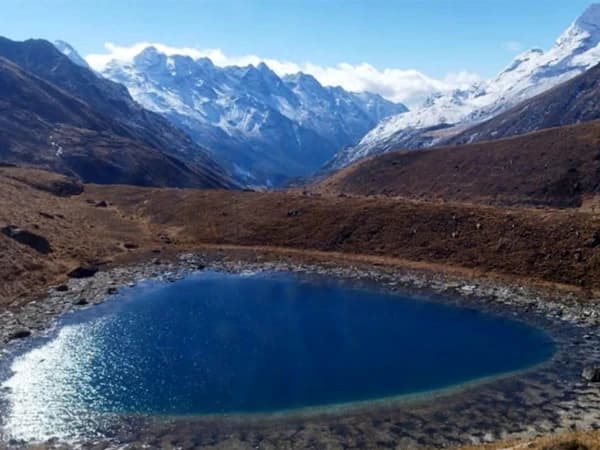
gokyo lake
everest three passes trek
three pass trek

Clock Wise Everest Three High Pass Trek - 16 Days

295 reviews in TripAdvisor
27 reviews in Google Reviews
Recommended by 99% of travelers
Duration16 Days
Trip GradeStrenuous
Maximum Altitude5545 m (Kala Patthar)
ActivitiesTrekking
Group SizeAny
StartsKathmandu
EndsKathmandu
Best TimeSpring & Autumn

Highlights

  • Thrilling Kathmandu to Lukla flight, lasting for half an hour, with breathtaking aerial insight
  • Crossing high trekking passes: Renjo La Pass, Cho La Pass, and Kongma La Pass
  • Explore the Khumbu Valley, Gokyo Valley, and Imja Valley
  • Walk through the UNESCO-listed World Heritage Site, Sagarmatha National Park, visiting several historical monasteries
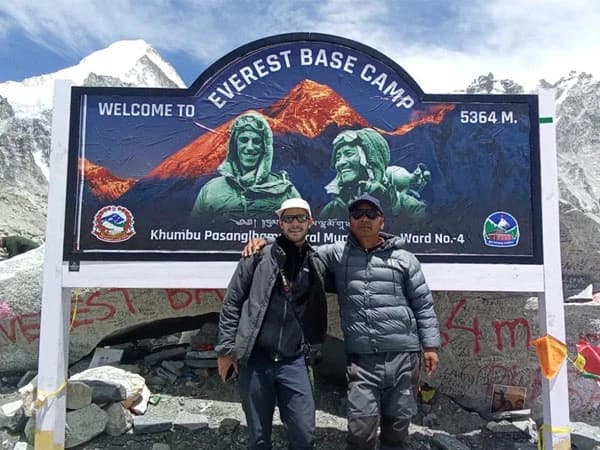
  • Day hike to Everest Base Camp, 5364m (17,94ft) to see a close view of Khumbu Glacier and Khumbu Icefall
  • Sunrise view from Kala Patthar, with the intense expansive views of the mountains above 8000 meters
  • Closer insight into the six series of Gokyo lakes, Nzogumpa glacier, from Gokyo Ri

Clockwise Everest Three High Pass Trek - 16 Days

The Everest High Passes Trek in a clockwise direction is one of the most challenging adventures and a thrilling way to cross the iconic mountain passes. Located within the Khumbu region and protected by the Sagarmatha National Park, this classic Himalayan circuit follows a clockwise route, crossing Renjo La, Cho La, and Kongma La in that order. Compared to the anticlockwise, or regular, Three Passes Trek, it is more strenuous and perfect for individuals who want a more demanding journey and for experienced trekkers with prior high-altitude experience.

The Clockwise Everest Three High Pass Trek also covers the off-beaten trails of the Everest region, past Gokyo Lakes, its valley, and Gokyo Ri at 5357 meters, reaching Everest Base Camp, and the highest at Kala Patthar, 5545 meters. You get to learn and experience rich cultures and traditions of the Sherpa people, and insight into distinct landscapes, alpine scenery, scenic lakes, glaciers, and great himalayan peaks. Attaining some of the major viewpoints above 5000 meters unravels the panoramic mountain views of Mt. Everest, Cho Oyu, Makalu, Lhotse, Nuptse, and Ama Dablam, Thamserku, Pumori, and many more.

This 16-day clockwise route is a compact but highly rewarding itinerary, designed for trekkers who want a challenging Himalayan journey without following the longer standard route. With proper preparation, fitness, and acclimatization, the clockwise route offers a rewarding high-altitude trekking experience without technical climbing sections. It is a perfect choice for trekkers seeking a challenging but well-structured Everest adventure.

Trekking Route - Clockwise Direction

We take the scenic flight to Lukla from Kathmandu Airport or Ramechap Airport and walk to Namche Bazar within 2 days. After an acclimatization day at Namche, the trekking route leads us to Gokyo Village via Renjo La Pass, 5388m (17,673ft), which is our first high pass in this trek. The sight trip around Gokyo Lakes and the Gokyo Ri climb make our rest day awe-inspiring.

The trek continues to Chola Pass 5380m (17,646ft) with further traversing through a beautiful Gokyo Valley trek route by passing Thaknak Village. We will have thrilling views of the Himalayas one after another, such as Lhotse, the towering peak Ama Dablam, Nuptse, Cho Oyu, including the world’s highest peak, Everest, which is called “Jhomolungma” in the Tibetan language.

We will rejoin the standard EBC route in Lobuche and continue walking to Gorakshep. Gorakshep is the highest-placed lodge where we sleep overnight. The return excursion to Everest Base Camp and the next day's early morning hiking to Kalapathar viewpoint to see the sunrise will stay in our memory as highlights for a lifetime. We head on to the highest pass, Kongma La Pass, 5535m (18,155ft), and descend to Chhukung Valley, also known as Imja Valley. We can meet mountaineers who are at Chhukung for Island Peak Climbing. At the end of this journey, we traverse through Tengboche Village, visiting Tengboche Monastery, Namche Bazar, Phakding, and Monjo Village.

Why Choose the Clockwise Three High Passes Trek?

The Everest High Passes Trek Clockwise is the best choice for individuals who want a more demanding and less crowded route through the Everest region. With gradual acclimatization days, shorter duration, rewarding views of the himalayan range, and a challenging trail order, this direction offers a unique high-altitude trekking experience having proper fitness and prior trekking experience.

  • More gradual acclimatization: The clockwise direction allows your body to adjust to altitude step by step, at a gradual pace, which contributes to the successful crossings of the tough passes. It gives you a better rhythm before reaching higher altitudes and tackling the tougher sections of the route.

  • Less crowded trekking experience: As many trekkers usually follow the standard regular route, or anticlockwise direction, the clockwise route is comparatively less crowded and peaceful, offering a calmer, peaceful walk. Greater opportunity to connect with local mountain people and delve into the beauty of nature fully.

  • A stronger route through Gokyo Valley first: Covering the Gokyo route and starting with Renjo La first offers you breathtaking mountain scenery earlier on the trek, motivating you to move forward with positivity. 

  • A better challenge for experienced trekkers: The clockwise direction is tougher; rather than crossing the main pass and high pass quickly, the trail opens up and leads to more higher passes and vantage points. It suits trekkers who seek a tougher and more adventurous route; for those who have high-altitude experience, this direction can feel more rewarding, worth every stride.

  • A unique way to complete the circuit: Going clocwise route offers a different flow than the usual route, with a distinct experience that makes the journey fresher and less predictable, even to those who have already completed the EBC trail before. However, on a good note, it still covers every highlighted aspect, like regular ones, but more uniquely and thrillingly, making the trek even more fascinating.

Clockwise vs Anticlockwise Route: Which is better for you?

The Everest Three High Pass Trek can be done in both clockwise and anticlockwise directions; however, the experiences, trail difficulty, and duration set themselves apart, depending on the route you choose. In the clockwise route, trekkers begin with Renjo La Pass (5360 m), Cho La (5420 m), and Kongma La (5535 m), making the odyssey more intense and harder as the day passes by. On the other hand, on the anticlockwise route, the trail proceeds with Renjo La, Cho La, and Kongma La, opposite to the other route, which is easier and beginner-friendly.

If you are looking for a demanding and tough itinerary, the clockwise direction won't disappoint you, challenging you every day. This route is highly suggested for pro trekkers who are comfortable, with early high altitude gain, and a tougher pace of the hike. Whereas the anticlockwise route is often preferred by hikers who are new to the mountaineering world, seeking better acclimatization and a more balanced pace and ascent profile.

Meanwhile, both routes deliver the same highlights and major attractions, including Gokyo Valley, EBC, Kala Patthar, and the major three high passes, h6wever, the clockwise route feels more intense and demanding.

Everest High Passes Trek Clockwise Cost for 2026 and 2027

The price varies on several factors, such as duration, transportation access, type of services, basic or luxuries, and most importantly, the group size of each group. We at Destination Himalaya Treks offer this 16-day Three High Passes Trek Clockwise, on the basis of the number of hikers that each group carries. If any alterations or changes are made to the package or itinerary, the costing varies accordingly. Here is the costing of the trek depending on the no. of pax, for 2026 and 2027.

No. of Pax Standard Price (USD)
1-2 1450
3-4 1350
5-8 1300

Itinerary Outline

Day 01: A short and scenic flight to Lukla- 2,866 m (9,400ft) from Kathmandu or Ramechap airport and trek to Phakding, 2638m (8,653ft), 4 to 5 hours
Day 02: Phakding to Namche Bazaar-3,440m (11,283ft), 5 to 6 hours
Day 03: Acclimatization day in Namche
Day 04: Namche Bazaar to Thame- 3,800m (12,464ft), 4 – 5 hrs.
Day 05: Thame to Lungden- 4,380m (14,365ft) - 7 to 8 hrs.
Day 06: Lungden via Renjo La pass- 5,360m (17,58ft) to Gokyo- 4,800m (15,744ft), 8 to 9 hours
Day 07: Gokyo – Ascent Gokyo Ri- 5,357m (17,505ft) and return to Gokyo - 5 to 6 hours
Day 08: Gokyo to Thagnak- 4,750m (15,580ft), 5 – 6 hrs.
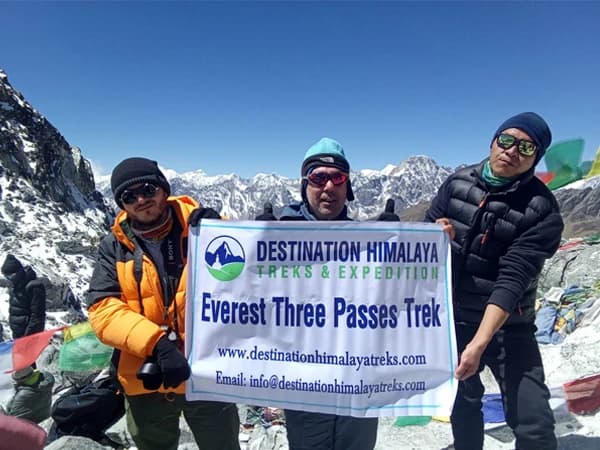
Day 09: Thagnak via Cho La Pass-5,420m (17,778ft) to Dzongla, 4,830m (15,842ft)- 7 to 8 hrs.
Day 10: Dzongla to Lobuche- 4,940m (16,334ft), 4 – 5 hrs.
Day 11: Lobuche to Gorakshep- 5,170 m (16,958ft) to Everest Base Camp- 5,364 m (17,94ft), 8 – 9 hrs.
Day 12: Gorakshep – Kalapatthar- 5,644 m (18,512ft), back to Lobuche-7 to 8hrs.
Day 13: Lobuche via Kongma La Pass- 5,535 m (18,155ft) to Chhukung– 4,730m (15,514ft)- 7 to 8 hrs.
Day 14: Chhukung to Namche Bazaar, 6 –7 hrs.
Day 15: Namche Bazaar to Lukla, 6 –7 hrs.
Day 16: Fly to Manthali-Ramechap and drive to Kathmandu- 4 to 5 hours drive

Itinerary
Trip PlanExpand all

Travelling by sharing or private vehicle to Manthali airport which takes about 4 to 5 hours to get a flight to Lukla. After landing scenic flight at Lukla, our Everest 3 Pass trekking begins. We pass Chaurikharka village by following Dudh Koshi River and reach at Phakding, overnight sleep at lodge. There are no regular flights to Lukla from Kathmandu airport during high trekking season. It’s good that we have high chance to fly from Ramechap airport, it’s only 18-20 minutes flight duration
 

Max Altitude: 2638m/8,653ft Meals: BLDAccommodation: Tea HouseDuration: 4/5hrs

The trail leads to Namche Bazar by following Dudhkoshi River and trek through Benkhar and Monjo Village, where are trekking permits are checked. The wild animal rad pandas and snow leopard are rare to be seen, yet we encounter wild boars, mountain deer, monkeys and different species of birds. We walk further to Namche by enjoying stunning view of Mt. Thamserku.

Max Altitude: 3,440m/11,283ft Meals: BLDAccommodation: Tea HouseDistance: 5-6hrs

Today we have got a rest day at Namche which is the doorway to the entire Everest region. Inhabited by Sherpa people, Namche bazar is surrounded by snowy peaks and mountains, which can be seen from the various hotels stated in Namche. Tourist visiting centers and old monasteries, are the attraction of Namche. Email-internet, ATMs, glossary shops, bakeries, and restaurants, are easily available. We do a day hiking to Everest View Hotel, Syangboche to have a picturesque view of Mt Everest. It’s about 3 to 4 hours walking and this 5 star Everest view hotel situated at 3,880m (12,726ft).
 

After a breakfast at hotel in Namche we take a rugged path to Thame. In the mean time we leave Everest Base Camp trek route and route of Gokyo Chola Pass behind. The trail goes along the Bhote Koshi River and we reach beautiful Thamo Gomba, continue our pace with pine and rhododendron forest. At the end of day we need a steep climbing to reach the Thame Village.     

Max Altitude: 3,800m/12,464ft Meals: BLDAccommodation: Tea HouseDuration: 4-5hrs

Our trek occurs harder and harder a day after another as the trekking path leads through high altitude. Today we admire the lovely landscape, alpine vegetation, and mountain vistas in the route to Lungden. Pass Thangna, and Marlung village to arrive early day in Lungden so sight visit Nakpa valley or short hike to nearby Cho Relmo Lake is adorable.

Max Altitude: 4,380m/14,365ft Meals: BLDAccommodation: Tea houseDuration: 7-8hrs

Today is our first High Pass crossing day so it’s the exciting and adventure trek to Gokyo via Everest Renjo La Pass. Walk slowly and reach the summit of Renjo La. From there, enjoy the stunning views of the peaks above 8,000m like Mt. Everest, Mt. Lhotse, Mt. Makalu, and Mt. Cho Oyu. Also, visit the third major Gokyo Lake among five, -Dudh Pokhari, and the Gokyo village. Then, slowly descend and enter the Gokyo Village, overnight lodge.

Max Altitude: 4,800m/15,744ft Meals: BLDAccommodation: Tea HouseDuration: 7-8hrs

Today we have a day trip around Gokyo Valley, visit the Ngozumpa Glacier and the glacial moraine formed due to this massive glacier. We visit the other direction to sightsee Gokyos lakes series. Now, ascent Gokyo Ri to have a spectacular view of some of highest mountain peaks, valley, and lakes. Climbing this Gokyo Ri summit will be perfect acclimatization.


Max Altitude: 5,357m/17,55ft Meals: BLDAccommodation: Tea HouseDuration: 5-6hrs

We leave the beautiful Gokyo and begin our Everest Three Pass Trek ahead for today. We have a short and inspiring side trip to the other side of the mighty Ngozumpa glacier. Pass the first and the second lakes, the trail takes us to the east, the other side of the glacier through the steep ascending. We then arrive at our destination Thagnak, overnight at lodge.

Max Altitude: 4,750m/15,580ft Meals: BLDAccommodation: Tea HouseDuration: 5-6hrs

Today is another long and challenging day as we are crossing Chola Pass, second high pass for our trekking. Gokyo to Thanknak takes about 7 to 8 tough hours. The path follows with a long uphill that becomes stiff before the ascent to the challenging Cho La Pass 5,420m/17,778ft. This pass is connected the villages of Thagnak and Dzong La. The trail moves past the frozen lake to the Pass decorated with prayer flags. The marvelous view of Ama Dablam, Cholatse, Lobuche East, and Baruntse including many more snowy peaks from the top is an amazing treat to the trekkers. The ice-greased trail may make the descent down to Dzong La again challenging excursion.
 

Max Altitude: 4,830m/15,842ft Meals: BLDAccommodation: Tea HouseDuration: 7-8hrs

Keeping the remoteness and pureness of nature in memory throughout Gokyo Valley we start our trekking to Lobuche by joining Everest Base Camp Trek route again which was left at Namche.
We turn left towards the Lobuche and continue our uphill climb, we have spectacular scenery in front of us wherein the majestic Nuptse seems to be rising above the Khumbu glacier, overnight at lodge

Max Altitude: 4,940m/16,334ft Meals: BLDAccommodation: Tea HouseDuration: 4-5hrs

Today we are very anxious to put our feet on the Everest Base Camp, from Lobuche we walk up a rocky moraine path with a view of the Khumbu Glacier. Then, we descend to Gorakshep where we sleep ovetnight at. We check hotel in and take a lunch then we head to the dream place Everest Base Camp. We stay for some memorable around EBC and observe the view of the surrounding mountains including Pumori, Ama Dablam, Nuptse, Lhotse, etc. Then, we return to Gorakshep.

Max Altitude: 5,364 m/17,94ft Meals: BLDAccommodation: Tea HouseDuration: 7-8hrs

Today early in the morning we hike to Kalapathar to get the sunrise view. Kalapatthar is the perfect vantage point of the Everest region for Mountain View. From there, we observe the breathtaking views of high Himalaya, innumerous White Mountain peaks and picturesque Khumbu Valley. Then, we return to Gorakshep, the return trip takes about 3 hours, take a lunch and then back to Lobuche, overnight at lodge.

Max Altitude: 5,644m/18,512ft Meals: BLDAccommodation: Tea HouseDuration: 7/8hrs

Today is our most challenging day for this trip. Take a good breakfast and prepare some packed food for the lunch and head towards Chhukung via Kongma La Pass. The last and highest Pass among the three passes is at an elevation of 5535m. One of the most difficult passes to trek but with proper planning and walking carefully we definitely do this. Climb Kongma La and from the top witness the magnificent views of Lhotse, Lhotse Shar, Makalu, Baruntse, and Ama Dablam. Descend to the eastern side and enter the lovely Chhukung Valley. Nowadays, Chhukung village has become an acclimatization day, also climbing preparation day as an entry point for Climbing Island Peak.

Max Altitude: 4,730m/15,514ft Meals: BLDAccommodation: Tea HouseDuration: 7-8hrs

Finally an easy day has come, we descend through Imja valley traversing several villages such as Dingboche, and Pangboche, to enter the village of Tengboche. We can’t miss to get into the largest vintage Tengboche Monastery. We continue towards Namche following the forested trail, then a steep climbing takes us to a place with shortens and prayer flags. With admiring the natural scenery, we arrive at Namche Bazaar, overnight in lodge.

Max Altitude: 3,440m/11,283ft Meals: BLDAccommodation: Tea HouseDuration: 6-7hrs

Today our 16 days Everest Three Pass Trekking is ending up but yet to walk to Lukla, so we trek downhill slowly and cautiously due to the steep path and the shaky leg owing to the long trekking we had. The magic of nature unfolds through the colorful rhododendron and pine forests, plains, and the amazing view of the snow-capped mountains that seem to be overlooking the trekking route. Buddhist culture reflected through the prayer flags, prayer stones, and Gompas, and lush vegetation make the trekking an enriching one. We have got so many nice memories in this Sherpa village town and recall the experiences gained during the strenuous yet amazing trekking.

Meals: BLDAccommodation: Tea HouseDuration: 6-7hrs

We will take an early morning flight to Manthali from Lukla airport. It’s always suggested that you better have some reserve days for flight delays due to flight delays or any unforeseen reason.
From Ramechap we will take a public sharing transportation to Kathmandu. Private transportation will be provided on request. We travel through some local villages and beautiful farming land. 

Max Altitude: 1350m Meals: BreakfastAccommodation: Hotel
Route Map
Everest Three Passes Trek Route
Altitude Chart
Everest Three Passes Trek Altitude Chart
Cost Details
Includes
  • Airport pickup and drop-off service on a private vehicle 
  • 4-star hotel accommodation in Kathmandu with buffet breakfast
  • 3 standard meals with one cup of hot beverages throughout the trip
  • Accommodation throughout the trip 
  • Registered English-speaking professional trekking guide, and assistant guide including salary, food, equipment, and insurance
  • Seasonal fruits every single day after lunch/dinner
  • 1 experienced strong sherpa porter (must be shared between 2)
  • All required permits for this trek; Everest National Park Entry Permit and Pasang Lhamu Rural Municipality Entrance Permit
  • Domestic flight; Kathmandu - Lukla - Kathmandu
  • Destination Himalaya Treks Tshirt, duffle bag, sleeping bag, jackets, caps, sleeping bags (if required one)
  • Oximeter- to check your pulse and heartbeat
  • 1 assistant guide to the group that exceeds the number of 6
  • Trekking completion certificate after getting back to Kathmandu
  • Token of love and appreciation medal of gratitude
  • Farewell dinner in Kathmandu with Nepali cultural programs
Excludes
  • All kind of beverages
  • Hot shower, internet, battery charging, laundry, donation, etc.
  • Accommodation in Kathmandu
  • Tip to guide and porter
Essential Information

Best Season for Clockwise Everest High Passes Trek

The best time to explore Everest High Passes in a clockwise direction, are spring starting from March to May, and Autumn, from September to November. During this timeframe, the weather is expected to remain stable, with no chance of heavy cloudburst, offering clear mountain views and landscapes. Daytime temperatures are usually mild, ranging from 5°C to 18°C and rarely rising above 22°C, which makes it comfortable for long trekking days. In the evening, temperatures drop sharply and can fall to around -8°C, so warm layers and proper gear are essential. However, the cold is manageable in teahouses with heating and the right clothing.

In Spring, the greenery of the forest becomes more beautiful, with thriving red rhododendrons, oaks, and other colorful flora, with the unobstructed scenery of the himalayan peaks as the backdrop. Whereas autumn is more popular as a festival season, where Nepal's major festivals, Dashain and Tihar, fall under, creating a vibrant experience, with rich himalayan cultures and celebrations.

Everest Three Passes Trek Clockwise Difficulty

The clockwise Three High Passes Trek is a demanding high-altitude adventure and is best suited for experienced trekkers. Compared to the regular route, this direction feels more challenging because it starts with a tougher mountain rhythm and requires strong fitness, endurance, and preparation from the beginning.

The trail includes rugged paths, steep ascents, and icy or slippery sections at higher elevations, especially on the passes. For safer trekking, trekking poles and crampons are highly recommended, particularly during colder months or when snow is present.

Altitude is another major challenge on this trek. Since you spend several days above 4,000 meters, proper acclimatization is essential to reduce the risk of altitude sickness. Trekkers should move at a steady pace, rest properly, and follow the guide’s instructions throughout the journey.

This clockwise route is not ideal for beginners. It is best for physically fit trekkers who have prior high-altitude trekking experience and are comfortable with long days on difficult terrain.

Why is travel insurance required for this excursion?

Doing a strenuous trek at a high altitude is always challenging and life-threatening. We always suggest our trekkers purchase an insurance policy that may cover rescue and medical needs up to 5,500m in case of emergency. Our team of climbing guides, trekking guides, kitchen crews, and porters is insured against any kind of risk during the trek.

What kind of Accommodations and Meals will be provided during the trek?

We will get freshly cooked, boiled, or baked food whilst on the trek from the local lodge. Local organic vegetables prepared by the cook are suggested for your meals. We have to consider our food from the same hotel lodge where we sleep overnight. We can taste Western meals like Pizza, Pasta, Steak, etc. in Lukla or Namche Bazar.

Throughout the journey, we will sleep at a lodge, which will basic lodge mostly at high altitudes. Rooms without a washroom; there will be a common bathroom outside. We sleep mostly in twin-sharing beds, but we have to be prepared for dormitory rooms sometimes if we are in the main trekking season, spring and autumn. We will have accommodation rooms everywhere. In places like Lukla and Namche, we can have luxury rooms with toilets and bathrooms attached.

Drinking Water

Drinking water on the trek is easily available. We can see several water streams along the route. But we'd better not drink water directly from a stream or a water tap. So, a water purification system or Iodine pills are a necessity to make water drinkable. We can buy mineral water along the route; of course, the cost depends on where we buy it, and the average cost is around Rs 250 for a 1ltr bottle.

We can buy boiled water in every lodge, so we have to take a thermo-insulated water bottle to keep the water warm, which may not freeze. Sometimes you must wait for hot water until the kitchen gets free. A liter of boiled water costs up to NPR 500.

Is Wi-Fi and network connectivity accessible during the trek?

We can use Wi-Fi throughout the Everest region trek. The login is accessed by the lodge owner, where we eat and sleep. This free wi-fi doesn’t work properly on our devices as it has limited bandwidth and is shared among many people living at the hotel. So we can buy a wi-fi pack; the valid days are according to the manual indication. We can also buy internet data packs provided by Nepal Telecom or NCELL mobile networks. Mobile internet data works on most of the trekking routes and places.

Packing List for the Everest High Passes Trek Clockwise Trek

Packing the right gear and clothing plays a crucial role in a successful Clockwise Trekking in Everest High Passes. As it is marked as a high-altitude excursion, with rapid changes in climate and temperature, that passes via long passes and long trekking days, one must be prepared for uncertain climate conditions and rugged walking terrains. 

Clothing

  • Moisture-wicking layers, like dry fit T-shirts, Hiking Pants, sweat soaking clothings
  • Fleece and warm mid-layerings
  • Down jacket for cold nights
  • Waterproof jacket and pants
  • Trekking pants and shorts
  • Warm hat, gloves, and neck gaiter.

Footwear

  • Broken-in waterproof trekking boots
  • Warm trekking socks and light weighted sockles ankled length
  • Camp sandals or light shoes
  • Gaiters or microspikes or crampons for icy sections

Trekking Gear

  • Trekking poles (1 pair)
  • Daypack with rain cover
  • Duffel bag (will be carried by porter)
  • Torch light, or head lamp, with extra batteries
  • Water bottles or hydration system, along with water purification tablets

Personal Items

  • Passport, permits and Travel insurance documents
  • Sunscreen and lip balm
  • Toilet paper and hand sanitizer
  • Personal medications along with oximeter, and diamox (must be approved by clinic or doctor)
  • Power bank and charging cable

Booking Procedure

Destination Himalaya Treks is a government-approved trekking and tour operator in Nepal with years of experience in organizing Himalayan adventures. We are a trusted member of both TAAN and NMA, so you can book your Clockwise Everest Three High Pass Trek with confidence. To confirm your trip, a 20% deposit is required at the time of booking. After reserving, please send us copies of your passport, passport-size photos, travel insurance, and flight details within a week. Payments can be made by bank transfer, Western Union, or online, and once you arrive in Nepal, you may also pay by cash, bank transfer, or credit card.

Need Help? Talk to Expert!
min gurung
Min Gurung
+977 9851016814
Everest Base Camp Trek Review – Bharat Gurung

Everest Base Camp Trek Review – Bharat Gurung

Completing the Everest Base Camp trek was one of the most memorable experiences of my life, and a huge...

read more +
S
Seaside50227554807
June 05, 2026
Everest Base Camp - with MidEarth and Destination Himalaya

We went to the Everest Base Camp hike organised by MidEarth India (midearth.in) and locally supported by Destination Himalaya. This was our first hike above 5000m and our guide Bharat...

read more +
S
Sushrut K
June 03, 2026
EBC May 2026

We had a great time on our Everest Base Camp trek. Our guide, Bharat, was extremely knowledgeable and caring. It was our first time at this altitude and he was...

read more +
B
Ben P
May 31, 2026
You May Also Like
mera peak climbing with amphu lapcha pass trek
Starting from
US$2099US$2999
mount everest base camp trek
Starting from
US$1199US$1699
Bestseller
everest three pass trek
Starting from
US$1199US$1699
3 iconic passes
Need Help? Call Us+977 9851016814