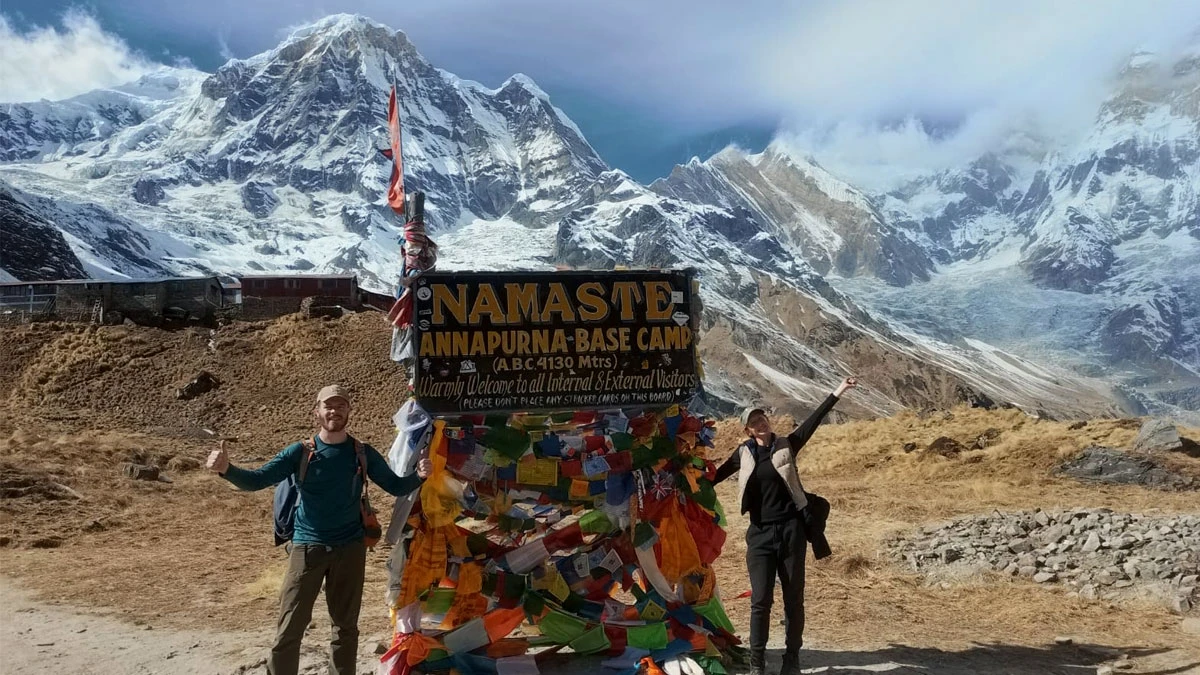
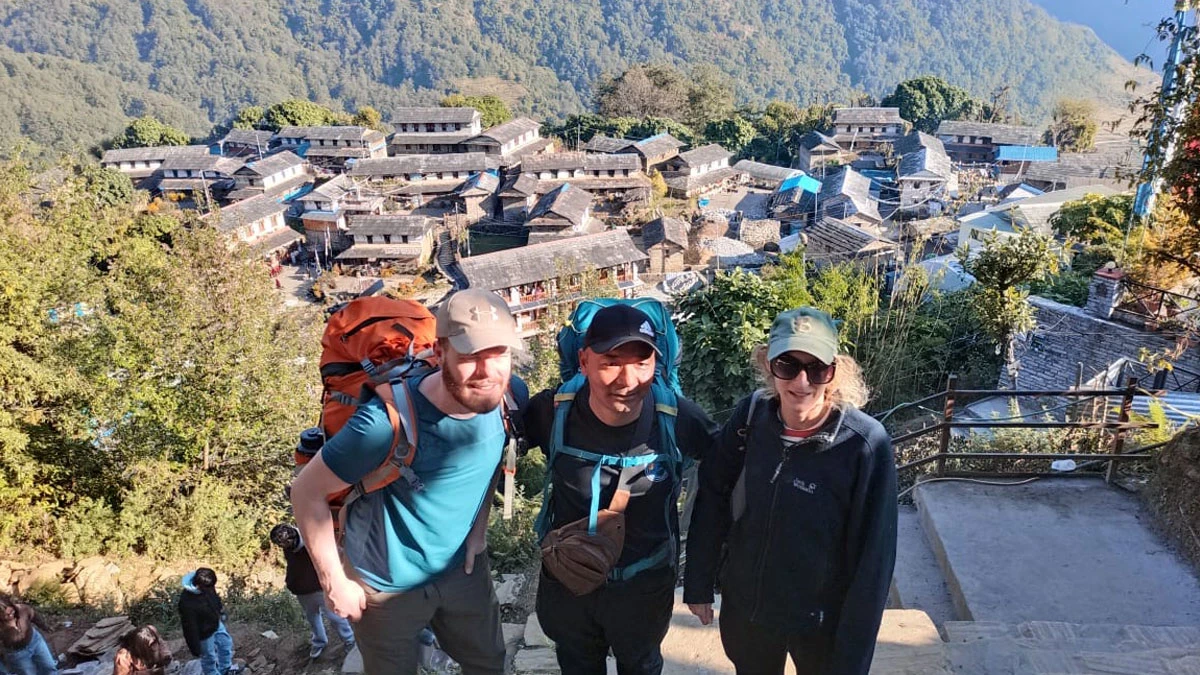
Experience the 7-Day Short Annapurna Base Camp Trek, the fastest and safest gateway to the majestic Annapurna Sanctuary. In just one week, this journey explores every highlight: wander through Ghandruk village, refresh in the natural hot springs at Jhinu Danda, and immerse yourself in the rich traditional culture of the villages.
Highlights
- Stress-free and beginner-friendly trekking trail, with 4-5 hours of daily hiking
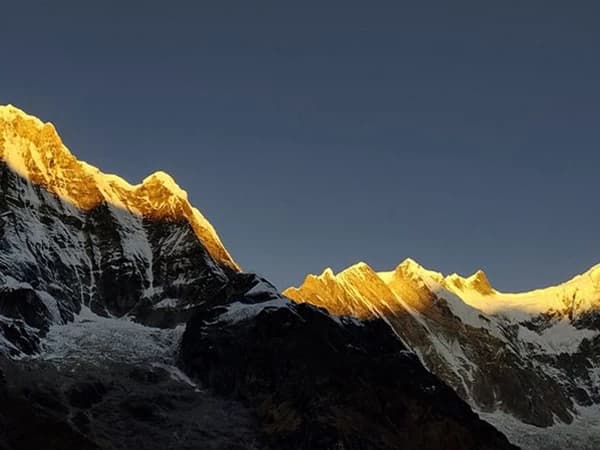
- Savour the breathtaking upfront views of Macchapuchhare (Fishtail), Hiunchuli, Annapurna, and Dhaulagiri ranges with other massifs
- A full tea house trip, allowing you to experience the cultures and lifestyles of diverse ethnic communities
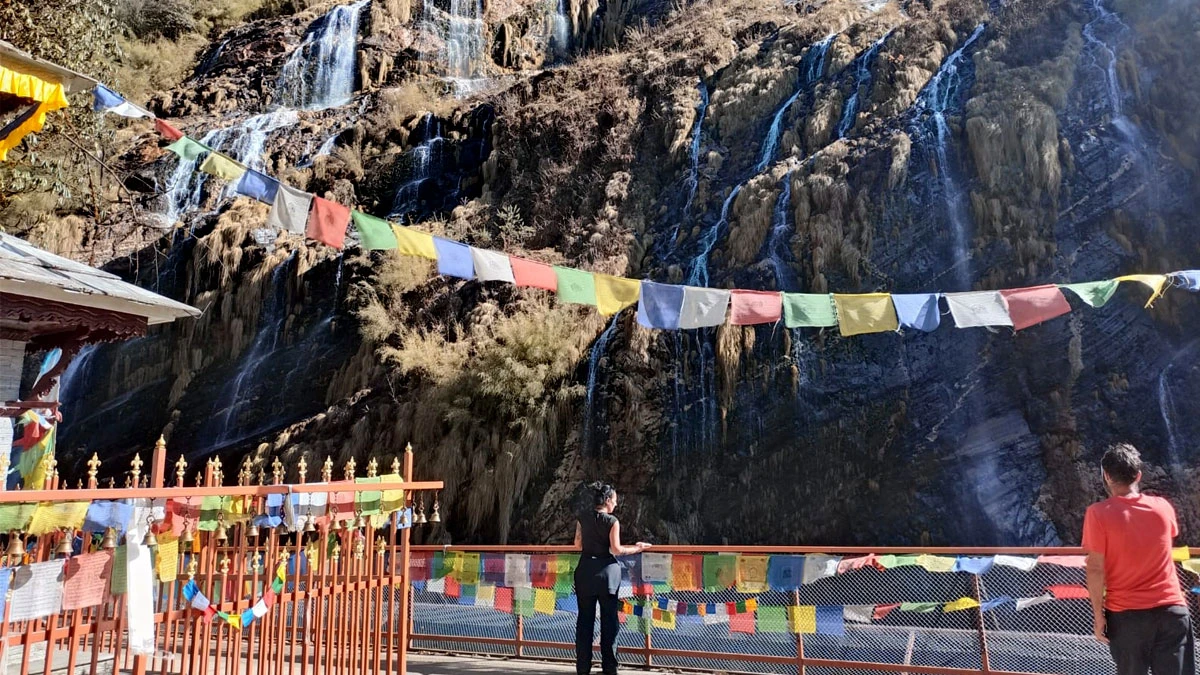
- A walk through lush green forests, with rhododendrons, pines, orchids, several rivers, waterfalls, and suspension bridges
- Scenic transformation of the landscapes, from green hills, to terraced fields, to rugged plateaus, and alpine glaciers
- Overnight stay at Ghandruk, known as one of the most beautiful remote cultural villages, with a museum and a sunrise viewpoint.
- Ascend towards Annapurna Base Camp and Machapuchare Base Camp, both at the same time.
Short ABC Trek - 7 Days Overview
The 7-Day Short Annapurna Base Camp Trek is a time-friendly journey designed to reach the foothills of the world's 10th-tallest peak, Mount Annapurna I, 8091 m, in the quickest yet safest way. For the 2026 trekking season, the adventure can either be started from the capital city, Kathmandu (1360 m), or Pokhara, the gateway to the Annapurna region. However, the seven-day itinerary begins in Pokhara with a drive to Nayapul, followed by a trek to Ghandruk. This route features a gradual ascent that allows you to reach Annapurna Base Camp efficiently while still experiencing all the key highlights along the way.
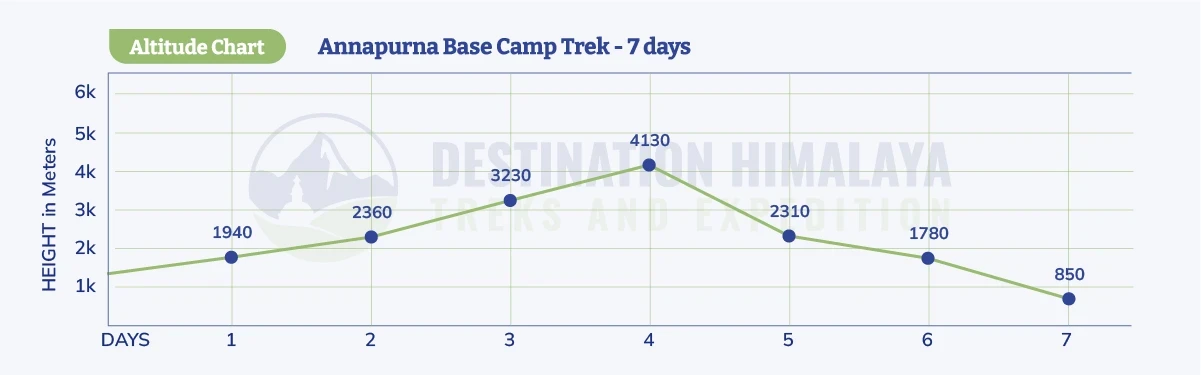
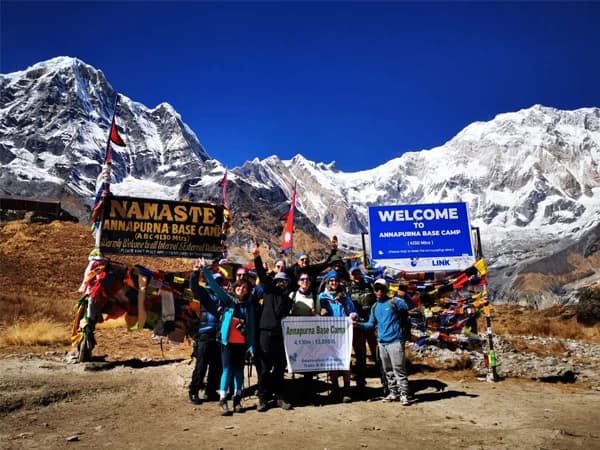
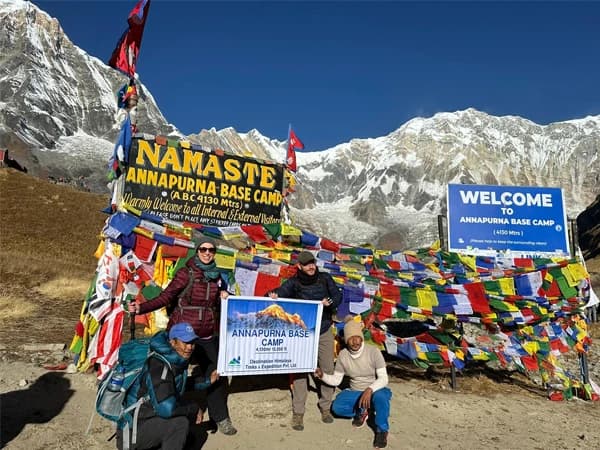
The trek follows through Chhomrong, Sinuwa, Deurali, and Machhapuchhare Base Camp (3700 m) and reaches the Annapurna Base Camp (ABC) on day 4. It is a full-house adventure, run by the Gurung and Magar local communities, offering a rich cultural experience in remote villages. Besides, the trail navigates through the Annapurna Conservation Area, thriving with rhododendron and bamboo forests, rivers, and suspension bridges, encountering rare wild species along the way.
The total cost of the Short ABC Trek 7 Days starts from USD 449 to USD 669, depending on the group size. Throughout, you will be provided with all the essential amenities, permits, and transportation accessibility, including convenient airport pick-up and drop-off services. This trek is specially customized for travelers who have already arrived in Pokhara or those who wish to explore the enchanting lake city independently before embarking on their mountainous excursion.
Trekking Route
The 7-day Annapurna Base Camp Short Trek starts from Pokhara, followed by a drive to Nayapul and to Ghandruk. Ghandruk village stands out as a gateway to the Annapurna region, nestled among the Gurung community with traditional houses similar in style, with a slatted rooftop. On the following two consecutive days, the trail traverses towards Chhomrong and Deurali, through a forested area and multiple stone steps.
Then, it takes an uphill walk to ABC, via Machapuchare Base Camp on the 4th day, walking by some rugged, rocky, and snowy sections. The route then proceeds with a downhill descent towards Bamboo, Jhinu Danda, and Ghandruk Phedi, and concludes with a drive back to Pokhara or Kathmandu.
Is the Annapurna Base Camp Short Trek Right for You?
If you are wondering whether this Short Annapurna Base Camp Trek is ideal for you, or not, then it depends on your personal preferences, experiences, and the kind of exploration that you are looking forward to. Here are some of the things that we at Destination Himalaya Treks and Expedition highly suggest you take an overview of before venturing on this trip lasting for a week.
- Activate Hikers with Bounded Time: This trek is genuinely customised for those who are limited by time but crave to explore the best of the Himalayas and reach the Annapurna Sanctuary, feeling a sense of relief and accomplishment. As this expedition cuts the regular itinerary of 12 to 14 days to a week, you must have a basic level of fitness to venture out for a straight 5 to 6 hours, with a coverage of approximately 8 to 12 km of distance approximately.
- Trekking Experience: Even though it is named as a "short" Himalayan adventure, the overall trek is considered a moderate trip, which can be commenced by anyone at any time of the year. Even for beginners who have experience with short hikes of 2-3 days, they can attain the Annapurna Base Camp (ABC), as the route is well-maintained; however, it is expected to be in good shape.
- Exploring the Ghandruk village: Nestled at the heart of the Annapurna region, this itinerary includes an exploration of the Ghandruk village, famous for its similar houses, with views of mountains as a backdrop, where the blooming rhododendron thrives, surrounded by the Annapurna and Fishtail mountains. Visit the old traditional houses, savour the local cuisine, Gurung Museum, where the history, pictures, and traditional attire of one of the oldest communities of Gurung, who even served the British Empire as soldiers, popularly known as The Gurkhas.
- Maximum Altitude: The highest elevation that this trek leads you to is 4130 meters, with a slow ascent, which means the risk of altitude sickness remains minimal. However, as the journey takes an uphill walk each day over 3000 meters, please follow the preventive guidelines to avoid AMS (acute mountain sickness) and grab a good travel insurance policy.
- Budget Friendly: Shortening up the itinerary and starting from Pokhara, you can also consider this as a Short ABC Trek, which fits your estimated budget; however, it lets you cover every highlighted aspect of the Annapurna region at the same time.
- Family Friendly: As the itinerary is tailored with a gradual ascent, letting you acclimate to the rising high elevation, considering safety, at the same time, it fits every pace of hikers, from beginners to any age group, from kids to senior citizens, with the assistance of our professional, expert, experienced, licensed guide, being medically equipped.
Short 7-Day ABC Trek vs Classic 10-14 Day ABC Trek
| Aspect | Short 7 Day ABC Trek | Classic 10-14 Day ABC Trek |
| Duration | A complete 1 week on the trail | 10-14 days, including side trip, to Poon Hill (optional), but duration extended due to extra days in Kathmandu |
| Difficulty | Moderate, demands a good fitness level; with proper preparations, can be done by beginners as well | Moderate; however, gradual ascent, suitable for experienced trekkers |
| Cost | Budget-friendly, due to fewer days along the trekking trail | Higher cost, due to additional days and services |
| Acclimatization | Fewer rest days, need to monitor altitude carefully and follow preventive guidelines | Built-in rest days, comfortable ascent, best for kids, and senior citizens |
| Distance | Shorter, approx. 60 km (37 miles) | Longer, around 95-100 km (60+ miles) |
| Highlights | Core ABC full experience, key viewpoints and villages, covers every attraction of the standard trail | Includes side trips to Poon Hill route as well |
The short 7-day trek is perfect if you have limited time, are reasonably fit, and want the essential ABC experience. The classic 10–14-day trek is better if you prefer a slower pace, more acclimatization, and extra time to explore the Annapurna region.
Annapurna Base Camp 7 Days Trek Cost (2026–2027)
The 7-day Annapurna Base Camp (ABC) trek is a shorter, more affordable version of the classic ABC itinerary, designed to cover all the key highlights in less time. At Destination Himalaya Treks, our all-inclusive package starts from USD 379 per person for larger groups and goes up to USD 699 for solo travelers, depending on group size. We also provide complimentary Kathmandu–Pokhara transport coordination if you have not yet reached Pokhara.
The cost includes all the facilities: tea house accommodation, all kinds of meals, a licensed, experienced trekking guide, all required permits, ground transportation as per itinerary, and basic travel support and assistance from our pro expert teams. With this package, you do not need to worry about hidden costs or on-trail arrangements; thus, all essentials are handled promptly, so you get to focus only on the beauty of the mountains, rather than worrying about trip arrangements.
Group-based pricing (per person)
| Group Size | Cost (USD) |
|---|---|
| 1 person | 699 |
| 2–4 people | 599 |
| 5–8 people | 549 |
| 9–11 people | 499 |
| 12–15 people | 449 |
Note: Prices may vary slightly with season, service upgrades (e.g., private rooms, additional porter), and changes in transport costs.
Why Book Your ABC Trek with Destination Himalaya Treks?
When you book any adventure with us, you get to enjoy the benefit of other extra complimentaries and services more than just a standard regular package. We highly focus on comfort, transparency, flexibility, and safety, as we have been in this sector of tours and treks for over two decades, having experienced local guides and expert teams.
- Free 1-2 nights' stay at Hotel Bihani in Thamel, Kathmandu- If your international flight leaves you with an extra day in Kathmandu, enjoy the complimentary night at our own property, before and after the trek.
- Fully customizable itinerary- We tailor the package as per your pace, fitness level, and budget, depending on the hiker's pace level and prior experience.
- Complimentary tourist bus from Kathmandu to Pokhara- If you haven’t yet reached Pokhara, the starting point of the trek, we include free tourist bus transportation from Kathmandu as part of your package.
- 24/7 on-trail communication: Our team stays connected for urgent messages or changes 24 hours a day; you can reach us anytime via WhatsApp +977 9851016814, or direct call (+977 9851016814), or email at [email protected] throughout the trek.
- Detailed trip briefing: We provide an online briefing before you confirm your trip and an in-person briefing after you arrive in Nepal (Kathmandu or Pokhara) so you know exactly what to expect each day.
- Free secure luggage storage- Leave your extra bags and non-trekking gear with us at no cost for as long as you need while you are on the trail.
- Easy and secure payment options- We use a safe, reliable payment gateway for deposits and full payments, making it simple to book your Annapurna Base Camp trek from anywhere in the world.
Private 7-Day ABC Trek vs Group Joining - Which Is Right for You?
Wondering whether to go private or join a group on your Annapurna Base Camp adventure? Both options have their own advantages, as the best choice depends on your schedule, budget, and travel style.
| Feature | Private Trekking | Group Joining (4+ Hikers) |
| Pace | Flexible; you get to set your own rhythm, extra rests, or side trips (eg, exploration of Ghandruk) | Fixed departure dates, only structured for those having prior Himalayan experience, group harmony, steady and social pace |
| Experience | Personalised itinerary, attention, deeper exploration, chats on mountain people or wildlife - Perfect for introverts or Photographers | Great for families, shared stories, and meals |
| Support | 1:1, or 1:2 guide + porter; if your group exceeds the number of 5, then an assistant guide will be provided as well | Shared guide (1:4 ratio) + porters |
| Best For | Independent hikers, seeking intimacy with the Himalayas, creating lifelong memories with family and their own mates | Social explorers who want savings and built-in friends |
| Booking Open | All the time of the year (Every day), whenever your time fits | Fixed Departure dates |