The Manaslu Circuit is a 12‑day trek that explores Tibetan villages, reaches Manaslu Base Camp and Birendra Lake, and crosses Larkya La Pass. This is a shorter, budget‑friendly version of the classic 14‑day Manaslu Trek, carefully condensed to complete the route in just 12 consecutive days. The route follows the same trailhead but skips the two extra arrival/departure days by starting directly from Kathmandu, making it more time‑efficient and cost‑effective.
The Manaslu region stands out as one of the best trekking destinations for explorers seeking less crowded, untamed trails, rather than the modern influx and busier Everest Base Camp or Annapurna Base Camp treks. Our 12‑day Manaslu Circuit Trek is designed for budget‑conscious travellers and those with limited time who can't commit to the longer 14- to 17-day trek.
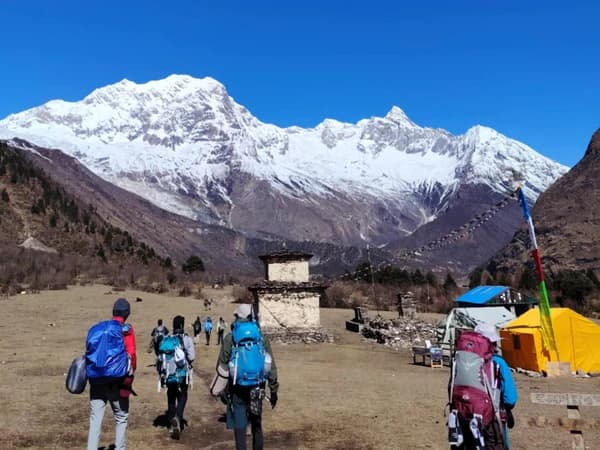
The trip starts with a drive from Kathmandu (1,360 m) to Machakhola (890 m), and the walking trail starts the next day as you enter the protected Manaslu Conservation Area. The trail winds through lush forests, terraced fields, and remote villages before climbing into alpine mountain hamlets surrounded by glaciers, dramatic landscapes, and stunning peaks. Because the route runs through a restricted area that requires special trekking permits, only a small number of travellers visit, keeping the experience quiet and authentic. Local families run the accommodations, offering a genuine opportunity to learn more about ethnic communities, including the Tsum, Nubri, Tamang, and Gurung.
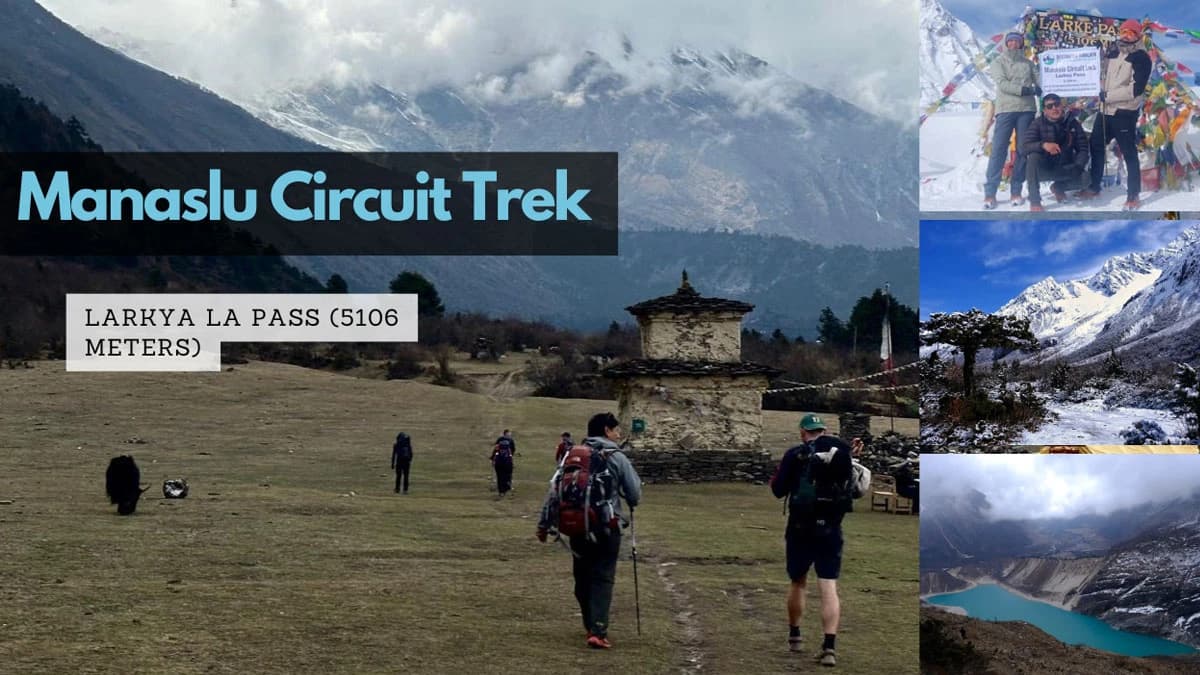
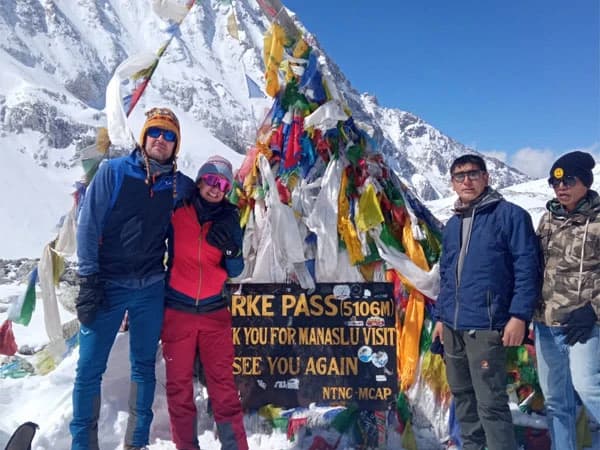
Reaching the top of the pass rewards you with an expansive view of the Himalayan peaks, like Mt Manaslu (8163 m), Annapurna (8091 m), Dhaulagiri (8167 m), Hinalchuli (7423 m), Cheo Himal, Ganesh Himal, Shringi Himal, Simnang Himal, Kanguru, Himlung Himal, and Larke Peak itself, all ranging between 6000 and 7000 meters.
The trek follows a gradual pace with comfortable daily ascents and includes one acclimatisation day at Sama Gaon before pushing to higher elevations. The shortest version can be done in 10 days, while the 12‑day itinerary is a well‑customised schedule that doesn’t cut corners, still giving you time for iconic side trips and the dramatic Larkya La crossing, all at a budget- and time‑friendly price.
This Kathmandu‑to‑Kathmandu package includes all logistics and required permits, led by an experienced licensed trekking guide. To keep the price cost‑effective, we don't include a porter; this is a moderate trek, so you can carry your own backpack for added challenge and savings. However, if you want one, then you can just go to the add-ons option and book accordingly. If you're already in Kathmandu or prefer to arrange your own stay in the city, this is the smartest way to trek Manaslu. For your convenience, we offer free airport arrival and departure transfers.
Highlights
- Explore the least explored trekking route
- Panoramic mountain views, diverse landscapes, glaciers, and a turquoise wetland
- Experience local culture, traditions, and livelihood, and be a part of their festival celebrations
- Pass through a Tibetan-influenced trail, through mani walls, chortens, shrines, colourful prayer flags, and ancient hamlets
- Visit several monasteries, including Pungen Gompa
- A restful day of exploration at Sama Gaon, with the best side trips
- A budget-friendly and time-effective journey
- A distinct expansive vista of the Himalayan giants from Larkya La Pass, 5160 meters
Is 12 Days Enough for the Manaslu Circuit Trek?
Yes. Our 12‑day Manaslu Circuit Trek is a complete Kathmandu–Kathmandu itinerary that covers the full circuit, including one acclimatization day and a gradual crossing of Larkya La Pass. The 12 days are dedicated entirely to the trek and road transfers, with no extra arrival, sightseeing, or departure days built in.
The schedule includes 11 active trekking/transfer days and one full rest/acclimatization day at Samagaon. Most days involve 5–6 hours of walking, while the Larkya La crossing day can take 9–10 hours, so good physical fitness is important. The route passes through remote sections with basic teahouse accommodation, offering a raw and authentic Himalayan experience. Along the way, you’ll explore monasteries, Tibetan villages, and scenic viewpoints while experiencing local culture and traditions.
This plan is ideal for trekkers who want a complete Manaslu adventure without spending extra days on the trail, and for those who already have separate arrival and departure days in Nepal or prefer to handle Kathmandu sightseeing independently. If you would like a slower pace, extra rest days, or more time along the route, we can extend the trek to 13–15 days on request, with our expert team guiding you throughout.
What You’ll Experience on the 12‑Day Manaslu Circuit
The 12-day Manaslu Trek is not just about walking from one village to another and reaching the ultimate pinnacle; it is a cultural and scenic journey through the classic remote Himalayan region. Along the route, you also get to explore monasteries, engage in spiritual activities with monks, such as praying and meditating, visit lakes and other vantage points, and experience the local livelihood at the tea houses.
Explore Ancient Monasteries and Tibetan Villages
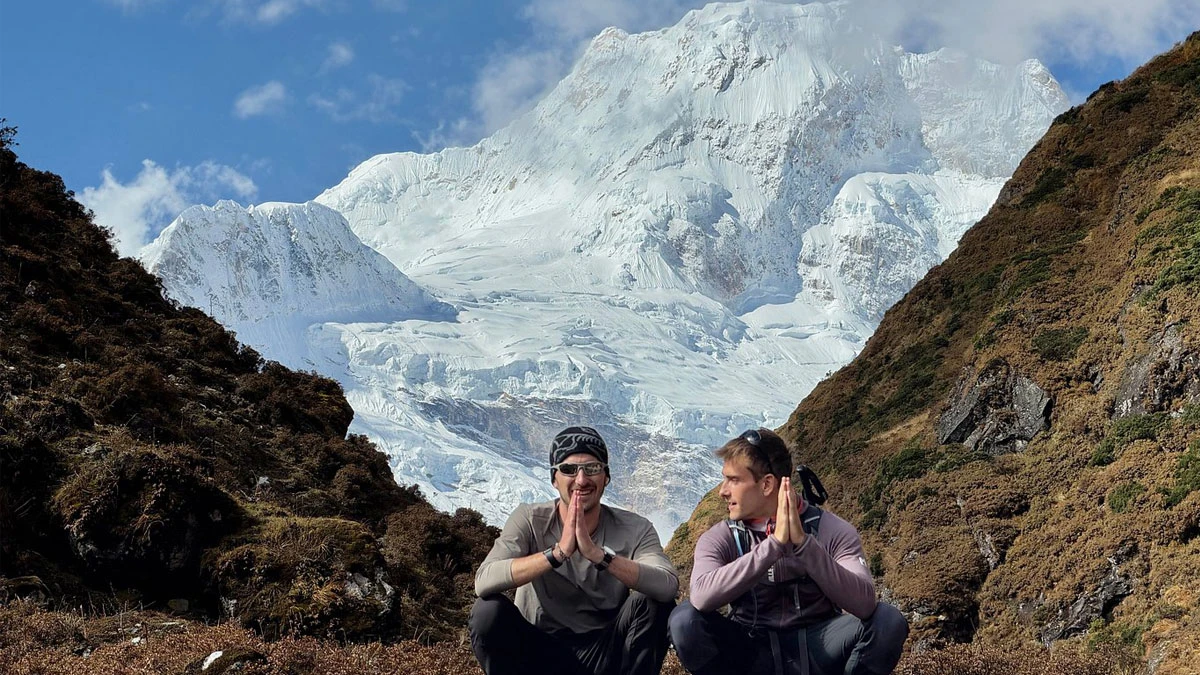
The Manaslu region is deeply rooted in the Bon tradition, one of the oldest forms of Tibetan Buddhism, where you get to pass through the pathway, fully influenced by the spiritual serenity. The trail, at villages like Namrung, Lho, Samagon, and Samdo, is decorated with mani walls, chortens, colorful prayer flags, red shrines, and spin wheels that still reflect the untamed culture. The notable Buddhist monasteries to visit are Ribung Gompa, Pungen Gompa, and the old ancient stone houses; yak pastures, tucked away between the gigantic mountains, give a pure Tibetan feel and make the journey more meaningful.
Acclimatization Hikes around Sama Gaon
The trek includes one rest day before going beyond 4500 meters; however, this day is more than just a break for your legs, and more of a rewarding deep exposure to the trail. One of the best things about the acclimatization day is that it allows your body to adjust to the altitude gradually, and also gives you a chance to be involved in a short hike near some of the popular places within the region, which you can choose from.
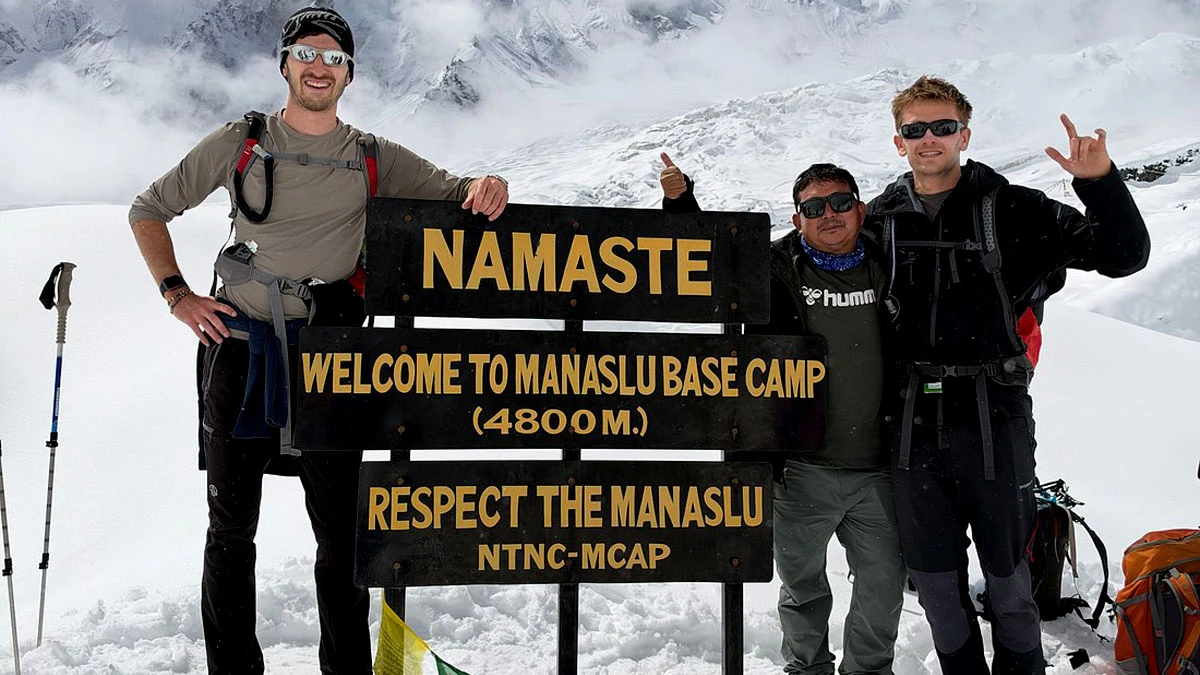
Manaslu Base Camp: A steady climb from the village takes you to the foothills of the world's 8th tallest peak, Mt Manaslu, at a height of 4800 meters. It involves a walk through a steep and alpine section too, which is perfect for those who seek a bit of thrill before reaching the pass, giving you a quick demo, but it is relatively easier than crossing the pass. It takes 6-7 hours round trip, with rewarding views of glaciers, rocky rides, and a panorama of Manaslu (8163 m).
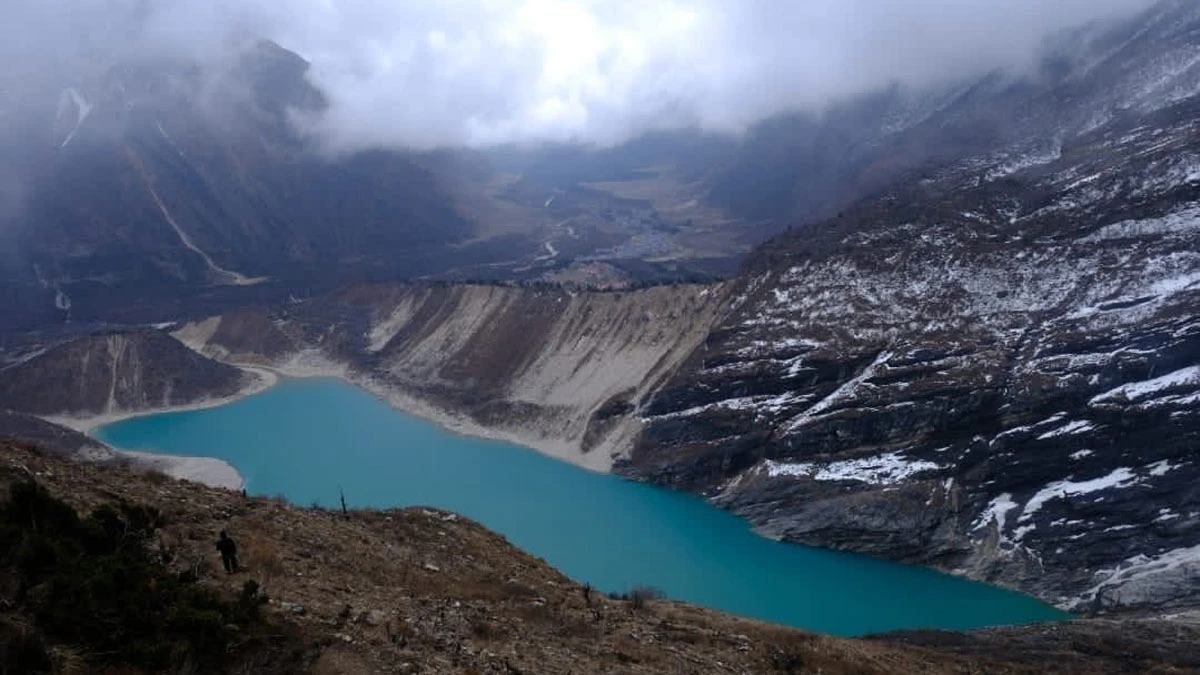
Birendra Lake: For beginners, as an alternative to the base camp, it can be an ideal option that features a gentle walk, leading you to the emerald-like Birendra Lake, fed by the Manaslu glacier. The alpine lake becomes even more intriguing at sunrise, when you get to take a glance at the reflection of the northern face of Mount Manaslu directly in the water.
Larkya La Pass
The Larkya La Pass is the highest that you could reach during a 12-day trek, which stands tall at 5160 meters above sea level, and is known to be one of the most challenging passes in the Himalayas. Standing here offers the most awe-inspiring, dramatic view of the panoramic Himalayan range, and expansive views of Ngadi Chuli, Himal Chilu, and prominent clear insights into the Manaslu and Annapurna ranges.
Experience Remote Teahouse Life and Local Culture
The accommodation along the route is fully operated by the local people; hence, you will be accommodated at the tea houses throughout the journey. Settling in at the mountain lodges gives you an authentic experience of mountain life; savour the local meals at the communal dining area, interact with the locals, and learn to do farming, yak herding, and wool carving. The lower part is fully occupied by diverse ethnic groups, such as Brahmins, Chhetri, Tamang, and Gurung, whereas the upper region is fully dominated by Nubri and Tsumba people; hence, you get to experience a rich blend of cultures, languages, customs, and Buddhist traditions as you move higher into the region.
Diverse Landscapes
Apart from its rich cultural heritage, Manaslu is popular for its diverse natural landscapes featuring six climate zones, a heavenly paradise for nature lovers, photographers, and even writers. The route winds through lush valleys, subtropical forests, and terraced farms in the beginning, then shifts into alpine meadows, moraines, glaciers, and high‑altitude alpine valleys. As you approach higher altitudes, the terrain opens up into towering cliffs and rugged glacier country, with icy ridges and stark, windswept slopes as you make your way toward the pass.
Costing for 2026 and 2027
The 12-day Manaslu Trek starts from USD 799 and goes up to USD 1,099 per person, depending on the size of the group. The total cost can also vary based on factors such as extra trekking days, starting point, personal expenses, and transportation preferences. If your trip follows our standard package inclusions, no additional charges are required. For more details on what is included and excluded, please check the cost details section below. Here is the package pricing based on group size:
| Group Size | Cost (USD) |
| 1 | 1249 |
| 2-5 | 1099 |
| 6-9 | 999 |
| 10-15 | 949 |
All required logistics, permits, accommodations, meals, and a supporting licensed guide are included in our package.
Solo Private Trek vs Group Join: Which Option Is Best?
Trekking to restricted areas is now allowed for solo travelers in 2026, as the previous rule requiring a minimum of two hikers per group is no longer necessary. If you are traveling alone and want to do the trek privately, this gives you full freedom to customize your trip according to your preferences and budget. You do not have to depend on others or wait for fixed departure dates based on group availability. A private trek also means you will have your own trekking guide, giving you full support, whereas in a group, the guide is usually shared among multiple trekkers.
However, for those who want a travel companion and do not have friends, family, or a partner to join them, joining a group can be a better option. In a group trip, the cost generally remains similar if you do not have your own group, but it can still be shared with a guide and porter, which helps reduce the overall expense. Choosing between a private solo trek and a group join depends on the individual’s preference, budget, and travel style. For more guidance, you can always discuss it with us.