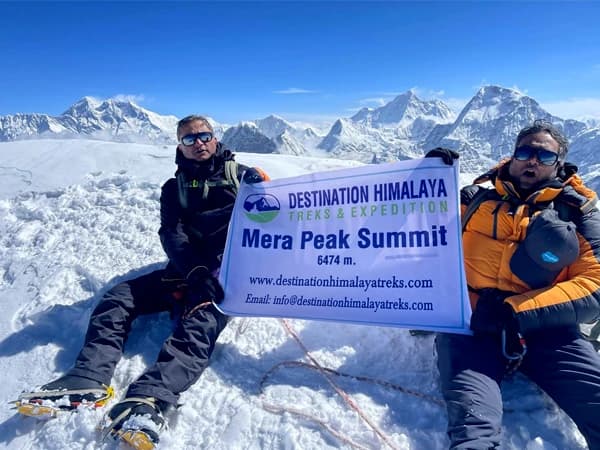
Mera Peak is the highest trekking peak in Nepal, standing at 6,461 meters (21,190 ft) and located within the Makalu Barun National Park. Mera Peak Climbing is usually done by adventure seekers who are looking for the safest possible non-technical option, as many summitters usually do this summit before aiming for higher expeditions.
Hence, you can consider it to be beginner-friendly and less hazardous, where you do not need hectic training or expensive technical gear. Reaching the pinnacle, or Mount Mera, it surrounds you with an expansive panorama above 8000-meter peaks: Mount Everest (8848.86 m), Mt. Cho Oyu (8188 m), Lhotshe (8516 m), Mt. Makalu (8463 m), Mt. Kanchenjunga (8586 m), along with other giants, ranging between 6000 and 7000 meters.
Short Mera Peak Climbing
Our 12-day Short Mera Peak Climbing explores the wild, off-beaten, and less crowded trails of the scenic Hinku and Khumbu valleys, exploring traditional Sherpa villages. The itinerary typically begins with a Lukla Flight, and takes a gradual ascent, with one acclimatization day at Khare, ensuring a smooth ascent. This 12-day trek is the shortest version of the standard 18-day Mera Peak climbing trek, following a distinctive trekking route, curated for those who have limited time and good physical fitness.
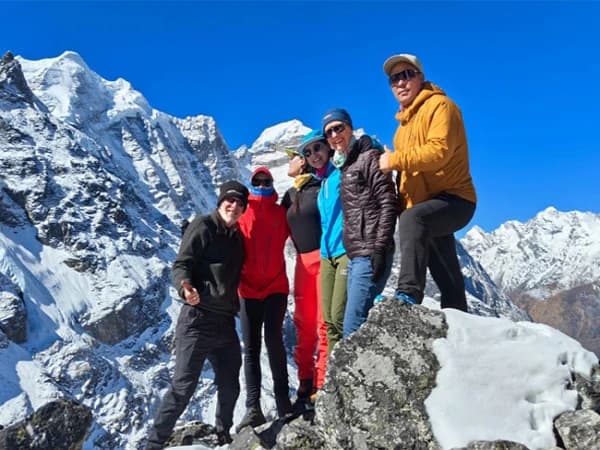
The expedition is led by an experienced Sherpa guide and a trekking guide, who have many historical achievements and are medically trained and equipped. You don’t need to be a professional climber or have previous high-altitude expedition experience. With proper preparation and a strong support crew, we’re confident you can successfully reach Nepal’s highest trekking peak within just 12 days.
Highlights
- Summit Nepal's highest trekking peak, through the shortest route possible
- Stand at the height of 6476 meters, Mt. Mera, with an experienced Sherpa climbing guide and crews
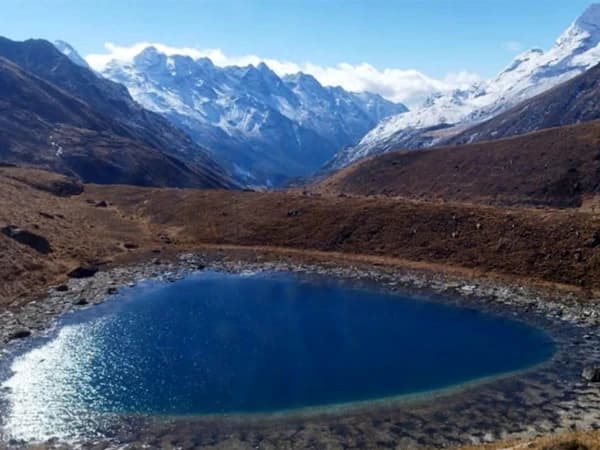
- Pass by remote Sherpa settlements and rhododendron forests, terraced farms, and rivers, glacier-carved landscapes, and alpine valleys
- Camp at Mera Base Camp and make an early morning summit, experiencing a true Himalayan thrill expedition
- Cross one of the highest Himalayan passes, Zatrwa La Pass (4600 m)
Why the Short Mera Peak Route Is Safe and Rewarding?
The Short Mera Peak climbing route is up to the mark as it keeps the required essential safety elements of the classic expedition: gradual altitude gain, a rest and training day at Khare, a high camp stayover in a tent, and a guided summit push, removing unnecessary extra travel days and making it cost-effective. You do not have to spend money for extra days, as it shortens an almost week-long itinerary, which suits fit trekkers looking for a shorter and well-organized itinerary.
A Faster Route without skipping Key Acclimatization
The shorter route follows the Lukla–Zatrwa La–Hinku Valley trail, reaching Khare faster than the traditional longer itinerary. Even with this compressed schedule, a well-designed short itinerary includes a full rest and training day at Khare, giving your body essential time to acclimatize before heading to Mera High Camp and the summit.
Khare lies at approximately 4,900–5,045 m, while Mera High Camp is around 5,780 m. This makes Khare the key acclimatization stop on the route. Spending the night there, taking a short acclimatization hike, and practicing basic climbing techniques help lower the risk of altitude-related issues before the final climb.
Personal Climbing Training at Khare
Before the summit day, your climbing guide will give you a comprehensive guide and practical instruction in using the technical gear, such as an ice axe, harness, rope, ascender, and descender. This preparation is essential as the higher section of the peak, including snow and ice slopes and the final ridge, requires fixed ropes, anchors, and some techniques that you may not be well aware of.
Thus, the training day also helps climbers become comfortable with the equipment and movement techniques before they need to use them on the mountain. For beginners, this guided preparation stands out as the biggest advantage, which acts as a pushing element for your successful ascent.
A Controlled Summit Push From High Camp
The short itinerary follows the same proven summit sequence as the longer route: Khare, Mera High Camp, an early-morning summit push, and the descent. Overnighting at High Camp makes summit day shorter and allows the team to begin the climb in more stable early-morning conditions.
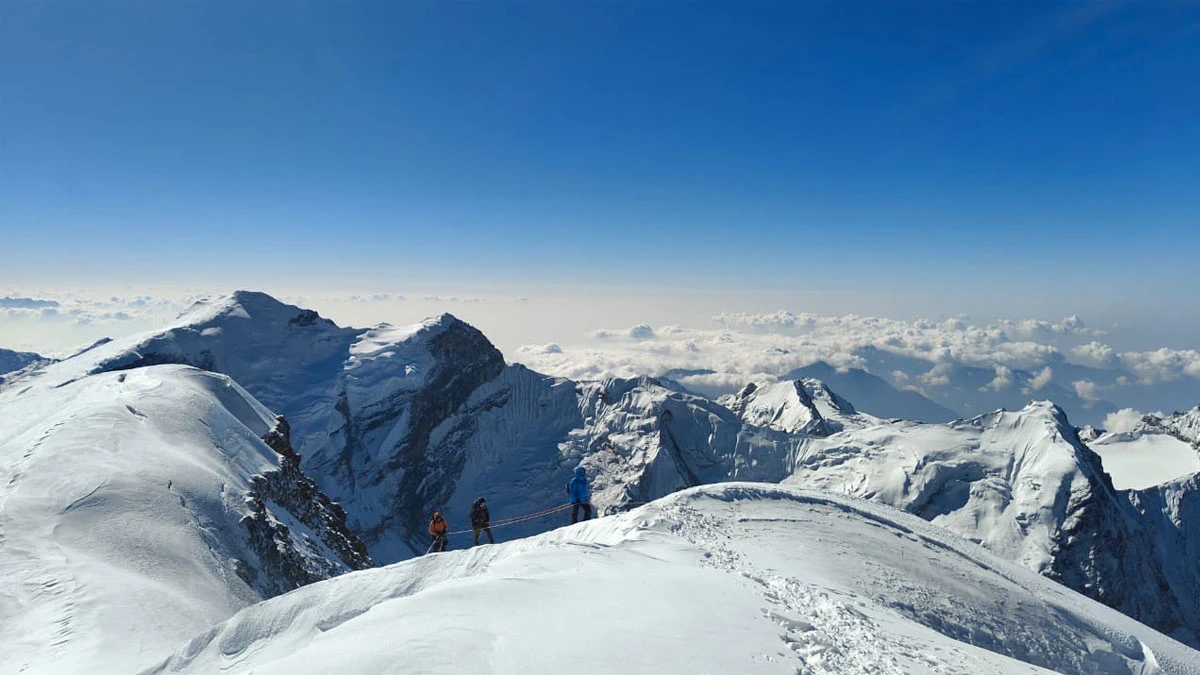
On summit day, guides carefully manage the group’s pace, weather conditions, rope-team spacing, and each climber’s physical condition. Fixed ropes and anchors are placed on the steeper sections, while climbers use harnesses and safety ropes for balance and protection throughout the ascent.
A Real Himalayan Climbing Experience
Despite the route being shorter, it won't make it feel shorter in any terms, without compromising your experience. You still get an opportunity to walk across the dramatic Himalayan pass of Zartwa La, whereas the trail offers impeccable insight into Everest, Lhotse, Makalu, Cho Oyu, and other eastern Himalayan peaks from the summit ridge. This combination of accessibility, adventure, and high-altitude scenery makes the short itinerary ideal for trekkers with limited vacation time but strong fitness and previous high-altitude experience.
Short Mera Peak Climbing Cost for 2026 and 2027
Our Short Mera Peak Climb cost ranges from USD 1849 to USD 2199 per head, which covers all the essentials, such as permits, accommodation, food, a trekking guide, and insurance, as well as guide and porter expenses. To sum up, it basically includes the requirements and a local expert guide, with supporting crews, helping you to take a successful summit efficiently. The cost highly depends on the number of people in your group, as the no. of hikers per group is the main factor that impacts the pricing. If you have more no. of climbers. Here are brief insights into the costing as per the group size for the years 2026 and 2027:
| Group Size | Cost (USD) |
| 1 | 2199 |
| 2-3 | 1999 |
| 4-7 | 1949 |
| 8-12 | 1849 |