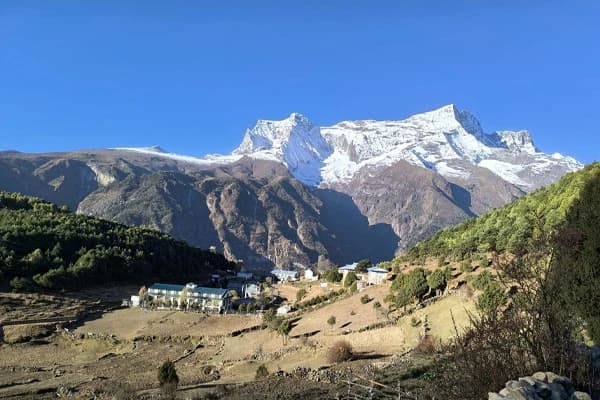
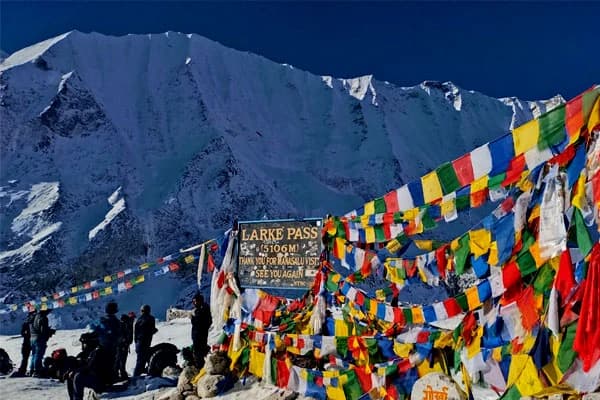
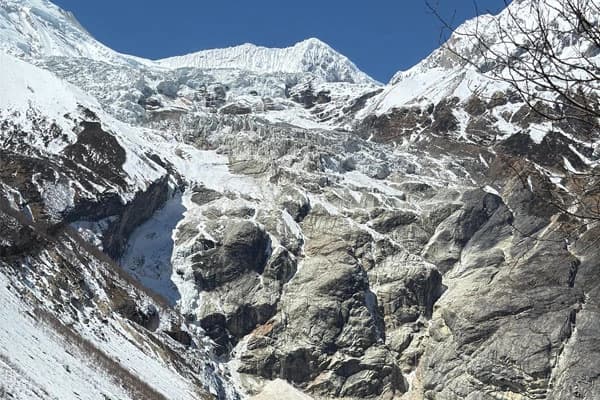
The Three High Passes Trek is one of the most adventurous trekking odysseys in the Himalayas that takes place within the Everest region. It encircles the iconic Mount Everest and crosses the three legendary passes, above 5000 meters, and also reaches Everest Base Camp, making it one of the best destinations in the mountains. However, undertaking this trekking route is quite tough, demanding lots of patience, consistency, and planning. But choosing the right one can make your adventure easier, smoother, and more doable. As there are many ways to undertake this venture, many may be in a dillema to choose, correct one. Hence, in this blog, we will discuss the route for the three high passes and which approach to take, either anti-clockwise or clockwise, so you can selectively choose the right way.
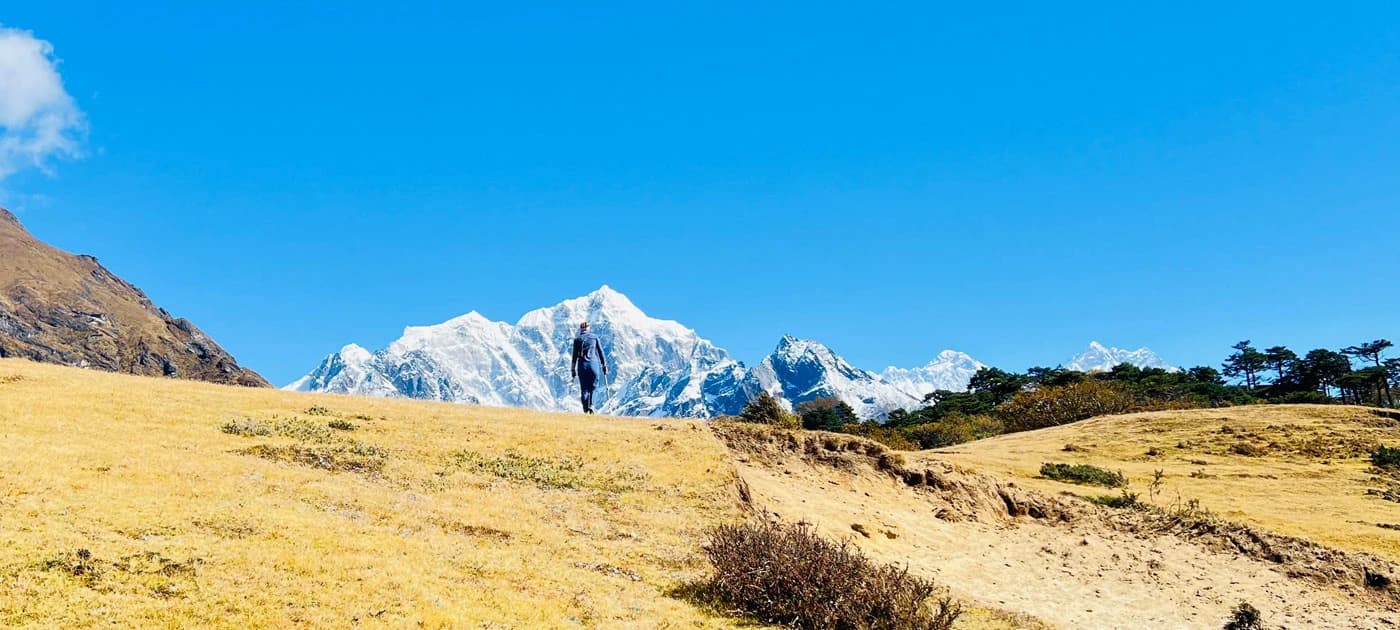
Clockwise vs Anticlockwise Three Passes Trek: Which Route Should You Choose?
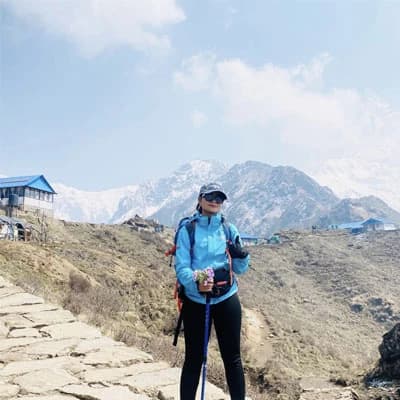
Quick Overview of the Three High Passes Adventure
The Everest Three Passes Trek, also known as the Everest Circuit Trek, unveils the beauty of the raw Himalayas, culminating in Everest and crossing major passes of Kongma La, Cho La, and Renjo La, all residing at altitudes above 5000 m. It also explores the pristine, holy Gokyo Lake, attains the vantage point of the Gokyo Ri, and also covers the best highlighted sides of the Everest Trail, or you can say, Khumbu Valley. What makes this journey more fun and amazing is that you get to, also, reach the pinnacle of Kala Patthar at 5545 meters, the highest anyone can reach to witness the panorama of Mount Everest, without summiting mountains or having any prior experience.
It also showcases the untamed insights into the Himalayas, exploring the rugged, remote side of the Khumbu-Everest region, which makes the trip quite authentic rather than just doing the standard EBC Trek. The trek lasts for 18-19 days, starts and ends with a regular Lukla flight, but has a road route option too, which one can relatively select, depending on personal experience.
Trip Facts:
- Distance: 93-112 miles
- Duration: 18-19 days
- Starts and ends with a Lukla Flight, but has access to the Jiri or Salleri route by road too
- Difficulty Level: Moderate; however, demands proper preparation and training
- Approachable by fit beginners as well
- Takes place in the Everest region
- Requires 1-2 days contigency days, as the Lukla flight sometimes gets delayed due to high traffic congestion and climatic conditions
Clockwise vs Anticlockwise Closing: Which Three Pass Method Is Better?
When trekking the Everest Three Passes, trekkers have two options: Clockwise or Anticlockwise. The Clockwise method of doing the Everest Three Passes trek takes approximately 16-19 days, whereas the Anticlockwise one takes around 17- 20 days, depending on the pace at which the trekkers walk. Both are excellent choices for these treks, but the Anticlockwise Trek offers better timing for acclimatization than the Clockwise Trek.
What does Clockwise and Anticlockwise Closing Mean?
The Clockwise and Anticlockwise closing actually means or refers to the direction the trek goes and finishes; although both of them revolve around trekking in the same region, both of them have very different closings.
Definition of Clockwise Closing
The Clockwise method of doing the Everest Three Passes Trek usually takes around 16-19 days and starts from the busy Everest Base Camp, branching off in a different direction while staying in the same region. The Clockwise Closing Trek goes through the iconic passes in the order of Renjo La, Cho La, and then finally the Kongma La Pass. The Clockwise Trek takes the trekkers through Namche towards Thame and Lungden, and from Renjo La to Gokyo and then across Cho La towards Dzongla.
Definition of Anticlockwise Closing
The Anticlockwise method of doing the Everest Three Passes Trek takes around 16- 19 days and does not start from Everest Base Camp like the Clockwise Trekking Method, but it starts with Steeper early ascents, and there is a smaller crowd where you start off. The Anticlockwise Trek goes over passes like Kongma La, Cho La, and Renjo La; it takes the trekker through the passes in a different order.
Why the Closing Direction Matters?
The Closing Direction Matters due to the time taken to acclimatize on different routes; your choice of direction you want to take also depends on how quickly you reach the high passes and the technical difficulty the trekkers face in the two different passes. The anticlockwise path has a steeper ascent in the beginning, and also depends on the weather and trail conditions. Most of the trekkers decide to take the Anticlockwise trek as it has a more comfortable walking trail for most of the trekkers.
Understanding the Three Passes Closing Method
The Three Passes Closing Method has been explained accordingly;
First Pass: Preparing for the High-Altitude Section
When doing the Three Passes Trek using the Anticlockwise method, you go through Kongma La to Cho La and then finally to Renjo La. When you do the clockwise method of the Three Passes, you then go through Renjo La to Cho La and then finally pass the Kongma La Pass. If you intend to do the trek by following the Anticlockwise Method, the Kongma La Pass becomes the first major challenge that you have to cross, which sits at 5, 535 m and has an alpine trail along the route which is rugged and requires sturdy trekking boots when doing it. The Clockwise Method takes the trekker through Renjo La, which sits at an elevation of 5, 360 m and has a fairly refined walking trail in comparison to the other passes.
Second Pass: Cho La and the Mid Section
The Cho La Pass is the mid-section for both passes and sits in the middle of both the Clockwise and the Anticlockwise Trekking Method. This is considered to be one of the more technically demanding sections for both of these trekking methods. There can be a lot of snow on the trail depending on the weather and the season you have chosen to take this trek up. The descent for this method can become physically demanding as the trek moves forward. By the time the trekkers reach the Cho La Pass, they will have already done one high pass.
Third Pass: Completing the Three Passes Trek at Renjo La or Kongma La
If you choose to do the Three Passes Trek through the Anticlockwise method, then Renjo La becomes the last Pass that you have to cross, which sits at an elevation of 5, 360 m, and if you decide to do the Three Passes Trek using the clockwise method of Clockwise Method, then the final pass becomes Kongma La Pass, which is at an elevation of 5, 535 m.
Clockwise Trek: Advantages and Disadvantages
Here are some of the Advantages and also the Disadvantages that trekkers might experience when attempting the Three Passes Trek from the Clockwise method.
Advantages for Clockwise
- The Renjo La is one of the most beautiful passes and when it becomes the first pass, the trekkers go through the trek starts becoming more lively.
- This method gives the trekkers an opportunity to experience the Gokyo and Thame side pretty early on.
- The trek has the Kongma La Pass as the final pass that they have to cross.
- This method has the widely considered tough pass at the very end of the trek: Kongma La.
Disadvantages for Clockwise
- This method involves going through a high pass relatively early, which most of the trekkers may not want due to concerns for acclimatizing.
- The weather window can make crossing the final pass quite difficult.
- This method is widely regarded as great for experienced trekkers but is not recommended for beginners.
- Finishing off the trek with the Kongma La Pass can prove to be quite difficult for a lot of trekkers.
Anticlockwise Trek: Advantages and Disadvantages
Here are some of the Advantages and also the Disadvantages that trekkers might experience when attempting the Three Passes Trek from the Anticlockwise method.
Advantages for Anticlockwise
- This method of doing the Three Passes Trek is quite favourable for beginner trekkers.
- Most of the itineraries for the Three Passes Trek are designed according to this method.
- The Kongma La Pass is the pass that comes first.
- The Renjo La Pass comes at the end.
Disadvantages of Anticlockwise
- This method of doing the three high passes features a tough pass right at the beginning.
- If proper acclimatization is not done, the trekkers may struggle with doing the trek.
- Even though this route is commonly taken up by most of the trekkers, it is not relatively easy.
- Poor weather windows can affect the trekking experience.
Clockwise and Anticlockwise Differences
The key differences between the clockwise and anticlockwise methods of doing the Three Passes Trek can be summarized as follows.
Speed and Efficiency
Clockwise: Renjo La to Cho La and then finally to Kongma La
Anticlockwise: Kongma La to Cho La to Renjo La
When doing the Everest Three Passes Trek, we suggest that you do the trek through the Anticlockwise Method, as it is extremely great for acclimatization efficiency, pacing, and speed; you reach the Kongma La Pass fairly early on when you are not tired, in comparison to reaching it later on when you start becoming more tired, and one of the other main reasons is that you have more efficiency for trail navigation.
Difficulty and Acclimatization
When comparing the two methods of doing the Three Passes Trek: Clockwise and Anticlockwise, the better method of doing it when considering and encompasses features like Difficulty and Acclimatization. We suggest that you do the Anticlockwise method, as this method is the safest to do due to its favourable and friendly approach towards acclimatization. Looking at how difficult the terrain navigation gets, we highly suggest that you do the Anticlockwise method if you are a beginner.
Which Three Pass Trekking Method should you choose?
Here are some of our recommendations for who should prefer doing the Three Pass Trek, depending on what kind of trekker they are and many more aspects, which we have listed below:
Who should prefer the Clockwise Method?
The Clockwise Trekking Method is usually taken up by trekkers who are quite experienced in doing treks, and who also like encountering the challenging phase of the trek at the end. People who want to experience their own list of views and have their own itienary, they naturally fit this direction. Trekkers who also want to reach the Gokyo and Thame side first are known for choosing this method.
Who should prefer the Anticlockwise Method?
People who do the Anticlockwise Trekking Method are usually the people who want to follow the commonly taken itinerary. The Kongma La Pass coming first in the Anticlockwise method is also a factor that contributes to it, as it is relatively easy in comparison to other passes, and trekkers who want to do the Renjo La Pass at the end also actively do this method.
How to select the right method for you?
When trying to select the right method, make sure you look at your history of doing high-pass treks. If you are relatively new, we suggest that you do the Anticlockwise Method, as it is very beginner-friendly, and if you already have prior experiences of doing, you can do either of the methods. Also, it depends on which pass you want as your first and last to cross.
Common Mistakes to Avoid
- Not acclimatizing properly
- Pushing yourself too much at high altitude
- Not staying properly hydrated throughout the trek
- Ignoring early symptoms of AMS
- Not checking the weather forecast beforehand
- Attempting to cross a pass too late in the day
- Trying hard to complete the trek early
- Not packing the essential gear required to trek through different trails
- Failing to prepare for snowy and icy conditions
Final Thoughts: Direction Matters, Support Matters More
Whether you go clockwise or anticlockwise, the Everest Three Passes Trek delivers the complete high‑Himalaya experience: Kongma La, Cho La, Renjo La, Gokyo Lakes, Everest Base Camp, and Kala Patthar. For most trekkers, though, the anticlockwise direction is the more sensible option. It spreads altitude gain more gradually, fits naturally into proven acclimatization schedules, and matches the itineraries used by most guiding teams.
For your 2026–27 expedition, Destination Himalaya Treks takes care of the details that turn a complex route into a smooth journey. We design anticlockwise itineraries with built‑in rest days, provide seasoned Sherpa guides, arrange all permits and Lukla flights, and plan for weather delays and other contingencies. From fitness preparation before you arrive to day‑to‑day safety and comfort on the trail, our support lets you concentrate on the mountains instead of the logistics.
Start planning your trek: visit our Everest Three Passes Trek page, and we'll customize the route, pacing, and services to match your fitness level, available time, and budget.