What “Solo” Means on the Manaslu Circuit?
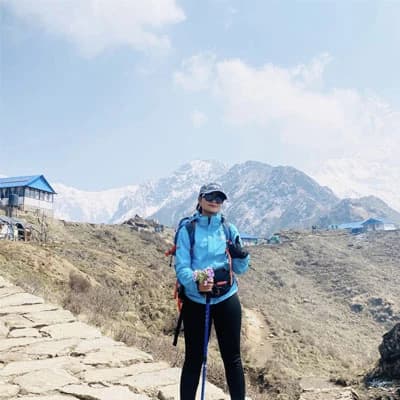
On the Manaslu Circuit, solo means you are doing the trek privately, without any group joining, or with your own group, not that you are walking all alone by yourself. Trekking to the Himalayas poses many risks, like weather changes, natural hazards, or emergency situations, where you must be assisted by a licensed, medically trained, and equipped guide; otherwise, there are many challenges 24 hours. Nepal grants permission to travel or trail along all by yourself and arrange a private, solo, one-person journey, but a licensed guide and a registered trekking agency are still required.
Solo Trekker vs Independent Trekker - Know the Differences
A solo trekker is one hiker (traveler), or individual undertaking the private trip to Manaslu, with a licensed guide, legal permits, and full agency support. Whereas an independent trekker is someone attempting the route walk without any accompaniment of an agency and guide arrangement; this is not permitted and is considered illegal, as Manaslu is a restricted trekking area.
- Solo Trekker - One traveler on a private trek alone, with a licensed trekking guide, arranged by a travel agency
- Independent Trekker - One traveler trekking all alone, with no legal permission, without any agency, permits, or guide
- Group Trekker - One traveler who is seeking to join a group, for budget-friendly travel or to travel in a group on a guided group trek
What Changed in 2026?
Until March 2026, foreign trekkers compulsorily needed at least 2 people to obtain the Manaslu Restricted Area Permit, including all the restricted areas. Meanwhile, to promote tourism and ensure that all adventure seekers have an opportunity to explore the remote regions, Nepal removed the minimum-two-trekker requirement on 22nd March 2026, allowing a single solo foreign trekker to get access to the permits through a registered trekking agency.
However, the guide requirement did not change; hence, a solo traveler must still be accompanied by a licensed guide, and the trek must be organized through a registered Nepali trekking agency.
To learn about the major rule updates, read our recently published article, “Recent Restricted Area Rules.” It provides a complete overview of the current regulations, including permit requirements, costs, the solo-trekking update, and what has changed.
What a Solo Manaslu Trek Includes
- A licensed trekking guide, medically trained and equipped through a registered travel agency
- Legal permission from the Nepal Tourism Board
- Registration and tracking of your entry and exit on the trails
- Required permits arranged through the agency itself
- Private itinerary and pace, set by your previous experience, health, and fitness level
- Teahouse bookings and logistics support
- Support with route navigation, altitude awareness, and local communication
What "Unguided" Means on the Trail?
Unguided Manaslu Circuit means trekking without hiring a licensed guide, with no support from the travel agency. As I've already mentioned, the trailhead falls under the restricted area, where one must obtain the Restricted Area Permit through a registered trekking agency, and the traveler must trek with a guide through the restricted section. An unguided trekker would have no licensed guide to handle permit checks, navigate the trail, communicate with local communities, manage altitude-related risks, or coordinate support during an emergency. As the route passes through restricted border areas and remote high-altitude terrain, Nepal requires a guide for both regulatory and safety reasons.
Real-life dangers unguided trekkers faced in 2026
The October 2026 Budhi Gandaki flood showed how quickly conditions on the trailhead, including the Manaslu Circuit, can change (the Manaslu trail follows the river). A landslide, blocked the river, triggering flash floods that destroyed trails, suspension bridges, and access routes - leaving more than hundreds of trekkers stranded in different parts of the region. For trekkers, with no guide, the situation was especially challenging and completely dangerous, as the trail washed out in both directions, many had no safe way to move neither uphill or go downhill and has no clear way to arrange rescues, and communicate with the agency, contact to the authorities, and update families about their well-being.
Authorities reported that more than 100 foreign trekkers were stranded because sections of the trail had been washed away. Some were eventually evacuated by helicopter, while others had to wait for trails and bridges to be partially restored.
Hence, the 2026 flood is a clear message and an alert: hiring a guide remains a safety asset for your well-being. Even though a single trekker can now obtain required permits, a licensed guide remains essential for safety, navigation, permit compliance, and emergency response on this remote and hazard-prone route.
Independent vs Guided Manaslu Circuit: Cost Comparison
The cost of the Manaslu Circuit Trek, highly depends on your itinerary length, group size, seasonal basis, and main what your package includes and excludes. A guided package combines several expenses into one cost, while arranging the services separately means paying for permits, transportation, accommodation, meals, and guide support individually. Even though you are travelling solo, you must hire a guide through an agency, where the package covers all your essentials.
Independent-Style Trekking Costs
For those seeking unguided trekking, as Manaslu is a restricted area trek, you can choose independent-style trekking, which includes the support of a guide. However, you need to arrange most things yourself and budget separately for the permits, a licensed guide, teahouse accommodation, transportation, insurance, gears, and others.
While many travellers choose independent trekking to keep costs low, it can often become more expensive and difficult to manage than expected. Instead of enjoying the trail, you may find yourself constantly dealing with permits, transport, accommodation, route changes, and unexpected logistical problems—making the experience mentally exhausting.
Some travellers try to arrange guides through social media platforms such as Facebook and Instagram. However, this can lead to disappointment when the guide turns out to be unprofessional, poorly organised, or asks for extra tips and unexpected charges along the way. As the Manaslu Restricted Area Permit must be arranged through a registered trekking agency, "independent-style trekking" still requires an agency and guide support.
Guided Trekking Costs
With a guided trek, you usually pay one package price; with that cost, your essentials will be covered: licensed guide, agency services, permit arrangements, teahouse accommodation, meals, and transport. Some packages also include a porter, private jeep, guide and porter insurance, airport transfers (pick-up and drop-off), and additional logistical support. Before booking, confirm and get a complete overview of what is included and excluded. Packages usually exclude travel insurance, personal trekking gear, tips, wifi, device charging, extra snacks, and emergency situations (evacuation), as they all fall under personal expenses.
Solo vs Guided: Cost Comparison
| Cost Classification |
Independent Style Trek |
Guided Trek |
| Guide |
Budget for a licensed guide, usually a private guide costing |
Included in the package, along with an assistant guide; 1:6 guide ratio |
| Accommodation |
Arrange and pay for teahouses/lodges directly |
Included and arranged by the agency |
| Food |
Pay per meal |
Often included in the package (Breakfast, Lunch and Dinner) |
| Permits |
Arrange through the third party (illegal) |
Agency handles the paperwork and permits |
| Transportation |
Plan and pay separately |
Sharing is included in the package, but for a private jeep/car, you need to pay extra |
| Insurance and gear |
Need to arrange/buy/rent all by yourself |
Agency gives a duffle bag, sleeping bag, basic med-kits, but your insurance must be arranged by you |
| Wifi, charging, and tips |
Extra |
Personal Expenses (Extra) |
| Emergency costs |
Keep a financial buffer |
| Guide or agency may help coordinate assistance, but rescue costs can still be extra |
|
Main Cost Components
For 13- 16 days Manaslu itinerary, the major costs are the restricted area permit, trekking guide, porter, transportation, meals and accommodation. The permit costs are higher in the months of September, October, and November, while the guide and porter charges rise when trekking solo, as the costs are not divided among the groups.
- Manaslu Restricted Area Permit - USD 75 for the first week, from December to August, or USD 100 from September to November; then USD 10 for additional days after a week
- MCAP - Approx. USD 22 per person
- ACAP - Approx. USD 22 per person, same as MCAP
- Tsum Nubri Rural Municipality fee - USD 8 per head, if route is extended to Tsum area
- Licensed Trekking guide - USD 35-40 per day, but if you are seeking a major specialty, like your native language speaking, then it goes above USD 50 to USD 70
- Porter - USD 20-22 per day, can carry up to 20 kgs
- Guide - Porter - USD 40-45 per day, simply means the guide will carry your backpack, as a porter
Solo Vs Guided: Navigation, Accommodation, Food and Daily Trekking
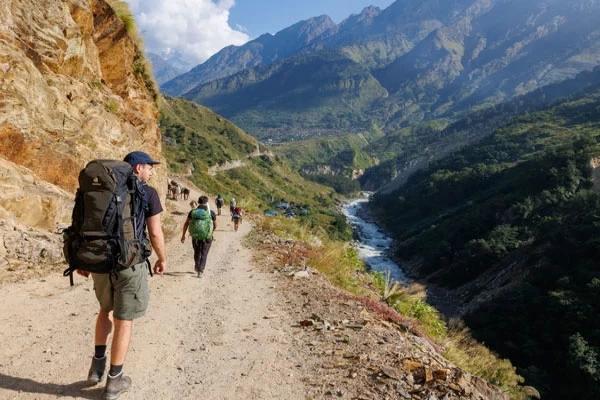
In the Manaslu region, a remote and isolated area, each day involves travelling from one village to the next, taking meal breaks along the way, and staying overnight in a local teahouse. Although teahouse accommodation is available in major key stops, you need to plan your daily stops more carefully and remain flexible to any changes, like weather conditions or pass blockage, your walking pace, and room availability.
Navigation
If you are trekking independently, it is important to stay updated regarding the trails, keep informed about the routes through locals, and carry an offline map or GPS-enabled phone and pay close attention to trail markers. Even though speaking with villagers (local people) can be helpful, landslides, road construction, rerouted trails, poor visibility, and bad weather can make certain sections challenging to follow. A licensed trekking guide knows the Manaslu region well, knows what dangers to expect, which safe route to follow, and what immediate action should be taken during emergency situations. He also explains local conditions and helps you decide whether to continue, wait, or change your plan, which becomes crucial in remote sections and around the pass crossing of the thrilling Larkya La.
Accommodation
The accommodations along the trail are all on a tea house basis, run by the local mountain people (villagers) themselves, offering simple facilities: twin-bed rooms, blankets, and shared washroom facilities. The standard of rooms, bathrooms, Wi-Fi, and charging accessibility varies from one village to another, but expect more remoteness as you get higher. Trekking independently gives you full freedom to choose where to stay and what budget to offer, but in peak seasons, room availability is zero due to a high no. of trekkers and pre-booking done by the agencies. A trekking guide and agency arrange the rooms in advance and coordinate with teahouses along the route, being helpful when you follow a set itinerary, regardless of how you travel.
Food
The teahouses generally serve simple meals, catering to the taste of every trekker, for breakfast, lunch, and dinner. Trekking independently gives you a full hand permission, on food choices, where you can select, any meals, you want, and it will be prepared freshly. While the guided package covers full meals, independent trekkers should plan meal breaks and carry snacks for long walks. A guide can help schedule lunch and dinner stops that match the day’s route and altitude plan. In either case, drink water regularly, avoid overexertion at altitude, and inform the teahouse in advance about any dietary requirements.
Daily Planning
A typical trekking day along the Himalayas starts with breakfast, followed by several hours of trekking, and an arrival at the teahouse in the afternoon/evening, until 5:00 PM. Your actual timing, however, depends on your pace, key stops, distance, elevation gain, trail condition, weather, and personal space. If you trek independently, you are fully responsible for deciding when to start, which route to follow, when to rest, what viewpoints to stop by, and how to adjust your daily schedule. With a trekking guide, you get full support on how your day passes by, the following day's plan, and major changes if the weather turns out to be poor or if you need extra time to rest and acclimatize.
Safety and Emergencies
The Manaslu region is a remote territory, with remote facilities, or basic ones, and no hospitals or health posts in between. On many trails, you pass through sections with no trace of people or villages, so if you are trekking independently, then it's all you have in any emergency conditions. Whereas. trekking with a licensed guide gives an added layer of safety, as they monitor the current situation, trail conditions, communicate with local authorities, and coordinate support if any emergency conditions occur, by any means.
Independent trekkers must have a greater responsibility for risk management, evaluation, and staying alert to possible dangers, first aid, communication, and emergency planning. Before setting out, ensure you have suitable trekking insurance, know the location of the nearest rescue points, and understand how to contact local authorities if conditions deteriorate.
Permits and Regulations
Because the Manaslu Circuit passes through a restricted area, trekkers must arrange their permits through a government-registered trekking agency. A licensed guide must accompany you throughout the restricted section, and you cannot obtain the permits or trek the route independently without the agency’s support.
Cultural Awareness
The region is home to diverse communities, with strong Tibetan beliefs and rituals. Trekkers should respect local customs and dress modestly, and ask permission before entering the monasteries. A guide can explain local etiquette and facilitate respectful interaction with the villagers along the trail. Independent trekkers should take extra care to learn basic cultural norms before starting the trek.
Trail Conditions and Season
Trail conditions on the Manaslu can change quickly due to rain, snow, landslides, and river flooding. The best time to trek is generally during the spring and autumn seasons, when weather is more stable, and trail visibility is better.
Before starting the trek, check the latest route status, weather forecast, and trail updates. A guide or local trekking agency can provide current information on closed sections, bridge conditions, and safer alternative routes.
Solo or Guided Manaslu Circuit: Which Option Should You Choose?
The best choice depends on your budget, trekking confidence, preferred pace, and whether you want a private experience or the company of other travelers. A solo trekking Manaslu circuit provides privacy and flexibility, while joining a guided group is usually more affordable, as the cost is split across accommodation, transportation, and the trekking guide.
Who should choose a solo trek?
Choose a solo Manaslu Circuit Trek if you are someone who seeks more privacy, spends more time alone, sets your own pace, does not like to walk along with the group, and prefers a more personalized Himalayan experience. You can select your departure date, walk at your own rhythm, without the pressure of meeting others' pace, and also spend great time at the viewpoints, enjoying the mountain views, taking photographs, and more cultural experiences exploration and enjoy quieter serene moments in remote villages, without coordinating with a group.
This option suits the confident trekkers who are comfortable paying more for a private guide and logistics support, without compromising on budget, and who are looking for more exploration. Even though you travel as one person all solo, you will not be completely unsupported; a licensed guide and the travel agency arrange all the permits, navigation, daily requirements, and altitude-related safety, providing more freedom of a solo journey with professional local support.
A solo trek is also a good fit if you have any specific interest, like if you want the route extension to Tilicho Lakes, Serang Gompa, Annapurna, and Manaslu trails, and get more out of the remote region. Just take note that the Manaslu region is more remote and crosses through the challenging pass of Larkya La at 5106 m; thus, a realistic itinerary and proper preparation are crucial.
Who should choose a guided trek?
Choose a guided group trek, if you want lower costs, a more social experiences, looking out to make new friends, a fixed itinerary. However, the best part is that trekking with a group shares a guide, transportation, and operational costs with other travelers, usually making the trip more budget-friendly than booking a private departure, especially for solo trekkers.
Group treks are best for those who enjoy meeting keen-minded people, sharing meals in teahouses, and celebrating a group success after crossing an iconic pass. As the trail is restricted, a licensed guide and a pre-planned itinerary that handles permits, accommodation, transport, and daily logistics are compulsory.
This is often the best balance for first-time Manaslu trekkers, budget-conscious travelers, and anyone who wants support without giving up the sense of traveling alone. Group departures are especially popular during the main trekking seasons, when more departure dates and fellow trekkers are available.
Conclusion
The Manaslu Circuit is no longer limited to trekkers who have to have a trekking partner or need to join a travel group, as since 22 March 2026, a single foreign trekker can obtain the Restricted Area Permit and enjoy a private one-person journey. However, solo does not mean unsupported or unguided; every traveler must still book through a registered trekking agency and walk along with the licensed guide throughout the restricted area.
At Destination Himalaya Treks, we make this decision simple by offering both private solo departures and small guided group treks. Whether you want the freedom of a customized itinerary, the affordability of joining a group, or expert support with permits, transport, teahouse bookings, and high-altitude safety, our local team can tailor the Manaslu Circuit to your budget, experience, and travel style.
Whichever option you choose, the Manaslu Circuit remains a remote, high-altitude trek that crosses the challenging Larkya La Pass at 5,106 m. Book early with a reputable agency, confirm exactly what your package includes, carry suitable high-altitude insurance, and keep a contingency budget for weather delays, transport changes, Wi-Fi, charging, tips, and emergency evacuation.
Ultimately, choose a solo private trek if you want more freedom and a personalized journey, or else join a guided group trek for lower costs, companionship, and simpler planning. With Destination Himalaya Treks, you can trek the Manaslu Circuit responsibly, confidently, and safely—while enjoying one of Nepal’s most rewarding Himalayan journeys.