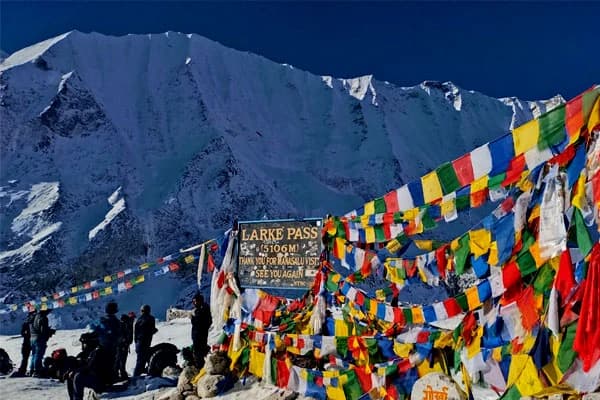
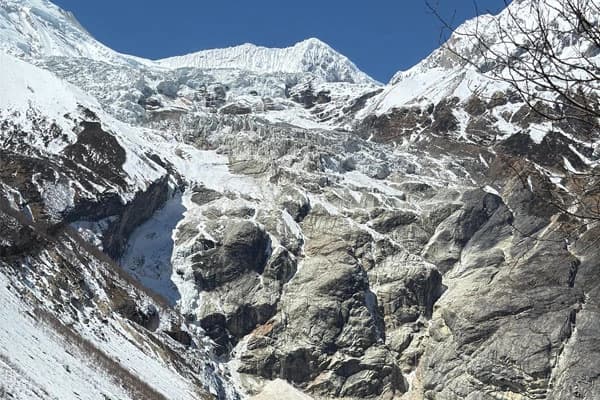
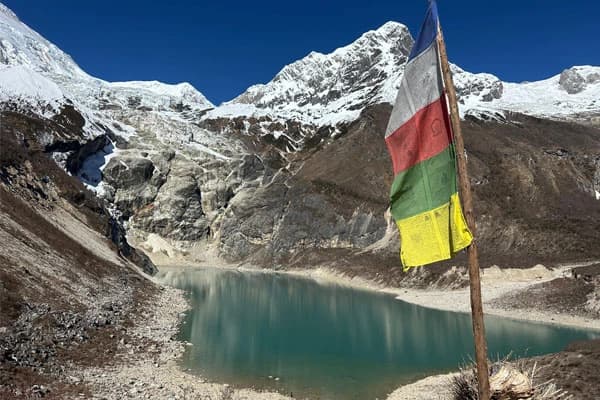
The recent flood in Rasuwa has made trekkers more aware of the safety precautions they should follow while trekking in Nepal and other parts of the world. Although natural disasters such as flash floods are beyond human control, trekkers can still reduce many risks through proper planning and preparation. Trekking in Nepal involves challenges such as high altitude, altitude sickness, sudden weather changes, difficult trails, remote locations, and limited access to medical facilities. Before starting a trek, it is important to make sure you are medically fit and in good health. You should also understand the route, check the weather and trail conditions, carry the necessary equipment, and follow the advice of local authorities and experienced guides. This blog discusses important safety tips to help make your trekking experience safer and more enjoyable.
Safety Trekking Tips in Nepal: Essential Guide for Hikers

Why Safety Matters When Trekking in Nepal
Due to Nepal having various geographical regions and trail conditions, the safety concerns when doing the trek are widely dependent on the region of the trek that the trekkers have chosen to do and is also dependent on how high the trekking altitude is situated in, which broadens the chances of the trekker ending up with Altitude sickness or AMS. Not just these, but when trekking, you should also make sure that if you are a beginner trekker with little to no prior experience, you should choose trekking when the season is more stable and provides an excellent chance of experiencing the trekking region in a stable environment.
The Risks of High - Altitude Trekking
When trekking at higher altitudes in the trekking region, there are a lot of risks of getting altitude sickness, such as Acute Mountain Sickness, High-Altitude Pulmonary Edema, and High-Altitude Cerebral Edema, which, if not treated immediately, can ruin your trekking plan drastically and force you to change your itinerary. But it should be noted that these conditions can be fully prevented by prioritizing rest and acclimatization days and making sure that your body is well hydrated throughout the trek, as these can be caused by fatigue and dehydration in the body as well. Another risk factor when doing these treks is that there are a lot of unstable weather changes, due to which avalanches occur in multiple places in certain seasons, so when trekking during an unstable season, make sure that your itinerary is flexible to the natural blockades that might occur; one of the main things to keep in mind is that when trekking in terrains that are remote and quite high, there is very little medical access around the region. So, carry an emergency kit with you all the time when doing these treks for minor inconveniences that might happen.
Recent Rule Changes for Trekkers
There are not a lot of rule changes as of late right now for trekkers, but the rules that did change the latest are that, when trekking, trekkers must hire a licensed guide in a lot of national parks and protected areas to help guide the trekkers through a better way and be a massive help to make the trekking experience even better for the trekkers. When trekking with a company, the trekkers do not have to worry about hiring a guide separately, as the trekking company handles all of that. The next rule is that permit checking is stricter for trekking, but when trekking with a company, you can rest assured that the company handles that as soon as you book your trek.
Before you go: Pre-Trek Safety Checklist
There are not a lot of safety checklists when doing treks, but there are a few that should be considered and focused on, like making sure that your health and fitness are well prepared, making sure that you have proper travel insurance and documentation before you leave, and making sure that you choose the perfect trek for you and what company to go with.
Health and Fitness Preparation
Make sure that before you go on a trek in any region, you are in good health for trekking in the region that you have chosen to do your trek in becomes even more important to check if you have complicated heart or lung diseases, so make sure that even if you have or have not got a condition that affects your physical fitness and health, you have proper check-ups for anything before you attempt any trek. When trying to build stamina for days of multiple hours of walking, you build aerobic fitness and your leg strength over 8 - 12 weeks, and that can be done by practicing hiking with a loaded pack on hills or inclined land.
Travel Insurance and Documentation
When trekking, you need to make sure that you have insurance that covers high-altitude trekking and helicopter evacuation in full, in time if it might be required in the worst-case scenario; also make sure that you keep digital or printed copies of essential documents like passport, visa, insurance, permits, and contacts that you might need in time of emergency.
Altitude Sickness
When trekking in high landscapes, you need to make sure that before you do any trek, you are properly equipped with the essential gear and that you are ready to trek, but acclimatizing along the trail of the trek is as important as any other component when doing the treks. When you don't do proper acclimatizing you get really sick, and you feel like you do not have the proper energy and stamina required to do the trek. When trekking, you have to make sure that you are properly hydrated throughout the trekking days and that you have spent enough time acclimatizing throughout the trek.
Symptoms to Watch For
Mild AMS: Headache, Feeling of fatigue, Getting Nausea when trekking, loss of appetite, worsening sleep cycles alongside not getting proper sleep throughout the night.
Severe signs: Throbbing and worsening headaches, vomiting constantly, becoming breathless when at rest, and being unable to walk straight when trekking.
What to Do if you feel Sick
If you do end up feeling sick along the trek and the symptoms start to match up with AMS, you have to make sure that you do not start ascending further. You also need to make sure that you are well hydrated, have enough rest, you keep on monitoring your situation, and make sure that you do end up descending if the symptoms start worsening or do not improve over time. Also, you have to make sure that you inform your guide immediately and follow their advice properly, and you might also have to consider Diamox, but only after consulting with a doctor before your trek.
Daily Safety Practices along the Trail
When trekking in the trekking regions of Nepal, make sure that you follow not a lot but some safety practices such as :
Pacing, Hydration, and Rest
When you have an enough, steady, and comfortable pace that you are very comfortable trekking at, don't get full of yourself and start increasing your pace and getting ahead of the group. Also, make sure that you drink at least 3 - 4 litres of water daily to make sure that your body is well-hydrated at high altitude. When trekking, make sure that you avoid alcohol or any form of sleeping pills in the first days at altitude and while acclimatizing.
Weather and Terrain Awareness
When trekking in Nepal, you need to make sure that you check the weather forecast of the respective region daily or beforehand, and if there seems to be unstable weather in the forecast. You have to be ready to adjust and modify it accordingly; you must be cautious on icy trails, rocky and exposed terrains & use trekking poles for better navigation. Also for extra measure, make sure that you consult with the locals and your guide about restricted zones.
Working with Your Guide & Porter
One of the best ways to make your trekking better is by making sure that you are communicating well with your trekking guide about how you are feeling and how you felt about the last day's trek. Make sure that you respect their guidance and their experience; they know the trails best, as they are excellent guides for routes, risk management, and all the other components that make your trekking experience excellent throughout.
Common Mistakes
- Underestimating the weather and the unpredictability of the trekking region.
- Skipping acclimatization days to save time.
- Not properly packing and trying to rush the trek.
- Not properly layering your clothing, having poor footwear that may lead to hypothermia.
- Ignoring the early symptoms of AMS and HACE.
FAQs
Is Trekking in Nepal safe for beginners?
Yes, it is safe if you choose the right trek according to your experience in stable weather; it becomes one of the safest treks you could do.
Do I need a guide to trek in Nepal?
You do not necessarily require a guide to trek in Nepal, but most of the national parks and conserved areas require foreign trekkers to have a guide with them.
How can I prevent Altitude Sickness?
You can prevent Altitude Sickness by ascending slowly and taking your time to acclimatize.
What should I do if I feel sick on the trek?
You should stop ascending and inform your guide immediately, and take some days to rest depending on the symptoms you see. If it becomes extreme, you should get medical help immediately.
Which season is safest for trekking in Nepal?
Spring and Autumn are the seasons that we recommend you trek in due to having the most stable and comfortable weather to trek in.