Why is the Gokyo Lake adventure a famous destination in 2026?
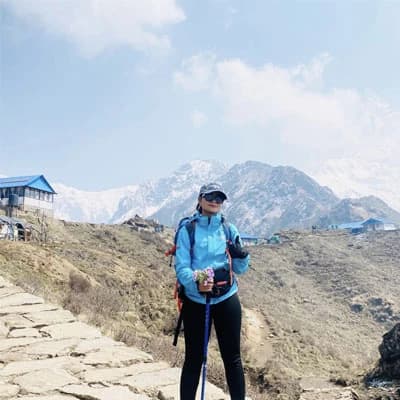
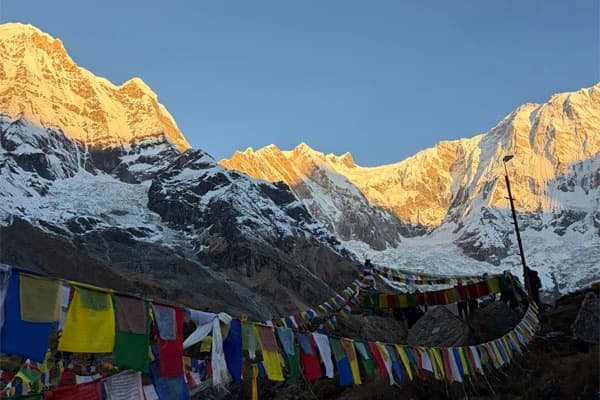
In 2026, the Gokyo Lakes gained massive popularity among adventure seekers as the ultimate Everest region alternative, showcasing the turquoise glacial lakes, the longest himalayan glacier, Ngozumpa, with the 360° views of 4 out of the 8 world's highest peaks, that reside in the territory. While the Kala Patthar is often called the best vantage point, now, the Gokyo Ri at 5357 meters, is winning the heart of every trekker, and is also called the no.1 mountain spot. In fact, for those who want to reach the almighty lap of the world's highest peak, and do not miss out, the thrill of proceeding such an iconic trail, can opt for the legendary famous Everest Base Camp via Gokyo Lakes Trekking that lasts for 15 to 18 days, of time frame.
Other major highlights of the reasons why the Gokyo adventure has been attracting all the hikers' attention in 2026 are mentioned below:
Uncrowded Everest and Off-beaten Magic
- The trail is less crowded, almost 80% lesser than the EBC or other Everest adventures, a perfect, tranquil, peaceful trailhead.
- 10% traffic at the Gokyo Ri (5357 meters), yet it surrounds you with great himalayan peaks, glaciers, and serene lakes.
- Impressive mountain views of Mt. Everest, Lhotse, Makalu, and Cho Oyu (4 out of 8 thousanders).
- Off beaten, untamed, and diverse terrains, not modernised, giving a feel of walking in ancient days.
- Experience the remote tea houses, Sherpa villages, and ancient cultures and livelihoods.
Turquoise Lakes Phenomenon
- Green emerald six series glokyo lakes (4700 m - 5000 m) fed by Ngozumpa glacier, Nepal's longest glacier.
- Passes through the highest lake, Thonak Tsho, at 5000 meters, known as the highest elevation freshwater lake.
- Astonishing reflection of the mountains in the wetland, a photogenic nature wonders.
- Referred to as a sacred Hindu and Buddhist site, a double exploration of scenic views and spiritual aspects.
2026 Buzz Factors
- Great extended route options to the Everest Three High Pinnacles: Cho La, Renjo La, and Kong Ma La, or can be attained only any of these, without having to reach all those mountain passes.
- Quieter EBC alternative - perfect for those seeking less crowded trailheads.
- Shorter in time and gradual ascent (300 m to 400 m, can be completed within 12 days only).
- Alternative transportation options: helicopter optimisation to return, road classic trail, or a direct heli tour to Gokyo - avoiding regular flight.
- Beginner and family-friendly, with a moderate pace of hiking, only 4 to 5 hours.
- No restricted rules, can proceed smoothly with the navigation along the licensed trekking guide.
How to Reach Gokyo Lakes from Kathmandu?
To get to the Gokyo Lakes, there are many ways that you can begin (start) the adventure, from the longest, standard one to the shortest one, lasting for just a day. No matter which route you take, each one of them promises to offer great panoramic views and unmatched himalayan experiences. Mostly, trekkers tend to start the journey from Kathmandu, the capital city, to Lukla Airport, which is the most direct and popular starting point. There are several transportation modes that you can choose to reach Gokyo lake, firstly, the airway, and secondly, land transportation to reach Gokyo Lake from Kathmandu.
Standard Route: Regular Lukla Flight and Trek to Gokyo
The best and easiest way to reach Gokyo Lakes is by following the regular standard route, after a flight from Kathmandu to Lukla, which is the most effective way to begin the journey. It cuts the extra 4-5 trekking days, just to reach the starting point, Lukla Airport, saving your physical energy and making the trip enjoyable. Lasting for 35 to 40 minutes, the Lukla flight showcases the astonishing aerial mountain views, changing landscapes, and the Sherpa villages, farms, lush green valleys, from the top, another perspective of the Himalayas.
After an early morning flight to lukla, then, the hike proceeds, navigating through Phakding (2650 m) and Namche Bazaar (3440 m), traversing by the standard EBC Trail. Till here, the route is quite crowded, with a large number of hikers accompanying you along the route, and the verdant woodlands of red rhododendrons, pines, river streams, cascalding water falls, and crosses several suspension bridges, including the world's longest one, Edmund Hillary Suspension Bridge.
One acclimatisation day at Namche becomes crucial, to adopt such an increasingly high altitude, where you can either take a hike to Khumjung village or monastery, or the world's highest 5-star hotel - Everest View Hotel. Then, the route diverges on the next day, towards Dole (4210 m), Maccheromo (4470 m), and finally reaches Gokyo Lakes (4790 meters), passing via the world's longest himalayan glacier, Ngozumpa glacier. The early morning hike, then, attains one of the best Everest view points, Gokyo Ri summit (5357 meters), with the breathtaking panoramic mountain surroundings.
After reaching the final destination, the route then takes a descent to Namche and Lukla for two consecutive days, and returns to Kathmandu via Lukla flight.
Helicopter Flight from Kathmandu to Lukla and Trek to Gokyo
A helicopter flight from Kathmandu to Lukla is an effective alternative to the Lukla Flight, which avoids the hassle of delay and cancellation of lukla flight, to reach the starting point of the Gokyo Lake and Gokyo Ri Trek trailhead. Compared to the regular flight to Lukla, the helicopter is quite expensive; however, the cost can be spilt into other passengers, which can be arranged. If you are trekking with the group hikers, this mode of transportation can be cheaper, costing between $400 and $650 per person (shared, 1 way), but charges you over $ 2,500 to $ 3,400 max for a private charter. Even though it is expensive, it is worth every penny, giving a luxury premium heli ride, over the top of the mountains, and that seems even more closure, with the open glasses of the helicopters.
After landing in Lukla Airport, the trail then proceeds through the same route just as the regular route, through Phakding, Namche, Dole, Machermo, Gokyo lakes and finally Gokyo Ri. The only difference is the transportation mode to reach the airport, which you can customise the itinerary accordingly. This can be a great option for those trekkers who want to enhance their experience on the airway navigation and want a more private upgrade to the adventure.
Regular Standard Trek to Gokyo Ri, and then, helicopter return
Those who want to cut off the extra days and do not want to retrace the same pathway all the way downhill can choose the helicopter return option directly from Gokyo to either Lukla or Kathmandu. The route to reach Gokyo Ri proceeds just as a regular route, with a Lukla Flight, and then, navigating via Phakding, Namche Bazaar, Dole, Macchermo and then, Gokyo. The only change is that, rather than following the descent to Namche, Phakding and Lukla, it takes you directly from Gokyo to Kathmandu or at least to the Lukla Airport. It is perfect for those trekkers who are limited in time, or beginners, or someone who wants a private ride and a distinctive vista of the himalayan giants.
Helicopter Direct Tour to Gokyo Ri
A heli direct ride to Gokyo Lakes is an one day tour that takes you directly from Kathmandu (Domestic Airport) to Gokyo, which stands out as a VIP, premium luxury ride, privately guided, heli ride. Compared to any other options, it is the fastest way to get to Gokyo lakes, perfect for time-crunched travellers and helicopter enthusiasts.
Route Outline:
Kathmandu Airport → Fly over Everest (8,848m) → Land Gokyo (4,750m) → Explore lakes → Return via Lukla refuel → Kathmandu
Thus, there are many ways to get to Gokyo Lakes, through different transportation options, that you can choose, accordingly, matching your budget, timeframe and preferences.
How to Reach Gokyo Lakes from Kathmandu by Road?
Gokyo Lakes in the upper Khumbu region of Everest have no direct road access, but you can reach the trek starting point at Lukla via two reliable roadways: the classic Jiri route or the Phaplu/Salleri route. These road options offer flexibility and punctuality compared to Lukla flights, which are notoriously unreliable. Weather, air traffic congestion, and high visitor numbers often cause delays or cancellations lasting 1-3 days, making roadways a smart, stress-free alternative to kick off your Gokyo adventure on time. Besides, it can be a great backup, as Plan B, when Lukla flights get cancelled, for a few days, in case.
Classic Jiri Road Route
The classic Jiri driving road route from Kathmandu to Lukla stands out as an ancient navigation trailhead that follows the roadway navigation to get to Jiri and covers the old times route, which was once commenced by the legendary Sir Edmund Hillary and Tenzing Norgay Sherpa. Then, covers the standard regular Gokyo route on the second half, and does not take any flight (air navigation), perfect for those who want to avoid the hassle of Lukla Flight, or want to commence on the terrains, undertaken by the great summitters and trekkers.
The Gokyo Lake via Jiri is a traditional trekking route that begins with an 8-9-hour drive to Jiri, and then follows the foot trail through Bhandar (2252 m), Sete (2520 m), Junbesi (2520 m), Nunthala (2200 m), Bupsa (2360 m), Cheplung (2700 m), and then, finally, reaches the regular route, Phakding. Then, from Phakding, it proceeds, on the regular route, via Namche, Dole, Macchermo, and Gokyo Ri (5357 meters) via Gokyo Lakes. After attaining the final destinations, you can either retrace the classic route back to Jiri or get back to Lukla and conclude the trip with a flight back to Kathmandu.
Best For:
- Longer time atleast 16 to 19 days, to dedicate to the adventure
- Perfect Acclimatisation, with a gradual pace hike - Safe Ascend, and Minimises risk of AMS
- Budget Travelers - For less cost-effectiveness, take a shared bus ride rather than a jeep
- Lukla Flight backup - Consider it as a Plan B, if the delay of lukla flight lasts for several days.
Phaplu Salleri Road Route
For those, who got limited time and want a faster road access can choose a road drive from Kathmandu to Gokyo via Phaplu Salleri, which only takes 14-17 days of time frame, to complete the journey. The trail follows, firstly road drive to Phaplu (10 hours), and then, a walking trail through Taksindu (2900 m), Nunthala (2200 m), Bupsa (2361 m), Phortse Tashi (3800 m), and touches the regular route of Gokyo Lakes.
Best For
- Time-conscious adventurers: Reach Lukla trails 3-4 days faster than Jiri
- Flight backup reliability: Guaranteed road access, no weather delays, unlike the Lukla flight
- Budget & comfort: Shared buses ($15) vs $185 Lukla flights
- Authentic entry: Quieter trails, Tamang villages before touristy Namche
- Moderate acclimatisation: Gradual 300-400m/day elevation gain
Alternative Routes to Reach Gokyo Ri: Extended Version
There are many ways to get to Gokyo Lakes and Gokyo Ri, through different modes of transportation means, and alternative options, to explore the wonderland of the himalayas, lakes, mountains, glaciers, and cultures. Meanwhile, if you want a more thrilling and adventurous trail, you can combine this trip with other trekking routes as well for an impeccable journey that matches your fitness level and expectations.
Everest Three High Passes Route
The Gokyo Lake route can be extended to the thrilling Three High Passes Trek, which crosses 3 mountain passes: Renjo La (5350 m), Cho La Pass (5420 m), and Kongma La Pass (5535 m). This adventure is basically considered as one of the wild himalayan trail, which also takes you to the foothill of the world's tallest peak, Everest Base Camp, Kala Patthar, Gokyo Lakes and Gokyo Ri, along the mountain pinnacles. The total duration of this trek takes somewhere between 15 and 19 days, in total, where the trailhead is only suggested for experienced trekkers, due to the massive and frequent altitude gain, and diverse terrains, which demand some kind of experience. If you are short on time, then you can avoid the EBC and Kala Patthar and just reach the lakes and mountain passes instead.
Gokyo to Renjo La Pass Route
The Gokyo to Renjo La Pass route follows the same rugged, high‑altitude character as the full Three High Passes Trek. Starting from Gokyo, you ascend steep moraines and ridgelines to reach Renjo La Pass (5,350 m), where you are rewarded with sweeping views of Ngozumpa Glacier, Gokyo Valley, and the surrounding giants, including Everest, Lhotse, and Cho Oyu. This section is often used as a shorter alternative loop within the broader Three High Passes itinerary, offering a taste of the high‑pass challenge without committing to all three passes. This adventure just takes 12 to 14 days, and takes a gradual ascent, with moderate altitude gain, with no challenging or streneous pass included, perfect for those who want a bit challenge, yet are beginners.
EBC, Cho La Pass and Gokyo Lakes Route
The Everest Base Camp, Cho La, and Gokyo Trek stand out as an iconic himalayan trek, which is famous among adventure seekers, who want to unveil the majestic natural wonders of the Everest region, without having to cross more technical terrains to Kong Ma La Pass and Renjo La Pass. The major highlight of this trip, is you get to explore gokyo lakes (six series), himalayas largest glacier - Nzogumpa glacier, Cho La Pass, Everest Base Camp (EBC) and the Kala Patthar.
What permits are required to reach Gokyo Lakes in 2026?
To trek to Gokyo Lakes, protected by the Sagarmatha National Park, the first and foremost thing that you must consider is getting the required trekking permits to trail along the territory. The permits must be attained via a local travel agency, as the Government of Nepal has clearly stated that hiking independently is not allowed; one must hire a local, experienced trekking guide through a registered Nepalese office. These remain standard with no major changes announced for 2026.
The permits play a crucial role in your safety, tracking your trekking details (itineraries, duration, in-and-out overview), legal access, and permit fees, and they also aid the conservation of nature and boost the local economies of the Sherpa communities.
There are three permits required for Gokyo Valley: firstly, the TIMS Card (Trekkers Information Management System Card), secondly, the Sagarmatha National Park Permit, and lastly, the Khumbu Pasang Lhamu Rural Municipality Permit. Even though the treks are combined with other trekking routes within the Everest region, these are the only permits that are mandatory.
- TIMS Card cost: NPR 1,000 (USD 8) for group trekkers; NPR 2,000 (USD 16) for independents.
- Sagarmatha National Park Entry Permit cost: NPR 3,000 (USD 30) for foreigners; NPR 1,500 (USD 12) for SAARC nationals.
- Khumbu Pasang Lhamu Rural Municipality Permit cost: NPR 2,000, USD 16, per person.
The TIMS card and SNP permits can be obtained from the Kathmandu Tourism Board office. In contrast, the local Khumu Pasang permit is only available at Lukla, Namche Bazaar or Monjo checkpoints.
What are the Major Challenges along the Gokyo Route?
The Gokyo Lakes and Gokyo Ri route possesses many possible challenges, as it is a high altitude himalayan adventure and passes through diverse terrains, demanding a high level of preparation for uncertain situations, like altitude, trailhead navigation, and weather. Even though this trek is basically considered one of the safest ways to trek along the Everest region, hiking along such a remote route is no joke; you must be ready for any sort of situation. However, you can expect no physical, logistical, or environmental hurdles if you are prepared properly, which minimises the possible risks during the Gokyo adventure.
Altitude Sickness (AMS) Risks
- High elevation adventure (Gokyo Ri, 5397 m) triggers Acute Mountain Sickness for 30% of the trekkers.
- As the day passes, you reach 300-400 meters higher, with a thinner oxygen level.
- Symptoms like headaches, nausea, and mild dizziness (mild altitude sickness) might occur above 4000 meters.
- Must follow the preventive guidelines throughout; if not, it increases the possible chances of altitude sickness.
Diverse Terrain and Long Days
- Demands 5-6 hours of daily walking, demanding at least basic physical fitness.
- Loose rocks, unstable moraine, and slippery ice pathway during the cross over along the Nzogumpa Glacier, while making way towards Gokyo, are mainly expected during winter times.
- Continuous descent (downhill walk), while retracing the pathway back to Namche Bazaar, Lukla, from Gokyo Ri.
- Most challenging day marks to be 600 m + ascent of 3-4 hours - steepest day, from Dragnag to Gokyo.
- A varied kind of terrains, from forested areas, to rocky, steep sections, to an alpine ascent walk.
Extreme Weather Exposure and Uncertainty
- Weather changes drastically, even at peak trekking seasons; there is no stability of climate, at the highest altitude, Gokyo Lake or Gokyo Ri (above 5000 meters).
- Night temperature drops to -10 to -15 degrees Celsius at the high elevations.
- Heavy winds 40-60 km/h at the top point, especially in the winter seasons with a high level of precipitation (snowfall), blocking the route.
- Monsoon (June-Sep): Mudslides block Jiri/Phaplu roads and delay the Lukla flight.
Logistical Hurdles
| Challenge |
Impact |
Mitigation |
| Lukla Flight Delays |
1-3 day waits |
Use Jiri/Phaplu buses as backup |
| Teahouse Crowding |
Peak season (Oct/Nov, Mar/May): Book ahead |
Travel with a guide (through a travel agency) |
| Waterborne Illness |
Giardia from streams |
Bottled/boiled water only, or use water purification tablets |
| Permit Checks |
Fines/delays at Monjo/Namche |
Carry TIMS + Park permits throughout the trip |
Mental Challenges
- Spending 2 weeks in the himalayas might drain you mentally if it is your first time himalayan adventure.
- Limited amenities, only standard and essentials are available at the tea house, unlike modernised EBC lodges.
Thus, many dificulties and challenges might come your way; however, with proper preparedness and comprehensive planning, such hurdles can be smoothly tackled, even by beginners.
Preparations: Essential Things to Consider
- Before starting this adventure, engage in prior physical preparedness activities, such as cardiovascular exercises, such as running, cycling, or just walking, to build your stamina level, and practice breathing.
- To build up the stamina, for 1 month, do some weight training workouts, including calf muscle training, which makes the hiking easier and descents smoother, back and shoulder workouts, that make it easier to go uphill walking, with bagpack cover, thus, make a workout plan routine.
- While booking your trip, ensure to check the cost details comprehensively, what's included, and what's excluded, so that misunderstandings won't happen during the trek.
- Throughout the journey, trail, along with your trekking guide, do not get influenced by others; just follow your pace, proceed with a gradual ascent, and follow the itinerary plan.
- If any symptoms of altitude sickness occur, such as headaches, nausea, dizziness, vomiting, or loss of sleep or appetite, then inform the trekking guide immediately.
- At every stopping point, check your pulse rate via oximeter, then, if any uncertain situations or if it drops below the normal rate, take immediate action - inform the guide as soon as possible.
- While packing the gears and clothing, consider all seasonal variations, and pack extras as well. For instance, even at the peak seasonal time, pack in monsoon essentials, such as raincoats, rain cover for bags, crampons, insect repellents, and winter gear - crampons, down jacket, and sleeping jacket. So, even if any unstable weather condition happens, even heavy precipitation won't bother you.
Conclusion
As mentioned, there are many routes to reach Everest Gokyo Ri, via any means of transportation by flight to Lukla, private helicopter ride, by road, and many extended route itineraries. It is all upto you, and the itinerary can be customised, as per your budget, time frame and choices. If you want any assistance, feel free to reach out to us via WhatsApp: +977 9851016814, direct call, or email at [email protected]. We also have a variety of Everest region packages that you can choose from that match your expectations. We at Destination Himalaya Treks and Expedition are all set to welcome you with our professional teams, experienced trekking guides and supporting crews.