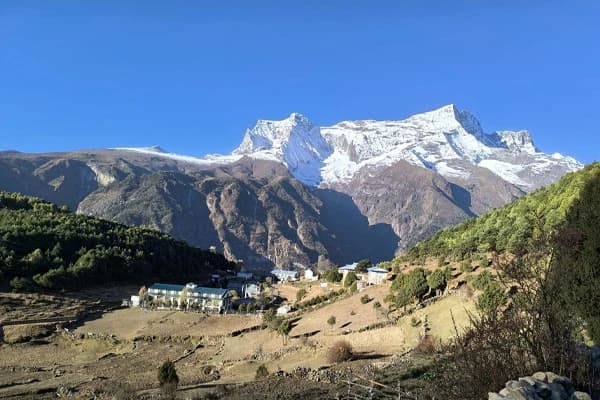
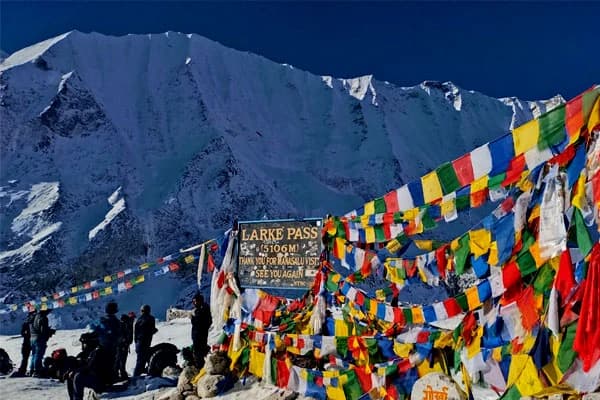
Tea house trekking is one of the most rewarding ways to experience the Himalayas in Nepal. Instead of camping, trekkers stay in locally run lodges along the trail, enjoy warm meals, and connect more closely with the culture, hospitality, and daily life of mountain communities. This makes tea house treks not only more comfortable, but also more immersive and memorable for travelers of all experience levels. From the famous trails of Everest, Annapurna, and Langtang to the quieter and more remote regions of Manaslu, Upper Mustang, Dolpo, and Nar Phu, Nepal offers a wide range of tea house trekking routes to suit different interests, fitness levels, and time frames. In this blog, we have selected the 10 best tea house treks in Nepal to help you find the right route for your next Himalayan adventure.
Best Tea House Treks in Nepal - 10 Top Routes & Ultimate Guide
What is Tea House Trekking?
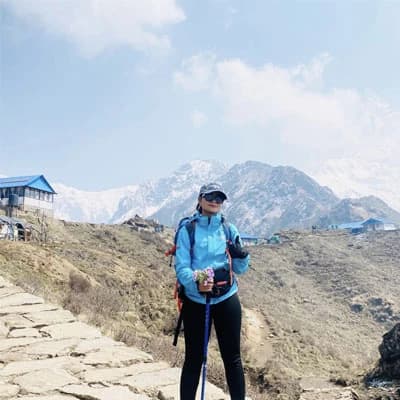
A teahouse trek is one of the most authentic ways to explore the mountains, taking you through remote villages and traditional trails where accommodation is provided in locally run lodges. This style of trekking offers a deeper cultural experience, allowing you to connect with the lifestyle, hospitality, and traditions of the mountain communities. Unlike more demanding expeditions, teahouse trekking gives hikers a comfortable place to rest after each day’s walk. You can enjoy freshly prepared local meals, a warm bed, and the welcoming atmosphere of family-run lodges, making every stop feel like a new and memorable experience.
From the iconic legendary trekking regions, such as Everest, Annapurna, and Langtang, to the hidden gems like Manaslu, Dolpo, and Kanchenjunga, Nepal offers spectacular tea house adventures for everyone, from beginners to any age group to experienced trekkers. Each trailhead provides unique cultures, breathtaking himalayan panoramas, distinct landscapes, exploring monasteries, wetlands, glaciers, and even maybe festivals, if time collides with the festive season. In this guide, we've handpicked the 10 best teahouse treks in Nepal, covering their key highlights, durations, and quick insights, so you can choose one that fits your time and preferences.
History of Teahouse Treks in Nepal
Teahouse trekking in Nepal has its own rich history. In the early trekking era of the 1960s and 1970s, as trekking routes began to expand, organized trekking was introduced by local companies and mountain communities. During this time, local families were allowed to provide basic accommodation, food, and logistical support to trekkers. Before teahouses and lodges became common, most treks in Nepal were entirely camping-based. For example, trekkers heading to Everest Base Camp or climbing peaks had to carry tents and camping equipment, as there were no official lodges along the trail.
As the number of trekkers increased over the years, the homes of local mountain people gradually developed into teahouses. These lodges became an important part of trekking culture in Nepal, offering shelter, meals, and rest after long days on the trail. In many cases, they were formally authorized and licensed by the government, helping establish teahouse trekking as a proper and sustainable part of the country’s tourism industry.
Popular trekking routes such as Everest Base Camp and Annapurna Base Camp were among the first to experience rapid growth in lodges and teahouses. This development made trekking much easier and safer for travelers, as they no longer had to carry camping tents, cooking gear, or depend entirely on cooks and porters. With reliable accommodations available along the trail, trekkers could enjoy a more comfortable and secure journey, even in changing weather or unpredictable mountain conditions.
Today, in 2026, teahouse trekking remains one of the defining features of Nepal’s mountain tourism. It reflects the lifestyle, hospitality, and traditions of diverse ethnic groups such as the Sherpa, Gurung, Rai, Tamang, Lama, Limbu, and many others. Modern teahouses are now more developed and managed in a more organized way, offering trekkers improved comfort and facilities. From the deepest gorges, highest alpine lakes, lofty mountain passes, and the world’s greatest peaks, teahouse treks offer a truly immersive Himalayan experience.
Top Reasons to Choose Teahouse Treks in Nepal
Teahouse trekking in Nepal stands out as one of the best ways to explore the raw beauty of the Himalayas in a most comfortable way possible, as it provides a perfect balance of comfort, culture, adventure, and affordability, making it the top choice for both beginner and experienced trekkers.
- Lightweight trekking: No need to hassle or worry about heavy camping gear, hiring cooks, or equipment, unlike camping tents, making it less expensive and cost-effective.
- Comfortable accommodation and logistics: Proper arrangements of bed, dining area, and other accessibility like, wifi, charging, laundry services, and hot showers, etc, which is not possible in camping tents.
- Freshly cooked hot meals: Local lodges include variations of meal options, from vegan and vegetarian to non-veg ones, including gluten-free options at the same time, that are prepared soon after you order.
- Cultural encounters: Chance to connect with mountain people, gaining their day-to-day livelihood, cultures, and traditions.
- Supports local economy: The tea houses are meant to be run by the local people completely, that direcyly supports mountain families and their businesses.
- Safer option: Fixed lodges provide better shelter, especially at the high altitudes, than the temporary camping setups.
- Social and Authentic Himalayan experience: Get to meet other trekkers at the shared dining hall and also gives you a real taste of Nepal's mountain lifestyle and hospitality.
Best Teahouse Treks in Nepal
Nepal is one of the best destinations for teahouse treks in Nepal. Unlike camping expeditions, teahouse trekking offers a more comfortable experience, where you do not have to sleep in tents. Instead, you can enjoy home-cooked meals and stay in warm, locally run lodges along the trail.
Nepal has a wide network of teahouse trekking routes, making it an excellent choice for trekkers of all levels. Popular trekking regions such as Everest and Annapurna offer some of the most developed lodge systems in the country. Since many of these teahouses are owned by local families, trekkers also get the opportunity to experience the culture, hospitality, and daily lifestyle of the mountain communities, making the journey both immersive and unforgettable.
Here are the top 10 best teahouse trekking routes in Nepal for 2026 and 2027:
Everest Base Camp Trek
The Everest Base Camp Trek is one of the most famous and popular trekking routes in the world. Located in the Khumbu region of Nepal, this trek takes you through breathtaking mountain landscapes all the way to the base camp of the world’s highest peak, Mount Everest. The teahouses along the route provide a rich cultural experience, especially in the Sherpa region. The Everest Base Camp Trek usually takes around 12 to 14 days to complete.
Highlights
- Reach the breathtaking Everest Base Camp at an altitude of 5,364 m.
- Experience the stunning views from Kala Patthar.
- Explore the rich Sherpa culture of the region.
- Trek through Sagarmatha National Park, a UNESCO World Heritage Site.
- Enjoy views of Everest, Lhotse, Ama Dablam, and Nuptse.
Annapurna Circuit Trek
The Annapurna Circuit Trek is one of the most diverse trekking routes in Nepal. This trek takes you through dense forests, alpine meadows, and high-altitude deserts, creating a dramatic and ever-changing landscape. The highest point of the trek is Thorong La Pass at 5,416 m. Most trekkers complete this journey in 14 to 18 days. Even though the route is challenging in parts, the teahouses along the way provide warm meals and a comfortable place to rest after long trekking days.
Highlights
- Cross the iconic Thorong La Pass (5,416 m).
- Experience diverse landscapes.
- Visit traditional Gurung villages.
- Enjoy panoramic views of Annapurna and Dhaulagiri.
- Catch distant views of Manaslu from the trail.
Langtang Valley Trek
The Langtang Valley Trek is one of the shortest yet most beautiful treks in Nepal. Located north of Kathmandu, it is also one of the most accessible and comfortable trekking routes in the country. The trek usually takes 7 to 10 days, depending on the pace and itinerary. Its highest point is Tserko Ri at 4,983 m. This is generally considered an easy to moderate trek, making it a popular choice for beginners.
Highlights
- Trek through Langtang National Park.
- Visit Kyanjin Gompa.
- Enjoy the viewpoint from Tserko Ri.
- See the region’s wildlife.
- Experience the local Tamang culture.
Mardi Himal Trek
The Mardi Himal Trek is one of the newer trekking routes in the Annapurna region and is considered one of the best teahouse treks in Nepal. The trek offers stunning close-up views of Machhapuchhre (Fishtail) and beautiful panoramas of the Annapurna range. As you ascend, the mountain scenery becomes even more dramatic. The trek usually takes 5 to 7 days, and the highest altitude is around 4,500 m. It is a relatively easy and short trek, ideal for trekkers with limited time.
Highlights
- Walk through dense forests.
- Enjoy sunrise and sunset viewpoints.
- See Machhapuchhre from close range.
- Experience a peaceful trekking atmosphere.
- Trek through the protected Annapurna Conservation Area.
Manaslu Circuit Trek
The Manaslu Circuit Trekking is one of the best teahouse treks in Nepal, but it is less crowded than the Everest and Annapurna regions because it is still relatively less commercialized. The route requires a special permit, as it falls inside a restricted area. This helps preserve the region’s Tibetan-influenced culture and heritage. Although the region is remote, there are still many teahouses and lodges along the trail, making it a great option for lodge trekking. The trek usually takes 14 to 18 days, and the difficulty is moderate to challenging.
Highlights
- Experience authentic Tibetan-influenced culture.
- Trek through biodiverse landscapes.
- Cross the Larkya La Pass (5,106 m).
- Enjoy the quiet wilderness of the region.
Ghorepani Poon Hill Trek
The Poon Hill Trek is one of the most beginner-friendly treks in Nepal. It is short, easy, and does not require any technical climbing experience. Since there are no high passes to cross, it is a great choice for first-time trekkers. The route is famous for its sunrise viewpoint, and there are plenty of teahouses and lodges along the way, making the trek comfortable and enjoyable. It usually takes 4 to 6 days, with a maximum altitude of 3,210 m.
Highlights
- Experience Gurung and Magar culture in local teahouses.
- Walk through rich rhododendron forests.
- Watch the sunrise from Poon Hill.
- Enjoy excellent photography opportunities.
Upper Mustang Trek
Often called the “Forbidden Kingdom,” the Upper Mustang Trek is one of the most unique and scenic teahouse trekking routes in Nepal. Located in the Mustang region, it was opened to trekkers only in 1992. The region is known for its preserved Tibetan heritage, ancient architecture, and dry desert-like landscape. Even though it lies at high altitude, the trek offers a very different atmosphere from other Himalayan routes. The trek usually takes 12 to 16 days, and the highest elevation is 4,210 m.
Highlights
- Visit Lo Manthang.
- See the famous sky caves.
- Walk through unique desert landscapes.
- Experience deep Tibetan culture.
Upper Dolpo Trek
The Upper Dolpo Trek is one of the longest and most remote trekking routes in Nepal. The trek usually lasts around 22 to 27 days, making it a true adventure for experienced trekkers. The highest point is Kang La Pass at 5,360 m. Upper Dolpo is culturally important because it preserves ancient Tibetan traditions and remains one of Nepal’s least developed regions. Because of its remoteness, the trek is physically demanding but highly rewarding.
Highlights
- See the beautiful Shey Phoksundo Lake.
- Cross high mountain passes.
- Trek through Shey Phoksundo National Park.
- Visit the ancient Shey Gompa Monastery.
Nar Phu Valley Trek
The Nar Phu Trek is one of Nepal’s more recently opened trekking regions. It is located in a culturally rich and remote part of the Annapurna area. The trek is shorter than many other remote adventures and usually takes 9 to 13 days. The highest altitude is Kang La Pass at 5,322 m. It is often considered a moderately challenging trek, but the effort is rewarded with stunning scenery and rich cultural experiences.
Highlights
- Explore culturally rich Himalayan villages.
- Cross Kang La Pass (5,322 m).
- Visit ancient monasteries.
- Walk through glacier valleys and alpine landscapes.
- Enjoy views of Annapurna and Tilicho Peak.
Annapurna Base Camp Trek
The ABC Trek is one of Nepal’s most iconic teahouse treks. This route takes you through diverse landscapes, including forests, villages, and high mountain terrain. It also offers a chance to experience Nepal’s wildlife and the cultural richness of the Annapurna region. The trek ends at Annapurna Base Camp, 4,130 m, and usually takes 7 to 11 days. The difficulty is moderate to fairly challenging.
Highlights
- Trek through diverse landscapes.
- Experience Gurung culture.
- Walk through dense rhododendron forests.
- See rich wildlife along the trail.
- Enjoy close views of Annapurna, Machhapuchhre, and Hiunchuli.
Teahouse Treks Comparison
| Trek | Duration | Difficulty | Max altitude | Best for | Region |
|---|---|---|---|---|---|
|
Everest Base Camp Trek Annapurna Circuit Trek |
12 - 14 days 12-14 days |
Moderate Moderately challenging |
5,545 m at Kala Patthar Thorong La Pass (5416 m) |
First-time Everest trekkers, iconic Himalayan views, and iconic legendary viewpoints, famous for Sherpa mountain people Diverse landscapes, classic long-distance trekking, Tibetan culture |
Khumbu / Everest Annapurna |
| Langtang Valley Trek | 5-10 days | Easy | 4,983 m | Beginners, short and easily accessible, Tamang and Yolmo culture | Langtang |
| Mardi Himal Trek | 3-7 days (depending on the starting route) | Easy | Around 4,500 m | Short scenic trek, close mountain views | Annapurna |
| Manaslu Circuit Trek | 13-15 days | Moderate | 5,106 m at Larkya La Pass | Remote trekking, culture, less crowded routes | Manaslu |
| Ghorepani Poon Hill Trek | 3-5 days | Easy | 3,210 m | Beginners, sunrise views, short escape | Annapurna |
| Upper Mustang Trek | 12-14 days | Streneous | 4,210 m | Culture, desert landscapes, offbeat trail | Mustang |
| Upper Dolpo Trek | 21-14 days | Challenging | 5,360 m at Kang La Pass | Experienced trekkers, can be done in a camping tent, hybrid mix of tent and tea house | Dolpo |
| Nar Phu Valley Trek | 8-12 days | Challenging | 5,322 m at Kang La Pass | Remote culture, high passes, off-beaten trails | Annapurna region |
| Annapurna Base Camp Trek | 5-14 days | Easy-Moderate | 4,130 m | Annapurna Sanctuary and diverse ethnic cultures | Annapurna |
Best time to do teahouse treks in Nepal
When we are seeking to do any sort of adventure, the first and foremost part is to know what would be the ideal time to make the trip hassle-free and safe at the same time. There is always some kind of risk circulating in the mountains, especially when you are walking past the remote valleys. If a proper time is not calculated and planned, then many challenges might arise that we really cannot unsee. So, if you are planning the ideal time for the teahouse trekking, then the seasons that would be best for you are Spring and Autumn, as expected.
Autumn Season (September, October and November)
Autumn is one of the peak/ideal seasons for the adventure as the weather during these months perfectly blends with the favourable climate. The skies are crystal clear and less foggy, allowing you to immerse yourself in the best mountain views possible.
While people may think that this peak time offers only stable weather. There’s another main reason why this season stands out. Well, the main festivals, Dashain and Tihar, fall in the middle of September and October, due to which the whole trail is filled with people in the mood for vibes. While staying at the tea houses, the locals even put tika (a significant mark that carries a blessing) on you with permission, of course! So, this festive season brings the best out of this region, allowing you a lifetime opportunity to witness the culture.
Spring Season (March, April and May)
Another preferable time to visit the Himalayas. Well, the simple answer is! The weather is perfect with less chance of heavy rainfall, high snowfall, and high humidity as well. So, you can cross the challenging passes or reach the base camps without panicking about heavy snowy trails.
The route of this region during the Spring is to die for as well. The flowers bloom perfectly in the dense forest with an unobstructed view of the mountains, which makes the daring hike complete in the blink of an eye.
Packing Recommendations
- Down jacket and T-shirt with a fleece inside
- Hiking boots/ Trekking shoes (it is a must)
- Crampons (as we must pass through some of the snowy trails in high passes)
- Warm socks, hats, gloves, and jacket
- 2 trekking poles/sticks
- Dry fit t-shirts and pants
- Sunglasses and Sunscreen (to protect from ultraviolet light)
- Headlamp or a simple light
- Purifying water tablets
- Basic medical kit (also carried by guide)
- Sleeping bags (if allergic to harsh coldness; provided by us)
- Personal medicines/ daily medications
Preparations Tips
Before embarking on any mountainous trek that takes you far away from quick access to modern amenities or into isolated areas, there are certain things to consider, and you should make sure that you are prepared enough to begin the adventure. Just like that, for the teahouse treks in Nepal, there are some preparations that you must do, and they are highly recommended. However, it doesn’t mean going over the top with preps and planning, but yes, keeping these things in mind will surely make your trip much easier.
Be Physically Trained
Heading to the Himalayas means ascending each day, passing through forested trails, narrow gorges, diverse landscapes, and sometimes unpredictable weather conditions. To make sure that you can handle these challenges without hassle, you should be physically fit and strengthen your core. It’s not about building muscles only; you can simply do some exercise like short hikes, cycling, swimming, yoga, or even walking up and down stairs. If that sounds too much, then try to complete 10,000 steps each day to improve stamina for the trek.
Set a Mental Clarity
While many hikers focus only on physical strength to complete this journey, they often ignore the importance of mindset. To make it clear, please remember that this is a tea house trek, so it is simple and basic, far from the modern lifestyle. Someone who has never been on a trek before might be surprised by the limited amenities and challenging terrain on this trail. So, before starting the trek, prepare a positive mindset with enthusiasm, patience, and perseverance. Keeping this in mind will make the trail much easier. At the same time, many trekkers love the authenticity of the teahouse trekking, as this experience is all about exploring the Himalayas.
Medical Consideration
It is kindly suggested that you do a full body checkup one month before the trek if you have any long-term health problems. As we’ve already mentioned, the mountain regions have limited facilities, and immediate access to healthcare is not easy or quick. In serious cases, helicopter evacuation may be needed. Just do a body checkup, take precautions with medical experts if required, and carry your medicines beforehand. Other than that, there is no need to panic! Our trekking guides are medically trained and equipped to handle minor emergencies, even though such incidents are rare on the adventure.
Know Your Pace Level
Before heading out, you must know how long your body can go, because everyone has their own experience, fitness, and pace level. For example, if you are an experienced hiker, then trekking for 6 to 7 hours a day may be fine for you. Whereas beginners and novice hikers may only manage 4 to 5 hours of walking per day. So, if that is your case, make sure to choose an itinerary that matches your body’s capacity for the journey.
Consider Seasonal Packing Essentials
As weather conditions in the mountains can change quickly, sometimes within an hour or even within minutes, it is always suggested to pack clothing and gear carefully, considering all seasonal variations. For example, even if you are trekking during the peak season, make sure to carry a down jacket, rain cover, and warm as well as light layers. Do not overpack; instead, make a smart packing list and include only the essentials for the tea house treks in Nepal.
FAQs (Frequently Asked Questions)
Do I need to book teahouses in advance?
Usually, the trekking company that you are trekking with books the teahouses for you in advance, but if you are planning on trekking solo, make sure that you have booked them in advance during October, as it is the busiest month to trek around the year.
Are trekking permits required?
Yes, trekking permits are required to do the trek, as restricted regions have special permits that you must have to trek the region.
Do I need travel insurance?
Yes, travel insurance is recommended because it ensures that even if something were to arise, your insurance covers it fully.
Do teahouses have heating?
Yes, most of the teahouses do have heating in their common eating lounge area
Is electricity available throughout the trek?
Most of the electricity around the region is powered by solar panels, which provide facilities like heating, Wi-Fi, etc.
What food is available?
The food found around the region is common food like Dal Bhat, Fried Rice, Noodles, Pancakes, etc.
How cold does it get?
It depends on the weather; the winter months are the coldest, whereas Spring and Autumn are more stable in terms of weather conditions.
Are hot showers available?
Yes, at most of the teahouses and lodges, hot showers are available, but they cost more and are extra fees.
Is altitude sickness common?
At treks of higher altitude, the chances of altitude sickness increase, but in treks with lower maximum elevation, there are lower chances of getting altitude sickness.
Conclusion
Teahouse trekking is one of the best choices for doing treks in Nepal; it gives people and trekkers freedom to do the trek during the day and then have comfortable accommodation during the night for proper rest and warm home-cooked meals. Teahouse treks have been the standard trekking method for a long time and have given the trekkers taking them up a wonderful time and experience and a big chance to also immerse themselves in the local culture of the region, which, combined with the trek alongside the experience, becomes an unforgettable memory for any trekker.
We here at Destination Himalayan Treks and Expedition have been specializing in teahouse treks for a long period of time and have 15 years of experience, so we know what treks are good as part of Teahouse treks and can be the best choice for any trekker doing a certain trek in a region. You can delve deeper into the treks that we have mentioned in this blog through our website and research further about the trek you have chosen or has taken your interest. For further inquiries, you can text us on WhatsApp or directly call us at +977 9851016814 or email us at [email protected].