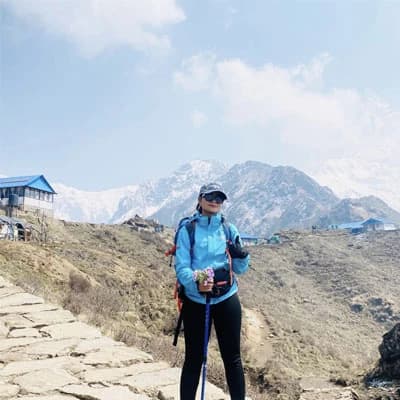
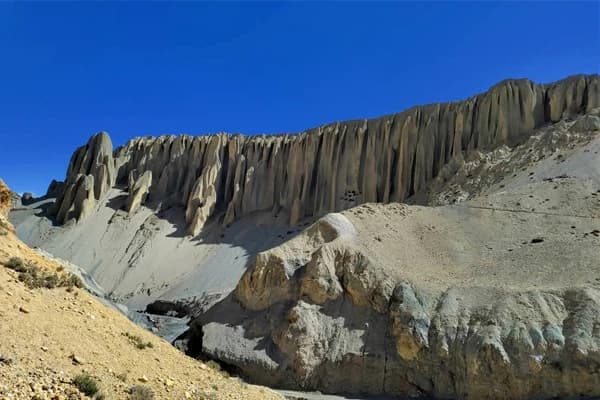
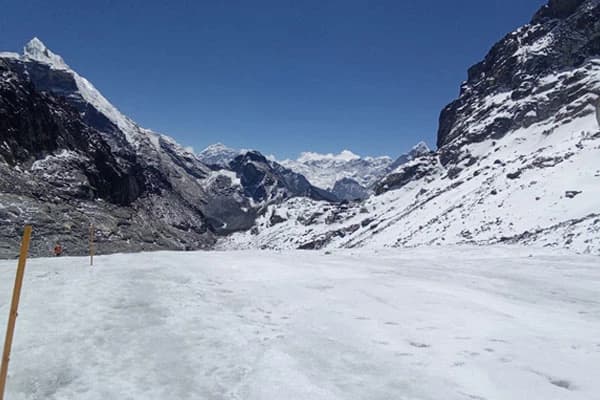
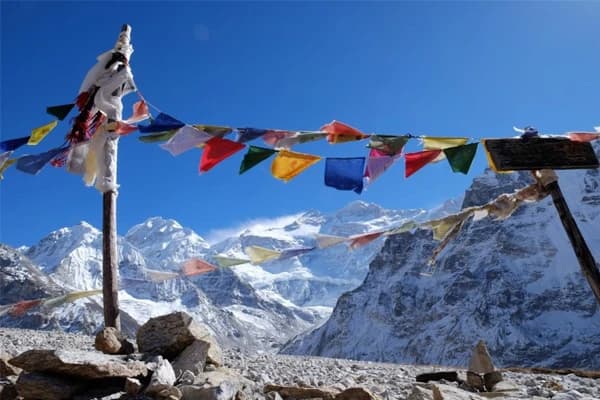
Major Attractions of Cho La Pass: Why is this trek worth it?
- Part of the iconic Everest Three High Passes Trek, within the Khumbu/Everest region, perched at the height of 5420 meters
- Dramatic overview of the giant himalayan peaks, and walk across the Ngozumpa Glacier, Nepal's largest himalayan glacier
- Connect the scenic Gokyo valley, the six series of the Gokyo lakes, and the legendary Everest Base Camp, the foothill of the world's tallest peak, Mount Everest (8848.88 m)
- Experience the rugged, remote, and off-beaten version of the Everest trail, connecting with the traditional lifestyle of the Sherpa communities
- Gaze at the stunning glacier, alpine valleys, and untamed wetlands, reaching several vantage points serving the best views
- Enjoy the 360-degree mountain panoramas from Gokyo Ri (5357 m), a stunning sunrise over some of the highest alpine peaks, Lhotse, Makalu, Cho Oyu, and Mount Everest.
Cho La Pass Altitude
Cho La is one of the Everest's summit passes, and falls under the three pinnacles of Everest, situated at the height of 5420 m (17784 ft), above sea level, under the protection of Sagarmatha National Park, one of the UNESCO World Heritage Sites. The pass connects the village of Dzongla, after departing from Namche Bazaar to the east, and the village of Thagnak, on the route to Gokyo.
Compared to the other two passes, Renjo La and Kongma La, Cho La Pass is the lowest in altitude, as the other 2 passes range between 5460 m and 5530 m. However, the pass can be difficult, as it is still a high-altitude adventure that is physically demanding, with the trail consisting of slippery glacier, rough sections, unstable routes, and temperature falls, upto 0 degrees Celsius, with heavy winds. Hence, choosing the ideal seasons and gears accordingly, and the assistance of the trekking guide remains a crucial factor to achieve the summit.
Cho La Pass Weather & Temperature
Cho La Pass is known for harsh and unpredictable himalayan weather throughout the year, as it lies at a very high elevation, where the temperature usually remains cold, with heavy wind, and conditions change every other minute. In the early morning, till 12:00 - 1:00 PM, you can expect a bright sunny morning; however, as soon mid day hits, the wind gets heavier and rough till evening, so it is best to start the hike, crossings early in the morning. Perched at such a high elevation above 5000 meters, the air gets thinner and drier, so one must be well acclimatized and follow the safety guidelines from the very beginning of the trip.
The best time to visit Cho La stands out to be Spring (March-May) and Autumn (mid-September to November), with the ideal weather conditions, clear skies, and dry, stable terrain to pass through. During daytime, the temperatures may feel manageable at lower sections, yet the pass can still be freezing in the morning and at night. In winter, temperatures drop sharply, and the walking pathway becomes covered with snow and ice, as high as 2 feet, making the crossing more demanding than it actually is, in general. Summer and monsoon months are also not considered a doable span of the year, as the frequent rain, high humidity, clouds, and slippery paths affect visibility and safety significantly.
Due to the extreme conditions, proper gear and clothing are required for anyone trekking to Cho La Pass, with warm gear, sturdy boots, and even crampons. Trekkers should consider keeping in mind that the weather at such high altitudes changes and is never fully predictable. With the right season, preparation, and guidance, however, the journey can still be an unforgettable high-altitude adventure with stunning mountain views.
Factors Influencing the Challenges of Cho La Pass
Cho La Pass is not a trek on its own, but a high mountain pass that forms part of the Everest Circuit. It is considered one of the more challenging crossings in the region because trekkers must navigate steep snowy ridges, uneven terrain, and rapidly changing weather conditions. The pass demands careful planning, steady pacing, and a cautious approach throughout the journey.
Technical Challenges
Although Cho La Pass does not require advanced mountaineering skills, it does involve several technical difficulties. The trail includes steep rocky sections, icy stretches, and snow-covered paths that can become slippery and difficult to cross. In addition, weather conditions can change suddenly, and visibility may drop quickly if fog or clouds move in. For this reason, trekking poles and sturdy boots with a strong grip are highly recommended.
Terrain and Trail Conditions
The trail is often uneven, unpredictable, and physically demanding. In some sections, the path may be covered with deep snow, while in others it can become muddy or loose, making progress slower and more tiring. Because of these changing trail conditions, trekkers need to stay alert and maintain a steady rhythm while crossing the pass.
Glacier Crossing
Another major challenge is the glacier section, where snow and ice make the surface especially slippery. Crossing this part of the route requires balance, confidence, and some experience walking on snowy terrain. Proper footwear is essential here, as good traction can help prevent slips and make the crossing safer.
Altitude Sickness Risks
Altitude is one of the biggest concerns at Cho La Pass, which stands at 5,420 meters. At this height, the air is thin and cold, and trekkers may experience altitude sickness if they are not properly acclimatized. Symptoms such as headache, nausea, dizziness, and fatigue should be taken seriously, and trekkers should always monitor how their bodies are responding to the altitude.
Common Trekking Mistakes
Two of the most common mistakes are skipping acclimatization days and starting too late in the day. Proper acclimatization is essential to reduce the risk of altitude sickness, while an early start helps trekkers avoid stronger winds and less stable weather later in the afternoon. By planning wisely and moving early, the crossing becomes much safer and more manageable.
Physical Fitness Required for Cho La Pass
The physical fitness required to trek Cho La Pass is the same as doing the full Everest Circuit adventure, as both excursions demand strong stamina, good health, high endurance levels, and careful planning. For this trek, hikers must be prepared for long walking hours, varied terrains, such as rough, rugged, and steep sections, with several ascents and descents, with deep snows, icy terrains, and slippery pathways. Even though the trail does not include any technical sections, it is still crucial that trekkers are trained well enough to engage in cardiovascular exercises, strength training, and keep up with the pace steadily, and pack the gear accordingly.
This trek is best for experienced hikers with prior experience at high altitude or crossing over glaciers, steep, snowy sections. However, beginners who are well prepared can commence this journey. While previous mountaineering skills are not required, a good level of fitness, balance, and confidence on uneven terrain for sure benefits the trekkers. With good preparation, acclimatization measures, and a slow, steady approach, the Cho La Pass crossing becomes manageable and safe.
Best Routes to Cross Cho La Pass
There are many routes and ways to explore the pass of Cho La, and the best three are described below for the years 2026 and 2027.
Everest Three Passes Trek
The 3 Three Passes Trekking is one of the most classic and adventurous ways to cross Cho La Pass. This route explores some of the most iconic highlights of the Everest region, including Everest Base Camp, Kala Patthar, Gokyo, Renjo La, and Kongma La. Since the trek usually takes around 19–21 days, it allows enough time for proper acclimatization and gives trekkers a better chance of completing the high passes.
The route typically begins from Namche Bazaar and branches off toward Thame and Gokyo, where trekkers often cross Renjo La Pass before continuing onward. From there, the trail descends through Dzongla and leads to the crossing of Cho La Pass. After that, the journey continues toward Everest Base Camp and Kala Patthar, before reaching Kongma La Pass, which is considered the most challenging of the three passes.
Depending on the itinerary, this trek can be done in either a clockwise or anticlockwise direction. Both options offer spectacular mountain views, dramatic landscapes, and several excellent vantage points, making the journey a truly unforgettable Himalayan adventure.
Everest Base Camp Trek via Gokyo Lake
Another popular way to explore the pass of Cho La is the EBC Trek with Gokyo Lakes, which combines the foothills of the world's tallest peak, EBC, and the lakes and viewpoint of Gokyo. The trip is a bit shorter and easier, and then, soon crosses the pass, after an acclimatization day at Gokyo Valley, which lets your body adapt to the rising altitude enough and contributes to attaining the summit point successfully. This route only demands two weeks (14 days), and is less demanding physically and mentally, so it is perfect for beginners who seek to attain the base camp and the thrill of crossing the high pass.
EBC with Cho La Pass Trek
The Everest Base Camp and Cho La Pass Trek combines the legendary EBC trail with the adrenaline-boosting adventure crossing Cho La Pass. It is the best option for trekkers who want to explore both the classic Everest experience and the high mountain pass, but ignore the other 2 passes of Renjola and Kongma La, making it beginner-friendly. The route goes through Namche Bazaar, Tengboche, Dingboche, Lobuche, Everest Base Camp, Gorak Shep, Dzongla, and Cho La Pass. Depending on the itinerary, some trekkers also start from the Gokyo side and cross the pass before reaching EBC.
Permits Required
There are not a lot of permits required to do the Cho La Pass Trek; they are the same as the ones you need when trekking the Everest circuit trek, so the only permits you need when crossing the Cho La Pass are the Sagarmatha National Park Permit and the Khumbu Pasang Lhamu Rural Municipality Permit.
Sagarmatha National Park Permit
The primary permit needed to trek in the Everest Circuit Region is the Sagarmatha National Park permit, and as the Cho La Pass is a part of the Everest region, this permit is required, which you can obtain in Kathmandu at the Trekkers' Agency Association of Nepal (TAAN).
Khumbu Pasang Lhamu Rural Municipality Permit
The Khumbu Pasang Lhamu Rural Municipality Permit is a permit that was locally introduced by the rural municipality of the region to help raise money for the rural development of the area, like infrastructure and trail developments, for the betterment of the circuit.
Permit Costs and Where to Obtain Them
The Sagarmatha National Park Permit can be obtained in Kathmandu at TAAN for around NPR 3000, and the Khumbu Pasang Lhamu Rural Municipality Permit can be obtained in Lukla for the same cost of NPR 3000. The package covers all the permits required; you do not have to obtain the trekking permits independently.
Accommodations along the route
The Accommodation along the route is the same type of accommodation you get during the standard Everest Base Camp Trek, but you need to make sure that the lodges you stay at while crossing the pass have extra care for the warmth of the rooms during the stay.
Tea Houses
There are multiple teahouses along the way to Cho La Pass, but you need to make sure that the teahouses you are staying at have meals filled with proper nutrition to get you along the rugged pass. Make sure that you hydrate yourself throughout the trek day and to eat fulfilling meals at the tea houses along the lodges.
Warm sleeping arrangement
As the weather can get very cold along the pass, you need to make sure that the sleeping arrangement that you have consists of warm sleeping arrangements and beds that can help you get a well-deserved rest after a long day of trekking in the harsh conditions of the Cho La Pass.
Internet and Charging Facilities
Just like any other himalayan adventure, the basic facilities like charging and internet do require money. As the circuit does not have electricity poles, its main source of electricity is from the solar panel-powered electricity. As the sunlight might get blocked on some days, the electricity and internet are not guaranteed, and in many tea houses, they charge you on an hourly basis to use the internet and charge your phone and electronics.
Safety Tips for Crossing Cho La Pass
As Cho La Pass is very technical, multiple tips are needed to follow during the crossing of the pass. These safety tips help you cross the Cho La Pass in a very safe and effective way, as without them, crossing it becomes harder and much more technical and challenging.
Start Early
As we mentioned before, the conditions for crossing the Cho La Pass become harsher later in the day. So, we suggest starting early in the morning for the best conditions and for a steady trail through the pass. This becomes really effective and makes crossing the pass much easier for trekkers trekking through it.
Travel With a Guide
Making sure that you are travelling with a person who has the experience of going through the pass is very important, as their experience and guidance can be the difference between a smooth trekking experience and a harsh one, so make sure that the guide that is assigned by the company you are trekking with really helps you with advices along the trek and ask them questions regarding tips for trekking the pass.
Hydration and Nutrition
The main thing that the trekkers should focus on, along with the safety advices are making sure that they are taking proper nutrition from food and are getting hydration throughout the day, as without proper nutrition, they do not have the energy to go through the trekking day, and without getting properly hydrated, they get exhausted easily and might cause Altitude sickness. So, make sure that you are eating nutritious food and getting good hydration throughout the day.
Other Important Safety Tips
- Acclimatize properly before attempting the pass.
- Wear sturdy trekking boots with a strong grip.
- Carry trekking poles for extra balance and support.
- Dress in warm, layered clothing.
- Walk steadily and avoid rushing.
- Keep emergency essentials in your backpack.
- Be prepared for snow, ice, and sudden weather changes.
Altitude Sickness and Acclimatization
The main concern for any trekker doing any high-altitude trek is having to get Altitude Sickness during the trek, and it is mainly caused by not being able to acclimatize properly, so here are some things that you need to follow to prevent getting altitude sickness and the symptoms that you need to watch out for along the trek.
Symptoms to Watch For
Some of the symptoms of a trekker slowly getting Altitude Sickness are extreme throbbing headaches, feeling extremely nauseous during the trek day, feeling dizzy, loss of appetite, and fatigue.
Prevention Tips
The best ways to prevent yourself from getting Altitude sickness are through acclimatizing properly and keeping yourself hydrated throughout the day. If you feel like your body is not used to the conditions of the circuit, you should stay a day or two around that point to get your body used to staying in environments like that, and make sure that you are drinking ample water to hydrate yourself throughout the day.
Emergency Response
If you do end up getting Altitude Sickness during the trek, you need to act in an emergency and take immediate action. Consult your guide on what the best action to take at the moment on how serious it gets. If it becomes extreme, make sure that you descend immediately and take ample rest, but if it is in its beginning stages, you can take a rest at that point, and when you recover, you can start ascending.
FAQs: Frequently Asked Questions
How high is Cho La Pass?
The Cho La Pass is an elevation that sits at an altitude of 5,420 m and is situated within the Everest Circuit.
Is Cho La Pass dangerous?
No, Cho La Pass is not dangerous, but it does require technical skills and mindful steps while crossing the pass.
Can beginners cross Cho La Pass?
Yes, as long as you can do the Everest Circuit Trek and have good stamina to cross it you can absolutely do the Cho La Pass as a beginner.
Do I need crampons or microspikes?
Most of the time, microspikes are fully sufficient to do the Cho La Pass, as the pass usually has a lot of ice along the walking trail.
How many days does the Cho La Pass Trek take?
Cho La Pass with Everest Base Camp usually takes 17 - 19 days, depending on how the trekkers walk and hike through it.
Can I Trek Independently?
Yes, you can trek the Cho La Pass independently, but as the pass has a lot of icefalls and glaciers, you need proper guidance to pass the high pass, with a local travel agency and the assistance of the best experienced trekking guides.
Conclusion
We here at Destination Himalayan Treks have years of experience and welcome you to join us to trek not only the Cho La Pass, but also through several circuits that our country has to offer. We have 15 years of experience, so we know how to elevate your trekking experience. Trek with us to not only experience the beauty of the several circuits that you can trek, but also to experience the hospitality we offer to you. To book your next trek with us, you can do so through this website, talk to our expert on WhatsApp at +977 9851016814, or email us at [email protected].