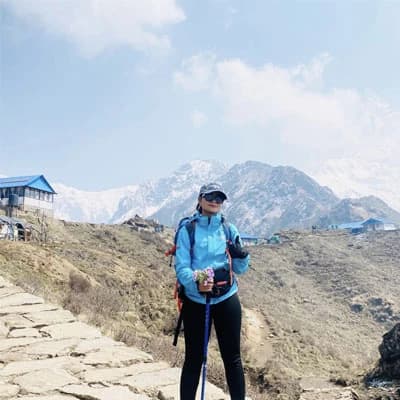
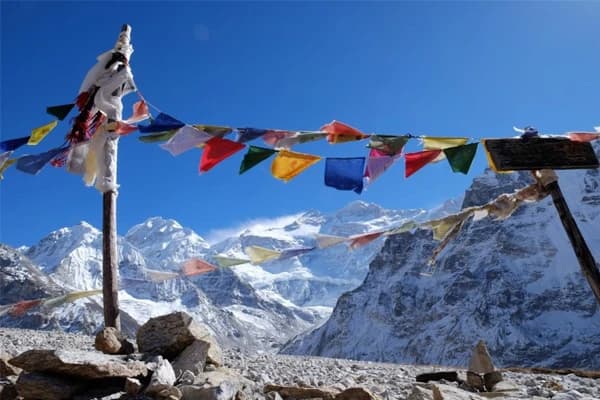
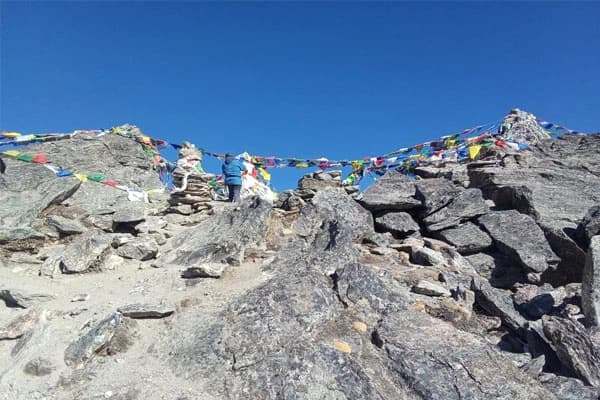
What Is the Everest Three Passes Trek?
The trek to the Three Passes is a full high-altitude circuit adventure, within the Khumbu-Everest region, that links other popular iconic treks like Everest Base Camp (EBC), Gokyo routes, and the high passes of Kongma La, Renjo La, and Cho La. Instead of following, standard route, up and down the main EBC Trail, it takes a full loop via different terrains, major village stops, view points and settles in an overnight stay at Everest Base Camp, Gokyo Ri, Kala Patthat summit and the other passes, which stands out being a comprehend ways to experience the magic of the Everest Trail, in one single trip.
This trip is basically considered one of the challenging treks, navigating through diverse kinds of terrains, rugged, steep, and rocky pathways, via several ascents and descents, that demands a proper itinerary customization, a strong fitness level, and some experience as well. Beyond just being physically demanding, the trek is equally fascinating and rewarding, a perfect fusion of the culture as you navigate via sherpa villages, scenery, and less crowded navigation, standing out as a roller coaster ride throughout. The journey firstly traverses along the Dudh Koshi River till the bustling town of Namche Bazaar, and visits the spiritual Tengboche Monastery and Thame, and spends cosy nights at remote tea houses, such as Chhukung, Dzongla, and Lumde, apart from just the main EBC route.
For the trekkers who seek quiet off-beaten path trails, pristine landscapes, and alpine meadows, along with wanting a fuller picture of iconic Sagarmatha National Park, then this Three Passes trek suits you perfectly.
Top Reasons to Trek Everest Three Passes in 2026 and 2027
Everest Three Pinnacles: Renjo La, Cho La, Kongma La
The ultimate highlight of the Three Pass Trek is the three high mountain passes that surpass the highest of many small peaks in the world. Renjo La is the first pass on the circuit, located at the lowest altitude among the three, at 5,360 meters (about 17,560 feet). Renjo La is the connection of Gokyo with the Thame Valley and is simpler because it lacks a glacier crossing. The path is not difficult, and even yaks can make their way up it without problem. The eastern approach to Gokyo is not steep compared to that of the west, which approaches Lumde and has a steeper slope. Upon arrival at the top, you are treated to a stunning view of Mount Everest and the Gokyo Lakes with deep blue-green color.
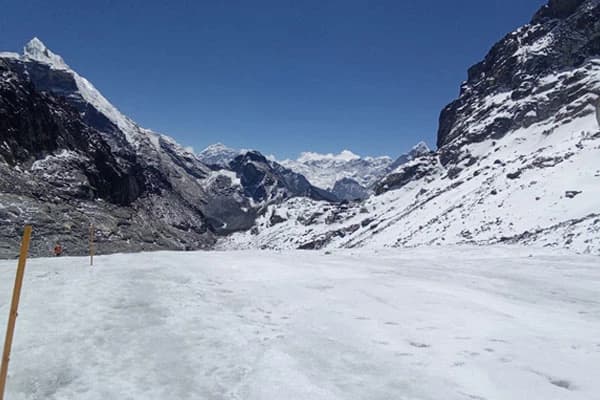
The middle pass out of the three is the Cho La. At an elevation of 5,420 meters and connects the Everest Base Camp trek to the Gokyo Valley trail, thereby allowing you to explore two famous routes in one go! Having a look back at the top of the pass, you will note many towering mountains surrounding you with truly astounding perspectives of Everest. The thrill of crossing icy glaciers gives anyone a sense of adrenaline rush! If you go down from Cho La, you will reach Dzongla, then to Lobuche, and finally get you to Everest Base Camp.
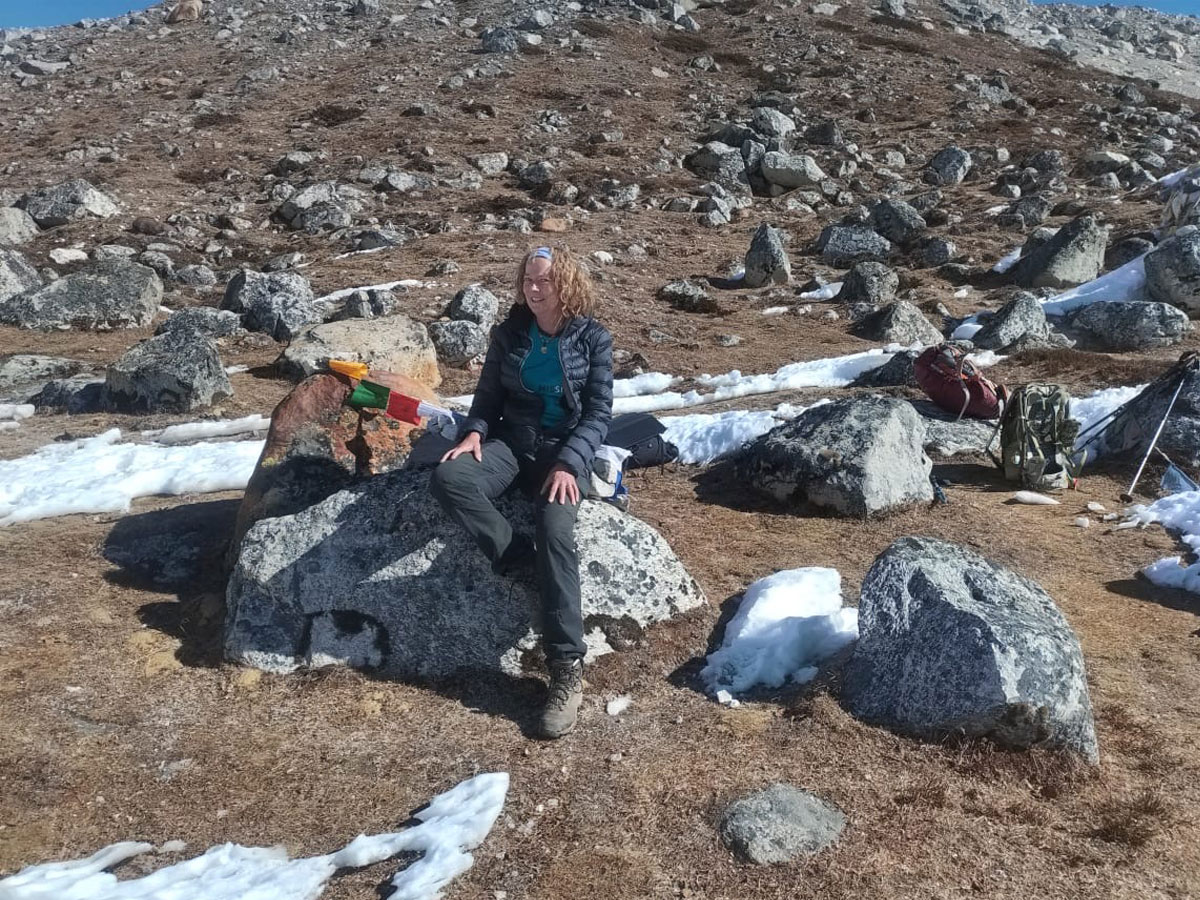
At a staggering 5,535 meters tall, Kongma La is the highest of the three passes. To certain people, the most challenging of the passes is Kongma La, which is very high and has rough terrain. But after the hard work, the reward is staring down from the top, the Himalayan range would appear to be surrounding you. You will be able to see towering peaks like Lhotse, Makalu, and Ama Dablam. Kongma La’s trail connects to the beautiful Chhukung Valley below it, going through bumpy and icy terrain with a river crossing and a glacier crossing.
Ascending through high passes Kongma La, Cho La, and Renjo La, you get an experience of a lifetime and can get stunning views of the Himalayas in the Everest region.
Thrill of High Altitude Adventure
Have you ever felt your heart rate increase as a thrill takes over you? It is what the Everest Three Passes Trek does. The trail entails a crossing of three difficult mountain passes: Renjo La at 5,360 meters, Cho La at 5,420 meters, and Kongma La at 5,535 meters, all above the 5000-meter threshold. At such heights, the air is light and the climate unpredictable, and the landscape severe, every step being tested by.
Renjo La is not the most difficult pass on the trek, but it is one that still poses a real challenge. Cho La requires painstaking navigation in the iced glacier, and Kongma La is considered the highest and most remote pass with rugged tracks and biting winds. Dealing with the hurdles while trekking brings adventure and pride to the journey, which is indeed made real when you are standing at the top of each pass, scanning everything achieved.
The views are amazing at such heights, and you feel like you’re in the middle of the heavens. Conquering these passes is extremely rewarding, strengthening your confidence and imprinting these experiences into your mind.
Diverse Landscapes and Mountain Views
The whole trek to the three high passes stands out as a highlight with the breathtaking scenery and the spectacular views of huge mountains. Right from the beginning, you walk between some of the world’s highest and most beautiful mountains. Passing over each mountain, you can see the famous Himalayan mountains, including Mount Everest, Lhotse, Makalu, Cho Oyu, Ama Dablam, and more.
As you stand upon Renjo La Pass, you see the whole landscape filled with the incredible blues of Gokyo Lakes, the world’s highest freshwater lakes, in every direction. You will see remarkable ice formations on the Ngozumpa Glacier near the Gokyo Lakes, which provide a chance to view all the lakes at once. As you head to Cho La Pass, the rough glacier and icy slopes provide a dramatic setting against the grand mountains.

Once on Kongma La Pass, the highest pass, you are blessed with a panoramic view including the magnificent ranges of the Everest region. The well-known pyramid profile of the famous Everest is visible high in the blue sky at Kala Patthar. While on your adventure, you will find verdant valleys, a colorful rhododendron forest, and ancient Sherpa villages that reflect the pattern of natural and cultural diversity.
Off-Beaten-Path Side of Everest Experience
Do you know another unique feature of the 3 Passes Trek in Nepal? It is the calm and comfort it provides to one in its unknown paths. While this popular Everest Base Camp trail is always full of tourists, the Three Passes Trek lets you enjoy the peace of the Himalayas. Just you and nature!
While walking these calm routes, you move among thick rhododendron trees, by rivers, and up steep hills, listening to birds and feeling part of the scene. On these remote routes, you will find old traditional Sherpa villages such as Thame, Marlung, and Lumde, where days pass slowly and without fuss. You will get a chance to see real Sherpa lifestyles, walk around old monasteries, and spend moments with friendly locals who love greeting trekkers.
The trek is a rare experience because you can escape from the hustle and immerse yourself in the tranquil surroundings of the mountains. It is not only a feast for your eyes but also your mind and soul.
Deeper Exploration of Sherpa Culture, Traditions, and Daily Livelihood
Do you know that for centuries, the Sherpa people have made their home in the steep peaks and valleys of Nepal, particularly in the Khumbu region? For a decade! Rather than the more traveled route to Everest Base Camp, the 3 Passes Trek goes to these small Sherpa settlements such as Thame, Marlung, and Lumde, where the native ways of life are continued.
As you walk around, you will be able to spot stone houses of old with wooden balconies, prayer flags hanging, and mani walls with religious mantras. Taking visits to monasteries such as Tengboche, Pangboche, and Thame Gompa, with foundations in Sherpa religious and learning cultures, enlightens you on their way of life. Buddhist deities, murals, and statues cover the monasteries, revealing the religious activities of the Sherpa people.
When walking through their villages, you can get in contact with the people, view their traditions, see their daily routine, and understand their spiritual relationship with the mountains, which is meaningful to them. Adding cultural immersion to the trek as an element significantly increases the experience, combining natural scenery with a greater insight into Sherpa history and Himalayan Buddhism. Taking the Everest Three Passes trek is an indelible cultural experience you will never forget.
Navigation within the UNESCO-listed Sagarmatha National Park
The Sagarmatha National Park is famous for its peaceful and unspoiled natural environment and is regarded as a key attraction in the 3 Pass trek. why? Well, you will be surrounded by a quiet setting as you hike its expansive valleys, thick woods, and alpine meadows. This park, which covers an area of 1,148 square kilometers, has been preserved since 1976! Entry into Sagarmatha National Park offers a sensation of another world where calm rules and city noises settle in the background, peace all over.
And if the park supports the conservation of majestic Himalayan flora and fauna with red pandas, snow leopards, musk deer, Himalayan tahr, and many more, it must have the tag UNESCO World Heritage site. The thick rhododendron groves, along with raging rivers, present that rare and serene beauty of nature.
As you climb up, the park’s view changes slowly. The area of low elevation is covered by rich forests consisting of pine, fir, and rhododendron trees. As you increase the height, the landscape changes into scattered juniper bushes and ends up as moss and lichen on the rocky snow line.
Sherpa hamlets such as Khumjung, Khunde, Phortse, and Thame are scattered about Sagarmatha National Park, where people still live their ancient way of life. Generation to generation, they have maintained their heritage!
The isolation and serenity of Sagarmatha National Park transform the Three Pass Trek into a very spiritual journey through one of the most visually serene areas on the planet.
Holy Gokyo Lakes and Ngozumpa Glacier
We know that the Everest 3 Pass is for nature lovers with many natural wonders thrown here and there, such as the Gokyo Lakes and the Ngozumpa Glacier, both with their innate charm and beauty. Located in the Gokyo Valley, these Gokyo Lakes are glacially formed turquoise pools that are of deep religious importance to the locals. These are among the highest-altitude freshwater lakes in the world, with Himalayan giants standing down below, offering beauty and tranquility in the view.

The navigation along the Gokyo Lakes ensures that the beautiful scenery of the lakes is rewarded to you, where the huge Dudh Pokhari lake is a favoured place of people who want to capture or dream of snow-capped mountains in the water. Just behind Dudh Pokhari is Gokyo Ri, a very popular summit from where climbs are highly rewarded with memory-filled panoramic views of Everest, Lhotse, Makalu, and Cho Oyu. Certainly, looking at the high mountains reflected by the serene, crystalline lakes is a mind-blowing view
Going beyond these lakes lies the Ngozumpa Glacier, long in length, the longest in Nepal, and one of the biggest glaciers in the whole Himalayas. This giant river of ice is indeed a treat to the eyes, displaying the might of nature in full force. Gliding over an expanse of 36 kilometers! Crossing close to the Glacier adds to the spirit of adventure, particularly while walking towards Cho La Pass.
Fascinating 30-minute Lukla Flight
Well, if you did some research, you have definitely heard of the Lukla flight. The flight into Lukla is popularly renowned for the thrilling and spectacular scenes it provides, and it is not only the starting and the end point of the Three Passes Trekking Route. This approximate half-hour flight from Kathmandu to Lukla is in itself a stimulating adventure which previews the thrills that await in the trek.
Tenzing-Hillary Airport is the official name of Lukla Airport, which is especially well-known for its steep, demanding runway at an altitude of 2,860 meters. The terrace of a very steeply sloped runway and Lukla Airport’s short runway require a great deal of care, especially in the case of unpredictable mountain weather. The bumpy, steep approach makes the flight famous for its thrilling takeoff and landing, not just with the passengers, but also with of an adventurous first taste.
Moreover, the flight adds a distinctive opportunity to see the mesmerizing Himalayan views from a great height. As the aircraft approaches Lukla, trekkers have a panoramic view from above of jagged peaks of snow and narrow valleys, with small Sherpa settlements in the backdrop. Being immersed in the view from above, somewhere high, seems to be your unforgettable method of introduction to the rougher parts of the Khumbu region.
The combination of the thrill of adventure and the scenery, as well as its convenience in cutting the trek short, makes the Lukla flight especially unique and a must on any journey to the Everest Three Passes.
Everest Base Camp and Kala Patthar: Unlock New Heights
While the entire Three Pass Trek trail provides you with stunning views of the mountains, some of the most remarkable views of the mountains are enjoyed at Everest Base Camp and Kala Patthar. Everest Base Camp is located at the foothills of Mount Everest at 5,364 meters, but you won’t be able to see the summit as it tumbles down the Khumbu Glacier. The Khumbu Glacier moves slowly downwards like a frozen river, and you could even hear the sound of cracking ice as the glaciers move around! Base Camp offers a different view of the Khumbu Icefall, where the ice falls like waves of ice sliding down the mountain. In spring, you might see colourful tents as it is the entry point of climbers tackling the summit of the Everest
Which is the best spot to see mt. Everest? Kala Patthar is famous for providing the most beautiful views of the mountains. At these 5545 meters, access to the clearest and most personal view of Mount Everest is achieved while standing on Kala Patthar. It provides an awesome panorama which includes Everest, Lhotse, Nuptse, and Pumori rising in the sky. You will see a wonderful sunrise or sunset from Kala Patthar, since the snow-covered peaks take on a golden hue and the sky looks colourful as the sun comes up or goes down.
Aside from Everest, you will see the great Ama Dablam, Makalu, and Cho Oyu peaks from many points on the trail and feel the thrill of climbing to Base Camp and Kala Patthar.
Key Differences: Everest Three Passes vs Standard EBC
| Factors |
Three Passes |
Standard EBC |
| Route |
Big circuit loop trail linking, like, Khumbu, Chhukung, Gokyo valley, and Thame valleys, via Kongma La, Cho La, and Renjo La |
In and out, follow the same navigation route, up and down from Lukla to the base camp and back to the main trail. |
| Distance |
Takes approx. 17-19 days, covering more distance and other vantage points |
Typically demands 12-14 days, with 2 acclimatisation and side trips, to the Everest View Hotel, Khumjung village, and Nangkartshang Peak |
| High altitude and Passes |
Multiple days above 5000 meters, with 3 ultimate passes, and viewpoints such as Gokyo Ri, Kala Patthar, and others. |
EBC, Kala Patthar, only, no high passes included |
| Crowds |
Quieter, more remote, diverse terrains and settlements in remote Sherpa villages |
Busier and more socially interactive with fellow hikers along the route |
| Highest Point |
Kala Patthar at 5545 meters |
Same |
| Scenery |
Distinct perspective of the mountains, wider variation - high passes included, longest Himalayan glacier, Ngozumpa, glacial basins, Gokyo lakes |
Focused on the main Khumbu valley with classic views of Everest, Ama Dablam, and the Khumbu Glacier |
Who Should Choose the High Passes Trek in Everest?
The high passes adventure is highly recommended for those with prior experience, good, strong endurance, and enough time to plan and proceed with the journey. Take note that this trip is not easy; each step that you undertake, and as you go higher, challenges you with mental fatigue and demands basic fitness, who can at least proceed on a daily hike of 5-6 hrs, sometimes, even the trek reaches max at 8 hours of navigation. However, even if you have a basic fitness level, and engage in prior preparedness, and training with planning the itinerary comprehensively, you can smoothly proceed on this trip; thus, you don't need to have experience at all, until and unless you are confident and medically fit, this trek is doable.
Besides, this trip also suits perfectly those who seek something out of the box, want a less crowded, remote, and raw culture of the Sherpa communities, which has been tarnished in the standard EBC Trail. Not joking, the boost in the popularity of the base camp has had a great impact on the lodges and tea houses of the trailhead, and quite modernized, even to luxury amenities, which makes the hikers not so culturally insightful, as you will be dining on the gourmet meals and well-maintained amenities. On the other hand, the three-pass route basically covers the remote side of the Everest region, passing via remote Sherpa villages, like Thame, Thagnak, etc., showcasing the authentic side of the Sherpa cultures, traditions, and livelihood.
Even though at some points you might encounter some hurdles along the route, especially while crossing the high passes, the raw cultures, less crowded trails, diverse terrains, and the view of the mountains and landscapes keep you captivated throughout.
When Three Passes Might Not Be Right for You?
The trek to the three passes of Everest is truly a captivating, rewarding, and thrilling expedition; however, this trip is not suitable for everyone, especially those who are new to high altitude trips and lack enough time for proper acclimatisation. At least, you need to dedicate your timeframe for 19-23 days, and take a gradual ascent, without rushing the itinerary, and take a gentle hike. The adventure involves multiple days above 5000 meters and 3 pinnacles above 5300 meters, so anyone with no experience at all, or has a history of altitude sickness, or has very tight holiday dates, should choose the easy route to EBC or the Everest Base Camp with Helicopter Return, or take the easy Gokyo route, trek only. If you cannot commit to a flexible 19-21-day itinerary with at least 1 day of rest or contingency days, the added risk of the circuit trail can outweigh the rewards or pros of the trip.
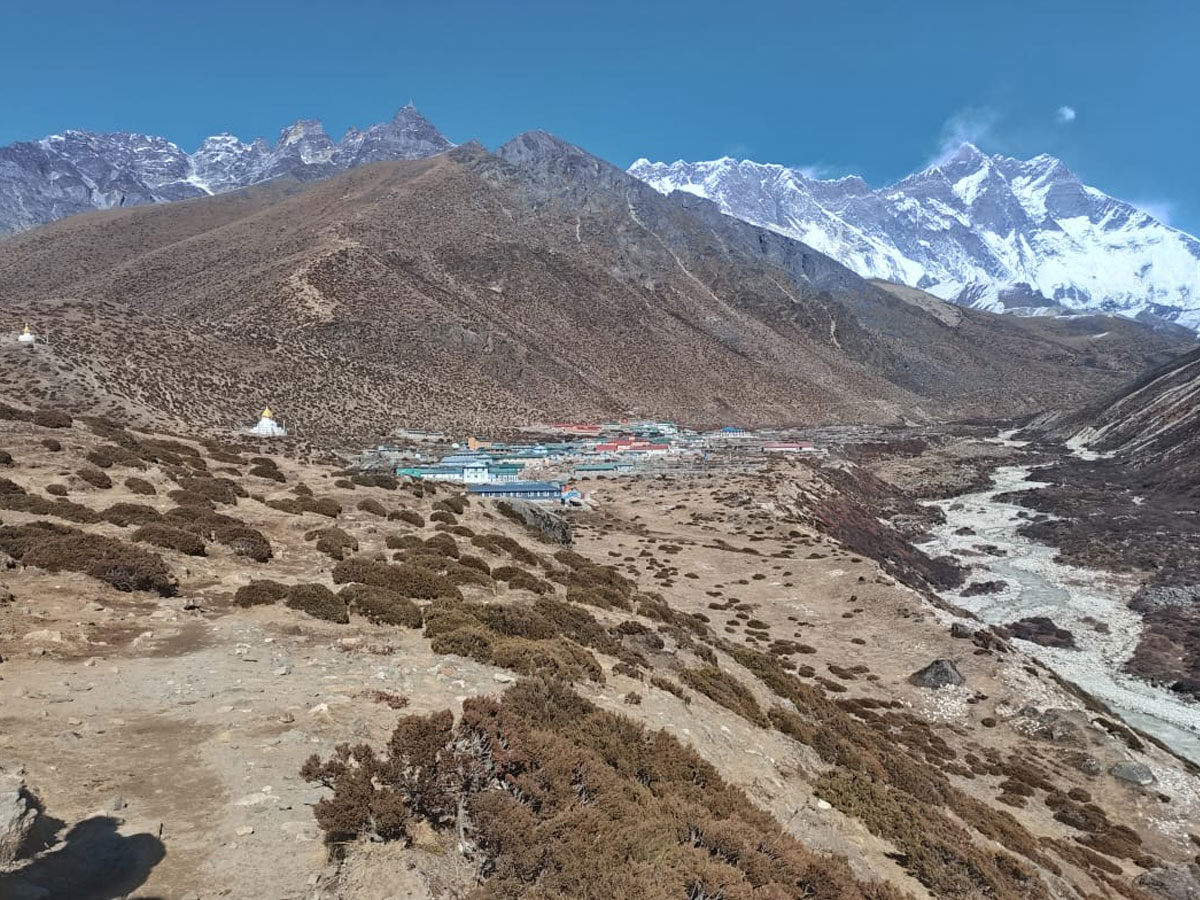
Besides, this trek is also not recommended to those who have a low fitness level, or untreated heart, lung, or joint problems, as the long days of 7-8 hours daily hike and rapid diverse terrain might be a burden to the legs, and fatigue you mentally at the same time. Trekkers who prefer gentler walking, more comfort, and shorter daily stages will likely find the standard EBC or a shorter Khumbu itinerary more enjoyable. In short, three passes might not be a nice choice for you, if you are extremely risk-averse about weather, cold, or logistical uncertainty, as high passes are more exposed to sudden wind and storm, with a high possibility of rerouting or turning back in such a case.
If you want guaranteed lodges, milder temperatures, and minimal exposure to technical terrain, you may be happier sticking to the main Everest Base Camp trail or combining EBC with Gokyo via just one pass instead of committing to all three.
Alternative Treks
Recognized as a thrilling adventure in Everest, the Everest Three Pass Trek can be combined with other famous trails to make the adventure longer and greater. Starting in 2026, new and upgraded trails will connect several iconic valleys and passes, so you can trek them all in one journey.
During your 3 Pass trek, you are free to do side treks on routes like Gokyo Lakes or Everest Base Camp, or even peak climbing. In total, these side trips often use up 4 to 6 extra days, but they make your overall trek much more memorable for both scenery and culture.
But remember, if you organize your combined trek before you start, you will have time to get fit, arrange all paperwork, and know what to expect. You get to choose which parts of these routes fit your interests most, whether you like adventure, Sherpa village life, or mountain scenery. The good news is that many trekking agencies in Nepal provide you with a customizable Everest Three Passes Trek Itinerary so you can combine it with an alternative route easily.
Here is a summary of some popular combined treks with the Everest Three Passes Trek, which focuses on the best of Nepal's Everest region for a comprehensive approach:
|
Add-on Packages
|
Duration
|
Major Attractions of the Combined Trek
|
|
Everest Base Camp Chola Pass Trek
|
15 days
|
-
Offers the chance to trek to Everest Base Camp and also cross Chola Pass (5368 m).
-
See amazing views of Everest, Lhotse, Cho Oyu, and more mountains as you trek.
-
Physically thrilling with high mountain passes crossing
-
Deep cultural exposure to the Sherpa lifestyle and Buddhist monasteries
|
|
Gokyo Lake Trek
|
12 days
|
-
Hike around the beautiful turquoise Gokyo Lakes, a group of glacial lakes in high altitude
-
See Everest, Cho Oyu, and other big Himalayan mountains from the summit of Gokyo Ri
-
A less crowded alternative to other popular treks
-
Moderate difficulty, suitable for beginners with good fitness
-
Opportunity to explore local Sherpa culture and peaceful highland villages
|
|
Everest View Trek
|
7 days
|
-
Short trek to Namche Bazaar and Everest View Hotel
-
Panoramic views of Everest and surrounding peaks without the full EBC trek
-
Ideal for those with limited time or wanting to avoid strenuous trekking
-
Cultural exposure to Sherpa settlements and monasteries
-
Good acclimatization and easy walking paths
|
|
Everest Base Camp Trek via Gokyo Lakes
|
15 days
|
-
Combining the Everest Base Camp with the Gokyo Lakes Trek and crossing the three high passes
-
Crosses Cho La Pass (5420 m), a challenging high pass connecting the two routes
-
Walk through different landscapes, like glaciers, lakes, meadows, and villages of the Sherpa people.
-
Rich cultural experiences with visits to monasteries and local Sherpa communities
|
Conclsion
To sum it up, the Three Passes Trek is an exciting and thrilling journey that has so much to offer. It is a very high-altitude trek with stunning scenery and cultural experiences in the middle of the Himalayas. Regardless of whether you visit the quiet Gokyo Lakes, the famous Everest Base Camp, or opt for more trails nearby, it lets you participate in both nature’s beauty and Sherpa cultural experiences. With the 10 reasons broken down, nothing is stopping you from planning the best-ever adventure of your life. If you need any assistance or guidance, and plan this trip for 2026, then feel free to contact us via WhatsApp +977 9851016814 or email us at [email protected].