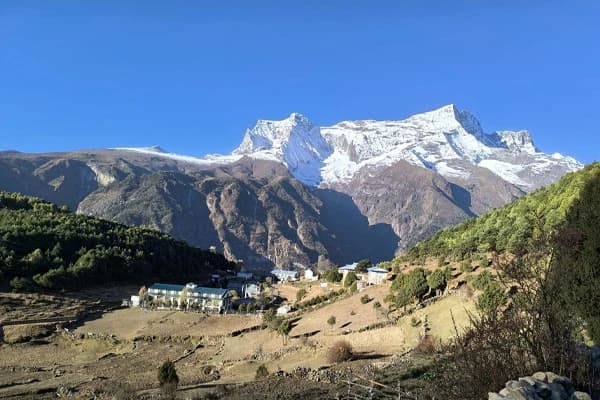
The Everest Base Camp (EBC) Trek is a once-in-a-lifetime opportunity that leads you to the world's highest peak, Mount Everest's foothill, unveiling the beauty of Himalayan giants, surrounding landscapes, warm hospitality of sherpas, ancient monasteris and so on. While many might anticipate this adventure to be completely daring, and only be commenced by the pro hikers, mountainers, and experienced trekkers, the Everest Base Camp Trek for beginners is doable as well, with prior preparations, planning, right guidance, and considering all the factors, such as seasonal weather, altitude gain, pros and cons, beforehand.
If you are planning to trek to EBC as a first timer, with no high altitude experiences, then this comprehensive guide is for you, entailing perfect itineraries, safety tips, major highlights, challenges, alternative routes, and a preparation guide for a hassle-free adventure.
Is the Everest Base Camp Trek suitable for beginners?
The trek to Everest Base Camp for first-time trekkers is indeed possible, with prior preparation, physical, mental, and comprehensive planning, and a customization of the itinerary that suits your pace level, hiking experiences, and health conditions. The standard duration that the EBC Trail takes is between 12 and 14 days, with a daily pace of hiking, from 5 to 7 hours, covering 8 to 14 kilometers total distance, which is not so physically demanding, or includes any technical terrains, which means, even though, you are a beginner, you do not have to worry about, whether the walking terrains, suits you or not.
However, the terrain does navigate via distinct terrains, such as forest trail, from Lukla - Phakding - Namche Bazaar, and then changes into more rugged, remote, and thin greenery and fewer tea houses, while meandering through Tengboche, and Dingboche, including steep climbs. Thus, you must have a basic level of fitness and get trained accordingly. While ascending higher to Lobuche, Gorakshep, EBC, and then Kala Patthar, the highest altitude at 5545 meters, the trail gets more into alpine terrain, with some icy terrains as well. If it is snowy, meanwhile, even though there is a wide variety of walking terrains, if you ascend slowly and gradually, and engage in training physically and create a positive mindset, then, even if you are just new to hiking in mountain areas, you surely can do so seamlessly.
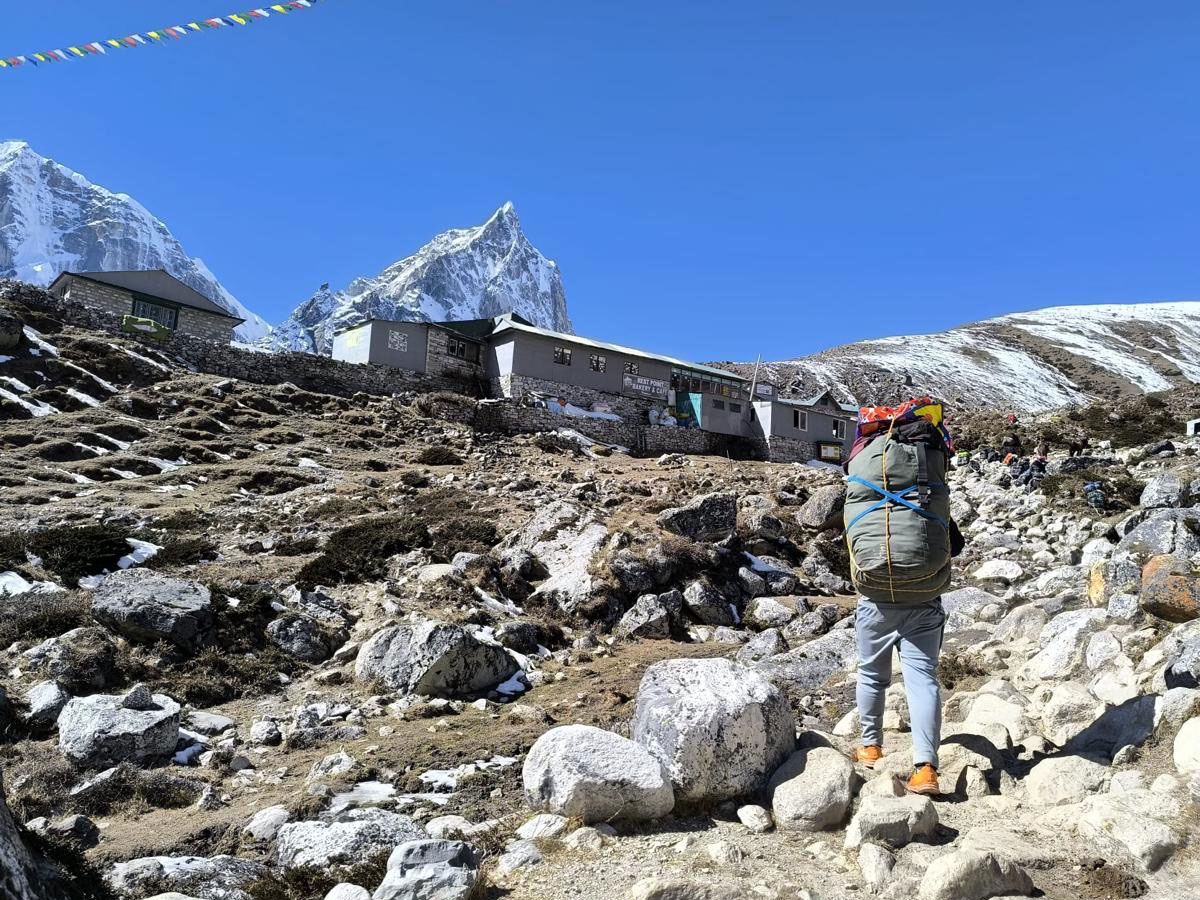
Trekking Trail to the Everest Base Camp
Besides, unlike remote and isolated restricted areas, the accommodations are well facilitated, from basic, standard to luxury sides, with all the amenities included, where the beginners won't find any challenges, to blend in, just ensure that, to pack extra gears, equipments and essentials, according to a seasonal basis. The only main challenges that the beginners might encounter are the frequent weather changes and the possibility of altitude sickness; meanwhile, undertaking this hike during peak seasonal time, and following the preventive safety measures throughout, makes this EBC Trek for beginners a hassle-free journey.
What First Time Trekkers can expect during the EBC Adventure?
Completing each day in the Himalayan trip from stepping down at Lukla helps you experience something new and breathtakingly beautiful. So here are the things first-timers in Nepal can expect during this amazing Nepali trekking adventure.
Whole New Introduction to the Mountain
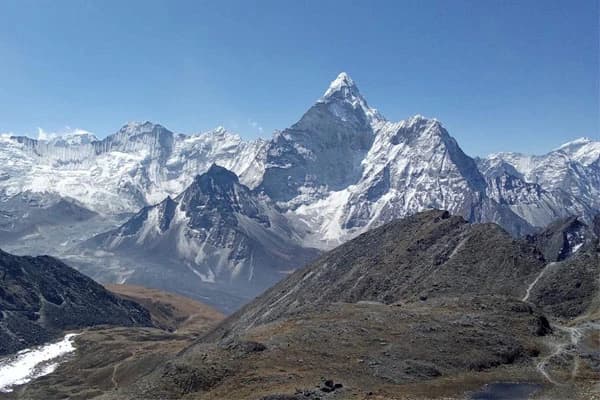
The Everest region stands out as a world of its own with massive mountain scenery all around you. The official introduction of the first-timers begins with the Mount Everest trek that takes the trekkers through the list of peaks known as Lhotse, Nuptse, and Ama Dablam. When you wander in Sagarmatha National Park, you get to watch mountains form weather patterns, form rivers, and develop a unique type of wildlife that you cannot find anywhere in the world. This trek is a very good medium for a beginner to commune with nature and feel the power of the mountains. Of course, it's a lucky occasion for first-timers that one gets to witness Mount Everest and all other giant peaks right in front of one's eyes.
Thrilling Challenges
Mount Everest Base Camp Trek has difficulties that you never expected. Minor activities such as brushing your teeth become a problem at extreme altitudes, and you can end up contracting altitude sickness, which can be in the form of a headache or even feeling tired after a short distance of walking. Even the weather in the Himalayas changes in minutes, you will have sunshine in the morning and snow in the afternoon! That is when a hot shower would be a dream come true. These difficulties of trekking teach patience and build the kind of mental strength that lasts way beyond the moment of coming home after that first-ever EBC trek.
Unparalleled Mountain And Landscape Views
The views seen from hiking to Everest Base Camp make postcards look boring. It is a privileged experience when you are up there in Kala Patthar at sunrise and watch major Everest glowing gold in the morning sun. Walking on suspension bridges, built above incredibly beautiful valleys with clouds covering them, is also a part of the base camp trekking itinerary. As spring comes in, the forests of rhododendrons flower in bud to make natural rainbow scenes against the white mountains in the fields, until it gets to the high-altitude grovery alpine meadows, rocky ground, and glaciers. Every acclimatization day offers sightseeing fun, bringing in more highlights of the Everest region. Those mountain scenery moments make photo memories that friends back home will never believe.
Unique Insights Into Cultures
Everest Base Camp trekking in Nepal is more than natural beauty. It is also about the people. Trekking provides a chance to meet with the Sherpa people, who are known for their kindness and their mountain abilities. When you stay in tea houses, you will live the Sherpa life, eat the Sherpa food, and hear the Sherpa stories of the festivals, Buddhist monasteries, and life in the mountains. This cultural aspect adds flavour to trekking and makes future beginners ready to perceive the core of the Everest region. With such cordial people, the trek is very warm and endearing as it forges engaging connections with people outside the realm of the mountains.
New Record of Height at 5,455 Meters
Getting to Everest Base Camp elevation of 5,364 meters, is very exhilarating, and some trekkers choose to push beyond to Kala Patthar at an elevation of 5,455 meters. This then becomes the high-altitude trekking record for most beginners. You've reached a height where you are breathing the air with half the oxygen present at sea level. The thin air and stinging cold wind are worthy of that view, from which stems a sense of the need to get properly trained and prepared for the famous trek to the foothill of the tallest mountain in the world. It is a heartwarming experience that will forever stay in your heart.
Suggested Itinerary for EBC Trek for Beginners
An itinerary of the best EBC Trail assists the beginner in understanding the day-to-day events during this trekking adventure in Nepal. This 14-day Everest Base Camp Trek itinerary for beginners is prepared so that acclimatization is on the cards, and for trekkers in Nepal, the schedule is realistic. The Everest Base Camp trek route starting point is Lukla and takes a tried-and-true path that allows the body to get used to the higher altitude gradually. Two days of rest are reserved for very important altitude acclimatization days in Namche Bazaar and the other in Dingboche.
Day 01: Arrival at Kathmandu International Airport, Transfer to Hotel, Evening Meeting about the trip
After arriving here in Nepal, get transferred to the hotel from Tribhuvan International Airport (TIA)
Meeting at the evening, regarding the adventure, gears distribution, introduction to the trekking guide, some tips and suggestions to follow throughout
Day 02: Fly from Kathmandu to Lukla, then hike to Phakding
Take a 35 to 40-minute flight to Lukla Airport (Tenzing-Hillary Airport)
Begin the walking trail towards Phakding, following the Dudh Koshi River, forest area of rhododendrons and pines, crossing several suspension bridges in between
Day 03: Phakding - Namche Bazaar
Proceed on the trail to Namche Bazaar, also known as the capital city of the "Everest region", for 3-4 hours, and explore fancy restaurants, luxury accommodations, cafes, pubs, bakeries, local shops, overall, the modernized bustling himalayan town even at such an altitude
Day 04: Acclimatization Day (Hike to Everest View Hotel or Khumjung Village/ Monastery) side trip options
For beginners, acclimatizing here is a must, and it stays for experienced trekkers as well, so do not miss outon taking 1 acclimatization (rest day) here
Visit the world's highest 5-star hotel, Everest View, in the early morning, with a panoramic vista of himalayan mountains, including Lotshe, Nuptshe, Tharmseku, Mt. Everest, etc.
Pay a visit to the Khumjung village, and also, the ancient Khumjung monastery with the display of Sherpa museums, architecture, and the famous Yeti Skull as well
Day 05: Namche - Tengboche Monastery
Take a hike to Tengboche via visiting the Tengboche Monastery perched at an altitude of 3870 meters, lasting for almost 6 hours on the walking trail
From this point, you get insight into the architectures displayed in the Tengboche Monastery along with Dudh Koshi valley, and breathtaking insight into the closure of the Ama Dablam and Mount Everest
Day 06: Tengboche - Dingboche
From here, the walking trail gets more challenging, followed by a rugged, remote, rocky pathway, with continuous ascent, so ensure to have a fulfilling breakfast, and carry quick snacks to munch in between
Day 07: Acclimatization Day (Hike to Nangkartshang Peak)
Another acclimatization day is crucial here, to adapt to the rising high altitude on the following consecutive days, as we have to proceed on the trail above 4200 meters, from tomorrow onwards
Take an acclimatisation hike to Nangkartshang peak
Day 08: Dingboche - Lobuche
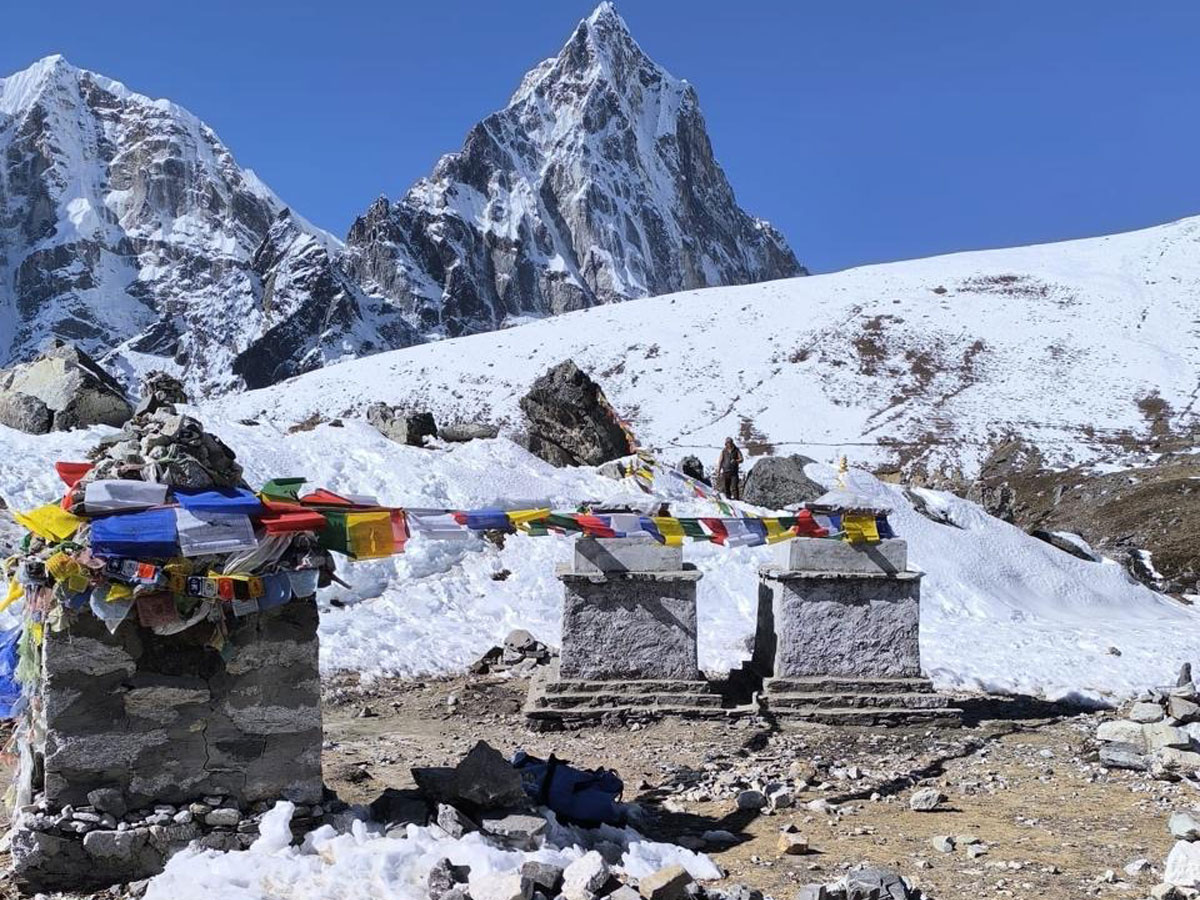
Undertake a hike to Lobuche, via visiting the Thukla Pass, where there is a memorial summit of the past Everest summitters
Day 09: Reach the Everest Base Camp, the foothill of the world's tallest peak, Mt Everest, and then, get to Gorakshep (the last settlement of the route)
Day 10: Early morning Hike to Kalapatthar, then downhill walk to Pangboche, via visiting the gompa
Take an early morning ascent to the highest pinnacle, Kala Patthar, with the panorama of the iconic peaks, with the hues of golden shades at the tip of the giants
Get back to Goarkshep, have a fulfilling lunch, and take a descent to Panboche
Day 11: Pangboche - Namche Bazaar
Day 12: Namche - Lukla
Day 13: Flight back to Kathmandu
Day 14: Final Departure
How Challenging is the trek to Everest Base Camp for Beginners?
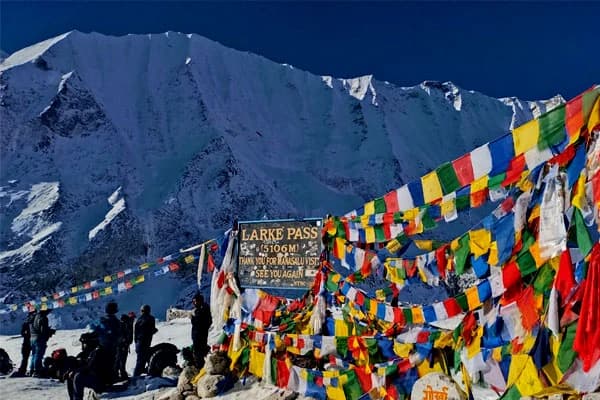
The three main reasons that make theEBC Trek Difficulty levela challenge to beginners include altitude acclimatization, endurance, and weather. Severe altitude difficulties would be the primary ones, such as the base camp of Everest, which reaches an altitude of 5364 meters, and that of Kala Patthar, reaching a level of 5545 meters, and an always fluctuating climate at the Everest Base Camp, creating the potential of altitude sickness. The base camp trek itinerary includes days of acclimatization to enable the adjustment in a gradual manner. The true start of the trek is a flight to Lukla, 2,860 meters, but the lower part of Everest is nearly continuously slanting. Better tips to apply when visiting Everest base camp to trek would be to stay hydrated by drinking plenty of water, eating well, and listening to the body.
Thukla Pass at 4800 meters, along the route to Lobuche
Other aspects of training include preparation. The hike consists of 7-12 hours of hiking on rocky terrain, steep hills to climb, and descending in between, most of the days. The right trekking gears like a pair of good boots and warm clothes, counts for each bit to you being comfortable. Weather patterns in the Himalayas change very quickly, especially in the monsoon winds. The Everest Base Camp should be visited in spring or autumn when the skies appear sunniest ever, and the temperature remains more balanced. With thorough proper preparation and interspersing it with good fitness, along with the plain instructions given in this trek guide, novices may complete the EBC Trail and create memories for eternity. In many experiences, taking time to acclimatize properly and not rushing through the trek is the key to making the trip safe and secure.
How to train physically for the EBC Trek as a first timer?
Before undertaking this trip, beginners must be physically trained to at least cover the daily distance coverage, featuring multiple ascents and descents, by engaging in any sort of physical activity, such as cardiovascular exercises or weight training. You do not have to go over the board while preparing by developing abs, or being an alpha sport enthuisastic hikers, but rather focus on strengthening your core level, leveling up the stamina, and building strong legs and physique, and have control over breathing.
It is highly suggested for beginners to engage in physical training for at least two months (8 weeks, 14 days), which is more than enough, or you can even begin the session 3-4 months before. However, if you do not have much time to invest, then 8 weeks is great as well. Start the physical training activities by engaging in cardiovascular exercises, such as walking, running, or incline walking, for 30 minutes, 3 to 4 times a week. Along with that, you can also do strength workouts for glutes, legs, calves, core, backs, as well, which will help you in completing the long hour walk. Then, you can level up the training by doing squats, stair climbing, and completing 10,000 + steps, by carrying a loaded bagpack of 8 to 10 kgs.
For 3 to 4 weeks of 2 months, try to level up the training, or the treadmill session, by 45 minutes of incline walk, and doing some deadlifts. At this point in time, you can also engage in short hikes, or just a nearby walk, for 3-4 hours with a bagpack, carrying the daily essentials. In the 5th and 6th weeks, try to do full-body circuit workouts, and do 1 hour (60 minutes), at an incline of 8 to 10, and also, do stair climbs, doing multiple ascends and descents, which builds your calves and leg strength. As you hit 7th and 8th weeks, try to opt for a 70 to 80-minute incline treadmill walk; do not overdo the workouts or cardio, just focus more on strengthening and stretching the body. Thus, you do not need to go over the top or hire any trainer; just do basic workouts, focusing more on building the stamina and core strength level, so hiking on the varied terrain, with multiple ascents and descents, won't be physically daunting to you.
To know more, check our recently updated Training and Preparation Guide, so that you get to train your body accordingly.
When is the ideal time to visit Everest Base Camp for New Hikers?
Choosing theideal seasons for EBC to visit is a great choice for novices. Two primary seasons feature the first-time Everest trek, with stable weather conditions in the Himalayas and clear mountain views. Spring, from March to May, provides the best Everest Base Camp weather for novices. The Nepal trekking trails burst into color with the bloom of rhododendrons. Daytime temperatures stay pleasant; hence, it is more enjoyable to trek to Mount Everest. The weather pattern is stable, with very rare cases of flight cancellations to Lukla. This season of the Everest Base Camp travel guide offers prime visibility for mountain view photography.
From September to November, another best periods opens for trekking to Everest Base Camp in autumn. Having clear skies, the Everest region shows its best charm every single day. Stable weather patterns and comfortable temperatures make for high-altitude trekking easier. The post-monsoon climate provides the perfect visibility conditions for Mount Everest in Kala Patthar.
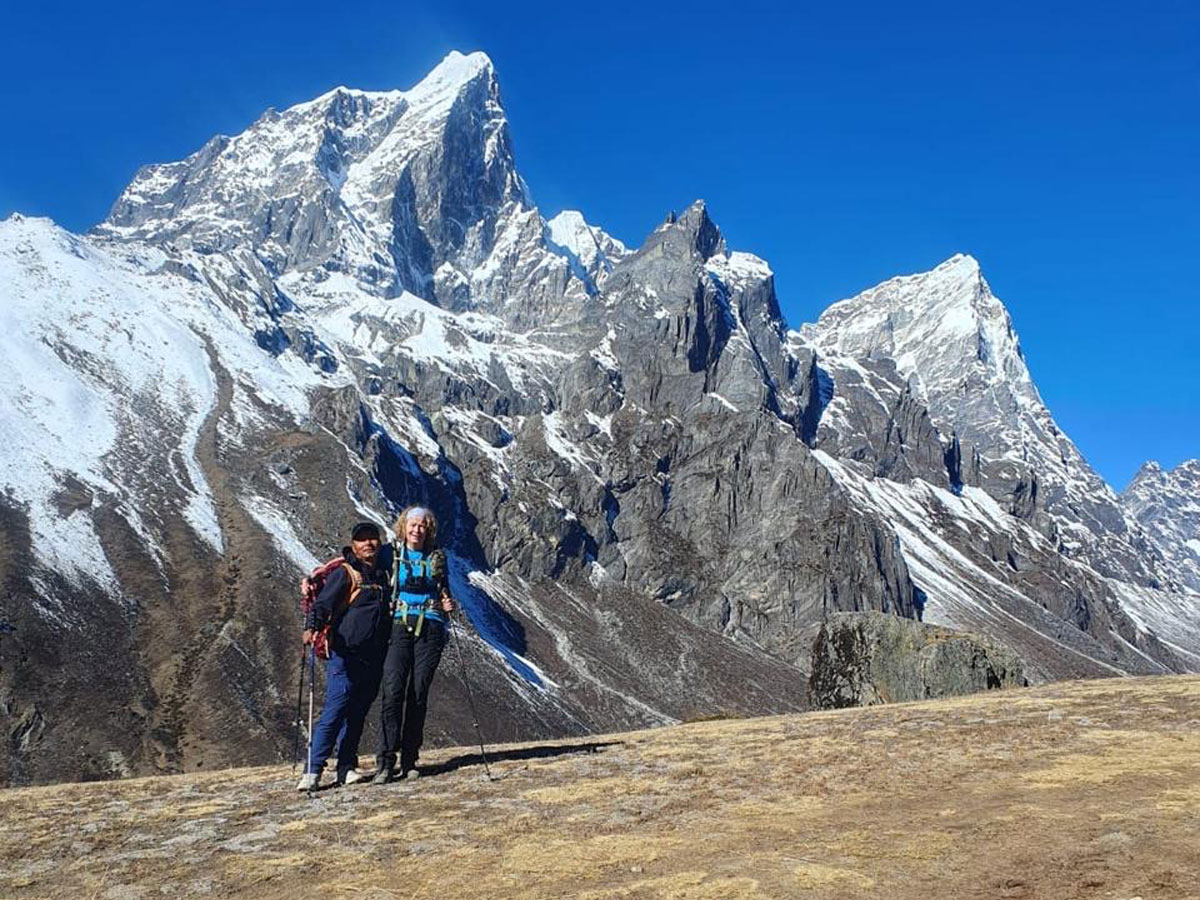
EBC Trekkers at Dingboche view point with the Mount Everest view at the background
The winter months are full of chilly and dangerous weather at the higher elevations, the trail is covered in snow, and it is hard to walk and navigate. On the contrary, summer is the season for cloudy skies and slippery, muddy trails. It is a necessary condition to properly prepare yourself during such difficult times on the Everest trail. The new trekkers are recommended to make a reservation during spring or autumn so that they have a safe and enjoyable journey to the Himalayas.
Safety Tips for Beginners to reach EBC and Kala Patthar
With proper planning and observance of scattered trekking safety tips, Kala Patthar can be reached without much hassle. This high-altitude trek at 5,545 meters is more of a challenge for the beginner, but pays off before their eyes with the magnificent views of Mt. Everest.
Gradual Ascent
Acclimatization to the altitude should be via a gradual ascent that will allow the body more time to adjust on its own. The EBC trek incorporates rest days at Namche Bazaar and Dingboche for this very purpose. The generally recommended measures for ensuring safety in high-altitude trekking are not to increase sleeping elevation more than 500 meters per day once above 3,000 meters, and it is a must-follow rule for beginners.
Local Experienced Agency
A good Nepal trekking agency will provide you with all your safety equipment, competent staff, and an emergency support system. The EBC trek guide service may even train you to recognize altitude sickness and train in procedures for its evacuation. Local agencies take into account weather conditions in the Himalayas and plan itineraries accordingly. First-timers in an EBC trek will benefit from the knowledge and connections of the agencies.
Intelligent Acclimatization Days
Acclimatization days prevent altitude sickness and allow the body to produce more red blood cells for oxygen transport. Added rest days may be included in the Mount Everest Base Camp trek itinerary as per necessity. Proper altitude acclimatization involves hiking higher during the day and then sleeping lower. To climb Kala Patthar, beginners as well as experts would have to be well-acclimatized at the Everest Base Camp elevations.
Local Expert Guide
Sherpa guides detect the early symptoms of altitude sickness and take life-saving decisions during life emergencies. Weather contingencies, safe routes to tread, and evacuations are within their expertise while guiding an Everest trek. In their understanding of climbing conditions for Kala Patthar, they also select the best time to attempt to summit. Trekking guides in Nepal provide key cultural insights alongside trekking safety tips.
Travel Insurance
Comprehensive travel insurance plans pay for more than a helicopter evacuation from Kala Patthar elevation and medical treatment. High-altitude trekking insurance must cover 6,000 meters in emergencies. Its insurance needs to cover expenses related to treatment for altitude sickness, lost gear, trip cancellations, and emergency evacuation. Good quality insurance will provide 24/7 emergency assistance and direct payment arrangements to the medical facility.
Cost of Everest Base Camp Trekking for Beginners
First-time EBC trekkers consume resources under several expense categories that correspond to the entire trip cost. Preparation for the Everest Base Camp should therefore consist of knowing what to expect financially. Below is an outline of some major expenses you should anticipate in the trekking adventure.
Meals
When proceeding on the trek to EBC, you stay in tea houses and have tasty meals, but the expenses increase with the altitude. Dal Bhat, which is rice wth lentil soup, curry, vegetables, and pickles, sells for USD 5-8 in lower villages, but that keeps increasing to USD 15-20 near the base camp. Western food, e.g., pasta or pizza, is priced higher than Nepali food. So you in Nepal should keep about USD 25-40 per day for three meals during the trek. Transportation of the food is expensive since this is a high-altitude region, hence the high prices. One good idea in the trail is local food; it is cheap and good when imported food is out of the question.
Accommodation
Tea house accommodations along the trail have comfortable rooms with a basic bed, mostly common bathrooms, and a dining area in the higher Everest region. The prices are quite high in relation to the altitude of the destination, starting off at USD 5 and USD 10 in the low-lying villages, to close to USD 15-USD 25 near the levels of the Everest Base Camp. In Nepal, most trekking lodges will charge you to use nearly every service, such as a hot shower, Wi-Fi, and charging devices. A first-timer trekking at EBC should budget about USD 10-20 per night for a decent room stay. The lodges provide warm blankets; however, one should consider using a sleeping bag for maximum comfort. It is important to book accommodations during peak seasons well in advance to get one of the best options for tea house accommodation.
Transportation
The transportation cost is between USD 280 and 320 for a domestic flight to Lukla. Flights can get delayed at times because of the weather in the Himalayas, so there are broader reasons to maintain a flexible schedule, including extra stay expenses. Domestic airport tax and fuel surcharge would add about USD 20-30 to the tickets. Local people buses or jeeps provide an exciting, cheaper alternative for those on a budget or adventure seekers from Kathmandu to Manthali or Salleri. Local buses from Manthali to Salleri cost about USD 8-15 and take about two days.
Permits
The required permits for EBC Trail are the Sagarmatha National Park entry permit, which costs USD 30 approx. NPR 3,000, and a Khumbu Pasang Lhamu Rural Municipality permit that costs USD 20 or NPR 2,000. Trekking permits are compulsory for trekkers going into the Everest region of Nepal. For this trek, permits are obtained either in Kathmandu or before entry into the park. Trekking permits are issued in Nepal to help conservation programs and upliftment projects of the local communities.
Hiring Guides And Porters
Sherpa guides will request USD 25-35 every day in exchange for the advice they impart on acclimatization to altitude changes, cultural happenings, and safety during trekking. The porter is supplied for USD 20-USD 25 daily to carry the gear weighing 15-20kg, making the trek to Mount Everest a little more comfortable. The decision between having a guided vs independent trek considerably determines the total EBC cost. More experienced Sherpa culture guides for first-timer EBC trekking ensure safety and also enhance the experience.
Travel Insurance
High-altitude trek travel insurance can set you back from USD 100 to USD 250, depending on the coverage and duration. Insurance for the Everest has to cover helicopter evacuation to a height of 6,000 meters. Insurance for trekking in Nepal, in general, should include medical expenses, trip cancellations, and gear replacement throughout the EBC. EBC trekking for first-timers necessitates policies that will include treatment for altitude sickness and emergency evacuation.
Not all travelers want to follow the usual Everest Base Camp Trek circuit. A small number of novices select that trail, which offers an exclusive experience alongside an opportunity to bathe in some of the Everest region highlights. The alternative trekking activities in Nepal fit the different levels of fitness, time, and even adventure preferences. Every trekking trail possesses its particular appeal as well as its difficulties for the trekkers in Nepal.
Everest Base Camp Gokyo Lake Trek
The EBC via Gokyo Lake Trek has multiple great destinations combined into one 13-day wonderful Himalayan Adventure. Gokyo Lakes offer stunning turquoise blue waters which mirror the snow-peaked mountains like Everest, Choyu, and the views get even better from the top of Gokyo Ri. It is a comparatively longer trek for first-timers,s but more rewarding in terms of mountain scenery changes and fewer crowds on some sections of the trails. The high-altitude trekking experience comes with the challenging Cho La Pass, suitable for beginners seeking a little extra thrill. This Nepal trekking guide route has the best photo ops and those of the ever-so-rare viewings of the Everest region.
Everest Base Camp Trek with Helicopter Return
It is an ideal option for those beginners who only want to reach the base camp, but on a shorter and more comfortable route.Everest Base Camp trek with Helicopter Return takes the classic trail up to the Everest Base Camp and Kala Patthar to enjoy sunrise viewing, followed by the helicopter ride back to Kathmandu, where you are gifted the breathtaking birds-eye views of the whole of the Everest region and the highlights in the sky. Another benefit of this Mount Everest trek option is saving several days' worth of walking and the weary legs that come with it. After days of trekking, this helicopter return works as an opulent farewell to an already amazing Himalayan adventure while still preserving the entire trekking experience. This option suits beginners with time constraints or those worried about the level of difficulty of the trek.
Everest View Trek
The Everest View Trekking Tour is an easy and short trek in Nepal for spectacular vistas of Mount Everest without reaching the base camp. For first timers who would like to experience the culture of thousands of Sherpas and the scenic mountains, but prefer a moderately high altitude trekking trail. The trek takes place in 7-10 days to reach the Tengboche Monastery and the Namche Bazaar, which is one of the best experiences of the Everest region.
This suits the conditions, while first-time trekkers should acclimatize nicely. Although the base camp is not reached, the Mount Everest trek still provides views that change one's life and also offers a cultural experience. This Everest Base Camp trekking guide choice is best for beginners who want to test out their abilities before doing a full walk to EBC.
Conclusion
One of the greatest adventures waiting to be done is the Everest Base Camp trek for beginners. This beginner's guide shows that extraordinary things can happen for ordinary people with the right trek preparations and determination. The trekking adventure in Nepal changes lives through spectacular mountain scenery, with warm Sherpa culture and the feeling of personal achievement at great altitudes.
Smart trek planning needs an understanding of difficulties, the right time to land, and being very strict with established trekking safety guidelines. At the very least, EBC for first-timers needs physical preparation, mental readiness, and some respect towards mountain environments, so anything spent on the trek's cost returns with everlasting memories.
With every step to Kala Patthar and base camp, confidence grows, forging stories to be passed down for a lifetime. The Himalayan procedure awaits those who have the guts to get started on it! Mount Everest trek dreams are upheld when beginners commit to proper preparation and embrace the rigors before them.
Ready to take on the challenges? Whether you are a pro or a newbie, Destination Himalaya Treks has got what it takes. To learn more, you can also do WhatsApp/Viber/Direct call on +977 9851016814 or email us at [email protected] to learn more about this amazing adventure in the Himalaya. Contact Us!
FAQs (Most Asked Questions)
Is the Everest Base Camp trek beginner-friendly?
Indeed, it may yet be enjoyed by anyone with the correct mindset and physical conditioning. The trek is also well-established, and it has a good infrastructure of tea houses along the route.
How long does the Everest Base Camp trek usually take?
Two weeks, that is 12-14 days, is the average for trekkers to finish the journey. It also incorporates some rest days for acclimatization.
When should first-timers trek to Everest Base Camp?
Spring and autumn are the most preferred as the sky is clear and the weather conditions are favorable. They reduce the possibility of rain or snow, and walking becomes convenient and less risky.
Are climbing skills or special gear needed for this trek?
No previous mountaineering experience is required because the trek is done on hiking trails and not on climbing routes. Comfort necessities will be enough with simple hiking gear, mostly boots and warm clothes.
What are the most significant challenges for a beginner on this trek?
High altitude and long hours of walking each day are the two biggest challenges. Plus, with rapidly changing weather, expect the unexpected.
Are there places to stay along the trek to EBC?
Trekkers stay at tea houses with simple accommodation and warm food. These offer shelter to rest and experience local hospitality.
How much does the EBC trek cost on average?
It would cost you anything between 1,200 and 1,500, depending on the days you go, the way you come up, and the services that you take. This includes the entire cost of food, accommodation, permits, and flight.
Do I need permits to trek to the Everest Base Camp?
Two permits are required and must be bought before the initiation of the trek. They are required to conduct research in conservation activities within this area and also to offer support to the locals.
Is it necessary to hire a guide or porter?
It is not a mandatory service, but guides and porters will make the route safer and more interesting to survey, navigate, carry backpacks with heavy items, and have local information.
What do I need to bring to the Everest Base Camp trek as a beginner?
Wearing layers, good boots, and waterproof jackets are necessity. Then get yourself some sunscreen and a headlamp, and pack a small medical kit in case of emergencies.