Major Attractions
There are multiple reasons as to why you should choose this adventure. There are no specific numbers as to why you should trek the region due to an unexplainable feeling you have when trekking around this legendary circuit, but here are some of the reasons why we think you should trek the Annapurna Circuit.
Experiencing the best views of the Annapurna and Dhaulagiri Ranges
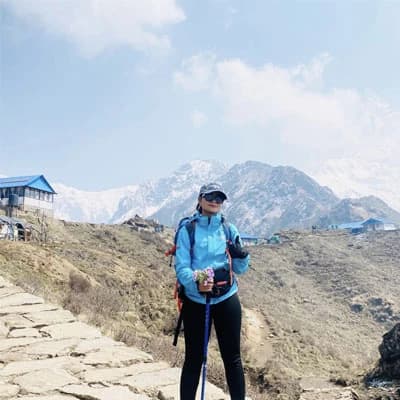
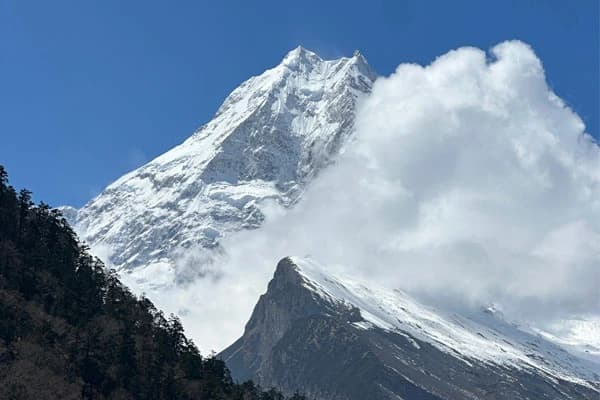
As you start trekking upwards and around the circuit of Annapurna, opening up to the most scenic and stunning views imaginable. The best thing about it is that the circuit not only opens to the views of Annapurna but also to the scenic views of Mount Dhaulagiri, which is also an 8000m peak, alongside Annapurna, both standing at the staggering height of 8,167m and 8, 091m respectively. Aside from them being really tall peaks, their range is one of the longest mountain ranges, making both of their views extremely scenic and stunning.
Wander through Diverse Landscapes and Climate Zones
As we mentioned above, the Annapurna Circuit Trek has multiple diverse landscapes, from the subtropical forests to meadows and high-altitude deserts. Due to the trekkers going through multiple Landscapes, the climate zones change according to the landscape; it goes from moist to cold depending on the area of the circuit you are in, which can be a really good experience depending on what part of the circuit you are trekking in.
Explore Traditional Gurung, Thakali, and Manangi Villages
Along the trek circuit, you will find multiple villages that are filled with the indigenous culture of the people around the circuit, which are the likes of traditional Gurung, Thakali, and Manangi villages. These villages offer a very different kind of cultural experience from the normal Nepali cultural experience, but it is worth noting that a lot of Nepali culture that exists right now was influenced by these cultures.
Visit the Sacred Muktinath Temple
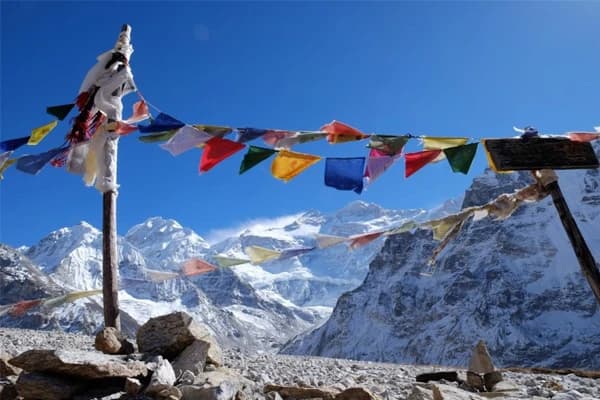
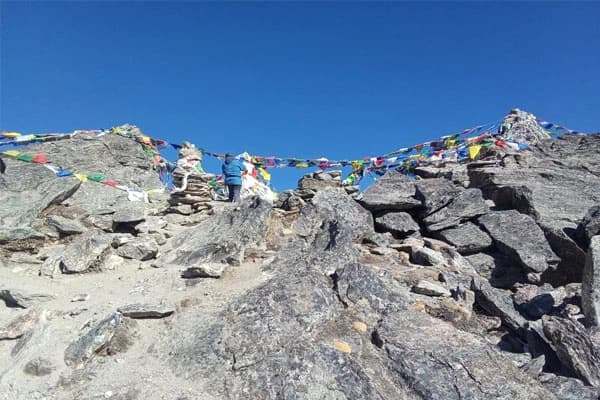
The Muktinath Temple is a sacred place for both Hindus and Buddhists, and it is located at an altitude of 3800m. The temple is reached after crossing the Thorong La pass(5,416m), and it is located in the western part of Annapurna. The temple was built in 1815 AD, serving a high historical significance for the people of Nepal and also for many foreigners who do the adventure, thinking that they will go through this temple during the trek.
Trek Difficulty - Who is this trek best for?
The Annapurna Circuit Trek is known as one of the challenging high-altitude treks that demands long-distance walking coverage and gains higher altitude as each day passes by. The route is non-technical and neither asks for mountaineering experience, but what makes the trail challenging is that the trekkers have to encounter wide variations of trail, from thin forest areas to rugged rocky sections and glacial alpine walks, and high pass navigation, requiring proper planning and a strong physique.
The trail is also isolated and scheduled, with basic amenities and fewer crowded hikers, which might be mentally frustrating for beginners with no hiking experience at all. Another major concern is the rapid gain of altitude, starting from 1360 m and reaching its highest at 5416 meters, which demands intellectual acclimatization and comprehensive preventive measures, optimizations to avoid the risk of altitude sickness. Meanwhile, if you are a beginner and still willing to take this journey, you must consider proper planning, training, and a comprehensive itinerary with gradual pacing.
Best Itinerary Outline for 2026 and 2027
This 12-day itinerary from and to Kathmandu is designed with a gradual ascent and a comfortable trekking pace, making it suitable for solo trekkers as well as other travelers. It helps reduce the risk of altitude sickness while allowing enough time for proper acclimatization throughout the journey.
Day 01: Kathmandu to Dharapani
Day 02: Dharapani to Chame
Day 03: Chame to Upper Pisang
Day 04: Upper Pisang to Manang
Day 05: Acclimatisation Day at Manang
Day 06: Manang to Yak Kharka
Day 07: Trek to Thorung Phedi or Thorung High Camp from Yak Kharka
Day 08: Trek from High Camp to Muktinath Temple via Thorong La Pass
Day 09: Drive from Muktinath to Tatopani via Jomsom
Day 10: Trek from Tatopani to Ghorepani
Day 11: Early Morning Trek to Ghorepani Poonhill and Drive to Pokhara
Day 12: Drive to Kathmandu from Pokhara by tourist bus
For those with a limited time frame, having prior experience can consider 10 days Annapurna Circuit Short Trek, entailing daily 5-6 hikes, and one major acclimatisation day at Manang.
Comfortable and Well-Developed Trekking Route
As the Annapurna Circuit is extremely commercialised, the circuit has a very well-developed and comfortable trekking route along the way, and the trekkers get a great experience when trekking along the circuit. The stays you have in teahouses are very cozy, and as the circuit is very big, there are well - marked trails that can help with proper navigation, and if the trekkers lose their way around the trail, they have access to trail services to help themselves get back on the trail.
Well-Marked Trails and Easy Navigation
It is one of the most commercialised trek circuits in Nepal, and due to this reason, the government of Nepal has enhanced the safety for trekkers trekking the whole circuit by marking the trails with a lot of checkpoints and help posts, which have been a great help to trekkers who do the excursion. It is one of the safest and best trekking circuits all over the world, which offers the best views, and when that is combined with great guidance along the trek, it becomes an unforgettable experience.
Comfortable Tea Houses and Lodges
There are multiple tea houses and lodges along the circuit, which are very cozy and comfortable, where trekkers can rest along the trek. There are teahouses and lodges in abundance in the trek; choosing the one for you is all up to you, but the company you are trekking with can help pick out a lodge for you, which is included in the package you choose to trek through.
Reliable Food, Water, and Basic Facilities
Due to the abundance of lodges and teahouses along the trail, there are multiple sources of reliable food, water, and basic facilities along the trek. The trekkers will not have to worry if some scarcity were to arise, as there are multiple sources to get basic facilities like water during the trek throughout the day.
Preparing for the Annapurna Circuit Trek
There are a lot of phases required in trekking the Annapurna Circuit, like planning what the best time to visit the trek is, according to you and your experience, and the type of views you want to experience on the trail. You also need to make sure you have the required permits for the trek, that the trek's duration matches your plan, and that you break down the cost for the trek.
Best Time to Visit
Choosing what the best time to explore the Annapurna Circuit is all up to you, depending on the type of weather you want to trek the circuit in, and the views you want to experience along the trek. Also, you can choose the season and time according to the prior experiences you have of trekking the circuit trails. If you are a beginner or an intermediate trekker, we suggest you trek during the spring or autumn, as the season has very dry conditions with the best possible views available of the trail. If you are an experienced trekker with years of prior experience and like a challenging trek, we suggest the circuit trek in the monsoon.
Required Permits and Entry Fees
The primary permit required for the trek is the Annapurna Conservation Area Permit (ACAP), which grants access to the Annapurna Conservation Area. This trek cannot be done by both national and international tourists unless they have this permit, which must be obtained through a locally based travel agency. A TIMS card was compulsory in the past, but these days, the card depends on the situation you are trekking in, whether independently or with a company. If you are trekking with the company, most of it is handled by the company you are trekking with.
Trek Duration
The trek usually lasts 12 - 20 days, but it really depends on the way the trekkers trek throughout the day, and it also depends on how much experience the trekkers have beforehand. As the trek is best suited for beginner to intermediate trekkers, this circuit is the best option.
Physical Fitness and Training Tips
Even though this is a beginner-to-intermediate trek, you must have a certain level of physical fitness before doing the trek. Making sure that you have the stamina to do the trek is the first thing to consider. We suggest you go on long day treks and make sure you have the capacity to do so before trying this circuit trek. Also, make sure your body can get used to harsh cold climates and can acclimatize before doing this trek.
Packing the Essentials
Making sure that you pack wisely is essential for this trek, as you go from the valleys of the circuit trek to the Thorong La Pass. You need to make sure that the gear you pack includes layered thermals, trekking jackets, and trekking pants. The parts that are more exposed should also be covered; hands should be covered with warm gloves, and you should also wear warm caps to cover your head to prevent getting cold headaches from the cold, and warm socks alongside sturdy trekking boots that will help you navigate through any trail.
Altitude Sickness Awareness and Prevention
As the Annapurna Circuit is located at a high altitude, the risk of trekkers getting altitude sickness is very prominent around the circuit. Many people don't complete the circuit trek due to falling ill from altitude sickness. The symptoms of it are becoming nauseous, very harsh headaches, lightheadedness, and dizziness during the trek, weakness, and insomnia are very prominent signs of it as well. The best way of preventing yourself from this is by acclimatising well throughout the trek. To acclimatise well, you can spend a day or two in a village after reaching a certain point to get your body used to the altitude. Also note that you must be very well hydrated throughout the trek along the circuit.
Cost and Budgeting: What to Expect?
One of the most confusing thing that everyone have is "how much does the Annapurna Circuit cost", which highly varies on the number of people that the group holds, side trip extension, trip duration, and the kind of package you are opting for. Just like EBC, it has a wide variety of packages and durations, from basic budget ones to luxury packages, where the services vary accordingly.
Average Cost
Ideal for independent backpackers or group hikers who can adjust to basic accommodation, a local supporting guide, sharing transportation, and basic meals.
Standard Cost
- Standard Trek package: $739 - $999
Best for private hikers or even group trekkers, with tea house accommodations, local guide and porter service, and extra add-on options and other logistic handling.
Luxury Cost
- Luxury Trek package: $1500-$2999
Includes private transportation, high-end tea house with attached bathrooms, meals, certified guide, porters, 5-star accommodations in Kathmandu and Pokhara, and best other logistics and services.
What's Included in Most Trekking Packages?
- All permits and entry fees
- Transportation to reach and conclude the trek
- Accommodations throughout
- Standard meals (Breakfast, Lunch, and Dinner)
- English-speaking trekking guide, medically trained and equipped
- Extra complimentary services - duffle bag, sleeping bag, trip map, etc.
- Basic First Aid Kit
Hidden Costs to Consider
- Travel Insurance (mandatory)
- Tips for guides and porters
- Extra beverages and meals
- Hotel stays in Kathmandu before and after the trek
Side Trip Extensions - Best Combined Options
One of the best parts of this himalayan destination is that it has great options that you can combine with other legendary trekking routes, that join the trail seamlessly, without having to take another transportation or means to start the hike. Here are the best combination options for this trek:
Annapurna Circuit with Tilicho Lake Trek: It is one of the most famous combinations that explores the highest altitude lake in the world, Tilicho, and crosses the iconic Thorong La Pass, by adding just 3-4 additional days. The trek can be completed within 10-15 days, which follows the regular route upto Manang and diverges to Tilicho Base Camp, and the lake itself, and takes a descent to Siri Kharka and Yak Kharka and rejoins the standard trail, from Thorung High Camp.
Annapurna Circuit and Nar Phu Trek: This combined trek explores the remote and twin valleys of Nar and Phu before rejoining the classic Annapurna route. It is perfect for those trekkers who seek to experience more remote cultures, traditions, and scheduled and isolated sections, crossing 2 major passes, Thorong La and Kang La Pass, at once. The trail follows a less crowded and more authentic Himalayan experience with dramatic landscapes, Tibetan-influenced villages, and high mountain passes.
Manaslu and Annapurna Trekking: It is the best combined adventure that crosses both challenging passes of Thorong La and Larkya La above 5000 meters, experiencing the off-beaten and wild trails of the Himalayas. The route takes you through remote Himalayan landscapes, traditional villages, and wild off-beaten trails, offering a truly immersive trekking experience. Since the Manaslu region is a restricted area, trekkers must obtain a special restricted-area permit through a registered local trekking agency, as independent permit applications are not allowed.
FAQs (Frequently Asked Questions)
How many days does it take to complete the trek?
The trek usually takes around 12 - 20 days to complete; the circuit's trek duration usually depends on how the trekkers do the trek, on how many side trips they do, and how many days they take to properly acclimatise and explore the viewpoints of the circuit.
What is the best window frame for the Annapurna Circuit Trek?
The best time to do the trip is entirely dependent upon the type of trekker you are and the experience you have before the trek. If you are a trekker with a lot of years of experience, you can try taking on the circuit during the monsoon to experience a different kind of view of the circuit, but if you are a beginner to intermediate trekker, we highly suggest you trek during the spring or autumn, as the land is very dry and the views are extremely clear.
Is a guide required for the trek?
According to the current (2026) law of Nepal, as an international trekker, you may have to trek with a licensed guide, but you do not have to worry about hiring a guide, as the company you are trekking with completely handles it and includes it in your package.
What is the highest elevation of the trip?
The highest point of the trek is the Thorong La Pass, which sits at an elevation of 5, 416m.
Is altitude sickness a concern?
Yes, altitude sickness is one of the primary concerns of the trek, as without proper management of it, the trekkers can ruin their trek. Taking proper acclimatisation days during the trek and staying hydrated throughout the day are two of the main ways to prevent it.
Conclusion
We here at Destination Himalayan Treks aim to provide you with the best trekking experience, so when you reminisce about it, you have the best memories of the trek. We are a company with years of experience and have had many happy returning trekkers. So, if you are a trekker with any sort of experience or with very little experience, we will welcome you with open arms and plan your trek according to your needs and plans. If any Annapurna Circuit trek that is available on our website intrigues you, you can email us at [email protected] and talk to our expert regarding the trek, or WhatsApp us on +977 9851016814. We hope to receive your inquiries and see you on the fascinating adventure.