Is the Manaslu Trek open during Monsoon?
Yes, the Manaslu region is mostly open during the monsoon season. The trekking permits are still issued during the season (June - August), and the local hospitality businesses still operate during this time. It is worth noting that during the monsoon, trails can temporarily close because of landslides that might happen around the area. Trekking the circuit during this season is done by a lot of experienced trekkers, but the conditions might change at any time due to the uncertainty of the season. One day or night of heavy rain can ruin the trail for the trekkers trekking the circuit.
Trekking Permits & Trail Access in Rainy Season
The permits needed for the trek are the Manaslu Restricted Area Permit (RAP), which is the main permit needed to trek the restricted area of the trek. Manaslu Conservation Area Permit (MCAP), which is the permit required to enter the conservation area of the circuit. Annapurna Conservation Area Permit (ACAP), the local municipality fee, which is collected by the local rural municipality of the region. Also, a guide is needed for the trekkers to trek the circuit; the trekkers are not allowed to trek alone without a guide. But solo trekking with a licensed guide through an agency is allowed.
The trail is usually officially open during the monsoon season, and permits are also officially issued, but the main concern becomes the uncertainty of the weather during the season, as the season is unpredictable; trails being blocked and closed off temporarily shouldn't come as a surprise if something like that were to happen, as temporary trail damages landslides are extremely common occurrences during the season.
Which sections remain open during June- August?
During the season of June- August, the entire section is not altogether closed, but some sections of the trail that might end up getting affected due to natural calamities get closed off temporarily. In the Manaslu region, the upper parts are the regions that are normally still trekable during the season, so Namrung, Lho, Samagaon, Samdo, Dharamsala are very trekkable during the season as they mostly always remain dry. During the season, these are the parts that will always relatively stay dry, and other parts of the circuit can still be trekked, but experience is recommended for some trails as they might get extremely slippery and wet.
Delays caused due to the trek are normally accepted by the trekkers during this season, as they understand and accept the conditions of the circuit during the season; it is unpredictable, and any trail might get closed off due to landslides and floods.
Manaslu Circuit Cost during monsoon
10 Days Standard Cost
The standard Manaslu Short Trek package of the trek for the circuit, which lasts for a duration of 14 days, pricing covers all the essentials such as permits, logistics (meals, accommodations), transportations, experienced licensed guide and porter, basically everything required. The costing varies, on the pax basis, that means, the higher, that the number of hikers group holds, the costing gets minimized accordingly. The cost ranges from USD 799 to USD 999, per head, and lasts till 10 days into the himalayas.
13 Days Budget Friendly Cost
This package is a more affordable version of the standard Manaslu trekking package; it lasts 13 days. The only aspect that sets this package apart is that, during this Budget Manaslu Trek, you get the accountability of trekking, with a cost-friendly budget, whereas all other required logistics will be managed. Its cost is US$849.
17 Days Luxury trek
This package is the most luxurious version of the trek for the Manaslu Circuit; it lasts a total of 17 days. The Manaslu Circuit Luxury Trek is a perfectly fused journey that blends the untamed beauty with luxury premium comfort in the Himalayas. What makes the luxury trek more fascinating is that you get to experience the exclusive, lavish lodging and facilities in one of the remote and restricted areas of Nepal; it offers exceptional comfort with the best available lodges, private rooms, and varied meal options at every stop, ensuring a restful night and preparation for the next day's odyssey. Its cost is US$1449.
Monsoon Weather Conditions: What to Expect?
Monsoon conditions on the Manaslu are extremely unpredictable. Some days of the trek it can be sunny, and the sky can be open, whereas the other days the weather can become extremely rainy and moist, which will have the trekkers stay inside their lodges for the entire day. The trails can get temporarily blocked off, and landslides can occur, which can end up causing delays. Most of the trekkers enter the circuit with the acceptance that there might be delays in the trek.
Temperature and Rainfall by Region (Soti Khola to Larkya La)
The parts that are mainly affected by temperature and rainfall during the season are the lower region of the Manaslu Region, which also includes Soti Khola. The lower region faces a lot of natural disasters during the season, like landslides, floods, mudslides, and a lot of leeches, so proper covering gear is recommended for the trek.
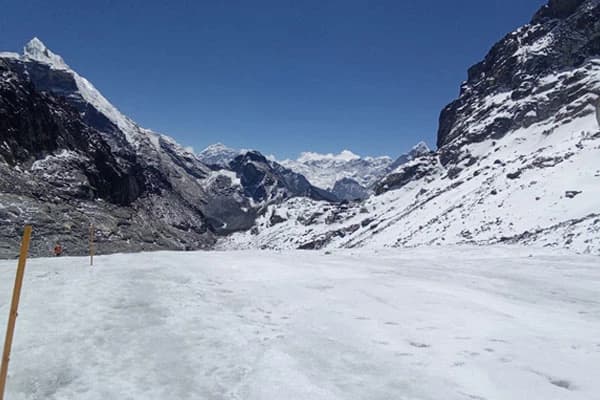
Larkya La is situated in the upper part of the circuit, so it faces less rainfall, but the main concern for navigation in the area is wind and visibility that gets affected a lot during the season. A lot of snowstorms can happen, and a lot of whiteouts also occur in the area, and temperatures drop below freezing very quickly.
Typical Daily Weather Patterns During June - August
The Typical Weather Patterns during June - August, at around early morning from sunrise to around 9 AM, are usually the clearest part of the day it has cooler temperatures and the best visibility of the mountain range in the day. The weather is pretty stable around this time window. During Late Mornings ( 9 AM - 12 PM), the clouds start building, humidity increases quickly in lower regions of the circuit, and then the temperature starts rising slowly, and the valley starts getting covered in fog.
During the afternoon, the circuit experiences peak monsoon activity, and heavy rains happen around the circuit, with thunder and low visibility. The trails start becoming more slippery, and there is a higher chance of landslides in lower regions. During the evening to night, the rain stops or reduces in comparison to the day, but the weather still stays cloudy; the air becomes damp, the visibility remains poor, and the nights get extremely cold during the season.
Challenges of Trekking Manaslu in Monsoon
There may be many challenges when trekking Manaslu during the monsoon, including numerous natural obstacles due to the season's unpredictability. A lot of trekkers who choose to trek the trail during monsoon are experienced trekkers, so good prior experience is recommended to trek the circuit. Challenges that are faced while trekking Manaslu in the season are that the trekkers have to delay their trekking plans for the day due to Landslides and flash floods, and also leeches are very prominent on the circuit during the season, and as it might end up raining a lot in the circuit during the season a lot of the very beautiful mountain range that is normally seen in the trek is not visible most days.
Landslides and Flash Floods
Due to the weather being very unpredictable in the circuit during the monsoon, trekkers enter the trek during the season with the acceptance that there might be delays that end up disrupting the original trek itinerary due to landslides and flash floods that end up blocking the trails for the trekkers trekking the circuit during the season. Flash floods and landslides might occur after a night or day of heavy rain, forcing trekkers to extend their stay in the teahouses and lodges. But it is worth noting that most of the trails do not completely close off, and they close off temporarily.
Leeches, Muddy Paths & Slippery Stone Stairs
As the season is extremely moist and there are a lot of forest areas in the circuit, there will be a lot of leeches in the area, which may end up leeching onto the trekkers when navigating through the dense forests in the lower regions. So, that is why proper gear is suggested to wear during the trek. Due to the weather being extremely wet as well, which will have a lot of rainy days, the path becomes extremely moist, and there will be a lot of muddy paths along the trek. It is also worth noting that the stone stairs placed along the way of the trek also become extremely slippery, so it is important to note that when walking along the stairs, the trekkers must be mindful of the way of the trek. A lot of leeches, Muddy Paths, and Slippery Stone Stiars are very common when trekking the circuit during the season, so most of these things are to be expected during the trek.
Cloud Cover & Limited Mountain Views
Due to the season having a lot of rainfall happening during most of the daytime and night, a lot of views of the Manaslu mountain range get covered due to the clouds covering it and fog covering up most of the environment, but some days open up to reveal the beautiful mountain range of the circuit. Even though most of the scenic views are covered, the season has its own beauty, as the views are very cinematic and beautiful. You can overlook most of the valley from the upper parts of the circuit, and they look very scenic and beautiful. Most of the trekkers trek the circuit to get that same view, the one with fog covering most of the environment.
Benefits of Trekking Manaslu During Monsoon
There are multiple benefits of trekking the Manaslu Circuit during the monsoon season; it offers a very different experience for the trekkers trekking the circuit during the season, and it really elevates the experience and memories which end up being made during and after the trek. The main benefit of trekking Manaslu during Monsoon is that there is a very small amount of crowd trekking the circuit during the season, unlike the more commercialised treks like Annapurna Circuit Trek and Everest Circuit Trek, which are crowded during most of the seasons. The Manaslu Circuit Trek offers a much more peaceful experience to people trekking the circuit, so if you want to experience a very peaceful trek with not a lot of people crowding the circuit, Manaslu Circuit Trek is the trek to experience during the monsoon.
Fewer Crowds & Lower Trekking Costs
As the Manaslu Circuit Trek is not as commercialised as the other treks, there is a lot of few crowds of people that trek the circuit, and also as monsoon is already a somewhat difficult season to trek any circuit in, people will generally not turn their heads toward the Manaslu Trek Circuit, so it is an extremely quiet and peaceful trek to experience. Not only that, but the trekking costs to trek the circuit are also generally very low in comparison to the other treks, aside from the permits and the prices for a stay at local teahouses and lodges, there are not a lot of places where you have to spend your money and the best part is that the stay and the prices at the tea houses are comparatively very cheap in comparison to some of the other circuits.
Lush Green Landscapes & Waterfall Views
Due to the circuit having a foggy atmosphere during most of the duration of the trek, the trekkers get to view a lot of the beautiful green landscapes of the forests, as the rainy and foggy atmosphere really amplifies that experience for the trekkers trekking the circuit. The lower regions have a lot of these forests that the trekkers can navigate through and experience the beauty of the lush green landscapes. There are also a lot of waterfall views along the trek that really elevate the experience of the monsoon. Combined with the foggy atmosphere during the season, it becomes an unforgettable experience for the trekkers that they can look back on and reminisce about during and after the trek ends.
Authentic Cultural Interactions Without Tourist Rush
When trekking most of the other circuits, there is a lot of tourist rush when trying to interact with the local culture, but as we mentioned, there are not a lot of people trekking the trail; the trekkers can really experience the local culture without feeling the rush of tourists crowding the area. The trekkers can truly experience the culture without having to rush anything. The local culture is truly one of the most distinctive aspects of the circuit trek, and when experienced without the tourist rush, it is a very peaceful and beautiful experience for people who have not had something similar before.
Safety Tips
As the weather is very unpredictable during the season, a lot of precautions are to be taken throughout the duration of the trek, such as the best practice to avoid landslides/flashfloods, carrying essential gear such as rain gear, waterproof bags, and trekking poles. Also being able to know when to turn back from the trails when the weather becomes too extreme to navigate through. Our suggestions for the trekkers are down below on what we think they should do to cover all of these during the trek.
Best Practices to Avoid Landslides & Flash Floods
The best way to avoid Landslides and Flash floods during the duration of the trek is by being aware and cautious of the weather around the circuit. Taking advice from your trek guide is also a good way of knowing your way around the circuit during the season, from the assigned guide that the trekkers will be trekking along with. There will be a lot of instances where the advice of the guide will come to be helpful during the trek. Also, taking a backlog of one day during the trek will not be a problem if the trails are unwalkable.
Essential Gear: Rain Gear, Waterproof Bags & Trekking Poles
To navigate the cold and wet circuit, the trekkers will have to carry essentials to stay warm and not get wet. Also carry waterproof bags to put their stuff in so that when trekking, it does not get wet along the way. Carrying warm clothes is essential, but carrying waterproof bags so they don't get wet is equally important. To navigate through the muddy grounds of the trail, the trekkers will have to carry Trekking Poles to support themselves throughout the walking, which can be uphill, straight trails, or downhill. So, carrying most of this stuff is basic to navigate through the trails for the trek.
When to Turn Back: Recognizing Danger Signs
Recognizing danger signs beforehand during the trek is essential for trekkers who are trekking through the circuit during the season. We suggest that trekkers should start turning back when the trails become extremely slippery, and they start getting covered in mud piles due to the rain; going back and retreating to the teahouses during those instances is very important. So, trekkers should turn back or stay back when the trail becomes extremely wet and unwalkable; being able to avoid the dangers before it happens is a very important factor when trekking the circuit. Also, ask your guide for advice for moments like these, as they are the people who best know the circuit.
What to Pack for Manaslu Trek in Monsoon?
The things you need to pack for the trek during the monsoon are the essential stuff you would have to carry around during every trek. So, here are some of the stuff we suggest you pack during your trek in the circuit: waterproof clothing and footwear essentials for good navigation around the trek, emergency and first aid kits for times you might have to end up using them during your trek, as the trails are very slippery around that time, and electronic protection and dry bags during the emergency time of use for it. It will turn out to be a very essential tool later on during the trek.
Waterproof Clothing & Footwear Essentials
As the weather is very foggy and it might rain a lot in the lower regions of the circuit, the trekkers need to carry jackets and gear that are essential for the type of weather they are trekking in, and the footwear must be the ones that help to navigate through the wet and muddy trails at ease. The grounds are very muddy and slippery during this time, so proper footwear is suggested for the trekkers. It is also to note that around the circuit, there are a lot of leeches during this time, so extra layering of clothing is suggested to avoid leeches from attaching themselves.
Emergency & First-Aid Kit for Rainy Season
Due to the season automatically being very rainy and foggy, it will have the trekkers facing problems along the trek. So, emergency and first aid kits are a must for trekkers who are planning on doing the trek so that they are prepared even if something might occur. Taking the enlisted precautions for the trek is very important as, if something not so serious happens, the trekkers can treat themselves at the lodges and teahouses they are staying in.
Electronics Protection: Dry Bags & Power Banks
Due to most of the lodges not offering power at all times, the trekkers need to carry backup power like power banks and store it inside dry bags so that they don't get wet when navigating and trekking through the wet forests of the lower regions of the circuit. It is very important to store power and electronic backups on treks like these.
Permit Requirements for Monsoon Manaslu Trek
There are not many permits that you require to trek the Manaslu Circuit; the permits you require are: MCAP (Manaslu Conservation Area Permit), ACAP & TIMS Card, Restricted Area Permit (RAP). The ways to obtain these permits are written below.
MCAP (Manaslu Conservation Area Permit) Costs
The Manaslu Conservation Area Permit (MCAP) costs around: NPR 3000 (around 25 - 30) for foreign nationals, NPR 1000 for SAARC nationals, NPR 100 for Nepali citizens.
ACAP and TIMS card costs
The ACAP card usually costs around NPR 3000 for foreign nationals and NPR 1000 for SAARC nationals, and for Nepali Citizens it usually does not cost, or even if it does, depending on the route it will be very low.
TIMS card usually costs around NPR 2000 for foreign solo trekkers, NPR 1000 for foreign group trekkers, and NPR 600 for SAARC solo trekkers, NPR 300 for SAARC group trekkers, and Nepali Citizens are usually exempted from these costs.
Restricted Area Permit (RAP) costs
RAP usually costs around USD 75 for the first 7 days + USD 10 per day after that.
Best Teahouses & Lodges Along the Monsoon Route
There are a lot of good teahouses for breaks during the daily trek and lodges to rest in after a long day of trekking, but these are the types of teahouses and lodges you rest in for a warming experience during the duration of your trek around the Manaslu Circuit.
Warm Dining Areas & Dry Sleeping Quarters
The lodges that offer warm dining areas for the trekkers after a long day of trekking in the wet and cold circuit are a must; most of the teahouses and lodges also have firewood to keep the trekkers warm. Also, dry sleeping quarters for a much-needed sleep after a long day of trekking through the wet trail are very important, so make sure to check if your lodges have these necessities.
Lodges with Good Drainage & Landslide Protection
Alongside choosing lodges with good comfort, trekkers should also choose the lodges that are safe and secure given the weather conditions around the monsoon. So, choosing lodges with good drainage for when it rains so that it doesn't fill up the cabin is a must, and choosing lodges with really good landslide protection is also a must.
Conclusion: Should You Trek Manaslu Circuit During Monsoon?
Yes, absolutely, if you are looking for a new kind of experience in treks, you should definitely choose to trek Manaslu during this season. Even though the views are not the usual clear sky and mountain range views, the views are a new kind of breathtaking experience for people who haven't done something similar to this before. The views are much more cinematic and movie-like, as fog and mist cover the entire circuit around this season for most of the time. But this trek is not recommended for beginners who are not used to weather conditions as extreme as those in the region around that time.
However, Manaslu Circuit Trek during monsoon, is one hundred percent doable, with proper preparations and training and comprehensive guidance with local experts. We at Destination Himalaya Treks and Expedition, has been guiding thousands of trekkers, to the himalayas since two decades, we carry best local expertise, and knowledge, where we ensure a hassle free excursion to the manaslu region. To know more, feel free to reach out to us, via whatsapp +977 9851016814 or mail at [email protected].
FAQs (Frequently Asked Questions)
Is Manaslu Trek Safe During Monsoon?
Yes, it is usually safe around the season, but a lot of landslides and flash floods are to be expected around that time in the circuit. So, some days might have delays during which the trekkers will have to stay back in their lodges and might have to delay their original trek plans for that specific day it something like that does happen.
Can I See Mountain Views During Rainy Season?
For most of the day, no, but the views of the mountains are visible during the early mornings if it does not end up raining that day. As you trek, you can see the views of the outlines of the mountain, but clear views for most of the trek are not visible.
What Happens If Landslides Block the Trail?
If the trail ends up getting blocked by landslides, it normally takes a day to clear out, but some trails get really affected, and some other routes need to be used then to continue on the trek. If the conditions become very extreme, it is suggested to stay inside the lodges for the day.
Should I Buy Travel Insurance for Monsoon Trekking?
Yes, travel insurance for monsoon trekking is very strongly recommended, as due to the uncertainty of the weather, anything might go wrong, so getting travel insurance for this trek is essential before trekking the circuit around this season.
Is It Better to Trek in Early or Late Monsoon?
Late Monsoon is recommended for the trek, as the rain starts decreasing gradually and the trails start to dry out from the wetter and more moist trails, and the trek becomes much more stable around this time.
Who Should Consider This Trek?
People who are used to trekking circuits in extreme weather should consider this trek, as well as trekkers who have experience trekking rough trails but have not trekked a circuit when it is at its extreme; they can select trekking this circuit for a new form of experience. All in all, this is a very scenic trek which the people trekking it will remember for a long time.
Who Should Wait for Spring or Autumn?
The people who want to experience the trek of Manaslu but do not want to trek it during the extreme weather of the Monsoon should definitely wait for spring and autumn when the weather is at its most stable point, and the trails are very suitable to navigate through.