everest base camp trek 2026
trek to everest base camp
everest base camp trekking
More Photos

Everest Base Camp Trek - 14 days

295 reviews in TripAdvisor
27 reviews in Google Reviews
Recommended by 99% of travelers
Duration14 Days
Trip GradeModerate
Maximum Altitude5545 meters
ActivitiesTrekking
Group Size1-30
StartsKathmandu
EndsKathmandu
Best TimeSep - Nov and March - May

Our 14-day journey to the base camp of Mount Everest is one of the most popular and adventurous treks in the Himalayas. On this trek, you will learn Sherpa culture by visiting historic monasteries and staying at lodges hosted by the locals. Every day, as the trail progresses, the breathtaking mountains and distinct landscape transform marvellously, giving a unique perspective into the Himalayas. 

Lasting two weeks, this Everest Base Camp Trek itinerary takes a gentle ascent that can be conquered smoothly by beginners with a basic fitness level. With our finely customised package, without any hidden costs and offering the best additional benefits, we are fully determined to make your trek to Everest Base Camp in 2027- 2028 an unforgettable, hassle-free adventure.

Everest Base Camp Trek Overview

The Everest Base Camp Trekking is a classic Himalayan journey through the Sagarmatha National Park and the Sherpa homeland of the Khumbu region. Over 14 days, you will pass through forested trails, Sherpa villages, ancient monasteries, suspension bridges, and colorful prayer-flag-lined paths while gradually gaining altitude toward Everest Base Camp (EBC). 

The journey offers gratifying insights into the Himalayan peaks: Mt. Everest, Lhotse, Nuptse, Ama Dablam, Cho Oyu, Makalu, and Thamserku, as the trail proceeds further. The route traverses some major Khumbu region viewpoints, rewarding you with a closer encounter with the fascinating alpine terrain and glaciers. Whereas reaching the highest point of the trip, Kala Patthar at 5545 m, requires an early morning uphill walk, the heavenly sunrise makes it worth it the trek, even more memorable and wild.

Although the Mount Everest Trek is demanding, its gradual ascent and two dedicated acclimatization days in Namche Bazaar and Dingboche make it achievable for fit beginners with preparation. Covering around 132 km, the trek combines Himalayan scenery, Sherpa culture, and a genuine sense of achievement—making it one of Nepal’s most iconic trekking adventures.

Willing to venture out for this voyage in the years 2027 and 2028, well! Do not settle back, as we are here to guide you in every stride you undertake, with a top-notch, experienced team and guides. Hopefully, you chase your dream journey this year and dust off your hiking boots, creating new memories to cherish forever, in the land of the Himalayas — Nepal.

EBC Trek Highlights

  • Leave your footprint at the base camp of the world’s highest peak, Mt. Everest (8848.86 m)
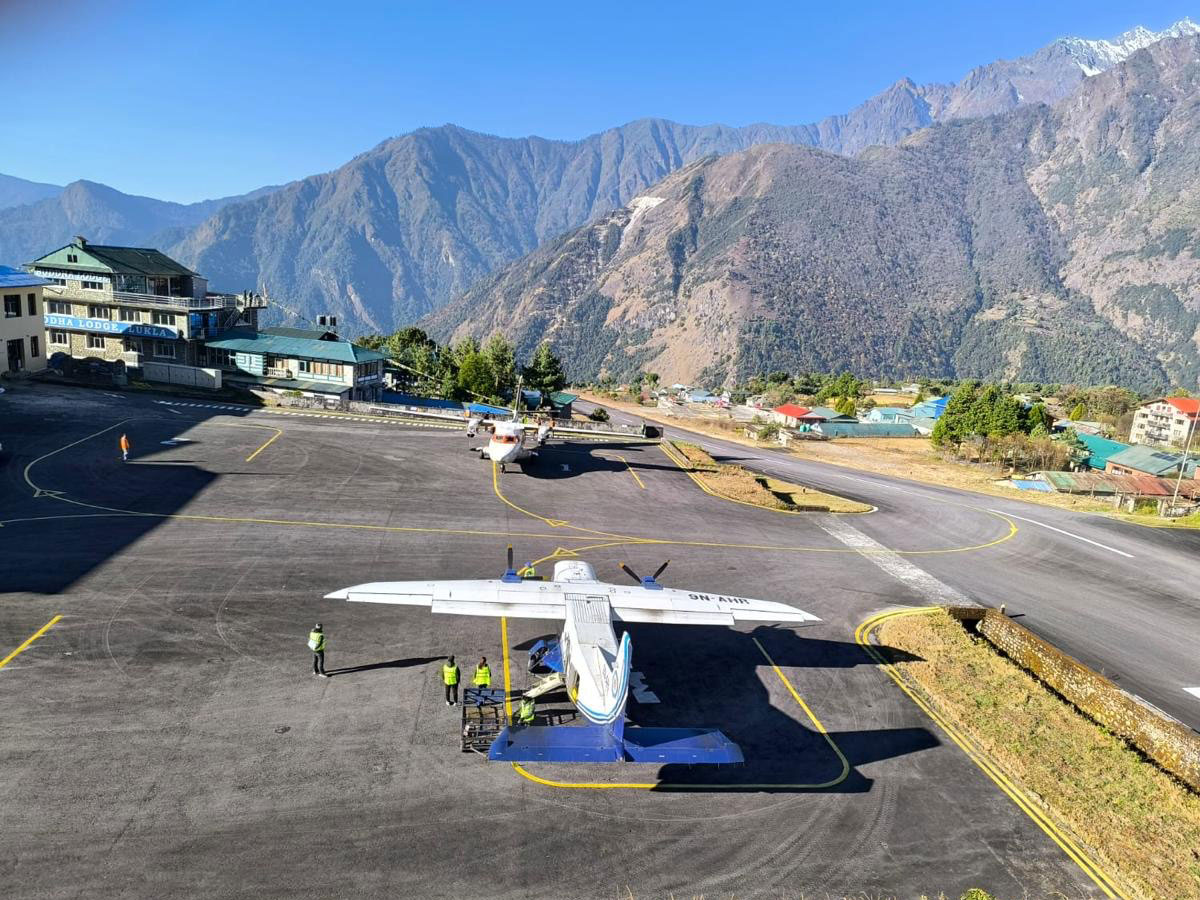
  • An eye-captivating flight to Lukla in the great Himalayas 
  • Mirthful walk in the Sherpa villages amid the Himalayas
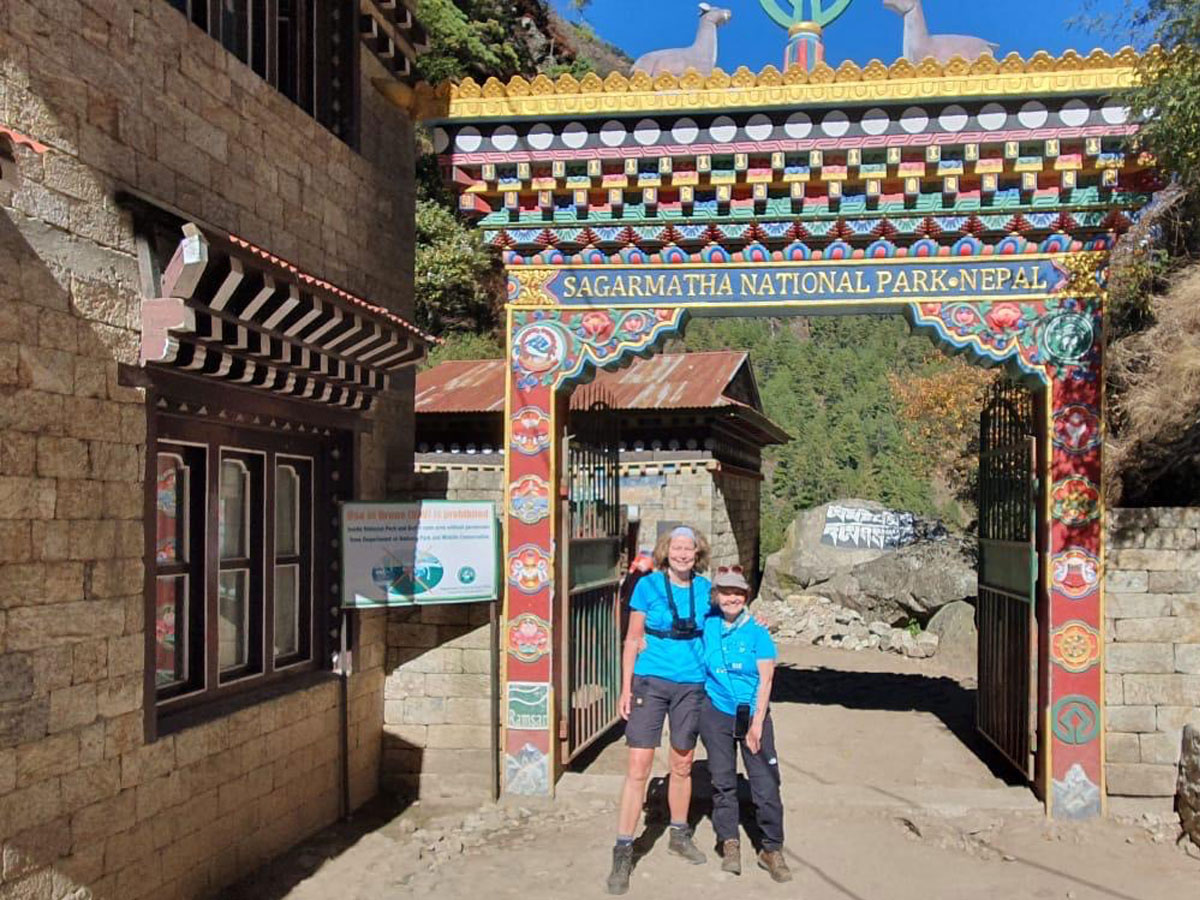
  • Experience the unspoiled wilderness of Sagarmatha National Park
  • An excursion day at the iconic Namche Bazaar— the biggest market of this iconic region
  • Visit the Sherpa Museum and see its unique culture, history, and tradition
  • Hike to Kalapatthar (5555 meters), capturing the views and insights of the Khumbu Glacier and the Khumbu Icefall
  • Stand in the shadow of panoramic views of Mount Everest and several other surrounding peaks
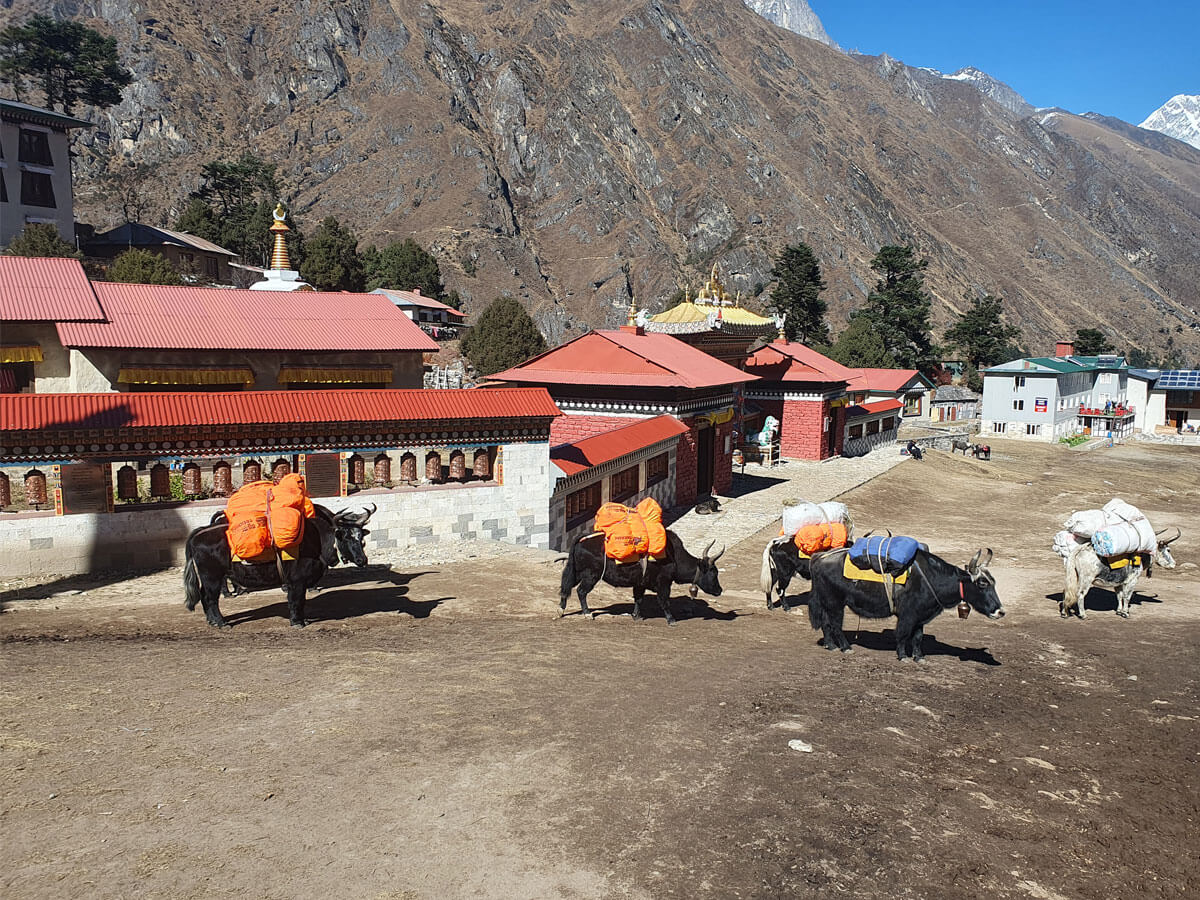
  • Immerse yourself in the oldest Tengboche monastery and relish the warm hospitality of the Sherpas
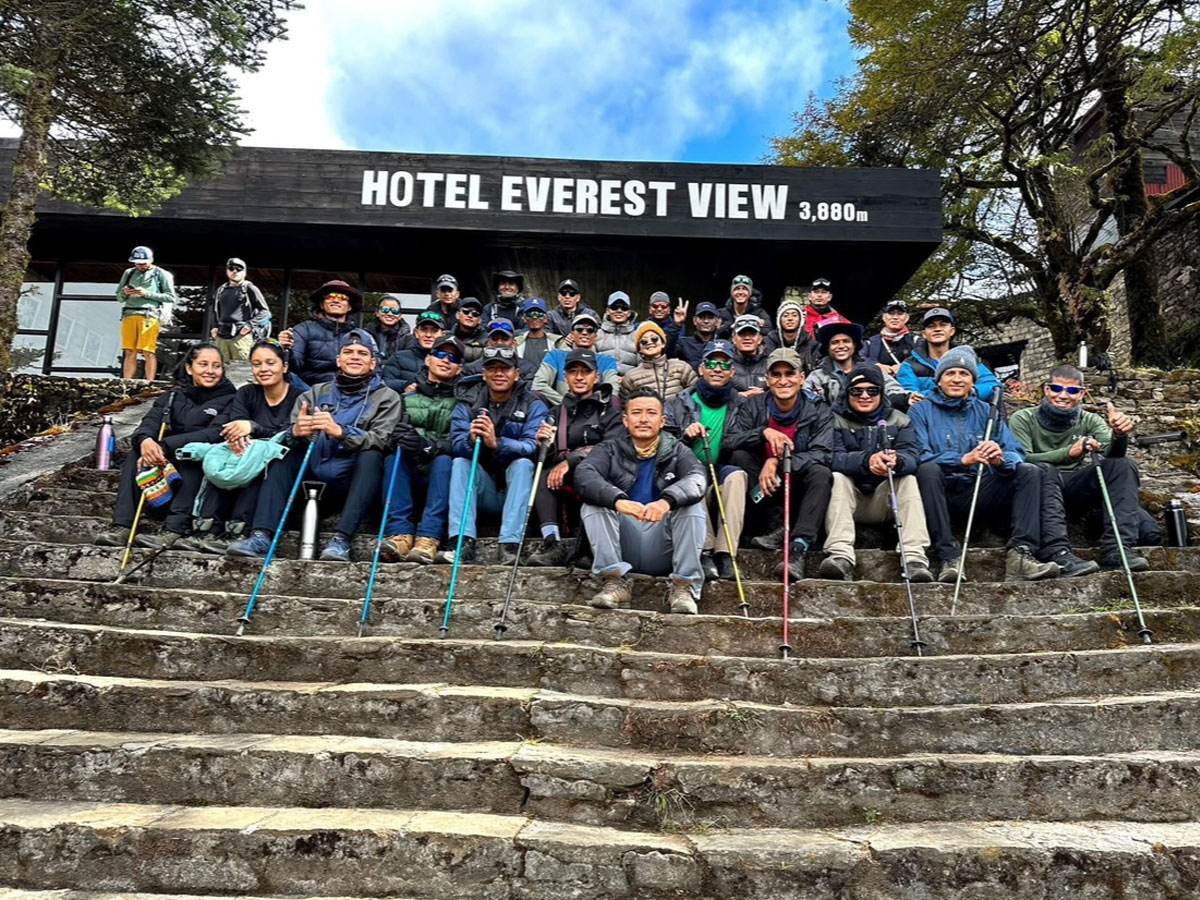
  • Hike to the world’s highest-situated 5-star hotel, Hotel Everest View, and get a unique insight into the Khumbu region 
  • Visit the Sherpa Museum and see its unique culture, history, and tradition
  • Relish yourself with the captivating diamonds like sparkling peaks of Lhotse, Nuptse, Ama Dablam, Tharmsekhu, Pumori, Makalu, Mt. Everest, and many others

Everest Base Camp 14 Days Trekking Route

This Everest Base Camp Trek route explores the lap of Everest and the almighty Kala Patthar at 5,564 meters, unveiling unhindered views of the world’s highest peak and several other summit peaks exceeding the height of 8,000 meters, such as Cho Oyu, Lhotse, and Makalu.

Right from the start of this 14-day EBC hike, our thrilling adventure begins as we catch the 30- to 35-minute heart-pounding flight to Lukla, Khumbu region, starting the 1st walking trail towards Phakding village. It continues to Namche Bazaar the very next day, the gateway to the Everest region, via Sagarmatha National Park, along the soothing sounds of the Dudh Koshi River.

Upon arriving at Namche Bazaar, you might feel a sort of discomfort due to the significant altitude change. So, this day is set for acclimatisation. However, it doesn’t mean resting all day; we’ll hike to the world’s highest-situated 5-star hotel, “Everest View Hotel”, and stroll around this village, exploring the Sherpa museum. It is the biggest marketplace in the Khumbu region. Make the best of this excursion day! 

Continuing the journey, we hike to another gem of the Everest region, Tengboche Monastery, nestled amid the Himalayas, from where the surreal mountains of Lhotse, Nuptse, and Ama Dablam are aligned to welcome us with their captivating beauty, and the amusing part is that these alluring peaks befriend us all along while making our way to Dingboche and Lobuche on the following two days. 

We'll make our way to Gorak Shep along the Khumbu Glacier and finally reach Everest Base Camp. Immerse yourself in this iconic spot (EBC) that inspires and motivates every climber and adventurer, all eager to make their way to the world’s highest peak. Well! But that's not the end yet, as tomorrow, this trek takes a final ascent to Kala Patthar — the highest elevation of this journey. 

After being mesmerised by the captivating and breathtaking views of the highlands with several other glaciers and surrounding iconic peaks, this trek to Everest Base Camp concludes by retracing the steps through Pangboche, Namche, and finally, with a Lukla flight to Kathmandu.

Why is the 14-day Everest Base Camp Trek in 2027 and 2028 special?

This trip is the only adventure that showcases the legendary Himalayan peaks located in the Khumbu region from distinct viewpoints, and explores the main city hubs, immersing you in the rich Buddhist spirituality of Tibetan-influenced monasteries, whitewashed mani walls, and red shrines, with surrounding mountains. Here is a quick recap of the major attractions during the EBC Trek that you will experience throughout the journey.

Step Onto the Legendary Path to Everest Base Camp

Ever thought about how the legends Sir Edmund Hillary and Tenzing Norgay must have felt while trekking on this journey before summiting the almighty Mt. Everest? Well, you’ll find out when embarking on this adventurous trail. Besides reaching Everest Base Camp, this trek has so much to offer you. During our 14-day Everest Base Camp Trek, we’ll make the most of it and cover every highlighted corner of this region.

Starting this trek with the nail-biting adventure of the Lukla flight, the first fascinating encounter begins as we reach Namche Bazaar after leaving Phakding village, where we can see iconic summiteers in the market buying gear, souvenirs, and supplies with their mates and Sherpas. Just a glance at it truly shows us what the legends experienced during their time. In the following days, we relish different villages dotted with alpine valleys and landscapes where meeting different summiteers, climbers, hikers, and, not to forget, locals transports us somewhere out of modernisation.

Reaching the launchpad, Mount Everest Base Camp (5364 m), makes us feel like we have accomplished the world, standing at the foot of none other than the world’s highest peak. Not to forget! The other glorious glaciers and legendary mountains, such as Ama Dablam, Lhotse, Cho Oyu, and Nuptse, surround us. Push your limits and climb the Kala Patthar (5545 meters) to dare yourself and scream your heart out by stepping on the footprints of great legendary summiters. This trek is just not a journey; it promises to bring a new legacy to your life.

Discover Sherpa Life and Ascend to Kala Patthar

Sometimes, treks are not only meant for gazing at mountains, stars, and landscapes, but also for connecting with new cultures and locals. Before reaching our ultimate destination — Kala Patthar (5545 meters), this trek to Everest Base Camp passes through several settlements such as Phakding, Tengboche, and Dingboche, visiting many monasteries and red shrines, with many other historical sites, giving a glimpse of something mysterious and unique at the same time.

Sherpas are the locals who are highly influenced by Tibetan Buddhist culture and also famous for their bravery and records of ascending mountains, providing a helping hand as a shadow and guide to summiters and hikers to mark heights. While traversing and settling in many heartwarming Sherpa villages along the Everest Base Camp Trek route, it unveils a new insight and connects you deeply with the Sherpa livelihood, culture, and traditions. 

Do not miss out on engaging in conversation and laughing at jokes with Sherpa locals, as they have historic myths to share with you. Also, at every stopping point, you will get ample amount of time to visit the nearby highlighted gompa, learn about cultures in depth, and if your luck fits, then you might get an opportunity to witness their festivals and celebrations. Whereas, at the pinnacle of this Everest Base Camp Hike - Kala Patthar viewpoint, the panorama of Mount Everest with other glaciers and surrounding mountains makes your trip worth the wait.

Enjoy Heavenly Panoramas of Mountains and Landscapes

Twinkling Glaciers, revealing their beauty from the marvellous transition of rugged terrains and blooming, colourful rhododendrons to the spectacular views of mountains unfolding each day, define the Everest Base Camp Trekking Tour spectacularly.

Right from the very beginning, the Tharmseku (6627 m), Ama Dablam (6817 m), accompanied by the glimpse of Lhotshe (8618 m), and Nuptse (7819 m), in every stride. Slowly, the view of Mount Everest (8848.86 meters) starts to open up soon after reaching Namche Bazaar, at 3450 meters. By far, reaching the almighty Kalapatthar, the trip bypasses climatic zones through dense woodlands, Sherpa villages, agricultural farms, lovely waterfalls, and many more, which is itself a reward before even reaching the pinnacle.

Sustainable Trekking: Environmental and Social Responsibility

As the Everest Base Camp (EBC) Trek is the dream destination, it brings every trekker's aspirations to reality. Meanwhile, with this influx come harsh challenges to the home of pristine wildlife and the locals residing here. Preserving nature is always our topmost priority and main concern. Destination Himalaya Treks and Expedition commits to sustainable tourism practices, as we know that “ Our small initiative can bring a positive impact, change people's lives, and save the paradise of mountains”.

Collaborating with local communities: Our team believes in giving back to society and locals, as we know that our tiny support turns out to be a great help to them. Destination Himalaya Treks has a family of porters and guides from every possible region and accommodates you in the tea houses/lodges operated by local people, not to forget! This small endeavour may sound basic, but it turns out to be a great help that benefits the locals by increasing tourism, and the region’s idyllic charm is preserved for future generations of trekkers/climbers hiking Mount Everest.

Can a beginner do the 14 Days Everest Base Camp Trekking?

Even though the EBC falls under a high-elevation trek, it can be easily done by any hikers, from beginners to experienced ones, families with kids, senior citizens, and even solo travellers. Our 14-day Everest Base Camp package is customised by professional expert teams, ensuring that the itinerary takes a gradual ascent, with a slow pace, to avoid high-altitude mountain sickness; at the same time, it covers every highlighted iconic corner and viewpoint without missing anything.

Our itinerary includes two acclimatisation days, one at Namche (3440 m) and another at Dingboche (4220 m), which is set to ensure that your body gets used to the rising elevation without ascending higher. This trip doesn't include any technical sections or any dangerous terrain; hence, the trek is safe and easy, while trekking with our licensed guide, who is medically equipped, assisting you in navigating safely and also becoming your first-hand medical assistance if any emergencies occur.

No matter what age you are or what kind of experience you carry, this finely tailored Everest Base Camp Trek package is designed to match every kind of hiker, of any age and background, with the best cost and itinerary. We at Destination Himalaya Treks and Expedition always look forward to making your Himalayan adventure a complete hassle-free journey with highly experienced teams. 

Lukla Flight From Kathmandu: Latest Update

The flight to Lukla is the usual starting point for the Everest Base Camp Trek, taking around 30-35 minutes from Kathmandu. However, during the busy spring and autumn trekking seasons, flights may be rerouted through Ramechhap/Manthali Airport to reduce congestion at Tribhuvan International Airport and maintain safer flight operations.

If the diversion applies, you will first travel by road from Kathmandu to Ramechhap/Manthali, then take a short flight to Lukla. Because Lukla flights operate under visual flight rules and depend heavily on clear weather, delays or cancellations can occur, especially during peak season.

We recommend arriving in Nepal 2–3 days before your trek start date. This buffer gives you time to manage any flight rescheduling, weather delays, or late international arrivals without disrupting your Everest Base Camp itinerary.

What to do if your Lukla Flight is delayed?

Lukla flights can be delayed for several days due to changing mountain weather, air traffic, or operational conditions. To protect your international return flight, keep 2–3 extra days in your Nepal itinerary whenever possible.

If you have a tight schedule and need to reach Lukla or return to Kathmandu quickly, a shared helicopter can be arranged as a backup option. It is significantly more expensive than a scheduled flight; our Lukla guide lists an approximate shared-helicopter cost of USD 550.

For travelers who prefer to avoid flight uncertainty altogether, our Everest Base Camp Trek by Road is a strong alternative. This 17-day itinerary begins with a jeep drive from Kathmandu to Salleri, passes through the Lower Solu region, and joins the regular EBC trail at Phakding—without taking the Lukla flight.

Updated Baggage Allowance for Lukla Flights

Lukla flights have a strict baggage limit because they use small STOL aircraft. The total allowance is 15 kg per passenger: 10 kg of checked baggage and 5 kg of hand carry. If your luggage exceeds the limit, the airline may charge an additional fee of approximately USD 2–3 per extra kilogram. We recommend packing only essential trekking gear and keeping valuable or fragile items in your hand carry.

How Destination Himalaya Treks Helps Manage Your Luggage

To make your Lukla flight and trek easier, Destination Himalaya Treks provides a large duffel bag for your main trekking gear, which is carried by your porter during the trek. This helps you keep your hand carry light and stay within the airline’s baggage allowance.

Before departure, you can use our weighing scale to check your luggage and leave non-essential items behind. You can also safely store extra luggage at our office in Kathmandu before and after the trek.

A strong porter is included in the package to carry your main duffel bag throughout the journey, allowing you to trek with a lighter daypack and enjoy the trail more comfortably.

Everest Base Camp (EBC) Trek for 2027 and 2028

Our 14-day Everest Base Camp Trek package cost starts from USD 1199 and goes up to USD 1499, depending on group size, which covers all your permit fees, transportation facilities, food, accommodation, guide, and porter expenses, including food, insurance, and so on. So, you can make your hiking Mount Everest a reality without any hassle. This EBC Trek cost covers all your expenses throughout the trek. Please check our includes /excludes section for more details.

Please note that this Everest Base Camp Trekking Package cost depends on the number of pax in the group, and most importantly, the EBC prices and itinerary can be altered as per your preference. If you want to add any other extra facilities to this trip, you can go to our add-ons section and check them out.

Here is the detailed breakdown below that shows the cost for 2027 and 2028 for the group size:

No. of Pax Standard Price
1 USD 1499
2-5 USD 1349
6-9 USD 1299
10-15 USD 1199

If you have more than 11 people in your group or need any further details regarding this trip, please kindly email or WhatsApp us. We offer/a discounted price along with a complimentary gift for this trip to enhance your overall experience.

5% off for the Early Birds Hikers: Special Offer for 2027 and 2028 Early Comers

Leaving 2026 behind, we are just a few months away from welcoming the year 2027, a new beginning, a new mindset, a new you, and fresh beginnings. Nothing is more achievable than achieving the new pinnacle with a positive, enthusiastic mind to mark the start of the year, which is why we offer the best offer of a 5% discount for those willing to visit the Kala Patthar and explore the almighty Khumbu region. While this mind sounds a very small initiative, we highly believe in trying to make other nature wanderers, people like us, turn dreams into reality with small offers and efforts; hence, grab this early bird deal and make your way to the almighty foothill of the world's tallest gigantic peak.

Note: This Everest Base Camp Trek 14 days includes the arrival day from your home country; however, if you have already arrived here in Nepal - Kathmandu, then the pricing will be way cheaper, excluding the accommodations in Kathmandu. To know in depth; you can check our recently updated blog focused for 2027/28 costing espcifically: EBC Trek cost.

Why Book Your Everest Journey With Destination Himalaya Treks and Expedition?

Destination Himalaya Treks and Expedition (DHT) has been helping trekkers from around the world explore Nepal for more than 15 years. Our experienced local team designs well-planned itineraries, arranges permits and logistics, and supports you with licensed guides trained in high-altitude trekking, first aid, and mountain safety. 

This  14-day Everest Base Camp (EBC) Trek is designed with a gradual ascent and two acclimatization days in Namche Bazaar and Dingboche. These rest and exploration days help your body adjust to the increasing altitude while giving you time to enjoy side hikes, Sherpa villages, monasteries, and panoramic Himalayan viewpoints.

Your safety remains our priority throughout the journey. Our guides monitor trekking conditions and altitude-related symptoms, carry a basic first-aid kit and oximeter, and can help coordinate emergency evacuation support if required; evacuation costs are covered by your travel insurance.

We also make the experience flexible. You can customize the itinerary according to your available time, budget, fitness level, and preferred route. If you want a more challenging adventure, consider our Everest Three Passes Trek or Everest Base Camp Trek via Gokyo Lake; for a more comfortable experience, explore our Everest Base Camp Luxury Trek.

Benefits of Booking with us

  • Complimentary airport pickup and drop-off in Kathmandu
  • Detailed online briefing before booking and an in-person briefing after arrival
  • 24/7 support during the trek through WhatsApp, email, or phone
  • Free duffel bag, Destination Himalaya Treks T-shirt, and cap
  • Sleeping bag available on request at no rental charge
  • Basic first-aid kit, oximeter, and water-purification tablets
  • Free luggage storage at the DHT office in Kathmandu
  • Complimentary Kathmandu sightseeing tour of major heritage sites
  • Free stay for 2–3 nights at Hotel Bihani in Thamel when extending your stay, subject to availability
  • Customizable itineraries based on your budget, schedule, and travel preferences
  • Private trip options for two or more travelers and special benefits for families of four or more

Ready to experience the Everest Base Camp Trek in 2027 or 2028? Book your 14-day Everest Base Camp Trek with Destination Himalaya Treks and Expedition, and let our experienced local team help you turn your Himalayan dream into a safe, memorable, and truly unforgettable journey.
Note

Special group discount for group trekkers. 

Everest Base Camp
Itinerary

With the help of our pro expert team you can customize this Everest Base Camp Trek itinerary with your budget, timeframe and preferance within just some minutes.  Also, please remember if you are already in Nepal  and staying at a hotel on your own  then the cost will be much cheaper than this. Please reach out to our team for more info.

Trip PlanExpand all

welcoming clients at kathmandu airport

Our DHT airport representative will be there at the airport to welcome you holding a cardboard of our company name. So, you won’t have any hassle in finding him. We’ll finish everything today regarding the permits. Our company representative and guide will brief you on everything regarding the trek and check all the necessary trekking gear if anything is missed. Don’t Panic! You can buy missed gears in the Thamel at a reasonable cost. Also, we’ll provide you with a duffle bag, sleeping bag (if required), company T-shirt and cap. Rest properly and have a sound sleep as our journey starts tomorrow. 

Max Altitude: 1310 meters Meals: BreakfastAccommodation: Hotel Lo Mustang (3 star)

tenzing hillary lukla airport

The morning begins with a 35-minute nail-biting flight to Lukla. Wave hello to your hardworking porter at the Lukla airport who’ll carry your trekking loads for the trip. Make your gear ready as we start our first hike to the village of Phakding. Making our trace to this village along the Dudh Koshi River on the side, we pass through the dense forest with a glimpse of the majestic peak of Kusum Kanguru and many others. After 3-4 hours of hike, we reach the village of Phakding.

Please, kindly visit our " Useful Info" section to know more about the Lukla flight details. 

Max Altitude: 2660 meters Meals: Breakfast, Lunch and DinnerAccommodation: Tea house

phakding to namche bazaar

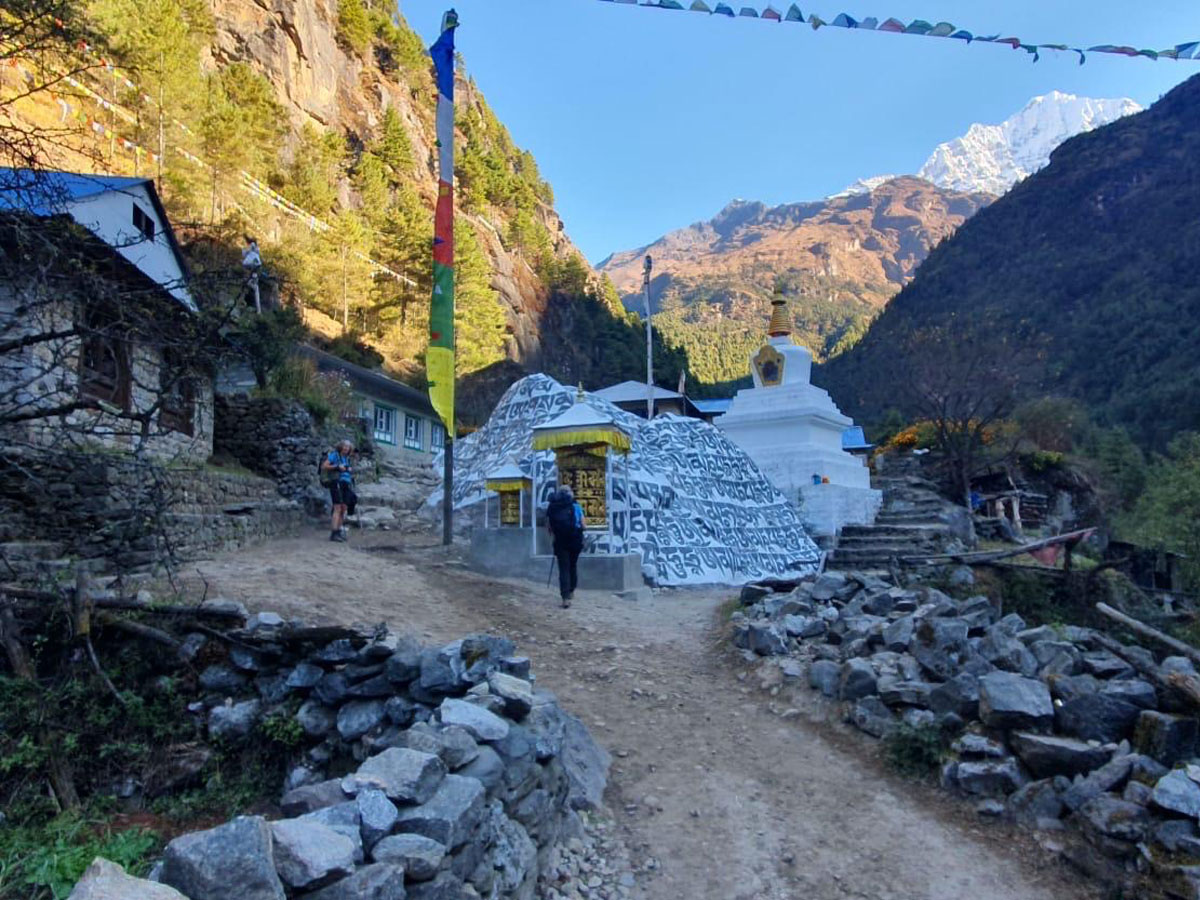
Today, we make our way to the Namche Bazaar. The hike today is quite challenging and longer than the previous one. So, make sure to have a fulfilling breakfast. After a short meantime, we’ll reach the Sagarmatha National Park. The exhilarating views of Himalayan peaks accompany us just behind the mani walls, chortens, multiple colorful prayer flags, and not to forget the small monasteries. After a steep climb, we reach our destination for the day, Namche Bazaar. 

Max Altitude: 3440 meters Meals: Breakfast, Lunch and DinnerAccommodation: Tea house

trek to everest view hotel

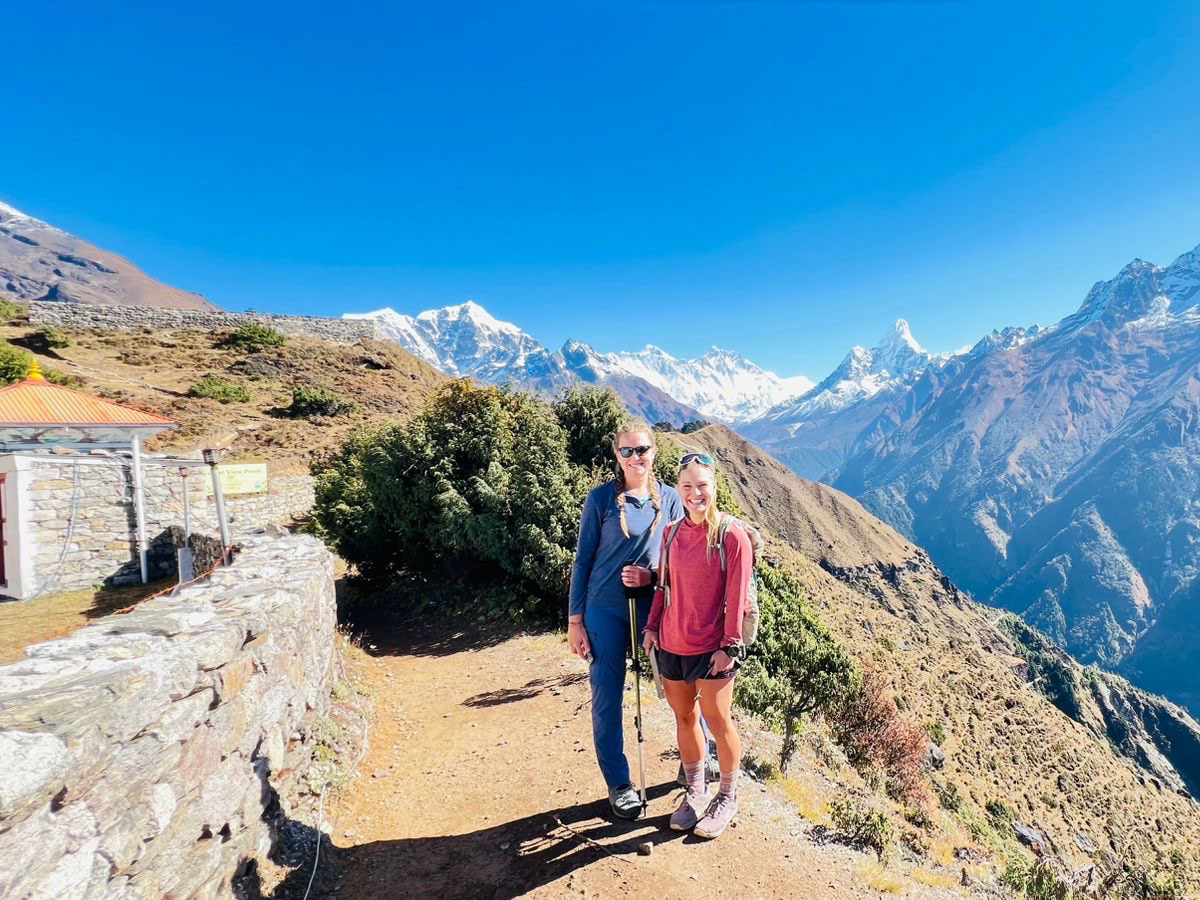
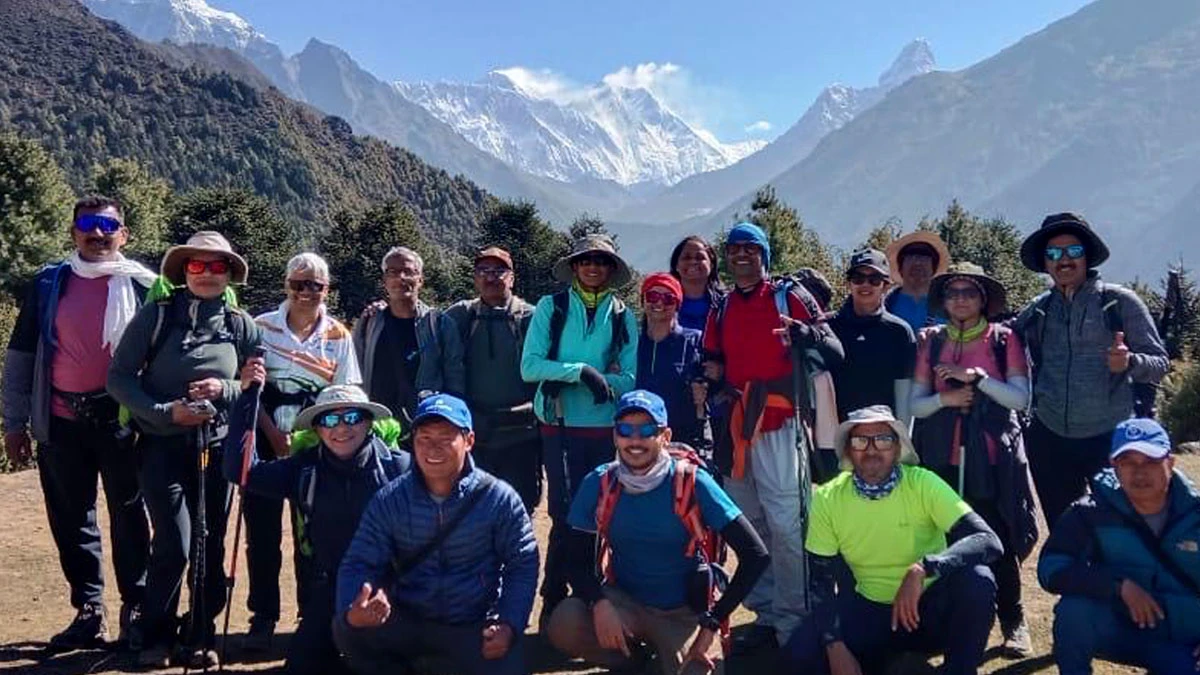
Today is our first acclimatization Day but that doesn’t mean sitting and resting at our tea house all day. This day excites us, as we’ll hike up to the world’s 5-star highest-situated hotel “Everest View Hotel”, from where we can see several, including the glorious peaks of Cholatse, Tabuche, and Everest itself rising high in the clear skies. 

On top of this hotel, you can see many hikers/ submitters clicking pictures in the backdrop of the mountains. Drink some hot coffee and relish the feeling of the fresh air coming out of the mountains. Well, this is not the end of our excursion Day!  

After this mesmerizing moment, we descend back to Namche Bazaar and explore more of this valley. Here, don’t miss out on strolling out to local shops and buying souvenirs such as keyrings, statues, and pashmina for your loved ones. Also, you can see Swiss-style bakeries. Try their apple pies and croissants straight out of the oven. If your time fits, visiting the Sherpa Museum will be worth it, giving it a shot. Today is your day to make the best out of this major market located in the Himalayas. 

Max Altitude: 3880 meters Meals: Breakfast, Lunch and DinnerAccommodation: Tea house

hike to tengboche monastery

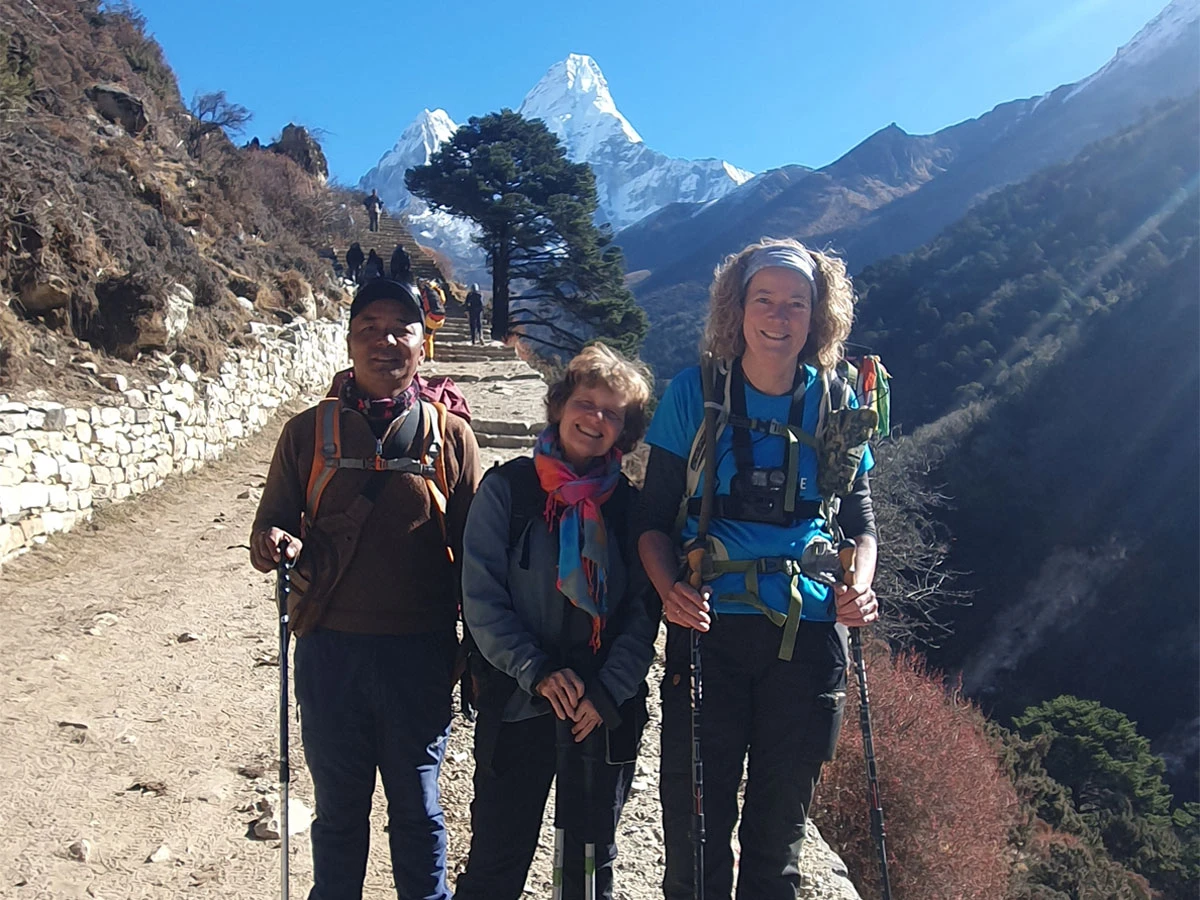
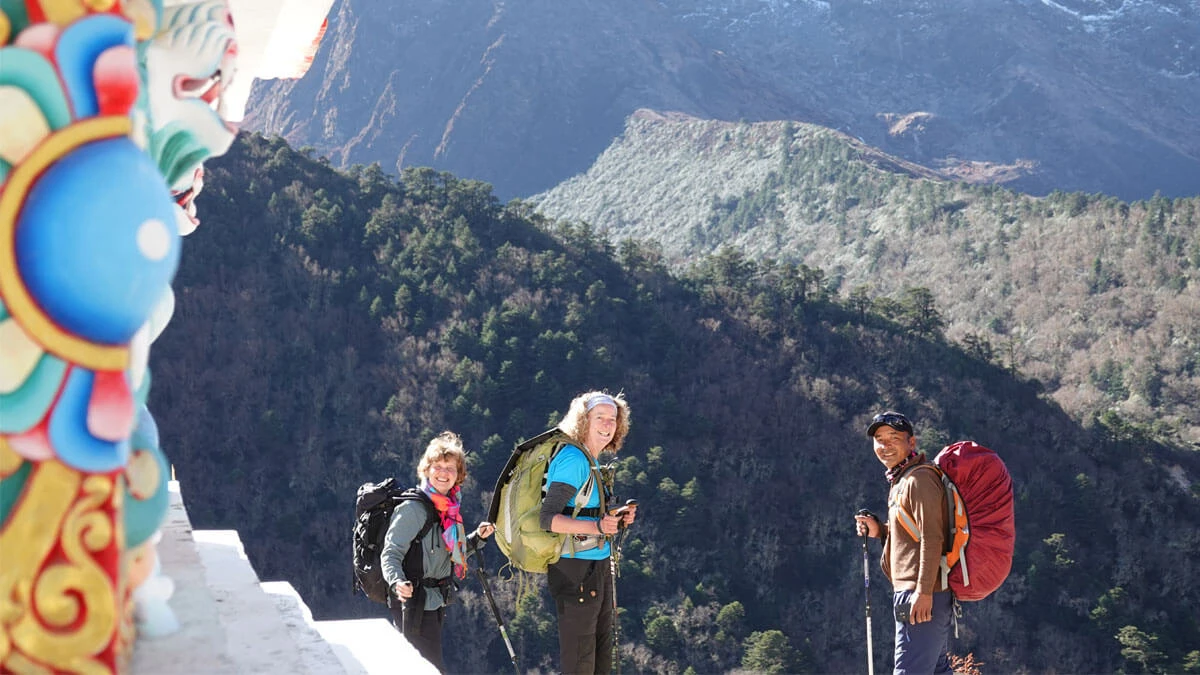
Today, we walk through the rocky/stone trails toward Tengboche, accompanied by the Dudh Koshi River and  Pungi Thenga waterfall. The trails are quite easy with some ascents and descents, with spectacular views of mountains such as Lhotse, Nuptse, and Ama Dablam that make our trails easier to navigate by its captivating vista. 

Making our way through the juniper and rhododendron forest with small monasteries, we reach our destination tea house of Tengboche. After resting at the guest house, we’ll pay our visit to the ancient Buddhist monastery “Tengboche Monastery” globally renowned for its famous mythical stories of Yeti (the snowman) whatever you call it. Upon reaching here, we can see monks' soothing chants and also see great insights into how they live their life amid in the mountain areas of Everest. 

Max Altitude: 3885 meters Meals: Breakfast, Lunch and DinnerAccommodation: Tea house

route to dingboche

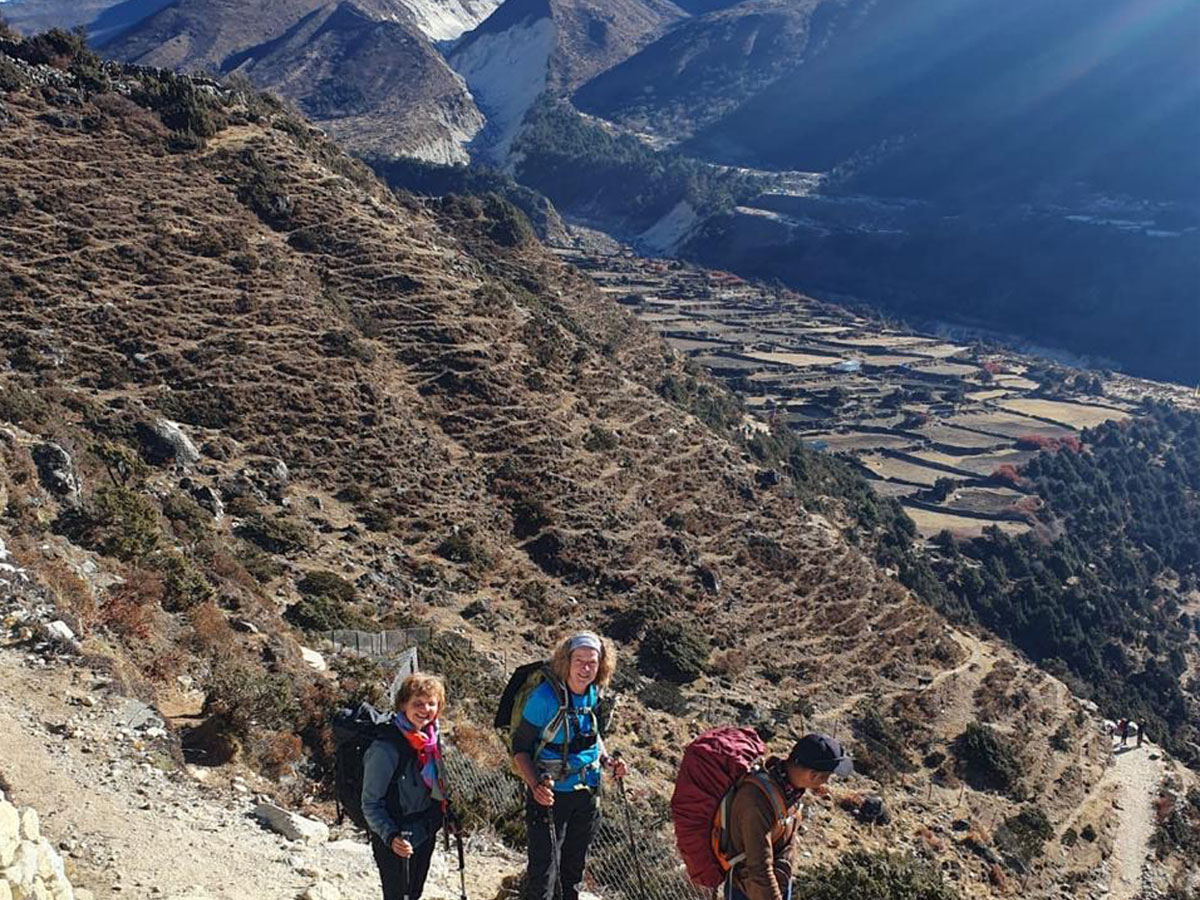
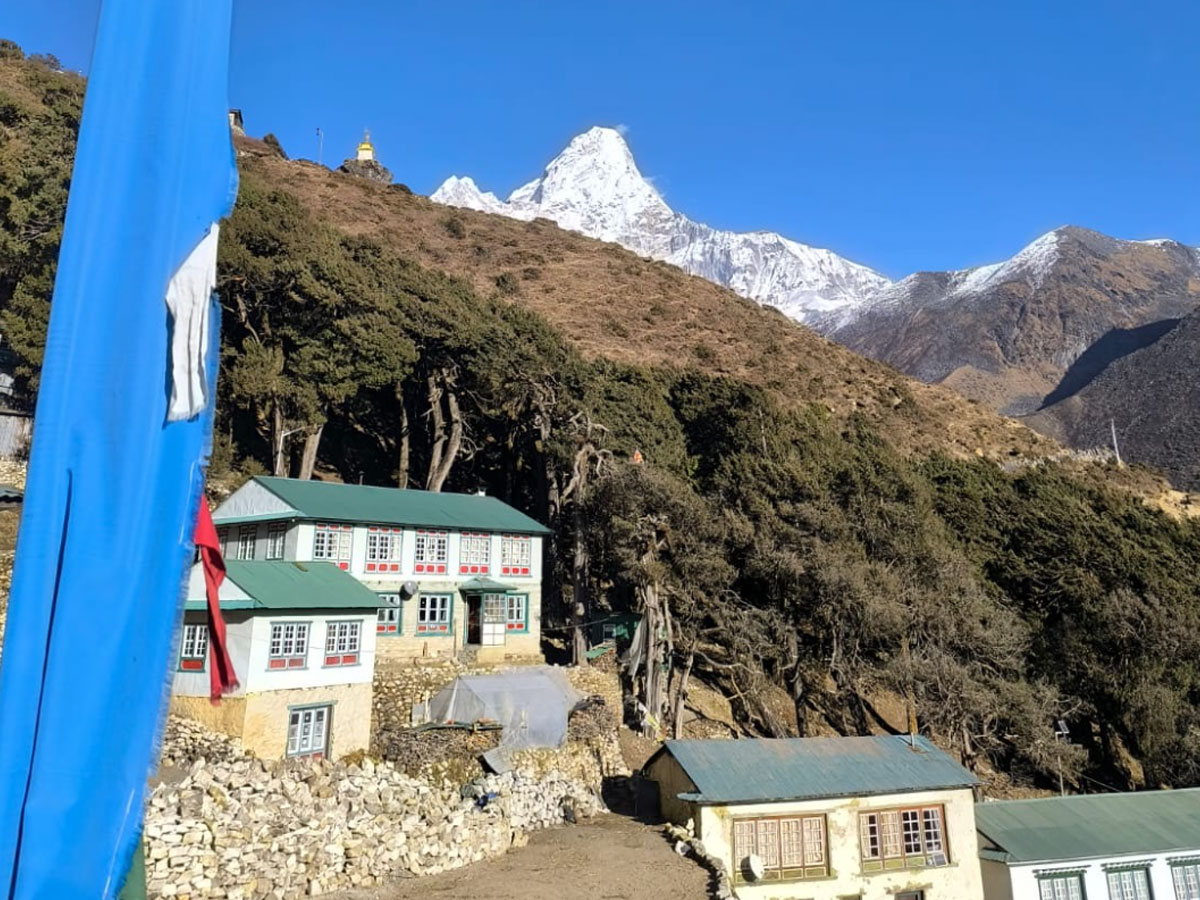
Leaving this holy spiritual Buddhist place, we make our way to the Dingboche and Pangboche. The two biggest villages in the Khumbu region pass through the alpine forest and the huge suspension bridge of Imja Khola we’ll reach the Pangboche village. We’ll stop here for a while and have our lunch enjoying the breathtaking views of Ama Dablam. Navigating through the Somare that divides another village of Pheriche. After making a steep ascent, we’ll reach the Dingboche village where we will be staying tonight. 

Max Altitude: 4220 meters Meals: Breakfast, Lunch and DinnerAccommodation: Tea house

nangkartshang peak

Today is our second Acclimatization Day at Dingboche. Today, a rewarding view awaits us as we hike up to the Nangkartshang Peak. Tomorrow, our altitude gain increases by 750 meters, and more on the following days. So this acclimatization is necessary to gradually adapt to the significant altitude change. Reaching Nangkartshang Peak, the heavenly mountains of Tabuche, Makalu, Tharmseku, Cholatse, and many other peaks surround us closely. After befriending these glorious peaks, we’ll descend back to Dingboche village and stroll around, enjoying this excursion day. 

Max Altitude: 5100 meters Meals: Breakfast, Lunch DinnerAccommodation: Tea house

dingboche village

Leaving this huge village in the Khumbu region, Dengboche. We set off on our journey to the Lobuche after having breakfast. We’ll start gradually ascending along the captivating views of Mt. Tawache, Ama Dablam, and Nuptse. Upon, reaching the Thukla pass- 4900 m via Pheriche valley, we can see the stone engraved with the memories of great summiteers with the surroundings of prayer flags who once dreamt of conquering Mt. Everest. Take a minute here and pay your deep condolences to their bravery. After a short hike from here, we’ll reach Lobuche and stay a night here. 

Max Altitude: 4970 meters Meals: Breakfast, Lunch and DinnerAccommodation: Tea house

ebceverest gorakshep

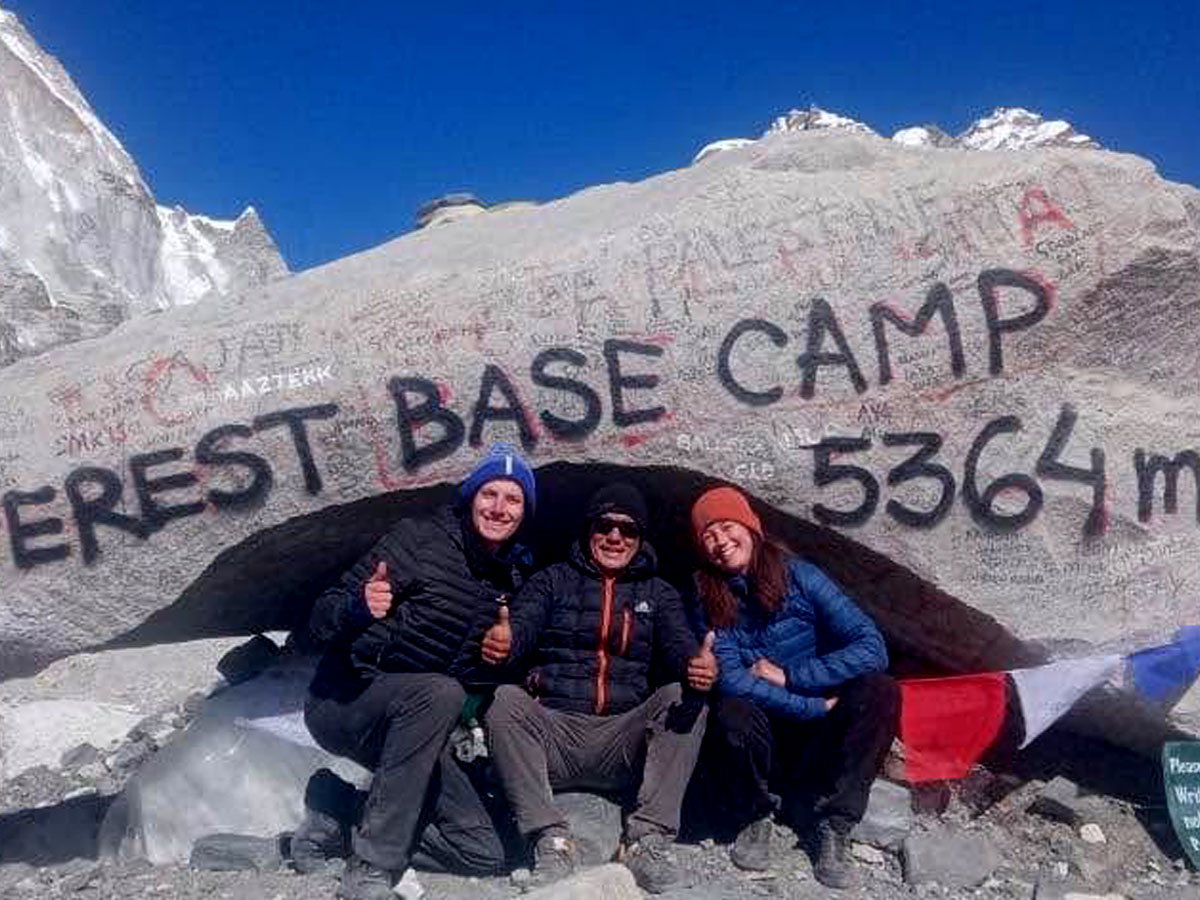
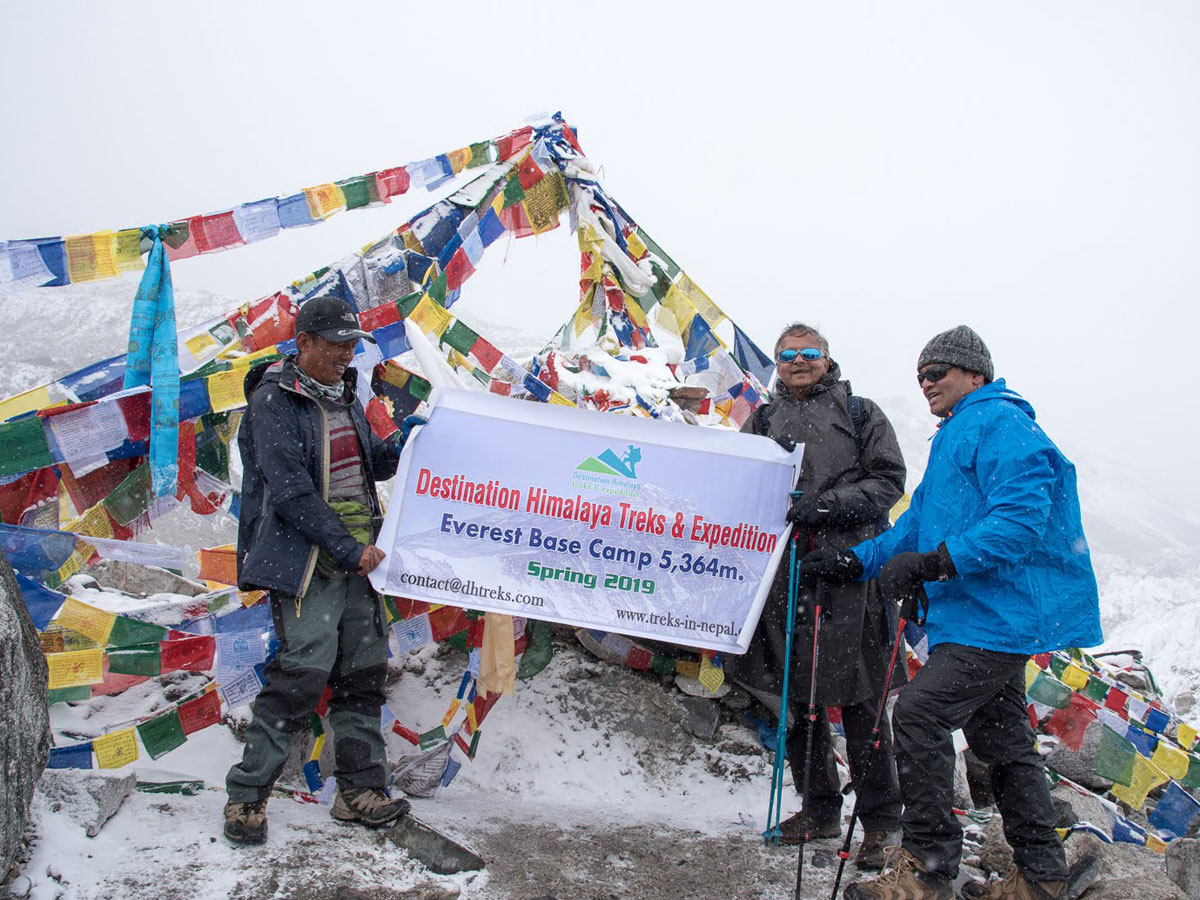
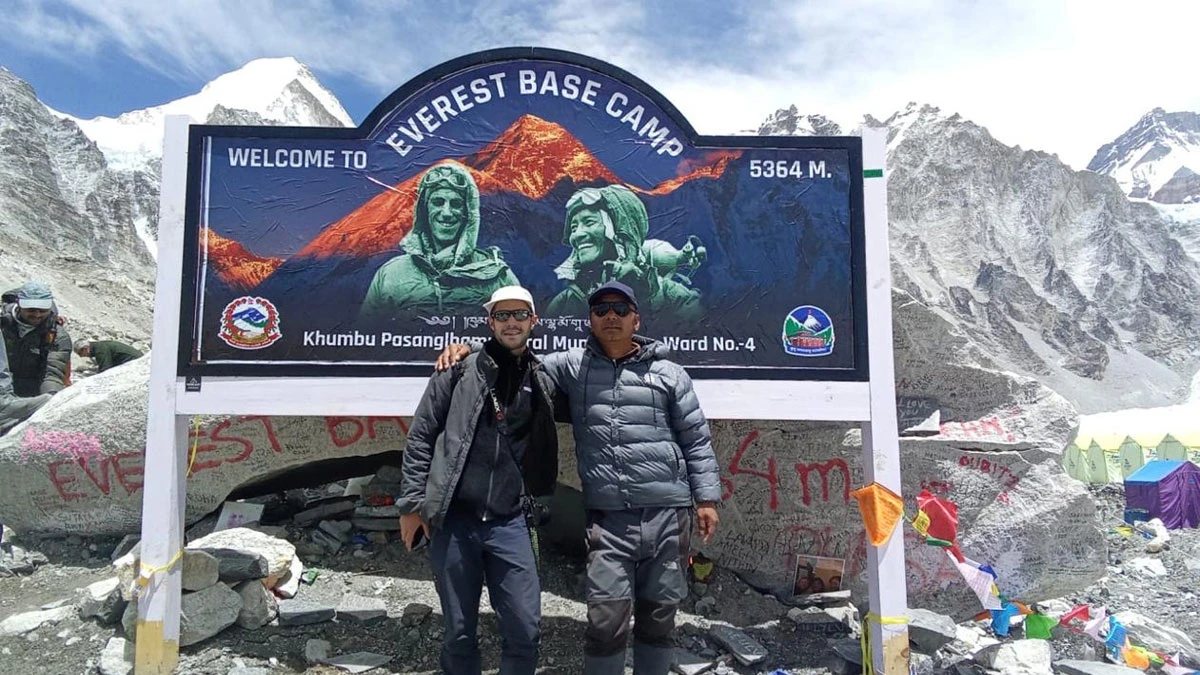
Today is the day we all dream of! Today, you can add your footprint to the legendary submitters' legacy, following in their footsteps. We’ll reach our ultimate goal destination, Everest Base Camp, today.

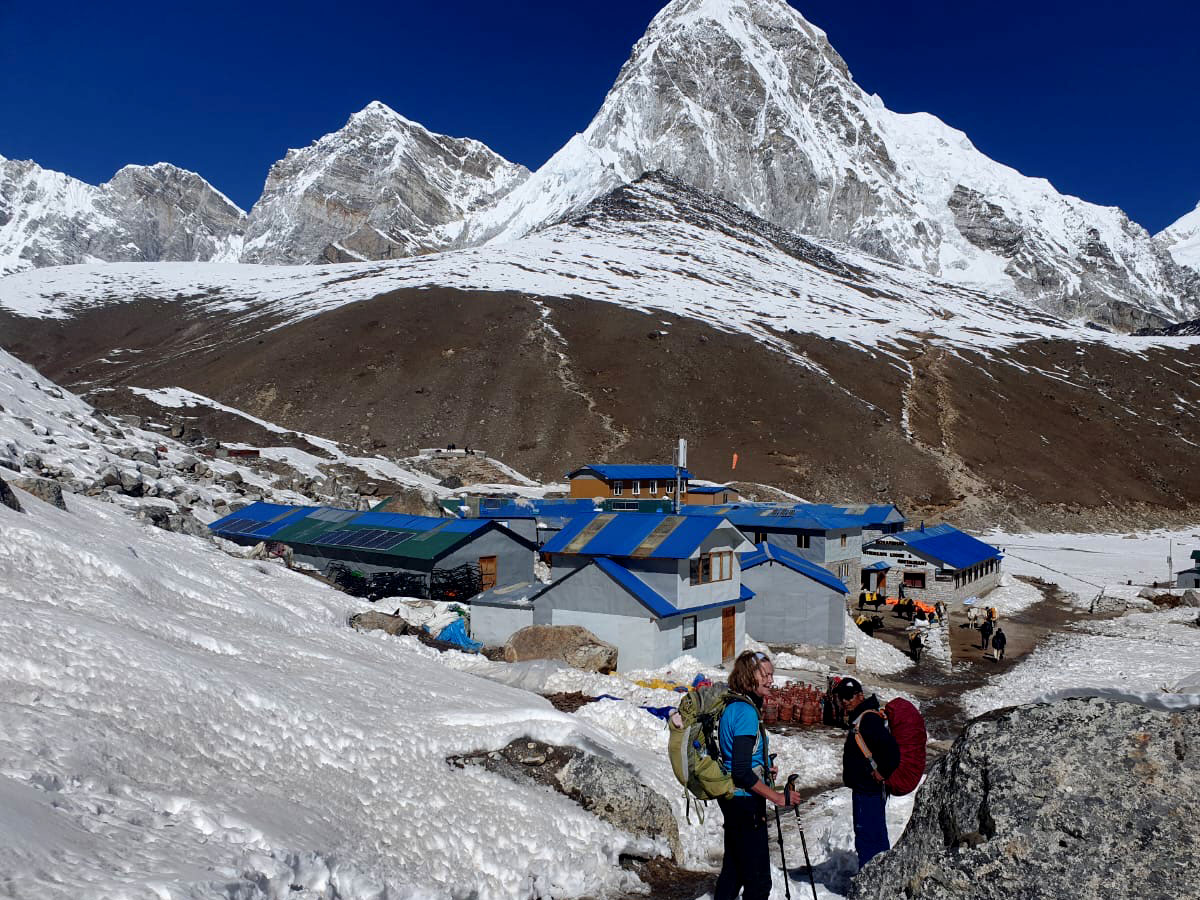
After having our short breakfast early in the morning, we’ll begin our journey towards Gorak shep. The trails amaze us as most of the way passes through glaciers and moraines. After 3 hours of hike, we’ll reach Gorakshep and stop for a while for our lunch. Before it gets windy, we commence hiking towards Mount Everest Base Camp. Upon reaching EBC, the stunning views of heavenly Khumbu Glacier and Khumbu Icefall reward us along with the eye-captivating vista of Pumori, Lhotse, Nuptse, Khumbutse, and Mt Everest itself surrounding us with its panoramic views. 

Here, you can yellow and blue tents camped in the base camp preparing for their summit to the world's highest peak. Make your moment here and relish here feeling your dreams coming true.  After having this mesmerizing moment, we’ll return to Gorak Shep and stay overnight here.

Max Altitude: 5364 meters Meals: Breakfast, Lunch and DinnerAccommodation: Tea house

ebc kalapatthar

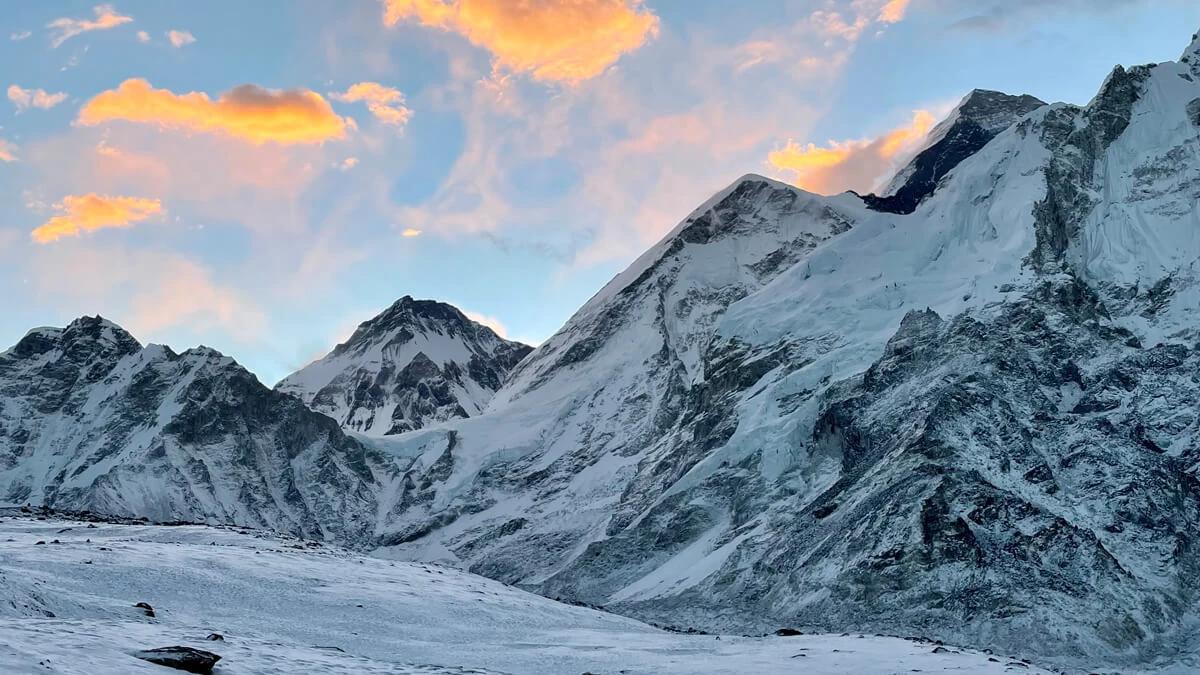
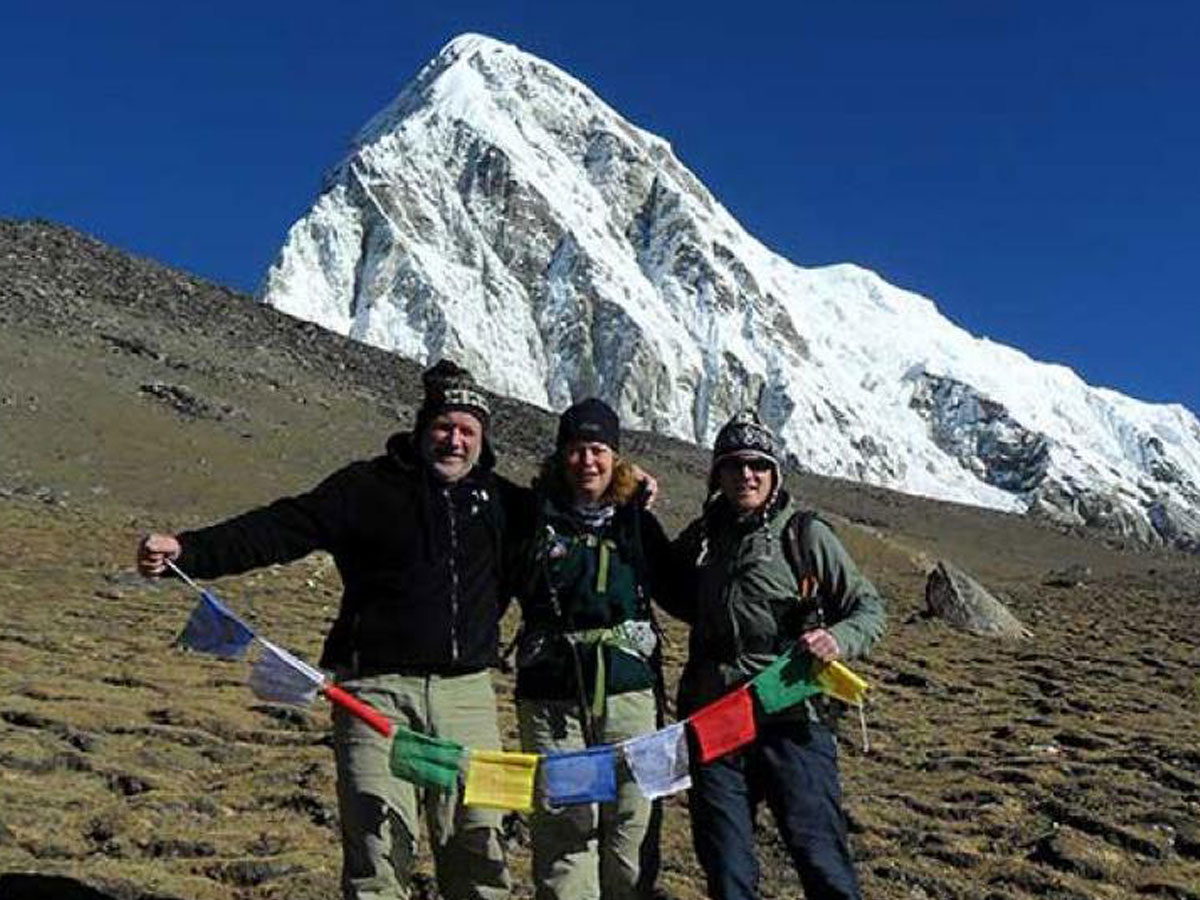
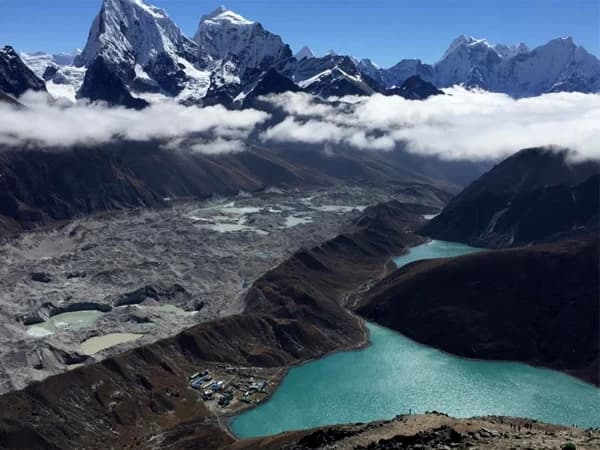
Today is the day when we’ll reach the highest vantage point of this Everest Base Camp Trek. In the early morning, we will hike towards Kalapatthar for the early sunrise view. This viewpoint is unique from the base camp, as from here we can see the Mt Everest unobstructed view quite close, with other surrounding up-close views of spectacular mountains such as Lhotse, Nuptse, Pumori, and Everest. 

Not to forget! The Khumbu Glacier can be seen from here melting gradually. Reaching here feels like every step has become finally worth it. Feel the air here coming out from these mountains. Spending our time here for a while, we’ll retrace our step to Gorakshep. After a short breakfast, we’ll hike towards Pangboche village. Traversing through the diverse settlements of villages of Thukla, Lobuche, and Pheriche we’ll reach the village of Pangboche. 

Max Altitude: 5545 m Meals: Breakfast, Lunch and DinnerAccommodation: Tea house

view from pangboche

Leaving Pungboche behind, we start descending towards Namche Bazaar via Tengboche. Today, the hike is quite long so make sure to have a fulfilling breakfast early in the morning. Although the hike is long, it is much easier and more comfortable as we walk downhill. Crossing a long suspension bridge and dense forest, we’ll finally reach Namche Bazaar. Overnight stay here. 

Max Altitude: 3440 m Meals: Breakfast, Lunch and DinnerAccommodation: Tea house

namche bazar to lukla

Today, we trail through the diverse Sherpa villages such as Manjo and Benkar along with the Dudh Koshi River on our side that leads to our destination of Lukla. 

Arriving here, we can take our time and share our moments with the hardworking guide and porter. Our porter bid us bye here as we’ll retrace back to Kathmandu through the Lukla flight tomorrow. Make the best out of this place, as it is our last day in the Everest region. 


Max Altitude: 2860 m Meals: Breakfast, Lunch and DinnerAccommodation: Tea house

In the early morning, we catch our flight from Lukla. Be mesmerized by the surrounding snowy peaks slowly transiting into the green hills. 

Arriving at Kathmandu, our guide will transfer to your 3-star hotel. Get some rest here or stroll around the Thamel area buying souvenirs, paintings, herbal teas, and Nepali handicraft items. In the evening, the company representative will meet you for a farewell dinner with your guide and porter who assisted you for the trek. 

This farewell dinner will be special as we’ll have a cultural program hosting dinner at a cultural restaurant and distributing the trek completion certificate. We would love to hear your feedback on the trek. This day is yours! Enjoy this evening making memories and exploring the night at Thamel. 


Meals: Breakfast and Farewell DinnerAccommodation: Lo Mustang

Today, we conclude our 14-day Everest Base Camp Trekking with a heavy heart as we bid goodbye to your journey here in Nepal until next time. Let me know your scheduled flight, and the company representative will drop you off at the airport in a private car. Thank you for choosing and trusting us to make your hiking adventure dream into reality.

Route Map
14 Days Everest Base Camp Trek Route Map
Altitude Chart
Everest Base Camp Trek Altitude Chart
Cost Details
Includes
  • Free Airport pickup and drop off by private vehicle
  • 2 nights' accommodation in a 3-star Hotel with breakfast in Kathmandu 
  • 3-course standard meals a day throughout the trek (Breakfast, Lunch, Dinner)
  • All Accommodation throughout this 14-day Trek (1 single room)
  • All required permits necessary for the EBC Trek: Sagarmatha National Park Permit and Khumbu Rural Municipality Entrance Ticket
  • Domestic Flights (Kathmandu-Lukla-Kathmandu)
  • Free safe luggage storage at the Destination Himalaya Trek and Expedition office
  • One professional English fluency guide, assistant guide (for a group of more than 8 trekkers)
  • Oximeter- to monitor your daily blood oxygen
  • Emergency evacuation service if needed 
  • Destination Himalaya Treks and Expedition trip completion certificate
  • Farewell dinner (complimentary) with all team members at Kathmandu
Excludes
  • International flight tickets
  • All the Beverage bills and personal expenses (Hot water, Hot shower, Wifi charge, battery recharge, bottled water, Laundry charge )
  • Tips for guide and porter
  • Lunch and Dinner in Kathmandu
  • Porter cost ( USD 300 for 1 porter)
Add-ons & Options

To upgrade your 14-day Everest Base Camp Trekking package for 2027 and 2028, and make your trip go smoothly and easily, we at Destination Himalaya Treks and Expediion offer this one-of-a-kind exclusive deal, which you can take on the 2-week voyage to the Khumbu region. Our team has been experienced for almost 2 decades now (15 years), we highly believe in making your journey an unforgettable one, with added services and amenities, to your package. 

On the other hand, we also offer a varied range of additional benefits and choices to cater to tour preferences and meet your needs in the best way, without you having to worry or hassle with other logistics. Here are some of the customizable, extra services that you can add to your 14-day hike to EBC to elevate the overall journey, right from the very beginning.

  • Kathmandu to Lukla Helicopter Transfer at USD 399: Start your adventure, not hassling about the regular flight to Lukla, regarding delay acancellationsion, which usually happen during peak seasons, with an aerial heli ride to Lukla from Kathmandu, enjoying the scenic view of the thousanders, up close, feeling the fresh air of the mountains, and reach Lukla in style.
  • Lukla to Kathmandu Helicopter Transfer at USD 499: Rather than following the same air pathway back to Kathmandu, opt for the thrilling heli ride to return from Lukla, which showcases some of the marvellous transitions of the landscapes, from the alpine valleys to rugged surroundings and high mountains, avoiding the regular flight from Lukla.
  • Upgrade your standard lodges to luxury accommodation at USD 180: Elevate your staycation in the Khumbu region, updating the logistics of the tea house to luxury rooms, with attached washrooms at such high elevation, at major stops: Phakding (1 night), Namche Bazaar (3 nights), Tengboche (1 night), Dengboche (2 nights), Pangboche (1 night), Lukla (1 night).
Dates & Availability
Select your preferred date
Nov 2026
Dec 2026
Jan 2027
Feb 2027
Mar 2027
Apr 2027
May 2027
Jun 2027
Jul 2027
Aug 2027
Sep 2027
Oct 2027
Nov 2027
Dec 2027
Date and Days
Price
Status
Date & Days
Nov 30, 2026 - Dec 13, 202614 Days
Price
US$1199US$1699
Save US$500
Status
Guaranteed
Essential Information

How High is Everest Base Camp?

The Everest Base Camp elevation soars at 5364 meters, starting the expedition from the beginning point - Kathmandu at 1360 meters and reaching the highest level of 5545 meters. Standing tall at the altitude, it is marked as being the world's highest trekking destination, which mostly begins after a flight to Lukla, bypasses the main stopping points, Lukla at 2860 meters, Phakding, Namche Bazaar, Tengboche, and proceeds further to Gorakshep - also known as the last stopping point before reaching the base camp of Mt. Everest. 

Reaching the highest point at 5545 meter, Kala Patthar viewpoint rewards you with surreal views of glorious peaks like Lhotse, the Khumbu Glacier, and panoramic views of Mt. Everest itself, all bathed in the golden colour of the sun. If reached earlier, the sunrise views over the glaciers from this vantage point reveal a unique side and perspective beyond just the breathtaking mountain vista.

How long is the EBC Trek?

The standard Everest Base Camp trail covers a distance of approximately 68 kilometres (46 miles in feet, which means after landing in Lukla from Kathmandu, with a daily coverage of 5 to 6 hours of hiking duration. In total, the distance to Everest Base Camp tends to be at most 132 kilometres, or 87 miles, from the starting point to the ending point in Kathmandu. 

The longest day of the expedition is the day trekking to Kala Patthar, from Gorakshep in both ways, descending to Pheriche and then returning the way back, which demands almost 16 km (9.8 miles), with 8 to 9 hours of hiking. However, the distance of the 14-day EBC Trek is not so difficult to pass through, as it has several terrains, from easy to moderate. If you have prior experience with elevation expeditions or similar categories of treks in the mountain areas, then the distance won't be a hassle to pass through.

But considering the fact that the Everest Base Camp Trek route does meander through several settlements in between, with some steep, rocky glaciers and continuous descent, one should be prepared beforehand and conquer the mountains and new heights! To know more, you can check our recently updated blog that explains daily distance coverage, elevation gain, and tips to ascend with ease: Everest Base Camp Trek distance

When to do the Everest Base Camp Trek: Ideal Seasons

The trek to Mount Everest Base Camp can be best done during March to April (Spring)and September to November (Autumn), as this span of the year offers stable weather with moderate temperatures, contributing highly to hiking with ease. The climatic condition simply remains mild, with the chill ranging from 6 to at most 14 degrees Celsius, making the trailhead easy to ascend without fearing the chances or possibility of high precipitation (snowfall/rainfall).

However, one can venture out for the EBC Trekking in winter as well, if you are looking for pushing challenges, as due to the cold temperature and high snowfall, the route becomes 10 times more challenging, but worth it with the spectacular view of mountains covered with snow. Keeping in mind safety, breathtaking, undisturbed views of mountains, and the possibility of succeeding in this hike to Everest, the ideal seasons are Spring and Autumn, offering distinct features and perks, rewarding visitors with the best experience, blending perfectly with stable weather and temperature conditions for a safe ascent.

What to expect in Spring (March to May)?

Spring is always the most preferred season for any sort of expedition, as this time of year, the temperature conditions are moderate, ranging from 5 to 16 degrees Celsius, avoiding the extreme sunlight, making the navigation smooth and complete.

On top of that, this ideal time always brings out the best of nature as blooming rhododendrons and Himalayan blue poppies add a vivid shade of blue and red against brown landscapes. Not to forget, the breathtaking mountain views befriend you throughout the trail just in front, rising high in the crystal-clear skies, making it an excellent choice and peak season for trekkers to embark on this incredible voyage. 

What to expect in Autumn (September to November)?

Autumn is supposedly the best season to hike to the Everest Base Camp after spring. This period falls right after the monsoon, offering perfect, stable weather with less risk of muddy and slippery paths. The trails are incredibly captivating as the verdant environment and fresh alpine air, along with clear weather, offer close visibility of snowy peaks without any disturbing fog.

Not to forget! Trekking at this particular time is a journey full of meaningful experiences as the two big festive celebrations- Dashain and Tihar — fall between September and October. While staying at the tea houses of locals along the route, you can live their present moments by celebrating the unique culture of Nepal, making your trip worth cherishing forever. 

What to expect in winter?

On the other hand, the Everest Trekking during winter is also doable; however, it requires proper planning and comprehensive preparation to tackle the snowy pathways that cover the route due to heavy snowfall. During heavy rain showers, the temperature falls to -21 degrees Celsius near the base camp, with heavy snowfall, sometimes even leading to the blockage of the high-elevation areas.

At the same time, due to the massive drop in humidity, many tea houses along the way remain closed, limiting access to the route, and the logistics remain questionable if you are planning to walk independently. As the winter season is on the way, you can undertake this 14-day hike to EBC in November to January as well, where our expert guides will take accountability for safe navigation, and on the other hand, the expert teams will craft your itinerary, ensuring the best way to reach Everest Base Camp, no matter what seasonal time you are choosing to head out for.

What to expect in the monsoon?

With the high level of rain showers and snow (precipitation), trekking to EBC in the monsoon season is something that is not highly recommended, as it is considered a high-elevation adventure, where one must navigate through varied terrains. Hiking from June to mid-August is a nightmare. No! We do not mean to scare you; however, the continuous snowfall at high elevation makes the terrain slippery, with loose gravel and the possibility of avalanches, hiding the mountains at the same time.

As the trek also covers many forested areas, due to continuous rainfall, the route becomes muddy and filled with mosquitoes, which can be disturbing for beginners, who have never been to mountain areas, and even the experienced ones, as well, as no one wants to face such situations, where you have to continuously worry about the weather condition, for the every day. Even though we do not suggest this trek, it can be exciting for experienced trekkers who want to opt for challenging navigation and love to thrive in nature. For safe navigation and comprehensive planning, we are always ready to serve you.

Please note that Lukla flights are often delayed during the monsoon season due to heavy rainfall, sometimes extending for several days. This unpredictability can affect the itinerary, especially if visitors have a limited timeframe for this adventure. Such frustrating delays can disrupt holiday plans, making it challenging to commence the trek. 

However, if you are an experienced trekker opting for some challenges, this trip can be worth trying for around the winter and monsoon season. 

We, Destination Himalaya Treks and Expedition are here to guide you thoroughly with the right gear, planned itineraries, and tracking weather situations to make your trip to the Khumbu (Everest region ) a hassle-free and safe adventure. The heavenly snowy trails and mountains make this Everest Base Camp Trek even more alive and of course! navigating along the peaceful trails connects you with this region even more deeply. 

How to reach the base camp of Mount Everest?

Being known as one of the most popular Himalayan destinations in the world, reaching Everest Base Camp has multiple routes, transportation accessibility, and ways that you can choose from, depending on personal choices and preferences. Whereas the standard trailhead, which everyone basically chooses, marks the starting point of the 35-minute thrilling Lukla Flight, starting from Kathmandu, and entering the gateway of Khumbu Valley, or Sagarmatha National Park, via Phakding on the very first day, from Tenzing-Hillary (Lukla Airport), and attaining the capital and also a trading hub at Namche Bazaar, which is also known as the main key acclimatization stop as well. 

Navigating through the varied kinds of terrains, Sherpa villages, monasteries (gompas), woodlands, terraced fields, rugged and rocky terrains, and moraines, crossing several suspension bridges, alongside the roaring Dudh Koshi River, for the first half, the overall adventure lasts for 12-14 days. After ascending from Namche Bazaar, the Everest Base Camp Trekking route passes through the main stopping points of Tengboche Monastery, Dingboche, Lobuche, Thukla Pass, and attains the last tea house settlement, Gorak Shep, and finally leads you to the foothills of the world's tallest peak — Mount Everest (8848.88 m), and reaches the highest pinnacle of the trip, Kala Patthar at 5545 meters.

As explained above, the marks are the standard popular trekking route that most hikers usually follow, which starts and ends with a flight to Lukla. Meanwhile, there are many other routes that you can begin, or diverge from the trail to, by combining other adventurous odysseys along this itinerary. Additionally, you can skip the regular Lukla flight and consider road options, a direct helicopter ride, or follow the classic road navigation route. To learn more, visit our recently updated blog on 'Ways to Get to Everest Base Camp,' which provides ample options for you to choose from. 

How difficult is the 14-day Everest Base Camp Trek?

The trek to EBC falls under a moderately challenging trek in terms of difficulty level, reaching an altitude of Everest Base Camp at 5364 m to a maximum of 5500 meters (Kalapatthar) by covering approximately130 km and demands a long hike of 5-6 hours a day through rough, unpaved terrain. Reaching the launchpad of climbing, none other than Mount Everest, it isn't an easy hike that can be completed in the blink of an eye. Even for experienced hikers/climbers, if proper planning and preparation aren’t done well, there is a huge risk of altitude sickness as you ascend to higher elevations each day.

The most difficult section of the Everest Base Camp Trek 14-day itinerary is reaching Kalapatthar; the trail from Gorakshep to Kalapatthar requires a continuous uphill climb for 3 hours with steep, narrow sections and a drop in oxygen levels if proper acclimatisation isn’t done. While descending from this vantage point, trekkers must be careful as the path is quite slippery and mentally exhausting.

Meanwhile, if you are a novice trekker, you can avoid this section of Kalaptthar by reaching the base camp of Mt. Everest, but with proper preparation, even for beginners, it won't be any challenge with a gradual ascent. To conclude, no matter what experience you have beforehand, or if you are thinking about opting for this expedition with kids, friends, or family, with effective guidelines, it can surely be tackled with ease.

Our experienced guides will always be there to guide you thoroughly through every step of the Khumbu region. Porters will take care of all your trekking gear and equipment. The expert teams will tailor this package, prioritising gradual acclimatisation, the right gear and equipment, and, most importantly, a short briefing and preparation before trekking to EBC. So, you can complete this adventurous trip without any challenges.

As a female trekker, can I trek to Everest Base Camp solo?

Yes, as a female trekker, you can do the Everest Base Camp solo safely; however, not independently, without the assistance of a local trekking guide, as in 2026, hiring a guide is compulsory via a registered local travel agency. Meanwhile, taking a guide along with you doesn't mean you are joining a group or undertaking a dual hike; it still stands out to be a private adventure, where you get to walk independently, customise the itinerary according to your flexibility, time frame, and budget; the only difference is you have to be assisted by the guide throughout. 

Hiring a local experienced trekking guide remains crucial for safe navigation and quick medical emergency assistance, if any uncertain conditions occur. Safety doesn't depend on gender or age; it fully relies on how your itinerary is crafted, whether the safety guidelines are followed or not, and whether you are being accompanied by professional expert teams or not. Even though you are a solo female trekker and have basic fitness, to proceed with a 4-5 hrs walk per day, you are good to go. The trails are full of other hikers; hence, you won't feel any discomfort or encounter any freak, as the guide will be there 24/7 hr. Also, the Sherpa communities and lodges are welcoming, positive, and respectful. For solo female hikers, raising any concern with a teahouse owner or guide is taken seriously.

What has changed in 2027?

  • The tea houses offer private rooms as well for solo female hikers, with comfortable standard bedding and updated lodge amenities.
  • Regulations now lean toward no solo trekking for foreign hikers, meaning you must have a licensed guide and permits, rather than going all alone, with no track.
  • You can still choose private solo-style adventures (just you and a guide), or women-only EBC groups, if you want extra comfort or partners to travel.
  • The security forces, such as APF (Armed Police Force), Nepal Police, or the Army, including women, have been stationed at key points, like Namche, or others, ensuring a quick and immediate response in emergency cases.

To date, there have never been any sort of dangers or challenging factors disturbing the female trekkers' privacy, security, and comfort; hence, the Everest Trek is surely done safely by female trekkers, or anyone. To know more, explore our recently published article on the EBC guide for female hikers, for deeper insights and personalised tips.

Preparations

Whether you are a beginner or an experienced hiker/ climber, noting down some essential facts for the preparation of the Everest adventure is always a good idea. Ascent to an altitude above 3000 meters isn’t an easy task that can be done in an instant. Here is some adequate information mentioned below to clear your dilemma regarding prior preparation for this adventure to the base camp of Everest.

  • Physical Preparation: The Everest Base Camp Hike demands navigation for 4-5 hours per day. If you are a novice hiker who doesn’t have prior experience. Engaging in some sort of cardio or strength training for 1-2 months is pretty crucial. To strengthen the body, you can do some sort of cardio like running, cycling, and hiking with some kgs of loads in the bag, which makes the challenging trek smoother for beginners as well.
  • Medical Consideration: Before heading on this trek, please do a whole-body checkup and make sure that everything is okay. As this trail takes you to a remote area with limited amenities, immediate health care isn’t easy in the Everest region, which means we may have to descend to Pheriche, or, for serious issues, only helicopter evacuation is possible. Please note that our guide carries a basic medical kit for minor issues, but don’t forget to carry your essential daily medicines.
  • Mental Preparation: Being mentally prepared and ready for the EBC trek is much more crucial than being physically fit, especially if you are a beginner, as you don’t know much about mountain areas. Hiking to rising altitudes with limited amenities far away from the city can be mentally draining sometimes. So, you must have a high level of the 3 P’s — Persistence, Patience, and Perseverance — and overcome tiredness with a positive mindset. 
  • Balanced Diet: Balanced, nutritious foods may sound like an obvious basic thing to consider throughout any trek. It would be best if you manage your eating habits, filled with nutritious meals, some days before the trip begins, as this trek tends to burn more calories than regular days. So, plan your meals accordingly so they suit your body and will help you to have good strength without compromising your go-to meals.

Check our detailed blog regarding the Everest Base Camp Trek training guide, an overview that shows the comprehensive physical and mental conditioning, before heading to this expedition.

Is there any possible risk of altitude sickness during the 14-day EBC Trek?

Undertaking any adventure, not only this Mount Everest Base Camp Trek, but also every high-altitude adventure, always possesses the possible risk of altitude sickness, as the air gets thinner and thinner as you ascend, with a low oxygen level, surely unusual in the city area.

The only key to avoiding such conditions is ensuring that you are taking a gradual ascent, only taking a slow pace, and gaining minimal altitude/elevation gain as required, so that your body gets accustomed to the rising altitude and thinning air. That is why we've set this 14-day Everest Base Camp Trek, with the guidance of professional teams, ascending only 300-500 meters higher, with two acclimatisation days, one at Namche Bazaar and another at Dingboche, before hitting the elevation of 5000 meters, ensuring the risk of AMS becomes very minimal.

However, the possibility of AMS (Acute Mountain Sickness) becomes higher if you do not follow any preventive measures, ignore being cautious, and just go with the flow. Meanwhile, those who have followed the safety guidelines to date have a 99% success rate of not catching the mountain sickness in between; hence, following safety measures plays a vital role in either making or breaking your trek, so, make sure to hydrate well, drink at least 4-5 liters of water, avoid smoking, drinking alcohols, and speeding your pace, than, your fitness level, and follow the navigation of our experienced trekking guide, from the very beginning till the date.

Even though this Everest Trekking Trail ascends above 3000 meters each day and attains the highest elevation at 5545 meters, with our perfectly customised itinerary, following the safety measures, and navigating along with our experienced, trained guides, the risk is rare.

What are the Major Acclimatization Days during the EBC Trek 14 days?

Leaving the capital city—Kathmandu— behind, soon after landing in Lukla, we stand at an elevation of 2862 meters. The Lukla Airport is basically the starting point of the Everest Trek in feet, beginning the journey to Phakding. By the Second day, moving to Namche Bazaar, the altitude increases by 580 meters, reaching 3,440 meters above sea level. In the meantime, you might feel a slight effect of altitude sickness, such as a headache. But there's nothing to worry about, as we have set an acclimatisation day for tomorrow morning.

An acclimatisation day doesn't mean resting all day. In our 2-week Everest hike, we have planned an excursion to the Hotel Everest View. After that, you can just roam around Namche Bazaar, adapting to the changing environment. We've set another acclimatisation day at Dingboche on Day 7. These two acclimatisation days are tailored to prevent issues like altitude sickness, allowing you to fully enjoy and explore the region at a comfortable pace.

As we have mentioned earlier, "Your safety is our topmost priority. Our guides and porters are well-trained and know how to handle any sort of adverse situation in the mountain areas. They will carry an oximeter and a basic first aid kit to check your blood oxygen level on a regular basis. Feel free to inform the guide if you feel any sort of discomfort during the EBC Trip; he'll guide you thoroughly and advise what is best for you. 

What are the Preventive Suggestive Guidelines to Avoid Altitude Sickness?

Having said that, “Prevention is always better than a cure, especially when you are embarking on such high-altitude treks. Even though the unfortunate situation doesn’t come along with a sounding horn, if everything is done and planned well, then the trip can go smoothly without any hint of difficulty. So you might be wondering, what can be done to prevent altitude sickness during this trip? Here are some of the guidelines mentioned below:

  • Talk to us to discuss elevation changes, hiking hours, pace of the trek, and distance. You can customise it by discussing it with our expert team if it doesn't match your preference. 
  • Walk at your own pace along with your guide. Don't rush, and do not panic.
  • Drink plenty of fluids and hydrate your body properly.
  • Please note: have garlic soup and ginger water to warm up your body (if you aren't allergic to it).
  • Avoid taking alcoholic beverages. Limit caffeine intake after reaching an altitude of 3000 meters.
  • Avoid having red meat in the upper areas, as it is not fresh and can cause stomach problems. As a substitute for red meat, chicken meat would be great!
  • Limit consuming dairy products if you are lactose intolerant. If you want, then you can start taking it lightly and see how the body reacts. If you feel any discomfort, then inform your guide immediately. 

What medical facilities and emergency evacuations are available along the trailhead?

Even with proper preparedness, a perfectly crafted itinerary, a gradual ascent, navigation with the best experienced local trekking guide, or being fully trained, experienced, and so on, sometimes unexpected situations become quite common at such mountainous sections, with isolated and remote trailheads. For instance, the unpredictable, sudden changes in weather and climate can create minor injuries, sudden health problems, or even some medical issues. By chance, if such conditions occur at the very beginning of the adventure, soon after landing in Lukla, or if we haven't ascended beyond Namche Bazaar or gotten near Lobuche or Gorakshep yet, then we will get immediate help at the medical aid posts at Pheriche (4,240 m), or at Namche Bazaar, where free oxygen, medical supplies, and volunteers are available for minor cases.

However, if the situation seems more critical than anticipated, then emergency evacuation (helicopter evacuation) must be done. To get you transferred to the hospital in Kathmandu, thus, make sure that you opt for the travel insurance beforehand, with the policies that cover medical bills, evacuation, and 3000 - 6000 meters, to avoid costlier costs, just for medical assistance. Meanwhile, if it is a minor injury or mild symptom of altitude sickness, then do not worry; just take a rest for a day, and quick medical emergency response will be provided by our guides, as they are medically trained, experienced, and equipped. 

Travel Insurance

We kindly suggest and recommend travel insurance for this Everest Base Camp Trek to our clients for safety purposes and in case of emergency evacuations. As this trek takes you to an elevation above 5000 meters and remote areas and trails along the mountain areas, there are always risks of unseen medical emergencies (rarely) occurring. 

Having a good policy helps us to send emergency airlifts immediately and also acts as a safety net for you to enjoy the Everest Base Camp Hike without worrying much about unfortunate situations. 

Note: Please make sure that it covers medical injuries, theft, loss of property, and, not to forget, helicopter evacuation. These are essential for any kind of high-altitude trek above 4000 meters. If these are not managed before the trek, then it can cost thousands of dollars to cover the bills. So, please note to consider this and check the clauses thoroughly mentioned in your travel insurance.

Accommodations

During the Everest Base Camp 14-day Trek, you’ll be accommodated for 12 days in a basic tea house/ lodge along the Everest region, where the rooms are cosy with an attached bathroom. Till the Namche Bazar, the rooms are quite tourist-oriented, with hot water showers, laundry facilities, and charging electric plugs in each dorm. Whereas, while ascending the higher mountain areas, a single bedroom for 1 person is rarely found due to the limited amenities. The rooms are basic but comfortable enough. For extra facilities like WiFi, charging, hot water, and single rooms, you’ll have to pay an extra $3-$6. However, if your booking is done quite early, then single rooms along the Everest Base Camp route are still manageable. 

Please note that comfortable mattresses, cosy blankets, and pillows are provided in every tea house. Meanwhile, if you are more likely to catch a cold at high altitudes, then it is crucial to bring sleeping bags along with you (provided freely by us throughout the trip). For detailed insights on each day's lodging options, amenities, and bedding configuration with upgrading options, and what to expect along the trailhead, you can read our blog: Accommodations during Everest Base Camp Trek.

Accommodations before and after the trek (In Kathmandu)

In Kathmandu, you will be accommodated in a 3-star hotel with buffet breakfast, such as Lo Mustang, Hotel Ambassador, Aagantuk, Dalai-La, or any other 3-star hotel as per your preference for 2 days. Upon your arrival in Nepal and after completing your trek, you will be transferred to one of these hotels. The rooms are air-conditioned (AC rooms), have attached washrooms, and, not to forget, personal wardrobes with ample space for storing your luggage. 

Note: For the upgradation of the lodging, one can upgrade to premium accommodations by adding on their packages, where in Kathmandu - the beginning of the expedition, you will be provided 5-star hotels, and along the trailhead, you will be accommodated at standard and premium hotels; best of the best ones with great hospitality and other amenities. 

Foods

Our Everest Base Camp Trek package includes all the standard food options throughout the expedition, covering breakfasts, lunches, and dinners that can be chosen by taking a look at the menus provided. The iconic Everest region caters to everyone's taste, whether you prefer vegetarian, Western cuisine, or local dishes- whatever you prefer! From pizza, burgers, and chapati (roti) to hot chocolates, Americanos, and even ice cream. This EBC route has so much diversity to offer, ensuring that every visitor can enjoy the delicacies without compromising their taste. For breakfast, you can look out for trying their Tibetan breads, oatmeal, porridge, and many others.

During this trek, lunches are usually done in some famous tea houses between the hikes. To level up our energy while trekking, you’ll see every trekker, along with the guide and porter, having “the ultimate Dal Bhat,” full of nutritious side dishes like lentil soup, spinach, and pickles with veg or non-veg curry. The most amazing part is that you can refill it as much as you want. In the dinner options, you can choose from the menu, which is freshly cooked straight from farms by locals, such as Spaghetti, noodles, French fries, fried rice, ramen, spring rolls, and many more.

Don’t miss out on trying delightful bakery items in Namche Bazar and Phakding, like apple pie, custard, blueberry cake, and croissants straight out of a hot oven in the lap of the mountains, making your hike to Everest Base Camp even more enjoyable.

Breakfast 

  • Tibetan bread served with egg, beans, and omelette
  • Toast with butter, jam, egg, and veg curry
  • Pancake with chocolate or Peanut Butter
  • (Hot drinks like Hot chocolate, coffee, masala tea, green tea, and garlic soup for beverage options, along with breakfast)

Lunch

  • Chowmein / Pasta
  • Veg or Non veg Dal Bhat 
  • Thukpa
  • Momo
  • Any tea or coffee (beverages)

Dinner 

  • Garlic Soup
  • Nepali noodles
  • Tomato, Chicken, and Mushroom Soups
  • Ham Burgers
  • Potato cheese momo
  • (Any beverages like hard and soft drinks)

Permits Requirements

There are two essential permits for the EBC Hike, which are required at many stopping points, and can be acquired either in Monjo or at the Kathmandu Nepal Tourism Board. Firstly and most importantly, the Sagarmatha National Park Entry Permit and another permit, the Khumbu Pasang Lhamu Rural Municipality Permit, which replaced the other permit—the TIMS Card; hence, these are two permits that have been made mandatory by the Government of Nepal to enter the Everest region. These permits and all the paperwork will be arranged by us at Destination Himalaya Treks and Expedition soon after your booking is confirmed with us.

  • Sagarmatha National Park Entry Permit fee: NRS 3000 per person for foreign nationals; meanwhile, costs differ distinctly for Nepalese and SAARC citizens: NRS 1500 per person (USD 12 per head.
  • Khumbu Pasang Lhamu Rural Municipality Permit fee: NRS 3000 per person for foreigners and NRS 2000 per person for SAARC and Nepalese.

Can I do the Everest Base Camp Trek Solo (Private) or join a group?

Are you solo and wondering how to join someone to accompany you for the 14-day hike to Everest Base Camp? Or craving a private trek to explore the more remote parts of the Himalayas, feeling the tranquillity? We got you! After serving our friendly and valuable clients for more than 15 years. We know how the perspectives and tastes of trekkers differ to fulfil your demand.

  • Group Trek: We at Destination Himalaya offer a group departure to ensure that you are not all alone in the mountains. To simplify things, many solo clients are joining a group. Our group departures are fixed for 2027 and 2028. You can choose any of the departure dates and go on this trek with our group. 
  • Private Trek: We also offer private treks so you can solo trek to Everest Base Camp at your own pace, along with a guide. The itineraries can be customised to suit your pace and preferences, with your budgeting at the same time. One of the major perks of hiking solo, independently, without merging your trip with other group hikers, is that you become your own boss, where you can hike at your own pace, explore nature in depth, as much as you can, and even get to interact with Sherpa locals in depth, fully making the best out of the trip.

Packing List for EBC Trekking

As we are quite well known, reaching the lap of Mount Everest — the world's greatest peak — is not anyone's forte, and there are several things to consider beforehand; the first and foremost essential is the packing essentials for the Everest Base Camp Hike. On top of that, you might have many confusing questions: what to include and what to leave behind. 

Having proper warm gear to tackle cold night temperatures and easy, comfy wear to ascend easily is crucial when it comes to hiking in such mountainous areas, with limited facilities. The required gear can either be bought from the Kathmandu - Thamel area, or you can just rent it at Thamel or Namche Bazaar, whichever you want. If you want assistance with budgeting and the best gear and clothing, then our representatives (guide, porter, or management team) will guide you to shops.

  • 25 to 50 L backpack to fit all the clothing items. Do not exceed the limit of 15 kgs as it is the maximum weight that one can take to the Lukla Flight.
  • A day backpack (small one) or just a waist bag (trending), so you can just store permits, cash, chargers, cameras, or any kind of gadgets.
  • Duffle bag - to store essentials (will be carried by porter) - provided by us
  • Sleeping bag, if you want, or reactive to cold weather, will be provided by us if needed
  • Down jacket (lightweight if possible) and 2 pairs of windproof waterproof jackets - suggested
  • Hiking boots with proper grip and 1 comfortable pair of shoes with cotton socks
  • 5-6 pairs of long socks - needed at higher elevations
  • Dry Fit T-shirts - if possible, with longer sleeves
  • A raincoat and a backpack cover
  • Travel documents like passports, permits, and, if you have them, do not miss out on bringing 2 passport-sized photos
  • Hiking shorts and lightweight hiking pants
  • Crampons - if it's winter season
  • Other skin care essentials like Sunscreen, lip balm, moisturiser, and others
  • Toiletries like toilet paper, soaps, toothbrushes, toothpaste, combs, and towels
  • Gloves, trekking poles, sunglasses, hats, and any other basics
  • Basic First aid kit with oximeter and water purification tablets - will be provided by us

Those are some suggestions, or a list of the required gear and other essentials that shall be carried with you for a comfortable expedition, and also those that are compulsory to bring. Nonetheless, these are only recommendations; it is up to you what to include and exclude as per your experiences and choices.

To know about the packing essentials, check our recently updated comprehensive guide on Packing Lists for Everest Trek for 2027 and 2028 hikers, which provides a complete insight into the gear and equipment on a seasonal basis.

Booking Procedure

Destination Himalaya Trek and Expedition is a government-authorised trekking agency in Nepal that has been serving trekkers for more than 2 decades and is a member of TAAN (Trekking Agency Association of Nepal) and NMA (Nepal Mountaineering Association), which itself acts as a safety net for our valuable clients. On top of that, there are no hidden charges here. We never charge you extra for anything. For more details, you can check our include/ exclude section thoroughly. 

To confirm your bookings, we require only a 10% advance payment to book your domestic flight tickets and accommodations. For payment, you can pay directly through our website or simply transfer the advance payment. After your booking is done, please send us your passport, 2 passport-sized photos, flight details, and travel insurance. For the remaining payments, you can do it after arriving here in Nepal via card, debit card, credit card, PayPal, Cash, Western Union, or whatever you prefer. For extra details, please email or WhatsApp us. 

Last Minute Booking

Even though it is quite hard for us to book the trip, Destination Himalaya Treks and Expedition will arrange it for you to make your 14-day trek to Everest Base Camp possible even during peak season without any problem. But to confirm the last-minute booking for the trek, you must pay 100%, and there will be no refund, as we must pay for a guide, porters, and accommodation before the trek just to make the trip.
For more details, make sure to WhatsApp or Viber (+977 9851016814) or email us directly at info(a)destinationhimalayatreks.com

Essential Travel Tips for a Successful Everest Journey in 2027 and 2028

  • Please note that, during peak seasons, due to traffic congestion or also some unfavourable weather and climatic conditions, the flight to Lukla sometimes gets delayed, so make sure to set aside 1 to 3 extra days so you do not miss out on your flight back home.
  • Every tea house has standard basic amenities such as a hot shower, laundry facilities, and communication accessibility like wifi, telephone calls; however, it charges you extra, depending on usage and lodges, so make sure to carry cash (Nepalese, Euros, or dollars) to pay along the trekking trail.
  • After you ascend from Namche Bazaar, there are no ATM Facilities or card access, so exchange your money. While here, you will have an extra day, so you can also buy snacks, goodies, left-out gear, and so on; hence, nothing to panic about.
  • There are no charging sockets (booths) attached to the room, and they are only available at the dining area, where you have to wait in a queue for your turn, so it's better to carry at least 1 long-lasting power bank to recharge batteries, phones, and cameras in an emergency.
  • Some days, the trek lasts for hours, even 7 to 8 hours, with no major tea houses in between, and snacks available that cater to our taste palette; thus, do not miss out on packing snacks like granola bars, Snickers, dry fruits (almonds, cashews), or even protein drinks to give you that instant energy and keep you persistent for a long hike.
  • Do not overpack the gear and essentials; the weight limitation for the Lukla Flight is only up to 15 kgs (10 kgs luggage + 5 kgs hand carry). If the weight is more than that, an extra cost will be charged by the airport. Only pack the required items.
  • Also, our Everest Base Camp Trek package covers every essential required for the trip, with even extra add-on facilities as a complement to enhance your trip. However, the guides' and porters' tips are not included, but are expected. Appreciate their hard work and support them. To know more, you can check our cost details above to see what is included/excluded, as nothing is hidden in our package.
FAQs

The trek to the EBC starting point depends on which transportation option you've chosen for this trip, as it has many starting sections: the standard Lukla - Phakding trail, via flight, or classic Jiri or Salleri route via bus/jeep drive, depending on your itinerary. Whereas our 14-day EBC Trekking begins with a 35-minute flight from Kathmandu to Lukla, and follows the standard trail via Phakding. Thus, the starting point is marked as Tenzing-Hillary Airport.

Yes, a first-time trekker, who has never been to high altitude, can surely climb to Mount Everest Base Camp, but only with prior training and preparation, as you will be spending almost 2 weeks in the Himalayas, and most importantly, it is your first time, so prior preparedness is one hundred per cent crucial. The trailhead is straightforward, non-technical, and requires no technical climbing gear or mountain climbing skills, with only a basic level of fitness to proceed. A 4-6-hour walk per day, you are good to go.

Engage in training and some cardiovascular exercises, check your health, and ensure your medical condition (heart and lungs) is all okay, as the thinning of low oxygen in the air hits your lungs and heart first, so getting a medical clearance is crucial. Other than that, overall the route is not so intense, and you will be assisted by the experienced trekking guides, being medically trained and equipped, trailing along with the supporting crews makes the journey easier and safer, for beginners, so there is nothing to worry about.

A 14-day EBC Trek is far easier and has a high success rate than the rapid speed short cut versions, as lasting for almost 2 straight weeks, includes proper acclimatisation days, one at Namche Bazaar and another at Dingboche, letting your body adapt to the increasing altitude, and a gentle walk. Whereas, while comparing with shortened itineraries (9-12 days), it reduces rest days, takes a quick, rapid walk, and intense altitude gain, increasing fatigue and risk of AMS as well. Our itinerary of 14 days includes a moderate, gentle pace of walking (4-6 hrs), and enough rest days, which entails a high success rate upto 99%, just hikers need to commit to being engaged in prior preparations and training for a successful adventure, considering good packing essentials, and following safety guidelines.

Arranging Kathmandu-Lukla flight tickets is straightforward when pre-booked through reliable travel agencies like ours. We secure your seats in advance for hassle-free travel. No disruptions from international conflicts or Middle East airspace closures affect Nepal's domestic routes as of April 2027, so rest assured about Lukla flights. Weather remains the primary challenge, potentially causing delays (hours or rarely a day). Plan 2-3 buffer days for your 14-day adventure.

Note: During peak season, high traffic may divert flights to Ramechhap (Manthali) to ease TIA congestion (jeep transfer included), to Ramechhap Airport.

No, due to safety regulations and the limitations of technology, commercial planes, like Lukla, do not operate over such a massive height as Everest, 8848 meters, due to the possibility of dangers like turbulence, rotor clouds, and thin air (low oxygen), that prohibits strictly over flights over such heights and are considered no-fly zones. 

However, the thrilling domestic flight to Lukla, which you will undertake, won't be disappointing; rather, one-of-a-kind airway navigation that showcases the impeccable mountain views of almost 20 peaks, including the Everest, Langtang Lirung, Kanchenjunga, etc., which provides great insight without any dangers of direct flyovers.

Yes, absolutely. Sherpa are the real heroes of many dangerous trekking in Nepal. As you navigate and stay in different tea houses, you are most likely to encounter these heroes and feel the energy. On the EBC route, you can see Sherpas carrying the gear and equipment of Everest summiteers or trekkers making your trip even more fascinating.

It is not compulsorily necessary to bring the guide along with you for this trek. But, it is highly recommended as the Everest region has some dense forests to pass on that might be confusing for beginners. If you hire a guide, then he’ll show you the route, accompany you, and most importantly ensure your safety in such mountain areas. 


Well, paying tips for a porter and guide isn't necessary but it is quite expected as it is not an easy job for them and they have to wait until peak season for treks and have to survive a whole year through these treks. So, tipping them turns out to be a great help for them and family.

While you may have a hinge of doubt, whether this trek can be completed without any hazardous situations. We at Destination Himalaya always ensure that your trip is safe, secure, and comfortable.” Your safety is our main priority”. Our pro expert team will be there to help you thoroughly customize your package if required and on the trek, our guides make sure that you are feeling safe. One of the main concerns is altitude sickness but don’t worry, we have customized this 14 days of Everest Base Camp Trek ensuring that you are properly acclimatized and gradually adapting to the change of rising altitude. In case of emergency, the trek leader guide will decide what is best for you. So, you don’t have to worry regarding the safety of this trek even if you are a beginner. 


Hiking to the Himalayas and immersing your soul in the mountains are always the best things to do. When it comes to reaching the launchpad of the highest peak in the world, Mt Everest. Then, there is no doubt about whether this trip is worth every step or not. Immersing yourself in sherpa, Gurung, and Tamang culture, encountering climbers coming out of the world, and indulging in the heavenly beauty of landscapes, mountains, and rivers make your trek to Everest Base Camp trekking worth every single step. 


The Everest region is a hot trending destination among trekkers. You can expect good drinking water facilities throughout the trail as every lodge/tea house has proper facilities of laundry, shower and not to forget, water as well. Meanwhile, you have to pay an extra 4 dollars for a hot water shower. The drinking water is provided by the guest house but for bottled water, you have to pay NRS 100 to 200. 

Many people might think that EBC is Mt. Everest. But as the name says itself, it is the base only. In total 4 major camps and if you are doing this trek, then you are reaching the first camp i.e. Everest Base Camp from where the passionate mountaineers/climbers start their summit. However, reaching here is an achievement in itself as many people dream of standing in the shadow of the world’s highest peak. 


While trekking in the mountain areas, it is the main concern. As you are hiking to a rising altitude of more than 3500 meters each day. But, prevention can be done by gradually ascending if you are doing this 14-day Trek, then you must have an acclimatization day to adapt to the increasing altitude. This itinerary is set according so you don’t have to worry about this problem. 

However, many factors could lead to altitude sickness to avoid you must change your food habits. Firstly, you must drink plenty of fluids, secondly, you must avoid alcoholic beverages consumption, and lastly include lots of ginger soups and nutritious foods on your diet so you can trek to the Mt Everest Base camp without any difficulty.

Yes, you can tailor/customize this EBC Trek itinerary as per your preference, holiday duration and budget. 

Yes, many trekkers prefer the heli return after reaching the base camp as they are already tired and sometimes feel too dizzy because of the rising altitude. For that, you need to inform us beforehand so we can manage it on time. This heli tour just adds a lively experience returning by helicopter as the panoramic views can be seen surrounding you. Please note that, for the heli return tour it will charge you an additional cost. 

The health of the porters and the comfort of our clients are our main priorities. All the arrangements for the Everest Base Camp Hike are done on this basis. The luggage limitation of the porter is an average of 20 to 24 kg. One luggage or duffle bag of 2 trekkers is carried by one porter (1 porter for 2 people). Hence, the luggage limitation per person is a maximum of 10 to 12 kg in this trek.

During this trek, you will be accommodated at a basic/ comfortable tea house run by the local people itself. The rooms are made out of wood with an attached bathroom but expect to get sharing washroom in the upper areas due to the limited amenities. In the hotel, you are provided with a comfortable mattress, one single bed, a pillow, and warm blankets. If you prefer, luxury accommodation then you can upgrade this package by adding some additional cost. 


As of 2027, for the EBC Trekking, you must attain two major permits, where the requirements are updated and made stricter, especially for solo trekkers or independent hikers, for the documentation process, as the permits must be applied via a local registered travel agency; otherwise, the permits won't be granted (access) to you. Whereas, the essential permits are firstly, the Sagarmatha National Park Entry Permit, mandatory to hike along the protected area of the Everest region, costing approximately NPR 3000 (USD 28) per head, and the other permit is the Khumbu Pasang Lhamu Rural Municipality Permit (local one), which replaced the TIMS Card. The permits can either be attained at Nepal Tourism Board in Kathmandu, or at the entry gate of the region, Monjo, but the permits are handled by the agency, and included in the package, so you do not have to get them seperately.

Unlike any other remote area trek, you can expect good wifi and internet connectivity during Everest Trekking. As, the route is quite popular every tea house offers a wifi facility by charging $2-$3, while some may provide you for free. The best thing to do is buy a 3G or 4G SIM Card in Kathmandu so you can connect to the internet as the network is quite stable in the lower Everest regions (Phakding, Namche Bazar). While don't expect this network in the higher areas. 

Anyone with a basic level of fitness can do this trek to Everest Base Camp no matter what your age is. But, there are certain things to consider for this trip especially since you must be physically and medically fit. we highly suggest you engage in some physical exercises like walking with some loads on or just cycling to level up your stamina. Most importantly, you must do a whole body checkup and consult with a doctor especially when you are above 40 years old.

Need Help? Talk to Expert!
min gurung
Min Gurung
+977 9851016814
A perfectly organized trekking tour to Everest Base Camp

I had booked a great 18-day trekking tour from Jiri to Everest Base Camp and back to Lukla. Everything went perfectly. My guide Julaph picked me up after my arrival...

read more +
L
Lukas Z
October 18, 2026
Everest Base Camp Trek Review – Bharat Gurung

Everest Base Camp Trek Review – Bharat Gurung

Completing the Everest Base Camp trek was one of the most memorable experiences of my life, and a huge...

read more +
S
Seaside50227554807
June 05, 2026
Everest Base Camp - with MidEarth and Destination Himalaya

We went to the Everest Base Camp hike organised by MidEarth India (midearth.in) and locally supported by Destination Himalaya. This was our first hike above 5000m and our guide Bharat...

read more +
S
Sushrut K
June 03, 2026
You May Also Like
Everest Base camp Trek via Gokyo Lake
Starting from
US$1199US$1799
Trending Combo offer
Need Help? Call Us+977 9851016814