Why October Is the Best Time for the ABC Trek in 2026?
Here are the major highlights that you shall expect while trekking to Annapurna Base Camp in October:
Scenic Views and Autumn Colours
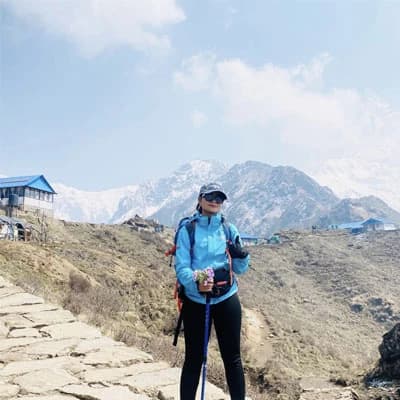
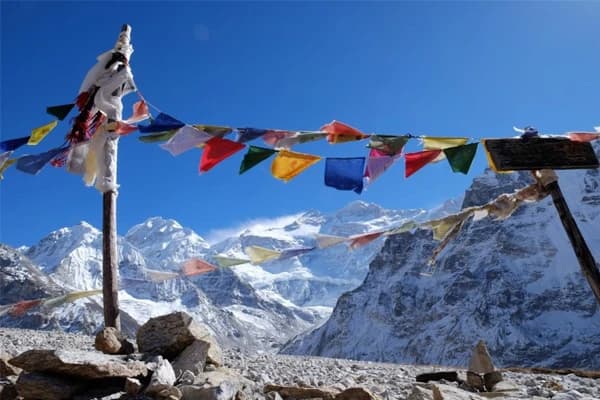
October is the month that transforms the Annapurna region into a photographer's paradise with its natural beauty. After being hidden by monsoon clouds for several months, the mountains are now easily visible. You will watch big mountains stand out against the bright, blue sky. At times, you can see the mountains over 100 kilometres away from you! What sets October apart from all the other months is the autumn colors. Forests along your trekking route turn into a masterpiece painted with gold, orange, and red leaves. Rhododendrons that were green all summer now display their colourful leaves. Seeing the warm fall landscape against the snowy peaks will leave you speechless. It’s the light of magic when there’s warmth on the mountains in the early morning or late afternoon.
Flora and Fauna In October
October brings some amazing surprises in the world of flora and fauna in the Annapurna region. All is lush and green with monsoon rains, but now the weather is perfect to see the hidden wildlife that shunned the rains. One can be fortunate enough to see blue sheep grazing on steep mountain slopes or catch a glimpse of colorful pheasants crossing along the trail. The forests are alive with the chirping of birds of all sizes, from tiny colorful sunbirds to huge eagles in the sky. Many flowers that bloomed during the monsoons are still putting forth displays alongside the walking trails.
The rhododendron forests gain much beauty in October. They are not in full bloom yet versus spring, but have their leaves showing gorgeous autumn colors. There are also different kinds of pine and oak trees, giving a feel of the mixed forest there. As one ascends higher, the landscape changes towards alpine plants and tough mountain flowers that survive through cold nights.
Cultural Festival
October brings one of Nepal's most exciting times, the Dashain Festival Season. This is like Christmas and New Year rolled into one big celebration lasting about two weeks. Imagine trekking through the villages while everyone celebrates, wearing their fancy clothes, and eating good food with the visitors. Dashain celebrations witness Nepalis gather on a grand scale since families come together from all over Nepal. Colorful decorations will hang from the houses, traditional music will be heard, and festival foods will be cooked to mouthwatering aromas. A splendid way to witness authentic Nepali culture from the inside. You might also be treated to festival treats such as sel roti and join the traditional dances with your guides. This cultural activity adds a whole different charm to your mountain adventure, which cannot be experienced at any other time of the year.
Local Life
October gives you the best probability of observing true mountain people in their day-to-day lives. Having been booked throughout the monsoon by farming and preparing for winter, local communities are laid back and would afford a little chat with any trekker passing through. Families would be harvesting crops like barley, buckwheat, and potatoes, which were planted during the monsoon. Women will be busy preparing for winter, drying vegetables, and weaving cloth for the cold months ahead. Here, tea house owners have more time to share the glories of mountain life, tales of how they survived during bitter winter times, rearing yaks and buffaloes, and how tourism has transformed their villages. October nights are complete with warm fires, local folk song renditions, and narratives of mountain customs passed down through generations.
Avoiding Monsoon and Tourist Crowds
October is that magic month that nicely fits between two difficult seasons. Until September, the monsoons turn the trails muddy and dangerous. Never did slippery rocks, nor leeches on the trail! However, just before the winter rush starts in November and December, October falls stage right. If we were to consider the foot traffic in the trails during the month, it would attract more than in any other month. However, late in the year, almost nobody would come to uproar. This is an opportunity for you to take a quiet moment in the mountains without the feeling of standing in a long line of hikers. Weather conditions at this time are fairly stable, whereas it's not rare to experience a bout of bad weather during the monsoon season or mid-winter. Tea houses at this point are not yet crowded, so you have a high chance of securing a good room attended to by lodge owners who have sufficient time for their guests.
Annapurna Base Camp Temperature In October
Let's talk about what could be expected as to temperature conditions during your October trek to Annapurna Base Camp. Here's the thing: temperature is never the same anywhere you go. Why? Because you are going up, up, and up, as you trek higher up in the mountains.
Down in the lower areas in and around Pokhara and the starting villages, daytime feels quite comfortable. You are looking at about 20 degrees Celsius to 25 degrees Celsius during the daytime, warm enough to cause some perspiration while hiking. Then again, don't get too comfortable, as down in the lower reaches it gets cold at night, with temperatures possibly dropping anywhere between 5 degrees Celsius and 10 degrees Celsius. Those are definitely times when a warm sleeping bag will come in handy.
Here's the really interesting bit: once you start climbing up towards base camp, changes ensue fast. At the Annapurna Base Camp, daytime temps hover somewhere between 5 and 10 degrees Celsius. Yeah, not exactly the weather to don a swimsuit. And for nighttime? Better prepare yourself because temperatures drop below the freezing point, sometimes temporarily bottoming out between -5 degrees Celsius and -10 degrees Celsius. In these times, you will surely be thanking yourself for packing every single one of those warm layers.
| Location |
Day Time |
Night Time |
| Pokhara/ Nayapul (Starting Point) |
20-22°C |
8-11°C |
| Chhomrong (2200) mid elevation |
15-20°C |
5-10°C |
| Machhapuchare Base Camp (3700 m) near ABC |
8-12°C |
-3 to 5°C |
| Annapurna Base Camp (ABC) at 4130 m |
0-6°C |
-5 to -10°C |
If you want a descriptive overview, then you can check our recently updated blog on: Annapurna Sanctuary weather and Temperature detailed guide.
Annapurna Base Camp Weather In October
October weather in Annapurna is truly Mother Nature's gift. Remember September, still holding those monsoon showers in suspense? Well, all that drama is from the past by October. Now comes the exotic weather for which every trekker dreams! Warm, sunny days make every trail day sheer enjoyment.
October truly has lovely, wonderful skies. Pale blue skies stretch endlessly with clouds joining in to block your mountain views. Those massive peaks, which concealed their beauty under monsoon clouds all summer, are finally hitting the limelight! Annapurna Massif, Machapuchare, and all other tall mountains await you with clear views.
Mornings are crisp and fresh! Just the way to go hiking and get you charged for a day ahead. The air is pure and light, and each breath refreshes. It rains seldom, if a drizzle might be witnessed now and then, but that is nothing compared to the heavy showers of the monsoon. Trails are dry and safe to navigate. With the troubles away, you have nothing left to stop you from enjoying the breathtaking scenery.
Recommended Rest Days and Acclimatization in Autumn
Here's something really important that lots of first-time trekkers fail to consider: your body needs time to get used to the thin mountain air. As you go higher, the amount of oxygen reduces, and climbing rapidly can well induce severe altitude sickness. So, wise trekkers always build a rest day into their itinerary.
Most people will feel fine till an altitude of about 2,500 meters. But once you start getting higher, your body may be forced to work harder to pass the oxygen that is needed by it needs. You may notice a difference in how fast you can breathe, or be a little more tired than usual. This is a normal thing, but it is basically the body giving you the message of "hey, slow down for a bit."
For any October trekking, the rule is that every time you go up about 1,000 meters, take a full rest day. For example, after reaching Manang or Machapuchare Base Camp, allow yourself an extra day or so. But don't just hang out in one place. Use the extra time to take short hikes up to even higher elevations during the day, then drop back down to your rest place to sleep. This immensely aids your body in a gradual adaptation to the altitude.
Start reading your body during these rest days. If pains in the head or nauseous feelings are encountered, don't simply brush them off. There could be times when your whole system needs more adjusting, and that is exactly fine.
What is the best route to take for the Annapurna Base Camp trek in October?
Opting for a gradual ascent is a very crucial aspect when it comes to such a high altitude adventure, ABC, that ascends and gains the altitude of 300-400 meters per day. What we highly recommend is not to rapidly (speed up) the itinerary; rather, choose a moderate hike, so that the thinner oxygen and the higher elevation won't affect your body. Also, at the same time, letting you cover some of the great vantage points and highlighted spots without missing out on anything.
Here is a recommended itinerary for the Classic ABC Trekking for October 2026, that ensures a moderate pace of hiking (4 to 5 hrs daily), great rest days, and a safe altitude gain, entailing a safe and fun adventure
Day 1: Arrive in Kathmandu, the capital city, and get transferred to the hotel
Day 2: Get a drive to Pokhara (luxury tourist bus), 7/8 hrs, or take a domestic flight (25 minutes), 824 meters
Day 3: Drive to Birethanti and then start a hike towards Ulleri, 2042 meters, 06 hours approx.
Day 4: Hike to Ghorepani village (2864 meters), 4/5 hours hike
Day 5: Reach Poon Hill viewpoint, and then, hike to Tadapani (2632 meters), 05 hrs
Day 6 - 7: Tadapani to Chhomrong (2142 meters), - Dovan via Bamboo on the next day (both last for 5-6 hrs approx)
Day 8: Hike to Macchapuchare Base Camp (3760 meters), 4/5 hours
Day 09: Reach Annapurna Base Camp (ABC), 4130 m, 3/4 hours
Day 10-11: Hike to Jhinu Danda on the 10th, and then, bamboo at 11th day (both 4-6 max)
Day 12: Down (descend) walk to Siwai, 2 hrs, and then, drive to Pokhara (821 m)
Day 13: Get back to Kathmandu
Day 14: Final Departure Day
What to Expect on Your Trek to Annapurna Base Camp in October 2026?
Accommodations in October
Let's speak about where you'll sleep and what you'll eat for your October adventure in the Annapurna Base Camp Trekking Trail. Well, October being the peak trekking season, almost all mountain lodges and tea houses are open, ready to receive you. Of course, there are no fancy hotels, but they are cozy, warm, and run by really kind local families who know exactly what a weary trekker is looking for.
The majority of tea houses have simple, comfortable rooms with two single beds and minimal furniture. Hot showers, however, are not guaranteed everywhere, since at higher altitudes it might be an extra charge to have a bucket of warm water or a few minutes of a hot shower. It can get quite cold at night, especially as you go higher. When the temperature drops to, say, -5 degrees Celsius or even lower at base camp, those thick blankets and sleeping bag will surely become your best friends.
Food Variations
Food-wise, it's pretty much more choice than you might imagine for the middle of the mountain. Most tea houses serve both Nepali fare and an array of common Western choices. Dal bhat (rice, lentils, spinach, curry, and pickle) is the local staple-energy gainer for hiking. Also, fried rice, noodle soups, pancakes, or even pizza can be found. The more you go up, however, the more expensive food is because everything has to be carried up by porters or yaks.
Here's a pro tip for October: book your accommodation early in the day. Because of its popularity as a trekking month, some tea houses tend to be packed fast, especially around Machapuchare Base Camp.
Safety Precautions And Weather Challenges in October
Let's admit it, maybe the weather in October just offers the best trekking atmosphere during the Annapurna Base Camp Trekking. However, that should never make you bring down your guard. Those perfect days of October might catch anyone by surprise with mountain hazards that every clever trekker should be aware of.
Altitude sickness is the biggest safety concern in October. Signs you should look out for are headaches, nausea, and feeling unusually tired. If they get worse, you must go down to a lower place immediately. The nights get cold during October, and base camp temperatures might even go below -10°C or lower. In such a case, hypothermia will set in quite easily if you don't have proper gear. So be sure that your sleeping bag is rated for the purpose of freezing temperatures, and also, keep an extra set of warm clothes with you.
Sudden weather changes may yet catch you off guard in October! These are the months of sunny and pleasant days, but at higher elevations, afternoon snow showers can swoop in without much notice. This kind of fuss may not last long, but it is enough to make the trail dangerously slippery. So, always be sure to check with the tea house owners on the trail conditions before setting foot each morning. October is really an overcrowded travel time since it is peak season. That somehow increases the chances of accidents, especially on the narrow mountain paths. Don’t hurry, keep a distance from other hikers, and pay attention whenever you cross large suspension bridges.
Combine other Trips to Experience: Best October Combination Trails
Want more thrill for the October adventure! Why go for just one trek when you could soak in multiple incredible experiences? October weather sets the very stage for grabbing more of the Annapurna treks from your list. You're here, and the least you can do is feast your eyes on everything this amazing region has in store for you, right?
Annapurna Base Camp Trek with Mardi Himal: It feels like getting two fantastic mountain experiences in one long holiday. Mardi Himal trek offers a quieter, less crowded atmosphere where travelers feel as if they're finding a secret nook of the Himalayas. Most definitely, an added advantage to drive this combination of treks in October is that the two separate perspectives of the same range are completely different. Machhapuchhre is viewed from a totally unheard-of perspective in Mardi Himal. Since the trails are comparatively undeveloped, it really means that tourists are in for more authentic local interaction and wildlife sightings.
Annapurna Base Camp Trek via Poon Hill: During October, going to Poon Hill has to be probably the most important decision one can make. Poon Hill is known all over the universe for some of the best sunrise views in the whole Himalayan range, and an October morning offers the clearest visibility you might ever get throughout the year. Going with Poon Hill first in your trek means you have a gradual warm-up before you hit the season's longer, tougher ABC route. The 3-4 days Poon Hill section gets your legs ready and helps your body to adjust to mountain walking better; then you continue towards ABC feeling much stronger and confident.
Alternative Trips In the Annapurna Region: Shorter and Easier Options
Maybe you think ABC just might be difficult, or maybe you want to go for something very different? No worries, the Annapurna region has other amazing adventures for you in October. These alternative treks still have their own little magic and give you the epic Himalayan experiences you are dreaming of.
If you want fewer crowds but still magnificent mountain views, the Mardi Himal Trek is for you. This hidden gem takes you through quiet forests and traditional villages that most tourists never get to see. The Mardi Himal trek is shorter than ABC, lasting about 5-7 days, with the views from the Mardi Himal viewpoint just phenomenal. You'll be looking at the Machapuchare from a close distance, which is a view that looks totally unlike any other angle.
Ghorepani Poon Hill Trek is probably the most well-known short trek in Nepal, and for good reasons. It is ideal for novices and for those who cannot spare much time going into the wilderness. The famous sunrises from Poon Hill are painted with golden light gilding ten major peaks. October mornings bring crystal-clear visibility to witness this world-famous sunrise view of 19 mountain peaks.
Khopra Ridge Trek is something very special, as this is a community-based trek that directly benefits local villages. By taking this route, you get to see the Dhaulagiri and Annapurna ranges, since it isn’t as crowded as other treks. Striding along the ridge is similar to standing on top of the world because the view of the mountains continues for miles in each direction.
Packing List and Gear for October Trekking
- Make sure to pack a layer close to your body, plus insulation and waterproof pants or jackets. Because of the many elevation changes, the temperatures can be 25°C cooler at the beginning of the trek and as low as -10°C during your camping stay, so pack all kinds of clothing.
- Purchase a sleeping bag designed for use at temperatures as low as -15°C or below. It gets very chilly at higher elevations during October nights, so sleeping with just a tea house blanket is not enough.
- Choose boots that are waterproof, comfortable, and help support your ankles. The trails are not too wet in October, although you'll see many rocks and may find a touch of morning frost at the highest altitudes.
- When you have trekking poles, you’re less likely to lose your balance and put less pressure on your knees when coming down steep areas. Since October can be sunny and warm, you may want to hike longer, and that’s when additional knee and leg support really comes in handy.
- The length of the days in October is shorter, so you may hike at sunrise; be sure to use a headlamp. Be sure to pack spare batteries since cold conditions reduce power faster than usual.
- The strong sun at the altitude makes October extra bright. It’s smart to pack sunglasses, a hat with a wide brim, and sunscreen with at least SPF 50. At base camp, getting snow reflection on your skin can cause serious sunburn.
- Add medications for altitude sickness, pain relievers, tools for treating blisters, and everyday wound care products. The busy season in October makes it possible that help won’t reach you soon if problems happen on your hike.
- Take either purification tablets or a filter that you can rely on. While water in October is usually safe, it’s always wise to be cautious when you’re far from any villages.
- Don’t forget to take insulated gloves and a wool hat if seeing wildlife in the morning or evening is on your list. Your arms, legs and feet chill first when the temperature outside falls below freezing in the evening.
- It’s difficult to find places to recharge your batteries at higher elevations. If you have a reliable power bank, you'll keep your phone and camera powered throughout your October trip.
Tips For a Successful ABC Trek In October
- Begin cardio and leg-strengthening exercises at least two months before your trip to Nepal. You will want to engage in longer daily hikes during this time due to the excellent October weather.
- October is a busy season, so make your flight, accommodation, and permit reservations way ahead of time. The popular tea houses also go fully booked quite fast, especially during the Dashain time in Nepal.
- All extra weight counts when climbing for hours. Select multipurpose items and leave all unnecessary stuff behind. Your back will thank you later.
- Drink plenty of water even if you feel otherwise. The October dry air and high altitude swiftly dehydrates you. Feed your body well with rice, pasta, and other carbohydrates. October has long hiking days that call for loads of calories to fuel energy.
- Hike from early morning as you enjoy October's clear views and perhaps try to avoid the crowds that build up later during the day. Early mornings also give more time for some rest stops.
- Considered the clearest mountain views of the year, October allows you to capture early morning moments, cultural fairs, and those incredible Himalayan peaks while visibility stays at its best.
- As October is the time for the Dashain festival, learn some basic Nepali phrases and about the customs of the festival. Locals are always happy when anyone takes an interest in their key cultural celebrations.
- Generally, October weather tends to be stable, but mountain conditions can easily change on a whim. Stay on top of any sudden weather patterns or temperature changes.
- Don't rush to reach base camp. October's beautiful weather and festival atmosphere make every day special. Take time to chat with locals and fellow trekkers.
How To Reach the ABC Trek Starting Points In October?
Permits Arrangements
Essential permits for trekking in the Annapurna region trek include the ACAP or Annapurna Conservation Area Permit and a TIMS or Trekkers' Information Management System card. You must take along a passport, one photocopy of it, and two passport photos to the NTNC office at either Pokhara or Kathmandu. The charge is 3,000 Nepali Rupees (USD 30) for most foreigners, but it is only 1,000 (USD 10) if you are from a SAARC country. The office opens at 10 AM and closes at 5 PM, from Sunday to Friday. If booking through a trekking agency, all of the paperwork would be done for you, and this makes a huge difference.
Transportation From Pokhara
Most people start their journey in Nayapul, a place that is easily reachable in about an hour and a half from Pokhara. Because it rarely rains in October, buses, shared jeeps, and private taxis operate according to regular timings. After the monsoon, the highway is in pretty good condition, making the going nice and smooth. Shared jeeps charge somewhere between USD 5 and 10 per head. October doesn't allow delays caused by landslides or road closures, so go ahead and set a departure time with confidence and do not skip the itinerary planned for the trek.
Is the Annapurna Trek in October right for you?
October is truly a magical month for your Annapurna Base Camp. Imagine remembering the wonderful weather without hordes of tourists, magnificent autumn hues adorning the mountains, not to mention the vibe of Nepal's greatest festival season. What else can one ask for? Sure, a warm jacket will be a must for those frosty nights at base camp, and you'll want to ascend quite slowly, allowing your body to acclimatize. But these, really, are nothing compared to the lifelong memories you will be creating. Imagine sipping hot tea with new friends as the sun rises, turning immense peaks golden. Visualise spending time with local families in celebration of Dashain, while listening to tales of mountain life. These are the experiences that make an October trek worthwhile for everyone.
Conclusion
The trek to Annapurna Base Camp in October stands out as a life time himalayan adventure that blends the cultural exploration, nature wonders of the rich himalayan flora and fauna, and the thrill of reaching the foot of one of the world's 10th tallest peak. With impeccable and stable weather and temperature conditions, the magical scenery of the mountain and landscape views, and the festive celebrations of the Dashain and Tihar, October marks the perfect time for this journey.
If you are planning the trek to Annapurna Base Camp in October 2026 or 2027, or maybe in the future, with our complete guide, you can get an overall overview of what to expect and get prepared accordingly. Thus, get ready to venture out on one of the best adventures of a lifetime, the Annapurna Base Camp Hike in October.
Favorite Itineraries for October