Why trekking in Nepal during the monsoon season stands out?
Trekking in Nepal during the monsoon season is a complete roller coaster ride and a wholesome journey, where the mountains transform into lush and green surroundings, trails are less crowded, and some of the parts reside within the himalayan rain shadow area, which stay relatively dry, and easy accessible. Some treks are only suitable for the wet season due to the rain shadow effect, dry terrains, where the walking pathways remain completely unbothered, and the views are amazing, just like peak season, but with monsoon perks (advantages).
The walking terrains experience very few crowds, perfect for those who seek more personal cultural interaction from tea houses and local communities. The rain brings out vibrant green valleys, blooming vegetation, and more dramatic landscapes, whereas, with fewer hikers around, the trip can feel more intimate and culturally captivating.
Monsoon Trekking: Pros and Cons
The monsoon trekking in countries like Nepal has distinct advantages and drawbacks, which tend to be a peaceful, scenically captivating and budget-friendly experience as well, but also, physically demanding and riskier than trekking in the dry or peak seasons. Here are some of the pros and cons of the monsoon adventures offered in the particular span of the year.
Pros of monsoon trekking
- The precipitation makes forests, rice fields, and green hills extremely vibrant, and waterfalls seem even more scenically beautiful, at their fullest, with soothing sound.
- The popular trails like Langtang, Annapurna, and Everest regions remain quieter, lodges are easier to book, and the rates are cheaper, as well, due to fewer hikers along the route.
- The temperature is high, but the humidity is milder than in peak summertime, and the air feels clean and fresh as well.
- Due to fewer crowds, the trekkers get to have an intimate contact with locals, and also, engage in farming and celebrate seasonal events festival in this time.
Cons of monsoon trekking
- Trails can become completely wet, muddy and slippery, increasing the risk of slips and falls, and slow progress (itinerary must be set at a slower pace).
- There might be flight issues (delays and cancellations), where roads can be delayed and cancelled due to heavy rain, unfavourable climatic conditions, and natural hazards, like landslides, floods, etc.
- Skies are often cloudy, so clear views of snow‑capped peaks, sunrise, and sunset are rare.
- Mosquitoes and leeches are very common in forest areas, which irritates the beginners, so you must pack repellent and even nets.
- The terrains become more challenging (double or triple harsh), which requires extra clothing essentials, and good-fitting boots.
Best Long Monsoon Treks in Nepal - Off Beaten & Rain Shadow Routes
The long off-beaten high altitude rain shadow routes are one of the best monsoon trekking routes, which you can proceed in the wet season in Nepal, without having to worry about significant rainfall or heavy snowfall, making the journey safe and easy to hike along. Throughout, you get to experience an impeccably green, lush valley, colourful valleys, and snowy, covered mountains, along with dry terrains, and the voyage is a one-of-a-kind odyssey. Here are some of the best long monsoon trekking routes in Nepal in 2026 and 2027:
Upper Mustang Trek (14 days)
When it comes to the best monsoon trails, the Upper Mustang Trek deserves the number one position, as it falls under the rain shadow area and is also known as one of the highly sought-after restricted area adventures in Nepal. Exploring the region is an once in a once-in-a-lifetime experience, where the hikers get to explore the Last Forbidden Kingdom of Nepal, where reaching here feels like you are transported into some ancient times, where human evolution is still in process, due to the intense dry landscapes, colourful rock formations, and the Tibetan plateau surrounding the whole valley. The major highlight of this odyssey is Lo Manthang at an altitude of 3840 meters, with old stone houses, white-washed paintings, where the Loba people reside, and have their own traditions, religions and beliefs, unique from other territories. The region is situated beyond the Himalayas, and is also called, as Himal Pari ko Jilla, in the Nepalese transition, being highly protected from heavy rainfall.
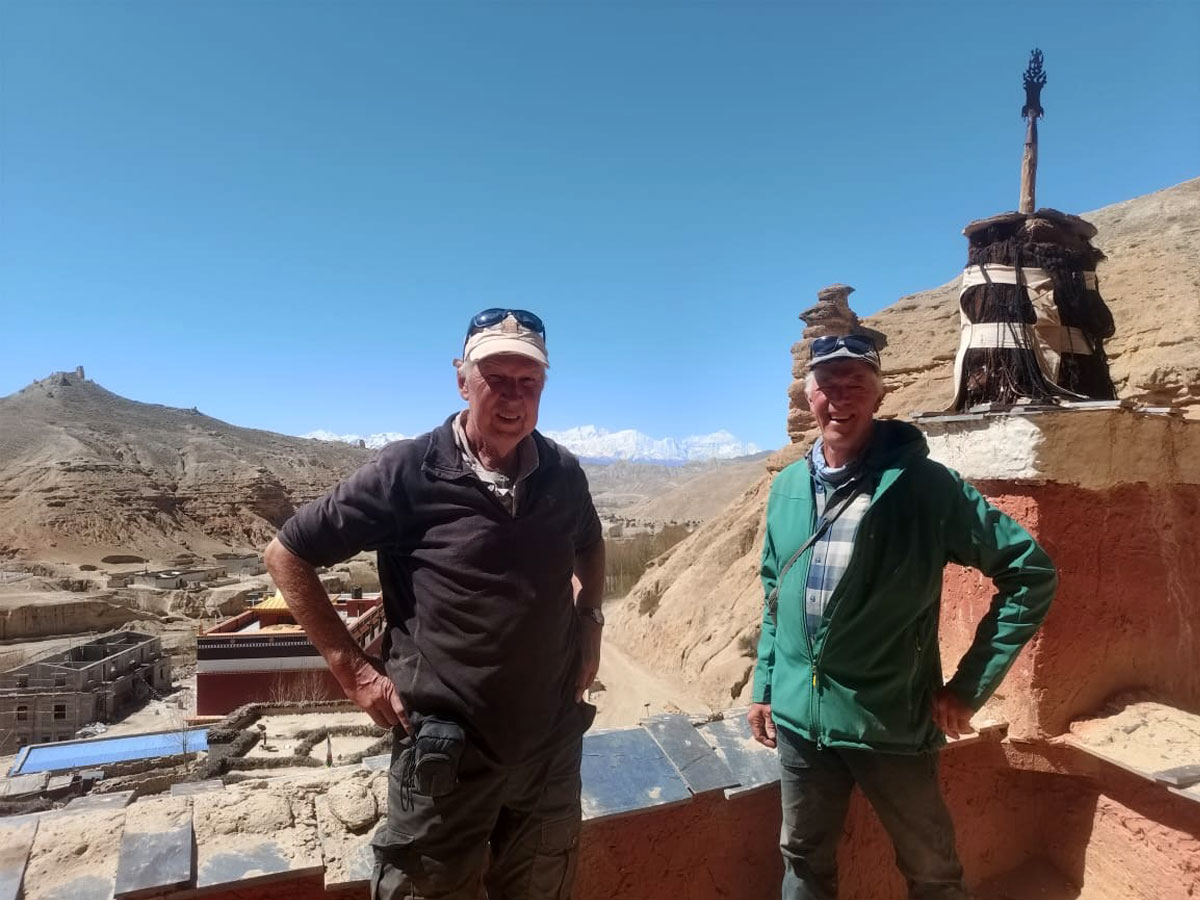
The journey simply starts with a flight to Jomsoom, from Pokhara or Kathmandu, and takes a walk to Kagbeni. Here, you might experience a little bit of rainfall, as the terrain is the lower mustang, or you just enter the territory. However, as you go higher, and days pass by, via Chele, Syanboche, Ghami, Tsarang, it enters the upper section up to Lo Manthang, the highest point, hence, you won't be experiencing any cloud burst, for 8-9 days, and only for 2-3 days, where you do not have to engage in any intense walk, whereas, other days, hike includes, daily 5-7 hrs walking pace.
Upper Dolpo Trek (24 days)
The Dolpo region remains one of Nepal's most isolated, remote, and confined trekking trails, which again falls within the rain-shadow zone and can be commenced throughout the year. While other trips just demand not less than 2 weeks, the Upper Dolpo Trek, almost 24 to 27 days to complete covering the lower section and upper section passing through distinct terrains, isolated settlements (that too in a huge gap), and surrounded by the huge dry tibetan plateaus, all way around, with very few finger countable lodges, along the trail, making it only doable for exprienced trekkers, having enough time to wander around. It is a full cultural, tea house, and even camping trek (can be included) that explores the unchanged heritage of the Bon Buddhist culture, founded 18000 years ago, and many even call the mountain people a tribal gem in the mountain areas.
As it falls under the rain shadow area, the possibility of a cloud burst is rare, especially in the upper section, making the trip doable even during the monsoon (starting from June till August), and even in winter as well. But, apart from the good side, the trail is only recommended for experienced trekkers, as it proceeds through harsh walking terrains, completely isolated and not so well-maintained tea houses, and crosses several passes, the highest at Kang La Pass (5360 meters), with a daily walk of 7-8 hours, demanding only those who have some prior high altitude experience.
The journey begins with a flight from Kathmandu to Nepalgunj and Juphal, and enters the restricted area of the Shey Phoksundo National Park, and also reaches the Phoksundo Lake at 3611 meters of altitude, and the pass, showing the panoramic mountain views, and explores the rich culture of the Shey Gompa (4200 m), where the holy crystal mountain and shey monastery itself sit.
Nar Phu Valley Trek (12 days)
The fascinating Nar Phu Trek navigates through one of the most remote Himalayan regions between the Annapurna massif and Kang Guru Himal, exploring the twin valleys of Nar and Phu. It is full of medieval cultural exploration, which begins at Koto after a drive from Kathmandu to Dharapani, following isolated, less crowded, off-beaten trails, surrounded by the narrow canyons, high tibetan plateau landscapes, and climbs to the Phu village at 4080 meters, a cultural settlement with stone houses, remote settlements, where the Tashi Lakhang Monastery, takes place at an altitide of 4200 meters. From Phu, the trail continues to Nar Village (4,110 m), a plateau community sustained by barley farming and yak herding.
It also falls under a dry, arid territory, protected by the Annapurna Conservation Area Project (ACAP), which makes it easily doable during the wet season, and can be a great alternative to upper Mustang or upper Dolpo, for beginners, as the trail can be commenced by first-time trekkers with proper preparations. However, the only challenging part the hikers may experience is the crossing of the Kang La Pass at 5420 m, which connects Nar to Manang, touching the standard trail of Annapurna Circuit, which you can extend to the trail along, if you have enough time.
Annapurna Circuit Trek (12 days)
The Annapurna Circuit is marked as one of Nepal's best rain shadow treks and a classic adventure in the Himalayas, as the portion sits north of Nepal's highest Himalayan peaks, placing it in a dry zone that receives very little rainfall, compared to other parts of the country. The towering Annapurna and Dhaulagiri act as a natural barrier, blocking the heavy precipitation, including the lower parts of Manang, Mustang and Muktinath. In the upper section on the way to Thorung La Pass (5416 m), the highest altitude, and the world's highest pass, trekkers might face significant snowfall and slippery snowy pathways, but all in all, in the lower section, the chances of high rainfall are typically low, making Annapurna Circuit Trek, one of the few treks in Nepal that can be safely undertaken during monsoon season.
The best highlight of trekking during the monsoon season is that you get to trail through the whole greenery surroundings, encounter fewer crowds at the trailhead, and snowy-covered peaks, allowing a peaceful, more cultural interactions and scenic view all around. This strategic combination of dry high-altitude conditions, diverse landscapes, cultural richness, and accessibility makes the Annapurna Circuit the premier monsoon and rain shadow trekking destination in Nepal. Besides, the hike is doable by every age group, and even beginners; however, you must plan the itinerary comprehensively and engage in prior preparedness.
Best Short Monsoon Treks in Nepal - Short, Easy and Easy Access
The short monsoon treks are one of the best wet-season adventures in Nepal, offering accessible, manageable journeys that you can complete without worrying about extreme weather conditions or dangerous trail sections, making them perfect for quick getaways and time-constrained trekkers. Throughout these shorter routes, you experience rapidly changing landscapes packed into just a week, dripping lush forests, vibrant rhododendron woodlands, dramatic waterfalls swollen with monsoon rain, and stunning mountain vistas that contrast green valleys against snowy Himalayan peaks, creating a unique and unforgettable trekking experience. Here are some of the best short monsoon trekking routes in Nepal in 2026 and 2027:
Ghorepani Poon Hill Trek (3 to 5 days)
The Ghorepani Poon Hill Trekking is considered one of the best all-year-round trips, as it is short, sweet, and easily accessible from the lake city of Pokhara to the starting point. As the trailhead is well-marked and easy to pass through, with facilitated tea house options, it becomes a must-do for those who seek a quick mountain escape.
The hike daily demands 3-4 hours, lasting for almost 3 days if started from Pokhara, and can be extended to 5 days if begun from Kathmandu, the capital city. The forest trail might disturb some, due to muddy, slippery pathways, because of the heavy rainfall in the lower terrains, so the hikers must plan the trip comprehensively and pack the essential gear for sloppy woodland navigation.
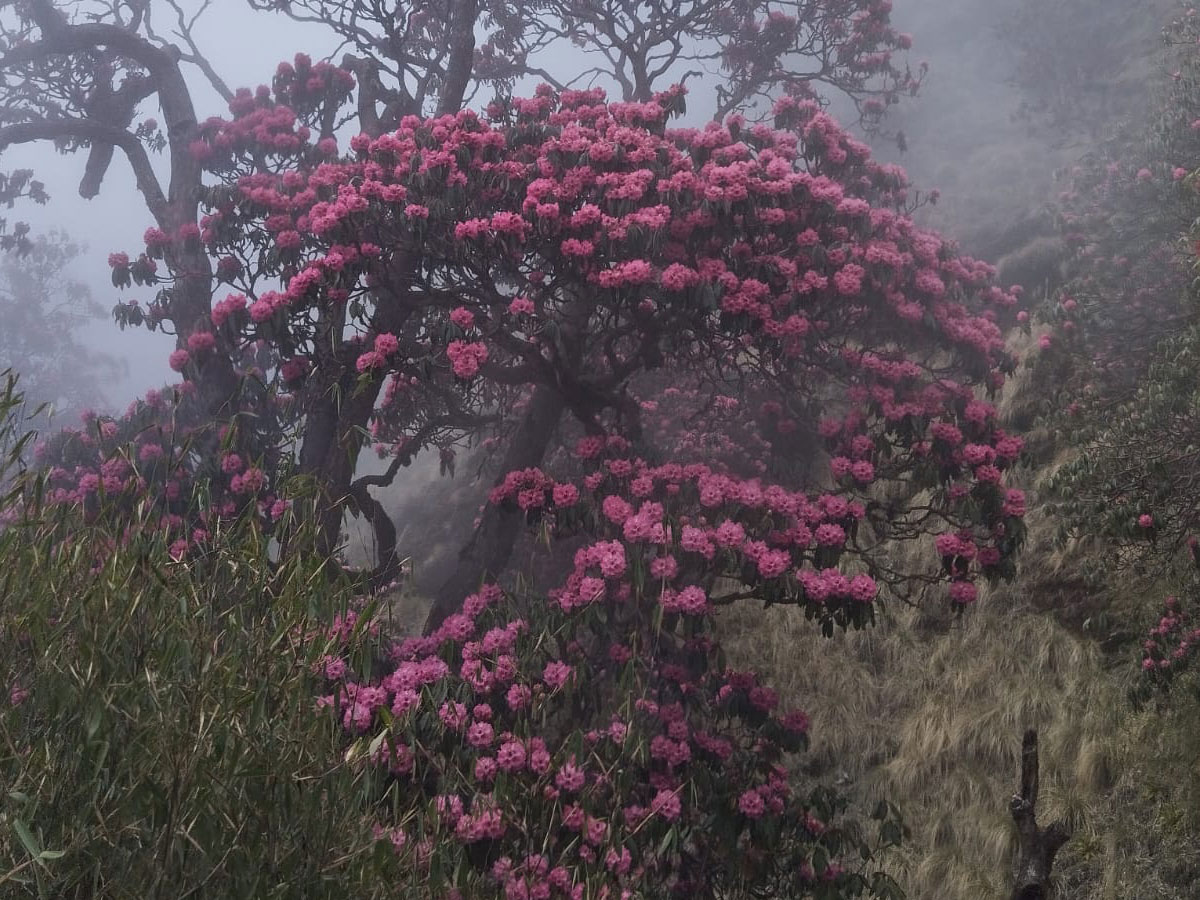
Anyone with basic fitness and age can easily conquer the highest point, Poon Hill View Point at 3210 m, with a rewarding mountain vista of Annapurna and the Dhaulagiri range. Unlike other Himalayan trails, it neither demands too much time nor prior experience, nor has the possibility of altitude sickness. If you are medically fit and navigate along the trekking guide, the hike stands out as pretty amazing and safe as well.
Langtang Valley Trek (8 days)
It is one of the most popular Himalayan treks in Nepal, and can be easily accessed from Kathmandu to Syabrubesi, with just 8 hours of driving, which, in comparison to Lukla flights or Jomsom flights, is way better, and hassle-free at monsoon time, where you do not have to face any delays or cancellations of the flight. Even though the Langtang Valley Treks are not so popular among trekkers, during this high precipitation time, the walking terrains are quite intense and have distinct variations, which are affected by the rain and snowfall. But someone who has some experience beforehand can easily proceed on the trek, as it neither includes intense walks nor demands technical traverse, or high pass crossing, and entails 4-6 hours daily hike, or might be stretched up to 8 hours, as the route has mostly forest, open and even alpine navigation, so paying attention is crucuial, even if the trailhead, is simple.
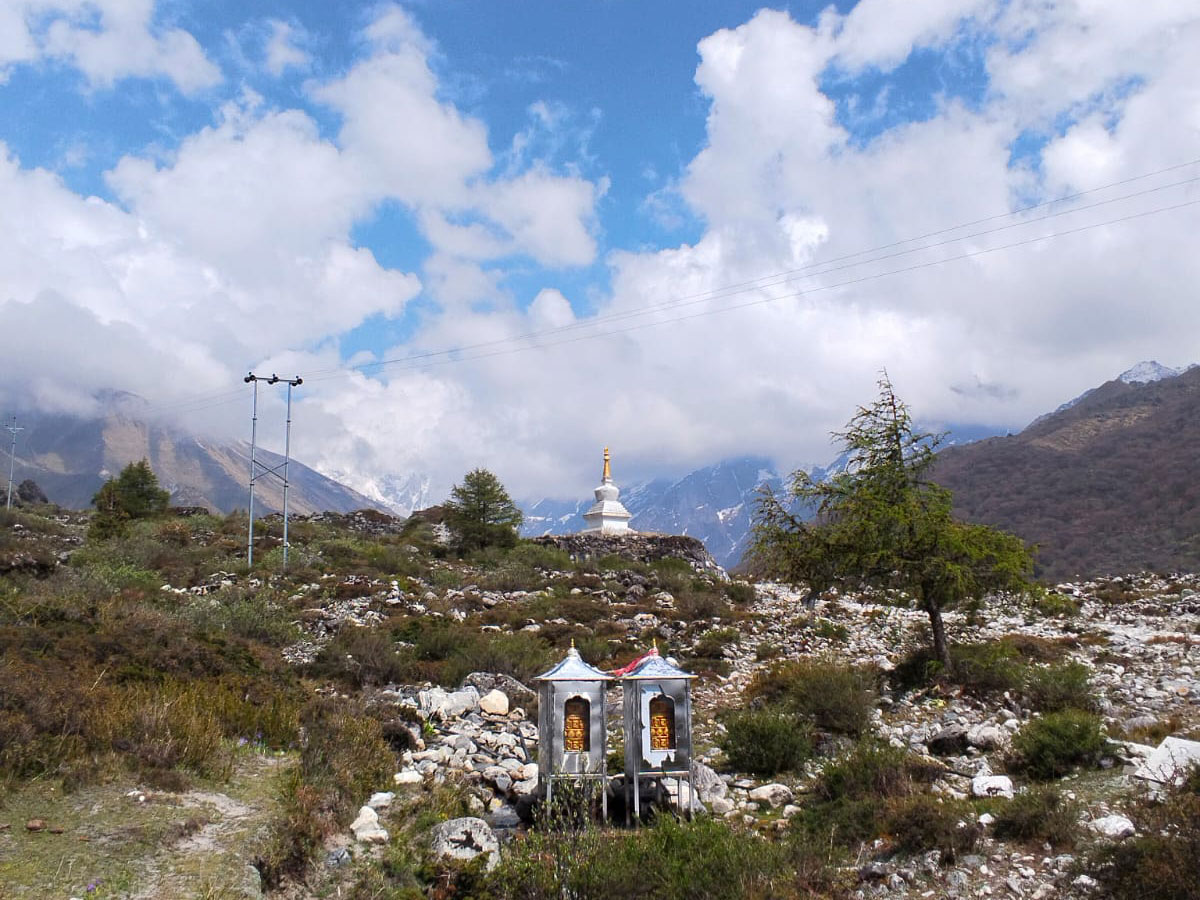
The Langtang Trek basically takes a deep exploration through the Langtang National Park, with an insight into pristine Himalayan flora and rare fauna such as the elusive red panda, langur monkeys, Himalayan tahr, musk deer and many more. The trail covers 30% of the forest trail, only on the 1st and 2nd days, while approaching Lama Hotel and Langtang village, where you must be cautious, but on the other days, especially when it comes to the day, to the trail to Kyanjin Gompa, and the major view points, of Kyanjin Ri (4473 m) or Tserko Ri (4984 m), through alpine trails, where there might be snows, and icy terrains, however, passing with strong grip hiking boots, and warm clothes, and sleeping bag, at the tea house you are all set to go.
Mardi Himal Trek (7 days)
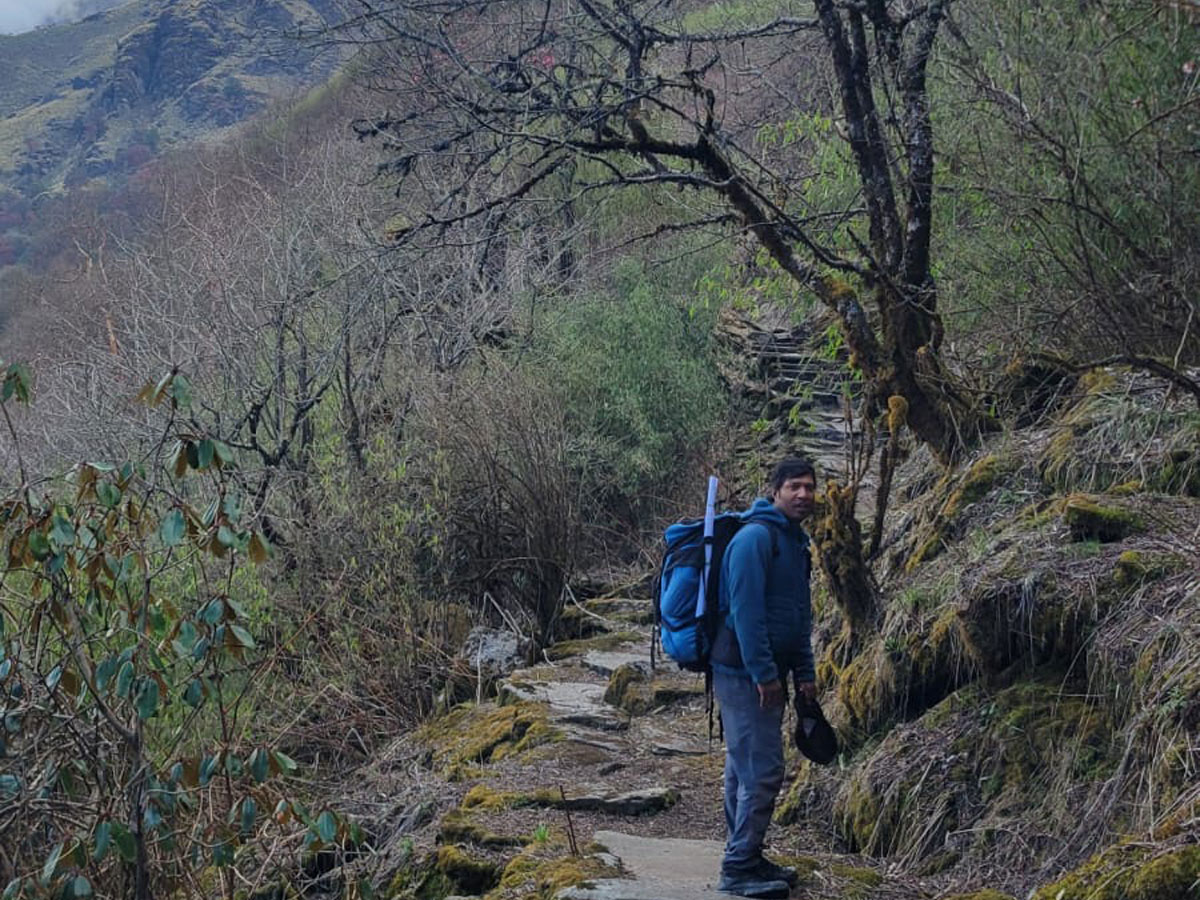
Located within the Annapurna region, Mardi Himal is one of the easiest and most accessible short monsoon treks in Nepal, which is smooth to proceed, and includes well-maintained tea houses and now, in the present days, it is famous as the best rising star trails in the himalayas. What makes the trailhead, as one of the wet seasonal adventures, is that the trekking route is easily accessible from Pokhara, the Annapurna region's gateway, and the terrains, neither includes, any technical sections, nor has any steep climbing, and can be successfully done by everyone.
However, it doesn't fall under the rain shadow zone, where the precipitation is highly expected, especially, from mid-June to late July, the route covers mostly forest areas, for 2 days, from Pothana to Forest Camp (day 1) and Camp to Badal Danda on the second day, whereas, the other days, includes, the journey towards, High Camp and base camp (4500 meters), snowy navigation, so, prior preparation is crucial, for everyone. But, the terrain, overall, is not hard or harsh, and can be easily traversed by hikers, and the green surrounding lush woodlands and the snowy covered himalayan peaks make the trip intriguing. There are many rapid versions, but the best itinerary is 7 days Mardi Himal Trek, which includes slow altitude gain, moderate pace, and minimises the risk of altitude sickness on the other hand as well.
Khopra Danda Trek (7 days)
Nestled deep in the Annapurna region, Khopra Danda stands out as one of the most charming and budget-friendly short monsoon treks in Nepal, offering a laid-back trail experience with cosy tea houses that have recently earned it recognition as one of the Himalayas' fastest-rising trekking gems. The trek's main advantage for monsoon adventurers is its convenient departure point from Pokhara, Nepal's adventure capital, where the path avoids any technical climbing or dangerous steep ascents, making it perfect for first-timers and families.
That said, Khopra Danda sits outside the protective rain shadow zone, meaning you'll encounter genuine monsoon rainfall, particularly heavy between mid-June and late July. The first two days take you through dense, dripping forests filled with rhododendrons, magnolias, and ancient oak trees that burst into vibrant green during the rainy season. As you climb higher, the trail opens up to reveal Khopra Ridge's breathtaking 360-degree views, the sacred Khayer Lake at 4,600 meters, and jaw-dropping panoramas of Annapurna South, Machhapuchhre (Fishtail), Dhaulagiri, and Hiunchuli.
Though the trek reaches significant elevation, the path remains well-maintained and forgiving, with lush monsoon forests contrasting beautifully against snow-dusted peaks above. While many operators push rushed 5-day versions, the ideal one-week Khopra Danda Trek itinerary allows gradual altitude adaptation, relaxed daily distances, and significantly lowers altitude sickness risk while maximising your time soaking in the magical rain-washed Himalayan scenery.
Comparison Table: Which Monsoon Trek in Nepal Is Right for You?
| Trekking Routes |
Duration (days) |
Max Altitude |
Difficulty |
Monsoon safety |
Rain shadow area |
Best For |
| Ghorepani Poon Hill |
3-5 |
3210 m |
Easy, for every age group and beginners |
Medium, muddy forest trail and cloudy views (not challenging) |
No |
Quick mountain escape, short time trekkers and easily accessible |
| Langtang Valley |
5-8 |
4984 m |
Moderate, beginner and family friendly |
Medium (less flight risk) |
No |
Classic and cultural experiences (perfect substitute for ABC and EBC trails) |
| Mardi Himal |
7 |
4500 m |
Easy to Moderate |
High Rain expected, as it covers 50% of the forest navigation |
No |
Short, Scenic and off-beaten Annapurna trails |
| Khopra Ridge (Danda) |
7 |
4600 m |
Moderate |
Medium (similar to Mardi Himal) |
No |
Raw tea houses, panorama annapurna views and sacred Khayer Lake |
| Upper Mustang |
14 |
3840 m |
Moderate |
Very high (dry, clear skies and the Tibetan plateau surrounding landscapes) |
Yes |
Ancient Tibetan‑style culture in a desert‑like, rain‑shadow valley |
| Upper Dolpo |
24-27 |
5360 m |
Challenging |
No chance of precipitation |
Yes |
Remote, wild, isolated, focused trek, with Pokhsundo Lake and high passes |
| Nar Phu Valley |
12 |
5420 m |
Moderate to Challenging |
High (dry arid landscapes) |
Yes |
A “Mustang‑lite” with remote villages and high Kang La Pass |
| Annapurna Circuit |
12 |
5416 m |
Moderate |
High in the upper section, there can be little rainfall, in the lower section |
Upper only |
Classic long-distance loop trail with tea house comfort and fewer crowds |
Packing Lists for Monsoon Himalayan Adventure
- Essential rain gear: Waterproof jacket (breathable, with hood), Waterproof trekking pants and Packed rain cover (waterproof stuff sacks for bagpack)
- Footwear and lower body protection: Sturdy waterproof trekking boots (ankle support), 3/4 pairs of quick-dry hiking socks, Waterproof gaiters (optional but useful in heavy cloud burst time), and Camp slippers or light shoes
- Clothing (monsoon-smart layerings): Quick dry tops, long underwear, fleece or lightweight down jacket, and 2/3 sets of quick dry trekking clothes
- Sleeping and Hygiene Care: Sleeping Bag (comfort rating upto - 5 degrees Celsius), Sleeping Bag Liner (extra warmth), Lightweight quick-dry towel, biodegradable soap/ wipes, and toiletries items such as toothbrush, toothpaste, sunscreen, lip balm with SPF
- Safety Essentials: Trekking poles (1 pair), Headlamp with spare batteries, Water bottles or hydration bladder and water purification tablets
- First Aid Kit: Blister plasters, painkillers, antiseptic, Diamox and prescribed medicines
- Essentials and Documents: Phone and Powerbank (bring extra power, charging is limited), Universal plug adapter, waterproof phone case, and documents like Passport, Permits, Trekking Insurance Copy, and some Nepali cash, in a waterproof pouch
Safety Tips for Trekking During Monsoon
- Choose safer routes and timing, always prefer rain shadow areas. If this is your first himalayan adventure, the wet terrains and slippery pathways might make your navigation more strenuous and challenging.
- Avoid walking in recently heavy rain zones or lower risk zones, or known landslide-prone valleys right after a storm, or heavy precipitation (rain and snowfall).
- Start early in the morning, to avoid heavy wind exposure, and complete the day hike before afternoon clouds.
- Hire a licensed trekking guide through a registered agency, as they are aware of and well-known with the current trail conditions and when to turn back, if emergency conditions occur by any chance.
- Expect the walking terrains to be muddy, slippery and swollen streams, and pack the gear accordingly.
- Do not take river crossings at a fast pace; take your own pace, and if you are hesitating or fearing muddy trails, then wait for your guide or seek local advice (if you are hiking independently).
- Always keep 1-2 buffer (rest days) in your itinerary, so if the rain delays occur, or the route blockage happens, it won't cause any impact for the international flight back to your country.
- Stay hydrated and rest more than usual. During monsoon (peak summer days), the high humidity and rainfall can make you completely drained out even at moderate elevations.
- Avoid afternoon walks or trails in low visibility.
- If you feel any discomfort or signs of altitude sickness, such as dizziness, severe headaches, vomiting, nausea, or insomnia (loss of sleep and appetite), then inform the trekking guide immediately.
FAQs (Frequently Asked Questions)
Is it safe to trek in Nepal during the monsoon?
Yes, if you choose the correct routes, easily accessible trips, or rain shadow zones, then it is for sure safer to trek in the monsoon times, as the trail experiences little precipitation, while lower altitude forest routes are wetter and more slippery but still manageable with proper gears, comprehensive itinerary plans and guides.
Which months are best for monsoon trekking in Nepal?
From mid-June to early August, is the peak monsoon season, as late August and early September experience light rainfall, and the skies are clearer and villages and greenery are still at peak.
What are the best monsoon treks in Nepal for beginners?
The beginners shall choose a short, tea house experience, and easy trails, such as Ghorepani Poon Hill (3-5 days), Mardi Himal (7 days), Khopra Ridge (7 days), which are non-technical, quick and easily accessible from Pokhara.
Which monsoon treks are in rain-shadow areas?
The popular rain shadow area trekking routes, such as Upper Mustang, Nar Phu Valley, Upper Dolpo, and Annapurna Circuit (upper section around Manang, Muktinath), these routes stay relatively dry, even Nepal's southern and lower altitude trails as well.
Can I trek to Everest Base Camp (EBC) or Annapurna Base Camp (ABC) in the monsoon?
The EBC and ABC are not ideal in the monsoon season, lower trails get very wet, muddy, slippery and cloud-covered, with higher landslide risk and avalanche risk. If you want to trek in the monsoon time, experts usually recommend rainshadow or lower hill routes instead.
Do I need a guide for monsoon trekking in Nepal?
Yes, monsoon brings heavy precipitation, unstable weather conditions and natural hazards as well, so you must trail along the trekking guide, through a registered travel agency, who will assist you throughout, avoid risky sections, adjust schedules, and respond quickly to emergencies.