Clothing and Gears Checklist for Everest Base Camp
Base Layer
- Thermal Tops and underwear: Consider long-sleeved thermal wear tops that keep you all warm throughout, especially at night, above Namche (3000 m+).
- Moisture-wicking T-shirts (4-5 pairs): Avoid bringing regular cotton wear; instead, bring moisture-wicking T-shirts that dry easily and keep you comfortable, without greasiness, for a long-duration hike.
- Thermal socks/hiking socks (change them every day): If possible, bring thermal long socks, and also, light socks. Stay away from cotton socks, which cause irritations and even blisters due to moisture if they get wet. Change your socks every day
Mid Layer
- Fleece jacket, or lightweight jacket: Bring a lightweight, windproof jacket along with you, comfortable, breathable, and fast-drying jacket along with you.
- Windproof and waterproof jacket: Must have, especially at the higher altitude above Dingboche, where the temperature takes a massive drop, and the wind gets insanely heavy.
- Down Jacket (1-2): No matter what the seasonal time is, even in Spring and Autumn, a down jacket is a must-have, which keeps you warm even while sleeping, works as a perfect alternative to sleeping bags, as well, if considered a long down jacket.
- Breathable Hiking Pants (2-3 Pairs): Quick-dry pants, avoid bringing heavy cotton fabric pants or linen pants; you can purchase them from trekking gear shops. If you are a girl, then you can wear leggings instead, if you don't have any.
- Hiking shorts (2-3 pairs): Perfect for lower trail navigation, and get dry quickly, lightweight, perfect to move your legs, with ease, without any discomfort, suitable for uphill and downhill walking.
Outer Layer
- Waterproof jackets or a hoodie
- Waterproof pants
Headwear
- At least 1 pair of caps, you can consider any, regular ones, as well, that keep you sun-protected
- Warm Beanie, or Woolen hats: Required at upper terrains, warming your ears and head from the cold weather and heavy winds
- Brimmed Sun Hat: Protects you from strong sunlight and high sunrays
- Buff or neck gaiter
Accessories
- Waterproof gloves
- Liner gloves
- Warm mittens
- Sunglasses
Trekking Gears and Equipments
The Everest Base Camp packing list is one such factor that ensures your mountain adventure is a success! It contains all the must-have items for a safe and comfortable journey in rugged terrain. Good trekking gear for the Everest Base Camp would take you through the rough terrain and the harsh weather conditions on the Everest Base Camp trail.
Trekking Sticks
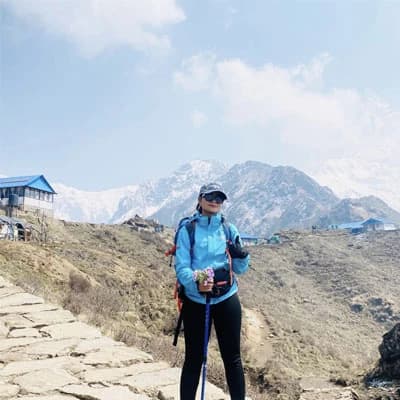
For many, trekking poles for Everest Base Camp serve as an essential accompaniment for experienced hikers. Quality poles reduce knee pressure, especially when descending steeply from high passes. They are of the greatest help to beginners who find it hard to maintain their balance on slippery rocks and crossing rivers. Adjustable ones are best, with good grips so that your palms never ache. Carbon fiber poles would be lighter but cost more than aluminum ones. Most trekkers swear their poles saved them at least once during a difficult ascent. You may also rent or buy trekking poles in Kathmandu before starting your trek.
Hydration and Water Safety Systems
Water must be safe to drink for anyone truly concerned with health before the trek to Everest Base Camp. Bring along two bottles: a normal one and an insulated one for hot drinks, which is highly recommended. Whereas plastic water bottles weigh little, steel bottles do more for them in weight. Tablets or drops can be deployed to kill diseases in local ponds so that water can be drunk. Some other ways of purifying include water purification tablets, water filters, and UV sterilizers. Bottled water is too expensive on the trails and is a big contributor to plastic waste. Most tea houses will offer boiled water for free, but if you want to keep your options open, go on and carry your own purifying mechanism. Managing hydration costs makes staying within budget for the trek to Everest Base Camp possible without compromising on health.
Rain gear
For the actual trek toward Everest Base Camp, raincoats protect you against rain and wind during severe weather conditions. Select breathable materials so there is no overheating and, therefore, sweat formation under the jacket. The hood has to fit snugly on your head and stay there even under heavy winds. The rain cover for the pack will keep the gear dry while raining hard. Some packs come with built-in rain covers, but you can always purchase a few separately. Place delicate items such as clothes and electronic equipment in waterproof stuff sacks within your pack. The secret of comfort and health in the trekking weather conditions of the monsoon is to have good rain protection.
Footwear and hiking boots
Footwear is the starting point of your entire march up to EBC. Your feet will lead you between rock paths, across rivers, along icy ways, day by day. The incorrect hiking footwear will bring about painful blisters, sprained ankles, or, later in the day, frostbite. The right footwear is very crucial for mountain trekking one day because your feet get beaten all day. The hiking boot should protect your feet against sharp rocks and give some ankle support on uneven terrain. It should keep your feet warm and dry when the weather is against you. Walking is trekking, but trekking is not just walking; it is walking with a heavy pack over rough terrain for 6 to 8 hours a day. For longer journeys, for instance, theJiri to Everest Base Camp Trek, then boots become a definite need for comfort and prevention of injuries during the extended journey.
Waterproof hiking boots: The major trekking boots of the entire journey are waterproof hiking boots that offer ankle support, traction, and protection from rocks and debris. Choose boots already broken in before going on the trek to prevent blisters. Either leather or synthetic will be perfectly fine, just make sure they are waterproof and breathable. Hiking boots should fit tightly but with enough space for thick socks and minor swelling, which might take place after long days of trekking.
Sports shoes/lightweight sneakers: These sports shoes or lightweight sneakers act to give the feet some relief from the heavy-duty hiking boots once you get to the tea house. These shoes should be easy for the wearer to slip in and out of, comfortable enough to walk around villages like Namche Bazaar, and quick-drying should the shoes get wet. Running shoes or approach shoes will work well, and they won't add any significant load to your backpack.
Flip-flops or sandals: A pair of sandals or slippers is a must during shower times or even just for walking in the evening tea houses. They are protective, shielding one's feet from dirty floors, and thus, at the same time, they give freedom to your toes after being cramped in hiking boots all day. So, choose strong and durable sandals that are difficult to break because replacements are difficult to find in the mountains. Waterproof sandals are better than flip-flops as they tend to stay on our feet better and thus provide a little more protection.
Travel Documents and Permits
Travel documents and permits stand as the legal key to the Everest region. Without these, entrance into Nepal and permits to trek in the Khumbu Region are impossible.
Passport and Visa
A passport must be valid for a minimum of six months after the start date of travel. A Nepal visa is available upon arrival at the Kathmandu Tribhuvan International Airport, or you can arrange it in advance; bring copies of your passport and upload a copy online. The cost of visas will vary according to the nationality and period of stay. You should carry a waterproof document holder to store your passport to avoid getting it wet or soaked in rain and wetness during the trek.
Travel Insurance
Travel insurance is mandatory for trekking through altitudes up to 6,000 meters. The insurance shall cover emergency evacuation and helicopter rescue, which could well amount to USD 10,000 or more in the Himalayas. Medical treatments for altitude sickness and accident cases are also essential. Check whether your insurance policy is valid for adventure activities and mountaineering. Some insurers exclude any high-altitude activities; do read the fine print very carefully if you do consider purchasing a policy.
Permits
All trekkers in the Everest region must have a Khumbu Pasang Lhamu Rural Municipality Permit and a Sagarmatha National Park permit. The requests for these permits may be received in Kathmandu or Lukla, via registered trekking agencies. Permit fees vary depending on nationality and the route, between USD 30 and 50. There are numerous checkpoints where the permits will be checked all along the trek, so carry them with you at all times.
Passport Size Photos
Carry between four and six passport photographs for permit applications and emergencies. Photography is required for trekking permits and visa applications. It is also good to carry extra copies if you have to apply for other permits, SIM cards, or check into hotels. The photos have to be recent, clear photographs matching the specifications from the Government of Nepal. If you only carry digital copies on your phone, remember that you can always get them printed in Kathmandu later, but the hard copies are much more reliable in mountain areas and remote areas.
Variations of Bags to carry for the EBC Hike
Choosing the bags for your base camp trek makes the entire trip comfortable or frustrating. Proper bags allow you to organize storage, keep gear safe from the weather, and allow much-needed access to essentials in the hottest hour of need. You will not be shouldering everything on your back because of the porter system in Nepal, but if the bag combinations are right, your gear will remain in an organized fashion and protected.
Duffle Bag
Duffel bags hold the bulk of your trekking gear. Porters carry these while you walk with only a day pack. Their main qualities should be their ability to withstand rough treatment, water repellency to prevent your gear from getting wet due to rain and snow, and an appropriate size in order not to exceed porter weight restrictions. Most trekking agencies recommend 60-80 liter duffel bags while weighing as little as possible, not exceeding 15 kg when packed. Wheeled duffle bags come in very handy during airport travels, but give a good amount of weight to porters. Waterproof zippers and handles reinforced all around at the mountain height are features not to miss.
Day Backpack
Daypacks are your traveling companion every day, carrying water, snacks, extra layers, or camera equipment. A daypack should be at a comfortable level of support suitable for all-day use. That is padded shoulders and back support. Storage of around 20-30 liters is just perfect and handy for a day of hiking without unnecessary weight. There is protection in the form of waterproofing and rain covers in case of a change in weather that may ruin your electronics and spare clothes. Several compartments assist you in arranging your sunglasses, first aid items, and snacks in an easy-to-access system. Its hydration bladder-compatible design facilitates the consumption of water on longer trekking days.
Waist Bag or Fanny Bagpack
Waist bags allow quick access to small things needed without having to remove the daypack. You may throw your passport, permits, money, and phone into a fanny pack for easy reach at all times. When doing active trekking, waterproof waist bags would save such valuable documents from moisture and sweat. The anti-theft properties, like secluded zippers and security buckles, ensure that valuables are not exploited in places that are full of people, like Namche Bazaar. The fanny packs are lightweight, making sure they do not hinder your trekking motion. Adjustable straps fit over layers from base layers to winter jackets.
Toiletries and Personal Items
Personal Hygiene is quite tricky because of the limited amenities present at Everest Base Camp and also because of the low temperatures. The appropriate toiletries serve to keep you good and healthy throughout the entire duration of trekking and climbing. Tea houses provide basic washing facilities, but hot water is costly and sometimes not even available.
- Tooth brush and toothpaste: Travel-size toothpaste and a small toothbrush to keep the mouth hygienic every day. Fluoride toothpaste protects from dental issues on long treks.
- Deodorant: An aluminum-free deodorant that prevents odor from developing during any form of physical exertion. This stick-type deodorant is more convenient to use on a trek than the spray type.
- Toilet paper: Biodegradable toilet paper is ideal for use in these mountains from an ecological perspective. Pack it in waterproof bags to protect against moisture.
- Biodegradable soap: multi-purpose soap used in washing the body, the hair, and the clothes. It contains a natural, environmentally-friendly formulation that protects the mountainous environment against chemical contamination.
- Hand sanitizer: Sanitizer used to eliminate germs by use of alcohol whenever we find no soap and water. The small bottles are convenient to carry along to be used frequently during trekking.
- Microfiber Towel: A highly permeable, small-sized towel dries quickly. It does not acquire bad smells by the end of the multi-day use due to the antibacterial properties.
- UV Protection: High SPF level aids in the protection of the skin against high-altitude UV rays. The formulas are waterproof and safeguard against sweating and dampness.
Sleeping Gears
Sleeping gear is important when going to sleep and practicing recovery during the Everest Base Camp journey. A good night's sleep at altitude helps the body with acclimatization and also with the energy it requires for a heavy trek in the days ahead.
Sleeping Bag
Your sleeping bags are your primary warmth source during cold mountain nights. Down sleeping bags are the best in their warmth-to-weight ratio and packable capacity for trekking. Get bags rated for about -10°C to -15°C so that they can easily handle usual temperatures at high altitudes. Synthetic insulation works when wet but is heavier than down. The mummy shape retains heat better than a rectangular bag. To save space, use compression sacks.
Sleeping Pad
A sleeping pad provides a barrier against the cold ground with the added comfort of cushioning. Inflatable pads are almost synonymous with comfort and almost never pack big but can get punctured on sharp and rough surfaces. Closed-cell foam pads will just take any wrath but are lightweight and offer comfort. An R-value of 4 and beyond will be considered adequate insulation against mountain conditions. Self-inflating pads are a great blend of comfort plus durability.
Pillow
Pillows help to improve sleep quality and neck support during long days of trekking. Inflatable pillows are very compact and allow adjustments in firmness according to individual preference. Compressible pillows filled with synthetic materials better resemble home comfort, but they do take up more space. Spare clothes could fit into a pillowcase and can be used as an improvised pillow.
Liner
A sleeping bag liner adds heat, cleanliness, and comfort to the sleeping system. Silk liners weigh very little and are compact, and they add 5-10°C of warmth to sleeping bags. Merino wool liners keep warmth and resist odors throughout multi-day use. Cotton follows cotton-like comfort but is also true to heavier and slower drying. Liners protect sleeping bags against body oils and dirt, increasing bag life.
Personal Items (Gadgets, Miscellaneous Items)
Chargers qnd Multiplugs
Especially in remote mountainous Himalayan locations, power management is a must, as electric power there is expensive and unreliable. The charging cost is decided by the altitude and the different locations of the tea houses. Nepal uses Type C, Type D, and Type M outlets, so a universal adapter is needed. If one has a multipoint adapter, it allows one to charge several devices simultaneously, thus saving time and money. A compact charger with multiple USB ports is more convenient for charging multiple devices than trying to pack separate chargers for every device.
Locker for Safety
With Sherpas being strongly cultural and community-oriented, theft rarely occurs in the Everest region. Still, securing your valuables would not be a bad idea. Small-sized luggage padlocks are perfect to keep even the zippers of backpacks and duffel bags secure while in transit, as well as in storage. A combination lock gets around the problem of losing keys on treks in remote areas. Waterproof document holders with security features protect passports, permits, and cash from theft and weather damage
Powerbank and Extra Batteries
Battery life drops drastically in cold temperatures, sometimes by 50% or worse at high altitudes. Higher-capacity power banks (20,000+ mAh) have multiple charges for smartphones and GPS devices. Solar power banks present a renewable method to recharge with sunny skies, but are unsuitable for cloudy days. Backup batteries on headlamps, cameras, and GPS equipment can avoid last-minute loose equipment failures. When the weather is extremely cold, insulating stuff for battery storage helps maintain battery performance.
Cameras and GoPro
Photography is one major reason people trek in theideal seasons, making camera equipment an essential item for most trekkers. DSLR cameras give the best quality, but for a trek such as this, DSLRs are heavy and bulky. Mirrorless cameras provide good quality and are lightweight as well. GoPros are ideal for action shots in harsh weather due to their waterproof nature and rugged build. Additional memory cards and batteries are a must, as one cannot get a replacement in these remote lands.
First Aid and Medical Supplies
- Altitude sickness medication: Diamox (acetazolamide) is a preventive and curative medication for altitude sickness. It decreases the altitude-induced change in headaches and inflammation.
- Pain relief medications: Ibuprofen and paracetamol could be administered in the case of a headache, muscle ache, and fever. Anti-inflammatory activity eases joint pain arising from trekking.
- Digestive medications: Imodium cures diarrhea that can dehydrate the trekkers. Rehydration salts restore the electrolytes that are lost through illness. Probiotics help maintain the digestive system during a dietary shift.
- Blister treatment: Moleskine and blister plasters keep the hot spots from becoming painful blisters. An open wound cannot be infected with antiseptic cream.
- First aid for wounds: Band-aids, gauze, and medical tape to treat cuts and scrapes. Antiseptic wipes also perform an adequate cleansing of the wound in cases where water is absent.
- Prescription medications: A personal stock of medications in case the trek stretches for longer. Lists of such medications will also aid medical professionals in case an emergency arises.
- Eye and nose treatment: Drops are wonderful for dust irritation of the eyes, whereas a nasal decongestant may be employed when one has breathing problems at a higher altitude.
- Emergency medicines: Carry medicines for emergency cases, like a severe allergic reaction if anyone has allergic reactions or other medical conditions.
- A thermometer and scissors: A Thermometer is recommended to be digital with the ability to track a fever; small scissors are good to cut tapes and bandages.
Tips for packing light and smart
- Use compression sacks to carry clothes and a sleeping bag. These carry-on bags help you push the air out, and hence your soft items fit in appropriately and offer you more space in your pack.
- Place the heavy things behind you, some on one side and some on the other side, and some in the centre. In this way, your backpack will not be heavier, and you will feel more balanced when you walk long distances on the trek.
- Put the things that you use regularly in the front pocket of your pack. Be sure to take whatever you might require at a moment's notice with you, snacks, water, sunscreen, and your camera in another pocket without having to take off the main pack.
- Rather than taking big jackets along, simply wear several layers of clothes. They will keep you warm regardless of whether the weather is fair or not, since they are designed in a layered structure to ensure the climatic conditions do not affect you.
- Take items of clothing that dry fast and can be worn in various situations. For instance, pants that can be turned into shorts are useful, as are teahouses, and appropriate shirts for hiking.
- Limit your trekking outfits to two or three and have just one set of warmer clothes for evenings. You can clean small things from your pack as you go, and everyone else on the route deals with the same.
- Check that all your items are in your backpack before heading out. Remove all your things and pack them again until you get a setup that saves weight and is easiest to handle.
- Figure out the difference between what you have to have and what you want. Each extra thing you bring will make carrying a heavy load that much more difficult.
How to Cost-Effectively Save on Everest Base Camp Gear?
Work with Established Mountain Operators
Collaborating with established trekking operators like Destination Himalaya Trek significantly reduces equipment expenses. These companies will give you a free daypack and duffel bag for trekking, a sleeping bag for Everest Base Camp, a t-shirt, and protective hats. So, buying these items is out of the question, so your Everest Base Camp packing list sees a massive cut in your expense account! Established operators have strong relations with local gear shops to get discounts on other trekking gear for EBC, thus not incurring unnecessary purchases.
Choose Rental Options over Purchasing
Hiking equipment rented for the Everest trek is more economical than purchasing huge amounts. Major rental items include down jackets, sleeping bags for Everest Base Camp, trekking boots, and footwear for the Himalayas, plus backpacks. Destination Himalaya Treks will link you to the finest rental shops in Kathmandu to ensure good equipment. Using rental equipment for intensive maintenance and field-testing from hundreds of other trekkers before you ensures that you get a reliable kit.
Support Local Nepalese Manufacturers
These Nepalese local brands offer Everest Base Camp trekking equipment of tremendous quality at prices much lower than the foreign brands. The manufacturers understand the special mountain conditions in Nepal. The gear is, therefore, tested by the local climbers. This way, buying local supports Nepal as an economy, while also avoiding international shipping costs in your Everest Base Camp trek preparation. These local brand stores are concentrated in Thamel, Kathmandu, where most trekkers get their Nepal trekking packing list items and altitude trekking accessories.
Coordinate Group Equipment Sharing
By sharing corrective equipment within your trekking group, you can gain significant cost savings. An Everest trek first aid kit, repair tools, maps, and guidebooks should ideally be shared between two and three trekkers. Highly costly and very specialized equipment can be rented together with other group members, with the cost split equally: this includes items like portable oxygen meters or satellite phones. All issues related to sharing should be resolved thoroughly before departure, including which person is going to be carrying the items during the whole duration of your Everest Base Camp Short Trek.
Follow the ABCDE process for Ease and Comfort
Are you familiar with the ABCDE packing checklist for Everest Base Camp? This is an established method to ensure complete comfort and efficiency while trekking to Everest Base Camp. Let's explore each letter to show how it can make the entire preparation experience for your Everest Base Camp trek!
A: Accessibility
Essential items that need to be accessed often need to be at the top of the pack. Stuff like sunscreen, waterproof jacket and pants for Everest Base, fleece jackets, medicines, and other essentials for trekking to Everest Base Camp should be readily available. Position these critical items where you can grab them out undisturbed for not more than a minute without having to search through your whole daypack. What to pack for Everest Base Camp trek should ensure easy access to commonly used gear such as sun protective gear for Everest, gloves and hats for the cold, and emergency equipment throughout the mountain adventure.
B: Balanced
The trekking gear for Everest Base Camp should be balanced with the center of gravity placed adjacent to the lower back. This distribution enables one to be carried easily as the weight is transferred to the hips, thus lessening strain on the back and shoulders. An unbalanced arrangement hurts the shoulders and pulls the weight backward, thus bringing discomfort during the Everest Base Camp trek and the potential of causing shoulder and back pain. Balancing is key in lightweight gear for Everest trek efficiency and is the easiest way to bear the load during long trekking days ahead in rocky mountain terrain.
C: Compressed
Your high-altitude trekking layering clothes must be compressed during packing for better space utilization. Unnecessary air means less space for essential clothing for Everest Base Camp. The uncompressed clothes take up too much room, keeping everything else from fitting properly in the daypack and duffel bag for trekking. Besides, the bag ends up in an unbalanced state once packing is complete. Compress thermal wear for Everest Base Camp, sleeping bags, and other bulky items to efficiently organize your Nepal trekking packing list.
D: Dry
Never place bottles of water or any other liquids directly into your backpack among other clothes and things during the trek. Keep the wet and dry stuff separated by using waterproof dry bags. Small things like wet wipes, when squashed within a bag, may be enough to soak everything in it. So, make sure there is no contact between dry and wet items. Protect bags for Everest Base Camp throughout mountain adventures by using rain cover systems and waterproof storage.
E: Everything Inside
Make sure that everything you have is within the bag. There are times when trekkers leave towels or hiking socks, T-shirts or trekking pants outside their backpacks to dry. It doesn't look very professional, and the gear may hang on to tree branches or get blown away by strong mountain winds. Maintain your Everest Base Camp travel essentials within the pack through internal organizing systems so that no important gear slips through during the trek to Everest Base Camp.
Conclusion
With more than two decades of Himalayan adventure experience, we realize that packing right forms the very basis of conquering the base camp. Proper gear and equipment can be a cherry on the cake or simply a hurdle to bearing the challenges of altitude with high spirits on an amazing EBC journey. This packing list leaves no stone unturned to prepare you for freezing temperatures at high altitudes and unpredictable weather in the Khumbu region.
Destination Himalaya Treks and Expedition intends that the Everest Base Camp trip for you flows smoothly and is memorable. We provide free gear for most items, helping you save some money on quality equipment for your mountain journey. Our team can also guide you to the best gear shops in Kathmandu, where you can purchase budget-friendly but good-quality equipment for trekking in the Everest region.
Being Everest region experts, we offer all-embracing assistance for any adventure from conception to realization. We include gear support in our services so you do not have to overpack or worry about carrying heavy kits from your home country. Do not hesitate to call us on WhatsApp or Viber at +977 9851016814 or send us an email to [email protected] at any time of the day or night with your problems and issues, and we will do our utmost to help and assist you.
FAQs
What is the weight limit for the Everest flight?
Domestic flights to Lukla have a strict 15 kg weight limit for checked baggage and 5 kg for carry-on. Excess baggage weighs in at around USD 1 to 2per kilogram. Small aircraft are used for the Lukla flights.
How to manage bads and belongings?
Follow the ABCDE rule, pack carefully and remember to keep your trek essentials in your daypack with non-essentials in the duffel. The porters carry the duffel, while you carry your daily essentials. Get waterproof bags, in case of electronics and valuable papers. Items that you do not require can be left in the hotels of Kathmandu to be picked up after the trek. You should sort your gear according to the frequency of usage; what you need to use every day should be put in the daypack, and everything you need to use in the evening should be placed in the duffel bag which also needs to be accessible easily.
How much do the porters carry?
Porters carry 30-35 kg on average, depending on the weight of their personal belongings. Your duffel must not cross a weight of 15 kg, considering the porter's equipment, food, and water fill the remaining part. Excessive baggage can lead to extra charges or the need to bring another porter on board.
Where can I buy or rent gear?
In Kathmandu, there are numerous trekking shops in the Thamel area selling both genuine and copy gear. Namche Bazaar offers basic gear but at a limited selection and higher prices. Rental shops in Kathmandu, on the other hand, offer quality gear for a decent rate. International brands are available but at a higher price scale.