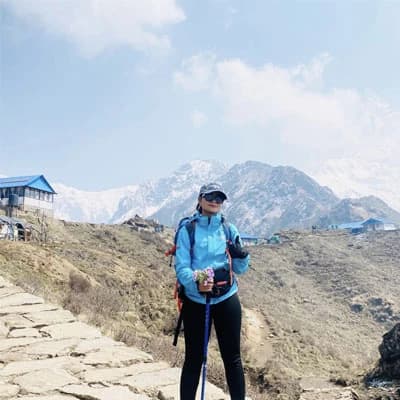
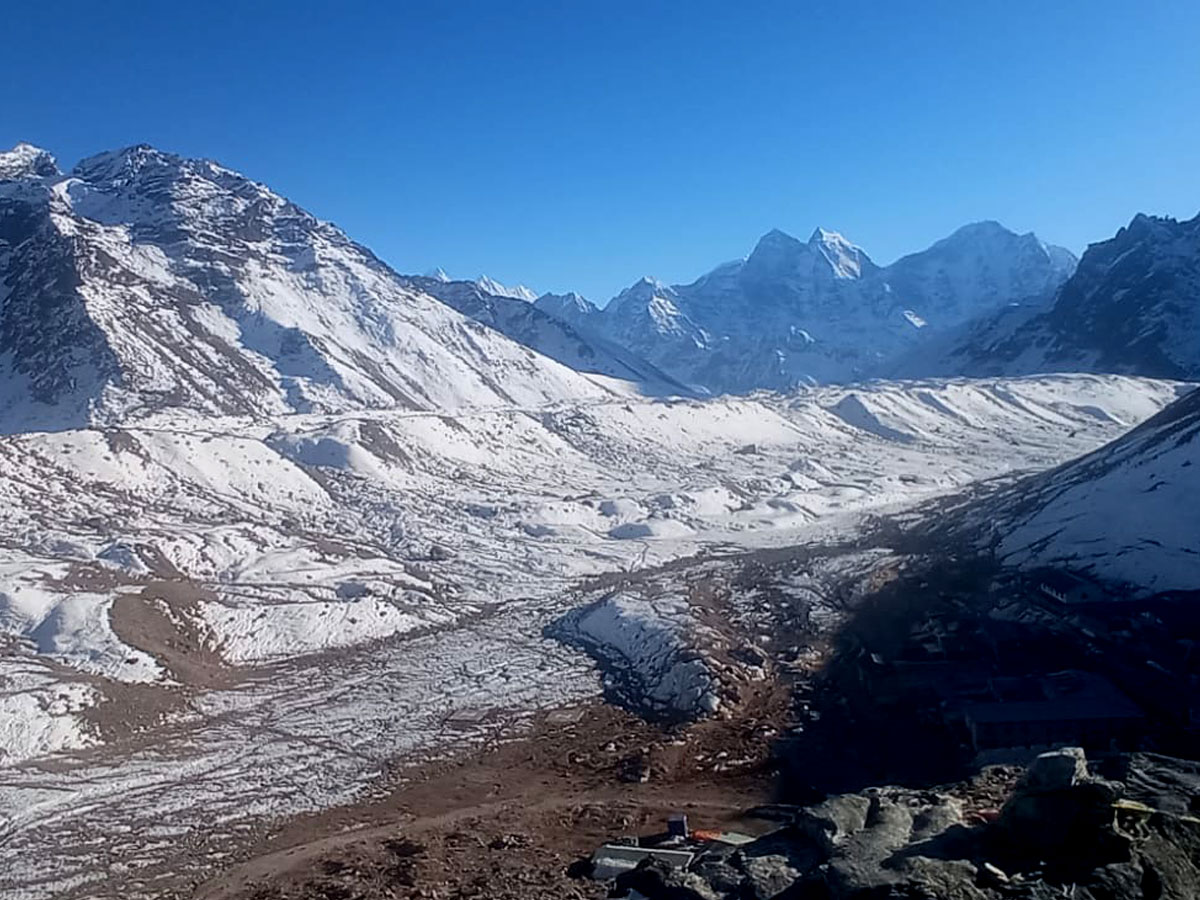
Sometimes, when I close my eyes and dream about leaving the 9 to 5 job behind, and the busy world, I crave to wander around the mountains, where my soul thrives, my childhoodness tingles, and the adrenaline energy boosts up, and you know what comes to my mind, heading to the Himalayas, where the landscapes, monasteries amd the cultures of the diverse communities, thrives in full mode. Known as one of the top 3 himalayan treks in the world, the iconic Everest Base Camp (EBC) Trek is a one-of-a-kind adventure, leading you to the foothill of the world's tallest mountain, Mount Everest (8848.88 m), where some of the legendary peaks, surrounds the trailhead, in every glance you take, thus, it is not only mine, however, every enthusiastic hikers manifestation, to atleast visit the lap, once.
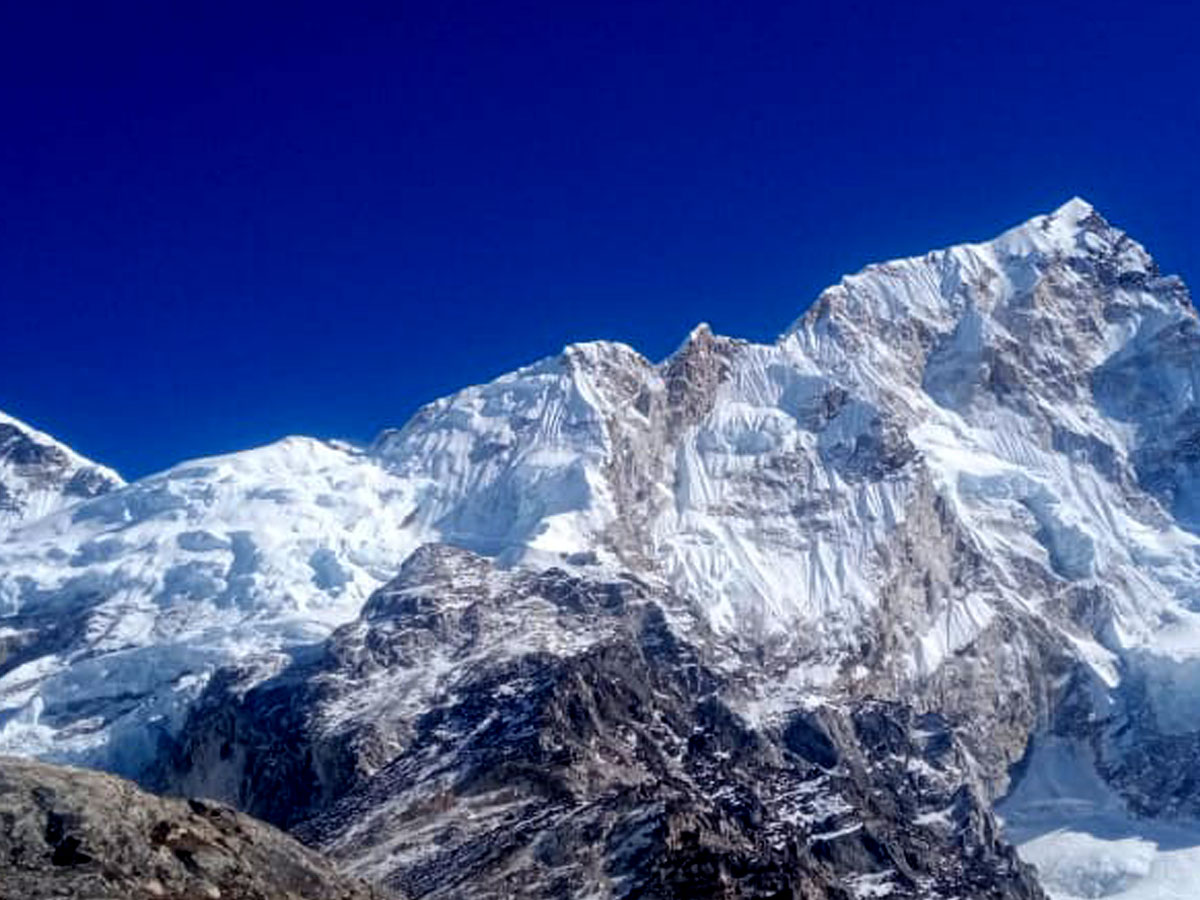
The Everest Base Camp stands out as the best himalayan odyssey that anyone could undertake. In fact, when it comes to trekking in Nepal, the first thing that comes to mind is this adventure; it is like a synonym for mountain treks, where the towering peaks, such as Nuptse, Lhotse, Ama Dablam, Tharmseku, Makalu, and including Mt. Everest, accompany you in each stride. Right from the very start, this trip wanders through the UNESCO-listed world heritage territory, the Sagarmatha National Park, where the trails are thronged with blooming rhododendrons, pines, and landscapes, making the trip truly intriguing. It attains the highest elevation of 5,455 meters at Kala Patthar.
Throughout the journey, the trail leads you through Sherpa settlements, woodlands (a forested route), with cascading waterfalls, river streams, and lush green valleys, and crosses several long suspension bridges, including the Edmund Hillary Suspension Bridge, one of the longest in the world. Then, as you ascend higher, the terrain transforms to rugged, steep, and rocky pathways, and finally to the alpine valleys, and then, the destination concludes at the almighty EBC. The trek goes by the tea house basis, run by the Sherpa locals themselves, where you can experience their distinct lifestyle, cultures, traditions, and unique festival celebrations, making the whole trip a whole lotta adventure, rather than just attaining the destination.
If you are planning a gateway to the Himalayas for 8 to 14 days or more than that, then trekking to Everest Base Camp is a must-do adventure and no. 1 choice. In this complete Everest Base Camp Trek guide, it comprehensively entails route navigation, logistics, costing, preparation tips, safety guidelines, elevation gain, distance coverage, and all in all,, every essential, to help you prepare accordingly.
What is it like trekking in the Everest Region? What makes it a one-of-a-kind adventure?
Amongst all, the Everest region treks are the most intriguing adventure, which anyone can venture out, and is a perfect fusion of rich cultural encounters, diverse routes navigation, modern blend of the luxury amenities, along with the ancient Sherpa tea houses, from short to longer duration trekking trails, making it the number 1 choice of everyone, as it caters the choice and preferences of every hikers. Every second, every day, comes with great surprises, and unexpected encounters of the himalayan flora and fauna, leaving you in a complete thrill and awe, and most of all, the transition of the terrains, every day, is some kind of a Christmas gift, sent by Santa Lo, not exaggerating.
If you search, you will find almost 20 different variations of just the Everest Base Camp Trip packages, and the diversity of the combinations, to combine with this popular trail of EBC, and the other beginner, family-friendly, and challenging adventures within the Everest region. The region itself is also known as the Khumbu region, so do not get confused, either you call it Khumbu or everest it stands the same. Some people even love to head for a short adventure, within this trail, such as the Everest View Trek, the hike to the six series of Gokyo lakes, or even explore the lower terrains of the Khumbu region, by just attaining the Pikey Peak View Point, one of the most loved Everest view points, by the beginners, or those, having a limited timeframe.
In this article, I will try to cover, every bit of the Everest Base Camp adventure, along with other routes, that sits within this territory, with an insights, so that, you know, what to choose, the routes to venture out, and even alternatives that can fit in with your budget and time, with other variation of options as well.
What is Everest Base Camp?
The almighty, Everest Base Camp, also known as EBC, in a short form, is an ultimate goal of the hikers, who can get closure to the world's tallest peak, Mt Everest, without acquiring any climbing permits, which showcases the view of the Khumbu glacier, and the peaks of Nuptse and Lhotse, brick-like walls. Even though it is the main destination of this trip, the sunrise panoramic insights of Mount Everest, and other surrounding mountains such as Makalu, Cho Oyu, Tharmseku, and the sparkling glance of Khumbu glacier, can be seen, bestly, from the highest elevation of the Everest Base Camp Trek, which marks the Kala Patthar (5545 meters). It remains an optional choice for hikers whether to proceed to the climb to Kala Patthar or just get to base camp, depending on one's fitness level, as reaching the highest altitude is the most strenuous and challenging section of this trek.
Historically, it was established in the 1950s, where the trailhead, a basic rock pile of EBC, was turned into the tourism hub, with developed infrastructure, lodges, and the routes, are facilitated with bakeris, permanent hubs, residents, monasteries, museums, and health post, where every year, almost 50,000 hikers come across the globe, just to get to the base camp. There are two base camps, one, marks to be North Base Camp, located in Tibet, China, which is accessed by the Tibetan side, and directly accessible by jeep or car ride, whereas, another famous one, resides, in Nepal, the trekking trail navigational route, to attain, the lap, of the iconic peak, which is the main base camp. However, it still depends on the people's choice to choose one of the options, depending on accessibility and preferences. Meanwhile, the most visited trail stands out as Nepal's side, considering its unique features, thrilling journey, and the distinct routes, which suit every kind.
The route to Everest Base Camp starts and ends with a nail-biting Lukla Flight, which lasts around 35 minutes, then, the trailhead, proceeds through the key stopping points of Phakding, Namche Bazaar, Tengoche Monastery, Pangboche, Thukla Pass, Dingboche, Lobuche, Gorakshep, and many other sherpa settlements in between, then, reaches EBC, and the highest at Kala Patthar, finally. The journey entails most boisterous experiences, with the view of the sparkling glaciers, rivers, cascading waterfalls, and wildlife encounters with rare species, such as himalayan tahr, musk deer, wild bears, and even snow leopards at the high elevation and passes through the famous culturally rich monasteries of Pangboche, Khumjung, Tengoche, and small memorial spots, dedicated to the late summitters.
Top Everest Base Camp Attractions: 10 Highlights that Draw Everyone's Attention
Sagarmatha National Park: Wander around the UNESCO-enslisted territory, where the rich himalayan flora and fauna reside, surrounded by the high towering mountains, distinct landscapes, unchanged cultures of the Sherpa communities and more.
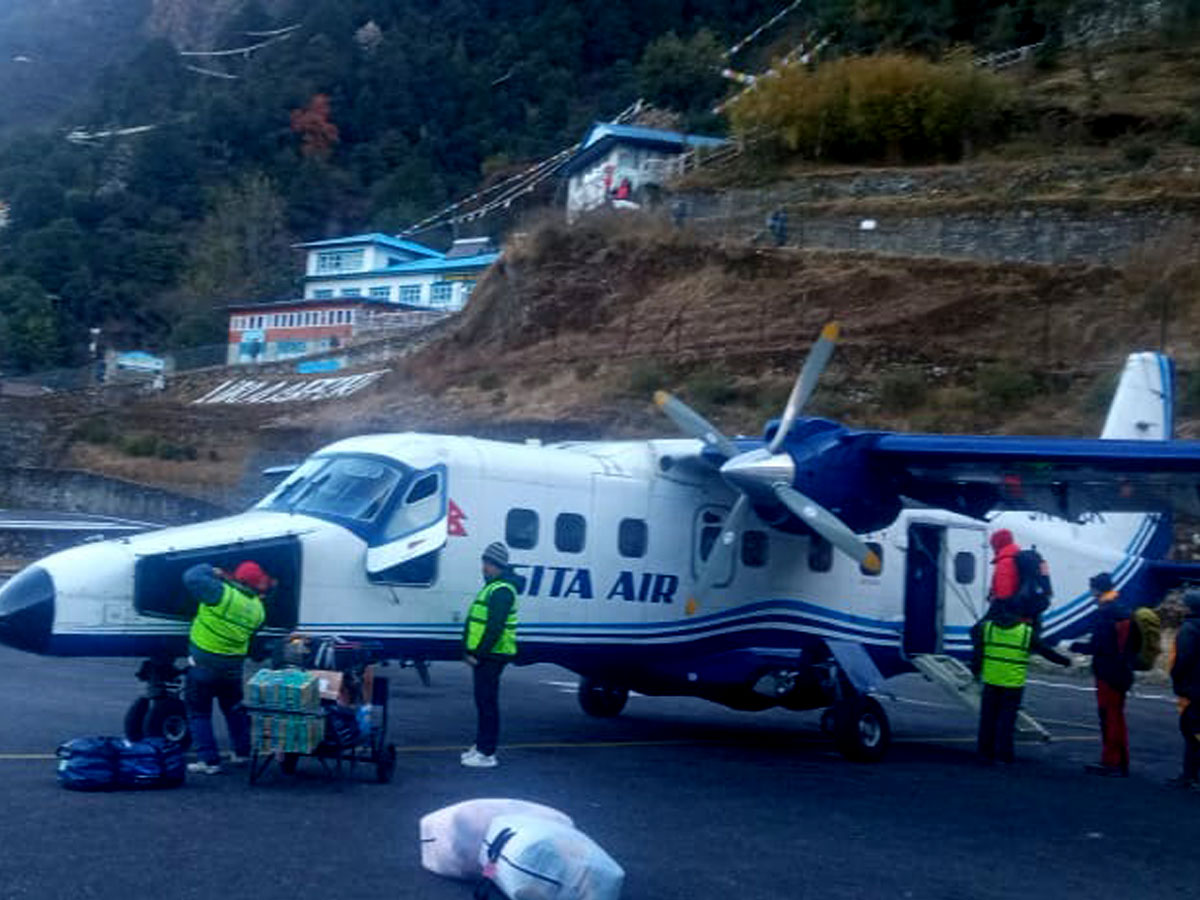
Lukla Airport: Known as Tenzing-Hillary Airport, named after the first ascenders, experience the thrilling, nail-biting aerial view flight to Lukla - from where the trip starts and concludes. Lasting less than 40 minutes of navigation, it showcases the transformation of the lush green valley to more of a rugged and rocked patterned terrains, and the massive himalayan range from the very top.
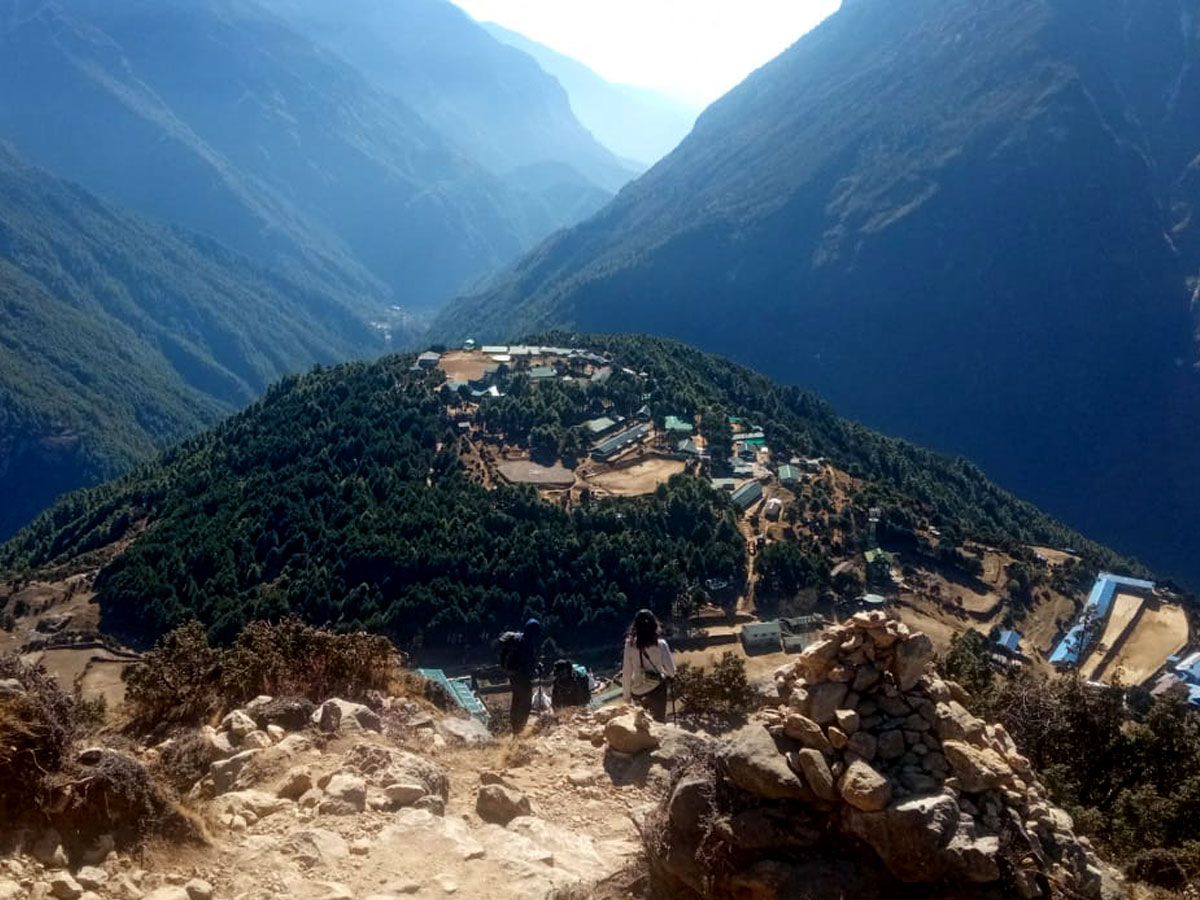
Namche Bazaar: Spend a luxury and cultural acclimatisation, side hike trip, at Namche, towards Khumjung Monastery, where the iconic head of the yeti skull is preserved and savour in the breakfast, from the terrace of the world's highest situated 5-star hotel of Everest View.
Exciting Navigations: Explore thrilling high suspension bridges, waterfalls, river streams, and woodlands surrounded by the thriving rhododendron forest, pines, orchids, and deep gorges, roaring rivers, along the famous Dudh Koshi valley.
Cultures and Traditions: Experience the daily lifestyle of the distinct communities, such as Rai, Sherpa, and Lama, mostly Sherpa traditions, savouring local foods, meals, warm hospitality, and even take time to interact with them, hearing mythological stories.
Nangkartshang Peak: Reach the tip of the peak of Nangkartshang at 5100 meters, while acclimatising at Dingboche, where the top unravels, the iconic panorama of several mountains, such as Tabuche, Makalu, Tharmseku, Cholatse, and many other mountains, surrounds us closely.
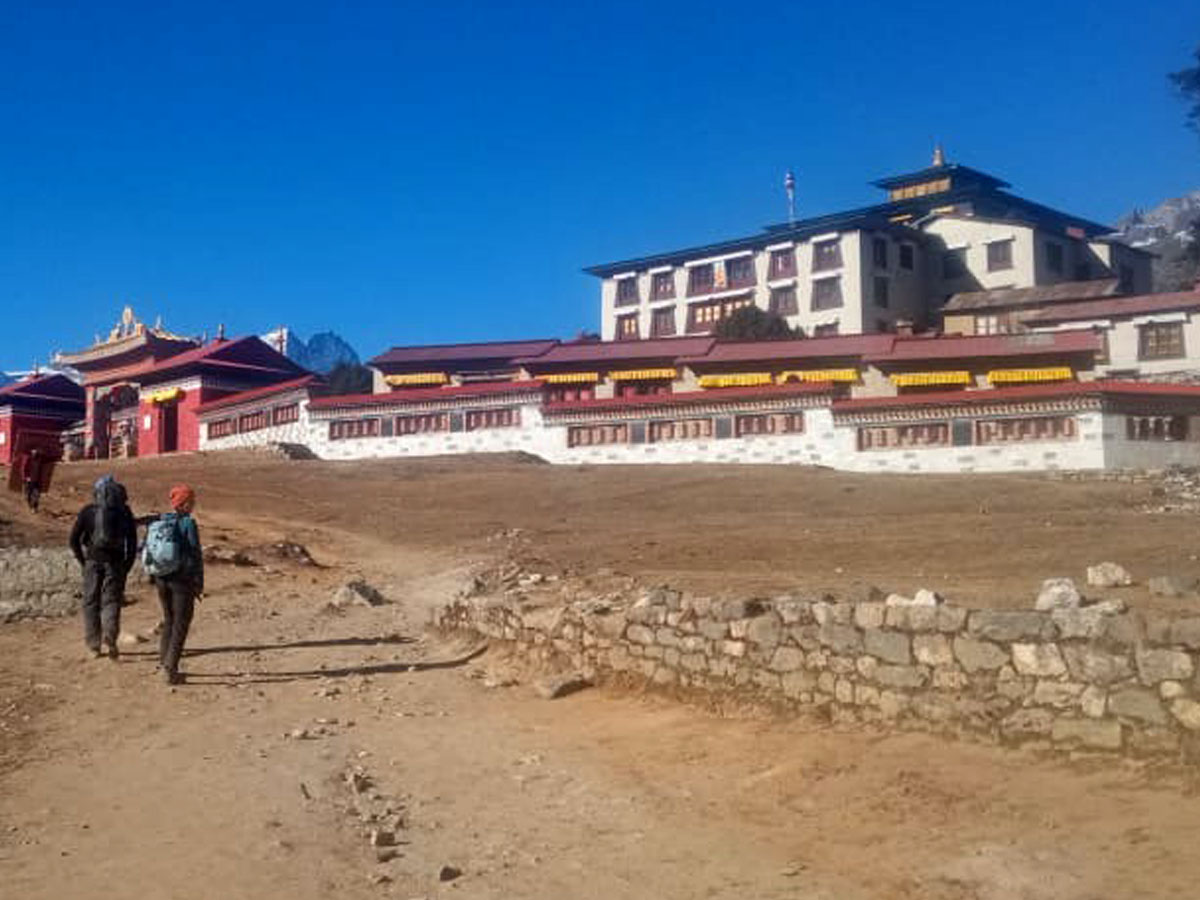
Tengboche Monastery:Visit the monastery of Tengboche, within the Khumbu region, which is also marked as the best iconic Everest viewpoint, that showcases the massive view of the himalayan peaks, and the Dudh Koshi river underneath, the mountains flowing beautifully.
Sunrise view at Kala Patthar: Unravel the 360-degree panorama view of some of the iconic peaks, such as Lotshe, Nuptshe, Ama Dablam, Tharmseku, and Mount Everest itself, that seem surreal under the golden hues of the sunrise.
Everest Base Camp (5364 m): Attain the lap of the world's highest peak - Mount Everest, inspiring the sparkling Khumnu glacier, in each gaze you take.
How long does it take to complete the Everest Base Camp Trek?
The total distance to Everest Base Camp takes approximately 12 to 14 days, with a safe navigational route and gradual ascent, starting and ending with regular flights from Lukla. The major factors that highly influence the total distance coverage are the starting and ending trailheads, minimum distance hiking trail optimisation, and acclimatisation (rest days), weather, one's fitness level, and, most importantly, considering it as the most visited trekking trail due to traffic air congestion, the total distance of the trek varies. However, the total trekking distance is 130 km round-trip, if concluded with Lukla Flight and retracement of the same pathway to get to the Lukla-Tenzing Hillary Airport, as many people, especially those having a limited timeframe, or beginners and the hassle of avoiding an extra 4-5 days, at the region itself, opt for the helicopter return trip, after getting to the Kala Patthar or EBC itself.
Well, besides, some other possible ways to get to the starting point - Lukla, from the classic Jiri route or Salleri, following the roadway navigation, also influence the overall duration of the trip, which stretches the overall trek to be almost 18 to 19 days.
Standard Everest Base Camp (EBC) Trek Itinerary for 2026
Here is a quick outline of the standard Everest Base Camp Trekking itinerary, suggested for 2026 and 2027 hikers, followed by a gradual pace, and two acclimatisation days, that starts and ends at Kathmandu to and from Lukla, excluding arrival and departures date.
Day 1: Fly to Lukla from Kathmandu, and Hike to Phakding
Elevation: 2612 meters
Distance Coverage: 35 Minutes Flight, 9 Km (6. 2 Miles)
Hiking Hours: 3 hours
Navigation Difficulty: Easy
Day 2: Trek from Phakding to Namche Bazaar, the capital or trading hub of the Khumbu region
Elevation: 3440 meters
Distance Coverage: 10.6 km (7 miles)
Walking Trail: 5-6 Hours
Navigation difficulty: Moderate
Day 3: Acclimatisation Day, Optional Side Trips to Everest View Hotel or Khumjung Village - Monastery
Elevation: 3880 meters
Distance: 5 km (3.6 miles)
Walking Trail: 4-5 hours Round Trip
Difficulty Level: Moderately Easy
Day 4: Trek from Namche Bazaar to Tengboche Monastery
Elevation: 3880 m
Distance: 9.6 km (6. 8 miles)
Trail Navigation: 6-7 hrs
Moderate
Day 5: Trek from Tengoche to Dingboche
Elevation: 4220 m
Distance: 8.5 km (5.8 miles)
Trail Navigation: 06 hours
Difficulty: Relatively strenuous (change in terrains to more rugged and rocky sections)
Day 6: Acclimatisation - Rest at Dingboche, and Climb to Nangkartshang Peak
Elevation: 5100 m
Distance: 4.8 km (3.2 miles)
Hours: 3-4 hrs
Moderate Hike
Day 7: Dingboche to Lobuche
Elevation: 4970 meters
Distance: 9 km (5.9 miles)
Walking Trail: 6-7 hrs
Difficulty: Moderately Challenging
Day 8: Lobuche to Gorakshep, Hike to Everest Base Camp
Elevation: 5367 meters
Distance coverage: 11.8 km (7.2 miles)
Walking Trail: 7/8 hrs
Difficulty: Moderate
Day 9: Hike to Kala Patthar (the highest elevation), and descend to Pheriche
Elevation: 5545 meters
Distance: 15.6 km (10.8 miles)
Time: 8 hours
Difficulty: Longest and Challenging amongst all
Day 10: Descend to Namche Bazaar
3880 meters, 8 hours, 18.6 km (11 miles)
Day 11: Descend to Lukla Airport
2840 meters, 7/8 hours, 18.6 km (11.2 miles)
Day 12: Fly back to Kathmandu
1360 meters, 35 minutes flight
What are the Ways to Reach Everest Base Camp: Possible Alternative Options
Being one of the iconic and popular himalayan trailheads in the world, there are many ways to get to Everest Base Camp, depending on your time frame, budget, and most importantly, the fitness level, so you can choose any one of them.
Direct flight to Lukla and start the hike to Everest Base Camp (Standard Trail & Popular)
The Lukla Flight is marked as one of the most popular ways to begin the adventure, which is budget-friendly, safe, and monitored carefully, the easiest and shortest way to get to the starting point, Lukla Airport. Then, the hike proceeds, passing through several key points such as Phakding, Namche Bazaar, Tengboche, Dingboche, Lobuche, Gorakshep, and a final ascent to the lap of the world's tallest peak, Mount Everest (8848.88 meters), at Everest Base Camp (EBC) within 7-8 days amd a round trip of 12 - 14 days, that includes a return hike to Lukla, following the retracement.
Tenzing Hillary Lukla Airport
The flight to Lukla lasts for 30 to 45 minutes, which showcases the breathtaking panoramic views of the himalayan peaks, from a distinct lens, and is the easiest way to opt for, to get to EBC, and also, a budget-friendly way, considering the helicopter ride, which takes double or triple the cost of the Lukla Flight.
Duration: 12 - 14 Days
Difficulty: can be undertaken by anyone, a moderate adventure, demanding a basic level of fitness
Suggested For: To those hikers who want to explore the standard trailheads, traversing through notable spots, and a safe ascent, with a gradual ascend
Drive to Jiri or Salleri, and proceed on the hike to EBC (Ancient Route)
Drive from Kathmandu - Bhandara (2250 m), via Jiri (1906 m) - Sete (2520 m), Junubesi (2580 m) - Acclimatization Day, hike to Idingma - Nunthala (2400 m) - Bupsa (2360 m) - Chheplung (2600 m) - then joins the EBC Trail from Namche Bazaar via Lukla, Phakding, and follows the standard route to get to EBC
The Everest Base Camp Trek via Jiri is one of the classic and oldest routes to get to Everest Base Camp, avoiding the hassle and thrilling Lukla Flight, and wants to unravel the diverse terrains and lower Khumbu region, followed by the jeep roadway navigation to reach the starting point at Jiri. Compared to the standard trekking trail, this roadway route is a bit more challenging, demanding almost 19 days of hiking in total, which suits only those who have a good amount of time. Even though this trailhead is strenuous, one of the major perks is that it is a more enriching cultural hike, and a more ancient tea house-based trail, offering serenity, while traversing through the lower Solu district, in the very first half. Besides, it also avoids the possible risk of delay of Lukla Flight that even lasts for 3-4 days at peak season time due to air traffic congestion, leading you trailhead, with a comfortable 4WD Jeep Ride.
Duration: 19 Days
Difficulty: Can be challenging for hikers, mentally and physically, as it is more demanding and demands 6-7 hours of navigation before rejoining the route from Lukla
Suggested For: Experienced Hikers, or Beginners with proper physical preparations, a well-set itinerary, and comprehensive packing essentials
Start with Lukla Flight to EBC + Epic Helicopter Exit: Ultimate Time-Saver
Kathmandu - Lukla - Phakding - Namche Bazaar - Tengoche - Dingboche - Lobuche - EBC - and then helicopter fly back to Kathmandu
The Everest Base Camp with Helicopter Return Trek is one of the best ways to reach EBC, which starts with a regular Lukla flight of 35 minutes, and navigates the standard pathways through Phakding, Namche Bazaar, Tengboche, Dingboche, Lobuche, and Gorakshep, with a final climb to EBC and Kala Patthar. However, the one difference is that, rather than following the same retracement pathway, it takes a direct flight to Kathmandu, avoiding the possible delay of the Lukla Flight and also the extra trekking of 4-5 days to get to Lukla.
Duration: 10-11 Days
Difficulty: Relatively Easy to Moderate
Suggested For: Beginners, Hikers limited by time, Family Hiking along with Kids, and Senior Citizens (Suits Everyone)
Direct Helicopter Ride to EBC (1 Day)
Kathmandu - Lukla - Namche Bazaar - Syanboche Hill - Everest View Hotel - Everest Base Camp - Kala Patthar - Kathmandu
The one-day helicopter ride to Everest Base Camp is the fastest and easiest way to get to EBC, within a day, that stops by several key points of Lukla Airport, Namche, Syanboche Hill, Everest View Hotel, and then, attains EBC and then, Kala Patthar.
Duration: 1 Day
Difficulty: Easiest Route
Suggested For: Everyone
How difficult is the Everest Base Camp (EBC) Trek?
The Everest Base Camp Trek difficulty level is marked as one of the moderately challenging adventures in Nepal, which demands a proper level of physical fitness, prior experience, and proper preparedness, for a smooth himalayan trailhead navigation. This hike demands almost 150 kilometers of trekking distance, within 12 to 14 days, with a daily hike of 8 to 12 kilometers per day, and 5-6 hours of walking trailhead, making it a moderately strenuous trek. However, with proper preparation, even those being a beginners, or no matter what age range you are in, it can be smoothly and safely completed. In fact, the first-time hikers, having a basic level of fitness, can undertake this odyssey, but make sure that you are properly trained and carry the gear accordingly, as the trail demands.
The trekking trail navigates through varied kinds of terrains, from forested trails to rugged and rocky pathways, and to the alpine slippery navigation as well, through several ascents and descents, so make sure you are physically fit, to at least undertake the 5-hour hike daily. Besides, what makes this trip to EBC challenging is the unpredictable and unexpected climatic conditions, especially at high elevation, with constant rain showers or snow falls, hence, carry the gears matching all the seasonal variations, and choose the ideal trekking seasons of Spring and Autumn, where the trail remains dry, and has a less likely possibility of the cloud burst.
On the other hand, as it is a high-altitude adventure, reaching the highest elevation (point) at 5545 meters at Kala Patthar, with a daily hike, over the altitude of 3000 meters, following the preventive safety guidelines remains crucial, on the very first hand, considering two acclimatization days, ensures that your body gets adopted to the rising high altitude, avoiding the risk of AMS. If followed the safety measures, even beginners, family hikers along with kids, can undertake the navigation smoothly, it depends on cautiousness, and how your itinerary has been crafted at the same time.
Before opting for this trek, consult with doctors, and keep a track of how well your body has been acting recently, especially, check your heart, lungs, and follow the suggested guidelines of the doctors accordingly. Besides, be physically trained and mentally prepared for any kind of unexpected situations through research and a positive, enthusiastic mindset.
Everest Base Camp Elevation and Altitude Gain: Day-to-Day Basis
The Everest Base Camp (EBC) Trek is a high-altitude adventure that attains the highest elevation of 5545 meters (Kala Patthar), which begins at an elevation of 1360 meters from Kathmandu to Lukla Flight (2840 meters), gaining almost 1500 meters of altitude, which you can feel after landing at Lukla Airport. The first hiking trail starts towards Phakding at 2610 meters, which is the first stopping point within the Khumbu region, entering the forested trailhead.
Afterwards, the trek reaches an elevation of 3440 meters at Namche Bazaar, which is also considered the capital city of this territory, with an elevation gain of 820 meters. On this very key point, at Namche, one acclimatization day must be included, as, on the following days, you ascend above 4000 meters; thus, the acclimatization day with a side trip is crucial. You can choose either of two options, firstly, an ascent to the world's highest situated 5-star hotel - Everest View Hotel, that stands at 3880 meters, or the Khumjung village or Monastery.
This trek navigates from Namche to Tengboche, where it soars at an elevation of 3860 m, that showcases great panoramic vista of several mountains and tranquil surroundings, gaining an altitude of 420 meters, and then attains the height of 4420 meters, at Dingboche. Even though it is not a huge altitude difference, not more than 600 meters, you might feel difficulty in breathing, and a massive drop in temperature to even -8 degrees Celsius at nighttime. So, try to hydrate yourself well and drink hot ginger lemon drinks, or just a tomato, or garlic soups, to stay comfortable and warmed up. Also, another acclimatization (rest day), at Dingboche (4420 meters), as you are just one step closer to the base camp, so including one rest day here is highly suggested, where you can climb to the iconic Nangkartshang Peak at 5100 m, to acclimatize your body.
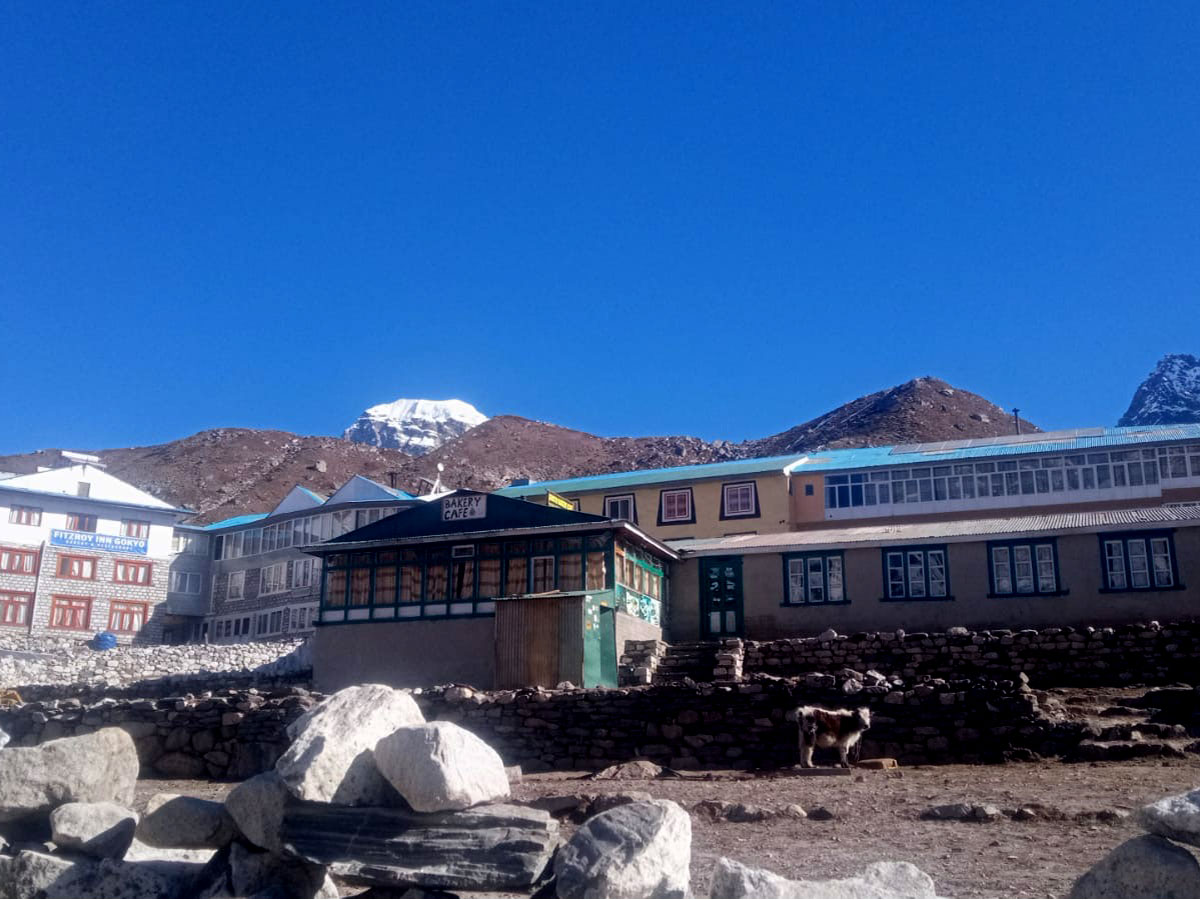
The trek from Dingboche to Lobuche, then, takes you to the height of 4950 meters, with an altitude gain of 550 meters, and then proceeds to Gorakshep at 5180 meters, which is also the last stopping tea house point of the route to EBC. Then, the route finally reaches the main destination of Everest Base Camp, the foothill of the world's tallest peak, Mount Everest (8848.88 meters), and attains the highest altitude at Kala Patthar, at 5545 meters above sea level
After getting to the highest point, this trek then descends to Pangboche (4420 meters) from Gorakshep, losing the elevation of almost 720 m, and then falls to 960 meters at Namche, and finally to Lukla at 580 meters, and then concludes at Kathmandu (1360 meters).
Possible Risk of Altitude Sickness along the trail
As you can see, the trek to Everest Base Camp (EBC) is a full high altitude adventure that undertakes the hike above 3000 meters, and a significant altitude gain per day; there is always some sort of possible risk of altitude sickness. Following the preventive guidelines throughout the journey is crucial, so make sure to stay cautious, ascend slowly and gently, setting the itinerary to match your hiking pace level and experiences to avoid the risk of AMS (Acute Mountain Sickness).
Besides, please take note that hikers need to give acclimatization extra consideration as they lack people within a group, with whom they can identify signs of altitude sickness. When a person accidentally disregards warning symptoms or is in a hurry to reach the Everest base camp, AMS or Acute Mountain Sickness becomes threatening.
The classic guideline for every mountain trekker, no matter whether you are a pro or just a beginner, is "Climb high and sleep low." Any sleeping elevation greater than 500 meters, and above 3000 meters must never be allowed. It is advised to take rest days at Namche Bazaar (3,440m) and Dingboche (4,410m) so that the altitude is properly acclimatized. The guide you hire would assist you in knowing the initial symptoms of altitude sickness, including fatigue, nausea, and headache.
Trekkers should consume 3-4 liters of water every day and stay away from alcohol during the period of acclimatization. Rest days don't mean being in bed all day; however, do some short hikes to higher elevations and return to your tea house to sleep. This gradual adjustment helps your body adapt to the thin air.
The risk of severe altitude sickness is far higher for beginners, who tend to speed up their program. In case symptoms worsen even after resting, start going down with the assistance of your guide. I would strongly advise that you plan an additional 2-3 days in your schedule to acclimatize safely. The beautiful scenery of the mountains trekked through Kala Patthar makes it worth even more patience and planning to avoid the AMS.
Common Symptoms:
Continuous Headache, almost throughout the day
Loss of sleep or appetite
Nausea, feeling full, early morning, and a feeling like puking,
Vomiting, or skin turning completely pale or grey
Massive Drop in Pulse Rate
Dizziness - loosing the control while hiking, and constantly restless
Difficulty in Breathing
Concerning Stomach problem, Diarrhea, etc.
High Fever, and coldness (even when you are fully geared up)
If you feel any of these symptoms, then make sure to inform the experienced licensed trekking guide, who is assisting you throughout the trip, and be evacuated if it's serious via helicopter charter. Thus, consider having travel insurance beforehand, covering the evacuation above 3000 - 6000 meters.
Preventive Measures
Ascend slowly, gaining only 300-600 meters per day, not going beyond 600 meters, making sure that your body gets adapted to the rising elevation and avoiding speeding (rapidity) the itinerary
Try to avoid smoking, caffeine, and even coffee, and most importantly, avoid having alcoholic beverages after ascending above Namche Bazaar; instead, you can have it after descending to Lukla, at last day
Consume ginger and garlic soups, teas, lemon water, and hot water, and stay hydrated with at least 4 liters per day, avoiding dehydration, and try to stay warm throughout
If you are a beginner, then you can have acetazolamide (Diamox) before the trip begins, or from Lukla, soon after, from where the walking trail starts
At every stopping point, check your pulse rate via oximeter, and know well what's going on with your body, and if any uncertain medical situations occur, then inform the guide quickly, and get medically looked after
What are the Best Seasons to visit Everest Base Camp?
The best time for EBC Trek marks the peak season of any other himalayan trekking trail, which stands out to be Spring (March to May), and Autumn (mid-September to November), where the weather and temperature conditions remain stable, with clear views of the mountains and landscapes, at the same time. On the other hand, the monsoon season (June to August) and the winter season (December, January, and February) are not highly recommended due to the continuous cloud brust and snowfall, as well, at the higher elevation, making the terrains, challenging to proceed further to the higher altitudes, and not safe at all, for first timers especially, due to the streneous walking terrains.
While in Spring, the trail becomes an intriguing wanderland, with the blooming thriving, colorful red and pink rhododendrons, and the clear insights of the panoramic view of the himalayan peaks, the best part, remains the longer day light trekking hours, giving you more than, enough time, to wander around, and also, explore side trips like Everest View hotel, or even the base camp of Mount Everest, without being on panic, to get back to tea house, before darkness. The temperature usually ranges from 5 to 12 degrees celsius at day, and drops to -5 to -10 degrees Celsius at the base camp or high altitude, where the warm heated tea house and bedding will make you cozy and warm throughout.
Many hikers, on the other hand, prefer to hike in the Autumn season, starting from September to November, as well as the stable climatic conditions, the major festivals of Dashain and Tihar, also fall within the span of the year, which captivates hikers all across the globe. As this season begins after the conclusion of the monsoon (high precipitation time), the weather gets cleared out, fully, with the very minimal amount of rainfall and snowfall, influencing the overall trek smoothly and seamlessly, with the panoramic views from the iconic viewpoints and each stride you undertake.
What kind of Accommodations and food do I expect along the route?
The accommodations during the Everest Base Camp Trek are mostly on a tea house and lodge basis, which are mostly run by Sherpa locals; however, unlike other himalayan territorial region, the route are well faciliated, with tea house, being, well equipped, by even modern amenities, as it is one of the most visited trekking trail, which faces almost 1,00,000 visitors every annual year.
There are a variety of tea houses, as well, from standard to modern amenities, and even luxury ones, that fit perfectly with every preference of hikers. The rooms are well facilitated with good, comfortable bedding configuration, more on a twin-sharing bedroom side, and a shared washroom at the upper terrains; however, if you are looking for a private room with an attached washroom, then opt for the Luxury Everest Trek, which accommodates you to the premium lodging, and also, the best service including, wifi and charging facilities in room, whereas, at standard tea house, it is only available at the dining area, where you have to pay, certain amount of USD 2 to USD 5 per day.
Whereas, for the foods, on the other hand, have a variety of options as well, from western to indian to continental meal options, that you can choose from, with a wide range of vegan, vegetarian, and non-veg options, serving you well, and making you full, to undertake such a long odyssey.
How much does the Everest Base Camp Trek Cost in 2026?
The duration usually lasts for 12-14 days. Considering this, the cost of the EBC Trek starts from USD 800 and goes upto USD 2800 per head, covering every essential, such as required trekking permits, standard meals, accommodations, Lukla flight cost, an experienced licensed trekking guide, and a porter, with other complementary services as well. However, the cost highly depends on the variation of the package you are seeking, as the region has a wide range of options, from standard to budget trek to EBC, and mostly, the number of pax in your group. For those travelling along with a group, a group discount will be made at Destination Himalaya Treks, so feel free to reach out to us.
Required Permits for this adventure
Sagarmatha National Park Entry Permit
Khumbu Pasang Lhamu Rural Municipality Permit
Packing Lists
The clothing items for Everest Base Camp are, without doubt, one of the most important parts of the trekking gear and clothing. The Himalayas can turn really cold, especially at higher altitudes, so the right layering system is really what you want. Wear proper thermal clothing and a waterproof cover upon it; they should keep you nice and comfortable throughout.
A layer-based trekking outfit for higher altitudes works well because, during the day, temperatures fluctuate quite heavily. It might be very cold in the morning, nice and warm in the afternoon, and late evening chills down all through. With temperature fluctuations, there is a need for lightweight trekking clothes that can be worn or taken off easily.
Base Layer
The first layer of protection, the base layers, fights the chilly temperatures. These thin thermal layers sit right against your skin and act as temperature regulators while trekking. Consider base layers to be like a second skin. They wick moisture away from the body to keep you warm. Base layers send the sweat from your uphill climbs to the outer layers, from whence it evaporates. This aids in keeping you from getting cold after you stop moving. Cotton is horrible for base layers since it stays wet and makes you freeze. Merino wool and synthetic materials are much better options when it comes to altitude trekking.
Thermal tops (long sleeve): Merino wool and synthetic materials keep moisture off your skin, and they remain warm. Merino wool avoids bad smells on its own and that comes in handy when on a long trip. Synthetic materials dry fast, and they are normally the cheaper ones. Both would be applicable in an Everest trek.
Thermal underwear: Worn just to cover against the cold when there are early starts and high altitude at night. They keep the body warmth inside and, by design, are non-bulky to ever come between your trekking pants. The materials should feel good against the skin since you will be wearing these all day long.
Moisture-wicking underwear (3-4 pairs): Regular cotton underwear may remain wet and cold and may be inconvenient in the mountains. Synthetics that quickly dry or merino wool will both help keep you comfortable on long hiking days and prevent sweating. Store a few extras because options to do laundry close to a few exits.
Thermal socks/hiking socks (4-5 pairs): Your feet are exposed to cold and wet so you should have something to protect them. Synthetic or merino wool socks protect and cushion your feet so they do not form blisters. Do stay away from cotton socks as they are good at staying wet and causing discomfort. Carrying additional pairs cannot be overstressed because sweaty feet are a regular phenomenon during trekking.
Mid Layer
This layer provides insulation and can be worn according to weather conditions. They keep hot air close to the body while at the same time helping to retain moisture. Mid-layers work like the heating system in your house. There is insulation due to pockets of warm air trapped throughout the fabric. What is great about mid-layers is that you can easily put them on or shed them as the temperature varies. It can be very cold in the mornings during the EBC trek, very warm in the afternoon, and back to cold in the evening. Mid-layers help in adjusting the warmth without carrying extra weight.
Fleece jacket or synthetic insulated jacket: This will be your main layer of insulation during most of the trek. Fleece insulation is breathable, light and fast-drying. Because it is synthetic, its insulation is functional when wet, which happens to be great in a place with an unpredictable Himalayan weather. Make sure to pick a jacket that is comfortable over your base layer.
Insulated vest (optional): Perfect for putting more layers on without restricting arm movement. Vests keep the core more comfortable and provide more freedom of movement in the technical zones. They are quite useful during treks, where flexibility is required in order to capture any opportunity to click photos and also explore.
Lightweight down jacket: For high-altitude camping and very early starts. These jackets provide much warmth while having the best low weight. Really necessary during the Everest Base Camp trek when there's a huge drop in temperature at night. Go for water-resistant, or else remember to bring along a rain cover.
Trekking pants (2 pairs): These are a pair of lightweight, quick-dry pants that are designed for strong movements. Do not wear jeans or heavy cotton fabric. Target pants with zip-off legs, or those made of stretch material to help when climbing and walking. Synthetic is superior since it dries quickly; it does not pick up odors.
Hiking shorts (1 pair): Applicable in warmer days, especially in the lower regions such as in Namche Bazaar. Synthetic shorts are lightweight and dry fast, making them good and allowing you to easily move your legs. They're also good for sleeping in warmer tea houses along the route.
Outer Layer
The outer layer is a good wind, cold, and water protection barrier against harsh mountain weather.
Waterproof jacket with a hood: This is your main personal defence against wet weather. A good waterproof jacket will save you the trouble of being soaked in case of a sudden downpour and in case of intense winds at high altitudes. The pits have zips that are helpful in ventilation and essential pockets to store necessities. Gore-Tex is an outstanding choice for fabric.
Waterproof pants: Rain and wind protection during storms is a must. When it gets cold, say goodbye to freezing by wearing your waterproof pants. Side zips are a plus so you can take the pants off quickly when wearing hiking boots.
Windproof jacket (optional): A light version of a heavy waterproof jacket that is used in cases of dry but windy weather. Compared to waterproof, windproof jackets are more comfortable for an active hike as they facilitate easier breathing, thus providing comfort. These are appropriate for high-altitude trekking, where there is a significant risk of wind chill but little precipitation.
Headwear
Since most of your body heat escapes through the head, head protection is necessary. In fact, the right headwear offers protection from the sun and cold.
Warm Beanie/Wool Hat: Very necessary for cold weather conditions when trekking on early mornings and high altitude sections. Wool or synthetic-type hats are boys, in the sense that they retain heat even when wet. Choose one that completely covers your ears. Of course, a warm hat is especially important during winter trekking in the Everest region.
Sun Hat with Brim: This will give protection to your face and neck from strong UV rays at high altitude-the strength of sun rays is greater on the mountainside due to thin air and the reflection by snow. A wide-brimmed hat will effectively protect you from sunburn and will keep you comfortable on sunny hiking days.
Lightweight Cap: Such headgear offers sun protection during active hiking when a sun hat is a little too warm. A baseball or trekking-style cap with UV protection will do nicely. It also keeps sweat and rain out of the eyes during difficult sections of the trail.
Buff or neck gaiter: A multifunctional shield which can be used as a neck warmer, face mask or a headband. Buffs are highly useful for defenses against strong winds or dust on the trail. They are incredibly lightweight and take up little to no space in any daypack.
Accessories
Trekking accessories provide comfort and protection to the extremities. These seemingly small things can actually affect comfort greatly. Accessories might feel like small things, but they mostly do make the biggest difference in how comfortable you feel.
Waterproof gloves: Cold-weather gloves are what you'd want for the high-altitude sections where temperatures drop drastically. Keep your hands dry and warm when there's snow or rain with waterproof gloves. Gloves offering a good grasp would be ideal to safely use trekking poles and handle gear.
Liner gloves: Thin gloves worn beneath waterproof ones for extra warmth, or alone in milder weather. Liner gloves offer better dexterity for manipulating gear or taking pictures, especially when camera equipment is involved.
Warm mittens: Warm mittens allow fingers to share heat; they're well-suited for really cold weather conditions and high-altitude sections. These waterproof mittens are the ones to go for in winter trekking or snow conditions.
Sunglasses: the essential and very first piece of equipment for any glacier expedition or combat with the reflection of the snow. The strength of the sun's rays is much superior at higher altitudes, and snow blindness is generally an accepted hazard. Pick wraparound sunglasses that will keep the light and its reflection away from the sides.
Special Everest Base Camp (EBC) Packing List For Females
The females who want to undergo the Everest Base Camp trek are subject to specific requirements, adaptations, and particularities of the preparation that will ensure health, conveniences, and safety in this harsh mountain journey. Women at high altitudes trekking have special considerations they must put in place.
Menstrual essentials: Pack all the sanitary pads or menstrual cups needed for the entire trek duration and a few extras. Tampons are difficult to find in Nepal. Menstrual cups are more eco-friendly and work well on mountain treks where disposal options are scarce.
Sports bras: Use two or three comfortable sports bras that support the breasts during the long hours of trekking with a heavy backpack. The materials used in these should be moisture-wicking so as not to chafe the skin or cause irritation.
Quick-dry underwear: Have 4-5 pairs of quick-drying underwear made of synthetic fabric or Merino wool. The antimicrobial properties help keep the wearer clean during a long trek.
Feminine hygiene wipes: Wet wipes that are biodegradable help to keep oneself clean when there are not many shower facilities available. Choose pH-balanced wipes that are designed for use in intimate areas in order to avoid irritation and infection when walking.
Comfortable sleepwear: Wear warm sleepwear that provides modesty and comfort in shared tea house accommodations. Thermal PJs or a base layer are a good choice to sleep in cold mountain conditions while staying adequately covered.
Hiking Pants for Women: Women's hiking pants can differ in cuts and fits as compared to men's. Get your hiking trousers with ease on the waist that is not too tight on you when you bounce up hills and carry your heavy backpack.
Hair care: Use of dry shampoo, hair ties and bandanas to prevent hair movement under windy and dusty conditions. The protective hairstyles will prevent hair damage that may be caused by UV rays and unfavorable weather in the Himalayas.
SPF Lip Balm: This purchase is a must since, due to high altitude, sun stress might cause severe injury to the lips and sunburn. The SPF lip balm safeguards delicate lip skin against the degrading effects of the UV rays and the wind.
Terms and Conditions to visit Everest Base Camp
Valid Documentation: One must have a valid passport with a minimum of six months' validity along with Everest Base Camp Trek Permits. These must be provided at every checkpoint that comes along with the trekking route.
Age limits: Children younger than 5 years are not advised to venture on an Everest Base Camp trekking expedition since they are prone to get altitude sickness and children aged between 10 and 16 years of age must be accompanied by a guardian or parent who is preferably the same parent with a written medical testimony from a qualified medical adviser.
Health Requirements: The applicants must be physically fit and free with any major medical sickness that may worsen at higher altitudes. A medical checkup may be required for elders above 65 years of age.
Insurance: Every trekker should have a travel insurance policy that covers high-altitude trekking. It should cover helicopter evacuation and medical emergencies up to 6000m. Your insurance policy must be active for the full duration of your Everest Base Camp trek.
Environment: Leave No Trace principles must be strictly adhered to. None of the waste should be left behind (non-biodegradable), the use of authorized toilets should be employed and one should not pollute the fragile ecosystem of the Sagarmatha National Park.
Altitude Acclimatization: Spend two days at Namche Bazaar, and one more rest day at Dingboche; Never miss the officially planned resting days.
Route Restrictions: No one must attempt to deviate from the designated trekking trails. Camping will only be allowed at designated sites; deviation shall attract severe penalties, including cancellation of the permit.
Permit Validity: Trekking permits for Nepal accepted by you will remain valid for the dates and route specified in the permit application. This would require another permit consideration and approval for alteration or increase in route by the concerned authority.
Frequently Asked Questions (FAQs)
Where is Everest Base Camp located?
Located within the Khumbu valley, protected by the UNESCO-listed Sagarmatha National Park, it soars at an elevation of 5364 meters, starting the route from the lowest altitude at Monjo, to the highest at the pinnacle of Mount Everest (8848.88 meters).
What is the shortest way to get to EBC through the trekking trail?
The Rapid 8-day Everest Trek is the shortest way to reach Everest Base Camp, followed by the navigation of Phakding, Namche Bazaar, Pangboche, Gorakshep, and then EBC, and descends to Tengboche and Lukla Flight, concluding with a flight back to Kathmandu, with no acclimatization days set in between.
Is hiring a guide mandatory for the Everest Base Camp Trek?
Yes, hiring an experienced licensed trekking guide remains compulsory as the Government of Nepal has clearly mandated the rules of hiring one, for safety purposes, guided by the local trekking and tour operator agency.
Can I hike independently and skip trekking along with a guide and porter?
No, hiking independently without the assistance of an experienced guide is not suggested and must not proceed, as the Everest Trek is a high altitude adventure, with many possible risks of landslides, avalanches, losing the pathway navigation, and unexpected medical emergency as well, where the assistance of the guide remains must, for safe navigation and also, a quick medical emergency response, at high altitude.
How much does a guide to Everest Base Camp (EBC) cost?
In every package, that you opt for an experienced licensed trekking guide is included; however, if you are thinking of not opting for a guide, through a travel agency, then it costs approximately USD 25 to USD 35 per day, daily.
How high is Everest Base Camp?
The elevation of EBC stands tall at an elevation of 5,364m (17,598 ft); however, it takes you to the highest elevation at Kala Patthar, on the very next day at 5545 meters, Kala Patthar.
Can I fly to Lukla and then return via helicopter ride to Kathmandu?
Yes, one of the most popular trekking optimization, which one usually opt for, is following the regular trailhead to Everest Base Camp, which starts with a flight to Lukla, and then, rather than retracing the same pathways, it takes a direct return flight from Gorakshep via Kala Patthar, to Kathmandu.
Do I need a TIMS card for the Everest Trek?
The TIMS card is optional, as it was replaced by the Khumbu Pasang Lhamu Rural Municipality Permit since 2018. It essentially tracks you and gives emergency assistance if required.
Do children need permits as well?
Children of all ages need their own permits for the Everest Base Camp Trek. Children under 10 get a discounted rate for most permits; such permits require that each child have their own passport and photos for the application. The parents will have to take care of all of the permit paperwork for their children.
Is the EBC Trek beginner-friendly?
Indeed, it may yet be enjoyed by anyone with the correct mindset and physical conditioning. The trek is also well-established, and it has a good infrastructure of tea houses along the route, where beginners can adjust well, without any hassle.
Are climbing skills or special gear needed for this trek?
No previous mountaineering experience is required because the trek is done on hiking trails and not on climbing routes. Comfort necessities will be enough with simple hiking gear, mostly boots and warm clothes.
Conclusion: Final Words
If you are planning about venturing at a himalayan adventure, then this Everest Base Camp Trek in 2026 and 2027 fits perfectly for you, that unravels the untamed beauty of the himalayan flora thrived with the rhododendrons, small water streams, suspension bridges, with the surrounding thundering mountains, and landscapes, taking you to the foothill of the world's tallest peak - Mount Everest. No matter whether you are a beginner or what age range you are, or how many times you've got left out, the Everest Trek has a varied number of packages that you can pick from. I hope this complete Everest Base Camp Trek guide answers your questions related to this trip, so that you can be prepared properly and head for a hassle-free adventure in 2026.
We at Destination Himalaya Treks and Expedition have been guiding thousands of hikers for 15 years (2 decades). We are committed to making your trek safe, enjoyable, and truly memorable. Join us for your adventure to the Everest region, which tends to be a one-of-a-kind adventure that reveals the wonders of the Himalayas and the panoramic insights of the mountains from the iconic viewpoints. If you have any other queries, feel free to contact us.